

Government Steps Up Oversight of Irrigation Water
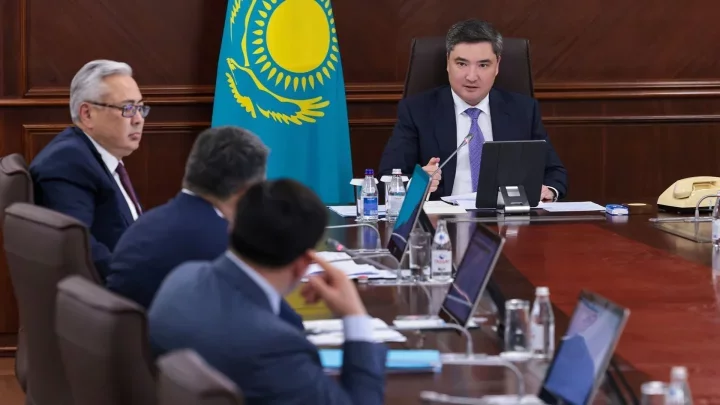 Photo: Photo: Press Service of RK Prime Minister
As the growing season intensifies, Kazakhstan's government is bolstering oversight over irrigation water distribution. Prime Minister Olzhas Bektenov has called on officials to manage risks proactively instead of waiting for crises to escalate, Orda.kz reports.
Bektenov chaired a meeting focused on ensuring sufficient irrigation water for farmers, with particular attention on the southern regions, which account for 97% of national water consumption.
River levels are falling, farmers report shortages, and the government points to illegal diversions and water theft.
According to the Ministry of Water Resources and Irrigation, 22,500 farmers have already been connected to water sources — 3,000 more than at the same time last year. Water distribution is being handled through branches of the Kazvodkhoz state enterprise.
The meeting addressed the situation on the Shu, Talas, and Syr Darya rivers, highlighting the importance of transparent water allocation in the face of scarcity. To support efficient usage, the government is offering differentiated subsidies, with greater support for those using water-saving technologies.


Bektenov instructed regional governors to establish local headquarters that include both officials and farmers. These groups will be responsible for monitoring adherence to irrigation schedules, promoting recycling technologies, and combating water theft.
“It is important to strengthen control over the illegal use of water and intensify efforts to identify violations,” the Prime Minister said.
The Ministry was tasked with tightening control over water limits, developing cooperation mechanisms with neighboring countries on transboundary rivers, and expanding digital monitoring using satellite data to identify and map shortage zones.
Deputy Prime Minister Kanat Bozumbayev will oversee its coordination.
Southern Kazakhstan has long struggled with systemic water shortages, forcing farmers to shift to less water-intensive crops and adopt conservation practices.
Original Author: Alina Pak
Latest news
- Orda.kz Editorial Team to Cease Operations on September 1
- The Price of a Degree: How Students in Kazakhstan Pay for University
- Second Przewalski’s Horse Foal Born as Species Returns to Kazakhstan
- Kazakh Mining Companies Can Recalculate Purchases if Tenge Weakens
- Kazakhstan Names First Vice President in Three Decades
- What Almaty’s Bus Shelters Are Missing
- 400-Truck Queue Builds at Kazakh–Kyrgyz Border
- Kazakhstan Ready to Help Feed and Rebuild Gaza
- Tokayev Establishes New Presidential Security Body
- Almaty Takes Back Its Nearly Century-Old Hippodrome
- No More Guesswork on Savings: Kazakhstan Tightens Energy Audits for Businesses
- Public Money Could Be Used to Rescue Failing Kazakh Banks
- Third Kazakh Woman Reported Missing in Nepal-China Flood Zone
- Falconer Convicted Over 35 Protected Birds, Spared Punishment Under Amnesty
- Kazakh Citizen Detained in Yakutia in Phone Fraud Case
- Yuan Instead of Dollars? KazMunayGas Draws Record Demand in Asia
- China Gains Oil-Market Influence as OPEC+ Weakens
- Kazakhstan to Divide Smartphones Into White, Gray and Black Lists
- Kazakhstan’s Government Formally Resigns as First Kurultai Session Opens
- Rare Lynx Sighting Recorded in Northern Kazakhstan
