

Experts Discuss Why Yerzhan Ashikbayev Was Recalled as U.S. Ambassador
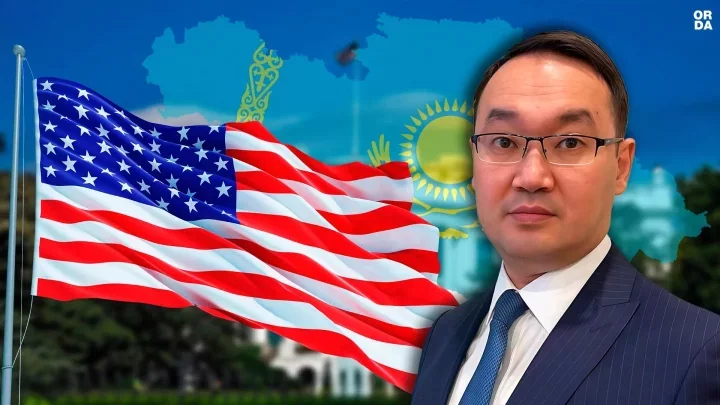 Photo: Orda.kz collage
After returning from New York, President Qasym-Jomart Toqayev recalled Yerzhan Ashikbayev, Kazakhstan’s ambassador to the United States.
The diplomat had served in Washington for more than four years. The decision raised questions: was it routine rotation or dissatisfaction with the results of the visit?
Orda.kz gathered expert opinions.
No Meeting with Trump
Toqayev and Donald Trump did not meet on the sidelines of the UN General Assembly in New York. There was no official audience, only a brief exchange. Trump did, however, make time for Uzbek President Shavkat Mirziyoyev.
Former diplomat Kazbek Beisebayev recalled that an ambassador’s effectiveness is often judged by arranging meetings with heads of state:
Our embassy certainly looked into a meeting between Toqayev and Trump. But it never happened. Trump was probably very busy. He is, after all, the President of the United States, and he didn't have enough time. They limited themselves to a phone call and congratulations. Meanwhile, Mirziyoyev managed to meet with Trump, and Uzbekistan signed a major contract with Boeing. Ultimately, the White House focused on its neighbors.
He suggested Trump may have acted mainly as a businessman. Uzbekistan secured an $8 billion Boeing contract, while Kazakhstan showed no similar investment interest in New York.
The Catalyst?
Beisebayev pointed to the $4 billion contract signed by Kazakhstan Temir Joly (KTZ) with Wabtec:
Our experts, including former KTZ executives, have spoken negatively about this deal, considering it too expensive and unprofitable. When such agreements are signed, the embassy inevitably participates in their political oversight. Therefore, the contract could have played a catalyst in the decision to recall the ambassador.
At the same time, he noted that Ashikbayev’s term might simply have run its course:
Formally, the president simply didn't extend his mandate. If an ambassador is needed and delivers results, the term is often extended. This time, they decided otherwise.
Beisebayev also criticized the organization of the New York trip, pointing to the small business delegation:
When they travel abroad, they sign documents worth billions of dollars. But in most cases, these are memoranda and letters of intent. Our officials love to talk about the future, but rarely demonstrate tangible results. Hence the perception of the visit. Kazakhstan hasn't secured any high-profile contracts comparable to Uzbekistan's deal with Boeing.
Despite this, he emphasized that the ambassador’s work in the United States was extremely challenging and largely unnoticed, yet still crucial.
Political scientist Dos Koshim argued there may not be a direct link between contracts and Ashikbayev’s resignation, but the timing raised questions:
We, of course, don't know the true reasons for the resignation. Regarding the locomotive deal, I don't think Ashikbayev could have made any mistakes. It's an economic matter. Ashikbayev's main job is to organize meetings, negotiate, and resolve technical issues. Four years is a long time for an ambassador. Perhaps this is a planned rotation. But we can't rule out the president's personal judgment. Toqayev himself is a diplomat and places particularly high demands on ambassadors. If there had been no complaints, he could have been retained, at least temporarily. But the fact that he was recalled immediately after returning from New York suggests discontent.
When asked why Trump did not meet with Toqayev, Koshim pointed to shifting U.S. priorities:
Labor is cheaper there, and conditions for foreign investors are easier. Kazakhstan, on the other hand, is perceived as a country where doing business is more difficult. The country's image also plays a role. Just recall the stories of investors fleeing or the high-profile corruption cases surrounding the idea of opening a car factory.
According to him, Central Asia is not a major priority for Washington, which mainly monitors sanctions compliance amid the war.
Original Author: Zarina Fayzulina
Latest news
- Orda.kz Editorial Team to Cease Operations on September 1
- The Price of a Degree: How Students in Kazakhstan Pay for University
- Second Przewalski’s Horse Foal Born as Species Returns to Kazakhstan
- Kazakh Mining Companies Can Recalculate Purchases if Tenge Weakens
- Kazakhstan Names First Vice President in Three Decades
- What Almaty’s Bus Shelters Are Missing
- 400-Truck Queue Builds at Kazakh–Kyrgyz Border
- Kazakhstan Ready to Help Feed and Rebuild Gaza
- Tokayev Establishes New Presidential Security Body
- Almaty Takes Back Its Nearly Century-Old Hippodrome
- No More Guesswork on Savings: Kazakhstan Tightens Energy Audits for Businesses
- Public Money Could Be Used to Rescue Failing Kazakh Banks
- Third Kazakh Woman Reported Missing in Nepal-China Flood Zone
- Falconer Convicted Over 35 Protected Birds, Spared Punishment Under Amnesty
- Kazakh Citizen Detained in Yakutia in Phone Fraud Case
- Yuan Instead of Dollars? KazMunayGas Draws Record Demand in Asia
- China Gains Oil-Market Influence as OPEC+ Weakens
- Kazakhstan to Divide Smartphones Into White, Gray and Black Lists
- Kazakhstan’s Government Formally Resigns as First Kurultai Session Opens
- Rare Lynx Sighting Recorded in Northern Kazakhstan
