

Expert Comments on Kyrgyzstan and Tajikistan's Historic Border Agreement
 Photo: Facebook / Arkady Dubnov
On March 13, Kyrgyzstan and Tajikistan officially signed a long-awaited state border agreement, marking a significant milestone in regional diplomacy, Orda reports.
Central Asia expert Arkady Dubnov analyzed the agreement’s impact on the region and explained why the Collective Security Treaty Organization (CSTO) did not intervene in previous border conflicts.
Why the Agreement Is Historic
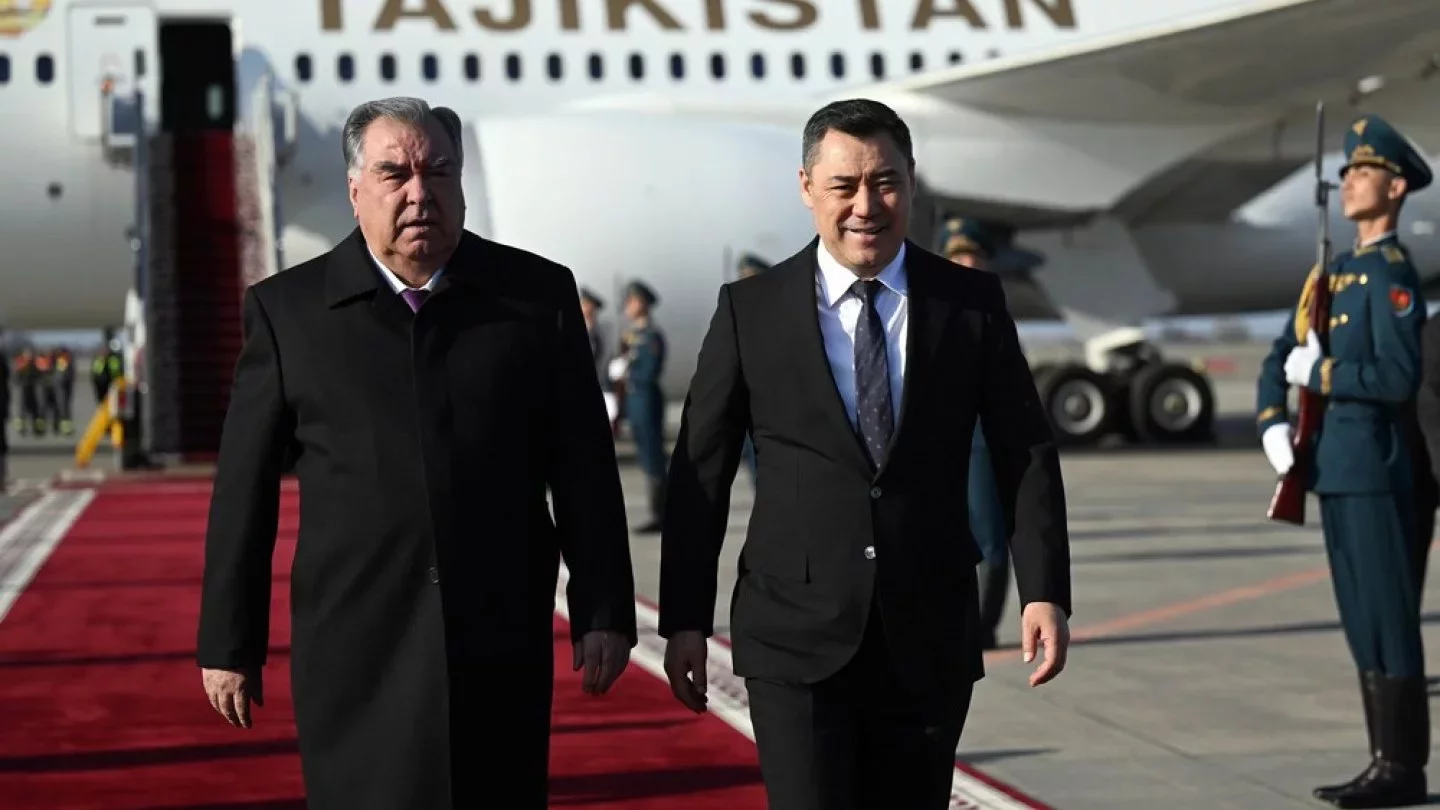
Dubnov highlighted the symbolic importance of Tajik President Emomali Rahmon’s visit to Kyrgyzstan, where he was received with full honors — a rare gesture between the two nations:
The document has already been called historic, and I will not argue with that. It is enough to note that in order to sign the agreement, 72-year-old Rakhmon, who has ruled Tajikistan for 32 years without interruption, is making his first state visit (two visits to Bishkek for CIS summits do not count) to neighboring Kyrgyzstan. Rahmon was received there with truly eastern honors.
Due to longstanding territorial disputes, the 1,000 km border between Kyrgyzstan and Tajikistan had been closed for nearly four years. The two nations have fully delineated the border:
The history of border relations between the two countries after the collapse of the Soviet Union is quite dramatic. Enclaves and villages inhabited by Tajiks and Kyrgyz looked like a black-and-white chessboard; it was difficult to draw a line through them even theoretically. Conflicts between neighbors flared up regularly — over land, water, and hydraulic structures that were shared until 1991.
CSTO
Dubnov also addressed the deadly border clashes between Kyrgyzstan and Tajikistan, particularly in April 2021 (when 36 Kyrgyz citizens died) and September 2022 (with nearly 100 casualties on both sides).
Despite both countries being CSTO members, the organization did not step in to resolve the crisis.
The CSTO, of which both Tajikistan and Kyrgyzstan are members, was not ready to resolve the conflict either. The organization simply does not have the mandate to interfere in relations between the countries that are part of it.
Challenges During Negotiations
The heads of the state national security committees from both countries led the border negotiations. After the parliaments of Kyrgyzstan and Tajikistan approved the agreement, it moved forward without public discussion, which led to political backlash.
Jogorku Kenesh deputy Sultanbay Aizhigitov accused his country's negotiating team of betraying Kyrgyzstan's national interests. President Japarov called him a demagogue and a provocateur. As punishment for his rebelliousness, he was removed from his party's parliamentary faction. The head of Tajik state security Yakimov admitted that 'they also criticize in this regard in Tajikistan. But that is not the main thing. The main thing is that relations will now be fraternal and historical, as they should be between real brothers.'
On March 31, at the Fergana Valley summit in Khujand, Kyrgyz and Tajik leaders are expected to exchange ratification documents. Uzbekistan’s President Shavkat Mirziyoyev will also attend the summit, which coincides with the Nauryz holiday, symbolizing regional unity.
Correcting A Soviet Legacy
Dubnov noted that the border agreement reflects a broader effort to resolve Soviet-era territorial divisions, which were exacerbated by the collapse of the USSR.
If we take into account that the border problems between Tashkent, Dushanbe, and Bishkek were settled (also not without scandals) several years earlier, then we can hope that the consequences of the ‘clumsy division of Central Asia’ carried out by the Bolsheviks in the 1920s, aggravated by the drama of the collapse of the USSR in the 1990s, will eventually remain in the past.
Tajikistan’s Leadership
According to Dubnov, the border resolution may be part of President Rahmon’s plan to transfer power to his son, Rustam Emomali, the mayor of Dushanbe and head of one of Tajikistan’s parliamentary chambers.
The current agreements, it seems, may allow Rahmon, who is clearly tired of power, to carry out the long-prepared transition of power in Tajikistan with much less risk. Emomali Rahmon's son, Rustam Emomali, has already been sitting at the start for too long.
Original Author: Aliya Askarova
Latest news
- Orda.kz Editorial Team to Cease Operations on September 1
- The Price of a Degree: How Students in Kazakhstan Pay for University
- Second Przewalski’s Horse Foal Born as Species Returns to Kazakhstan
- Kazakh Mining Companies Can Recalculate Purchases if Tenge Weakens
- Kazakhstan Names First Vice President in Three Decades
- What Almaty’s Bus Shelters Are Missing
- 400-Truck Queue Builds at Kazakh–Kyrgyz Border
- Kazakhstan Ready to Help Feed and Rebuild Gaza
- Tokayev Establishes New Presidential Security Body
- Almaty Takes Back Its Nearly Century-Old Hippodrome
- No More Guesswork on Savings: Kazakhstan Tightens Energy Audits for Businesses
- Public Money Could Be Used to Rescue Failing Kazakh Banks
- Third Kazakh Woman Reported Missing in Nepal-China Flood Zone
- Falconer Convicted Over 35 Protected Birds, Spared Punishment Under Amnesty
- Kazakh Citizen Detained in Yakutia in Phone Fraud Case
- Yuan Instead of Dollars? KazMunayGas Draws Record Demand in Asia
- China Gains Oil-Market Influence as OPEC+ Weakens
- Kazakhstan to Divide Smartphones Into White, Gray and Black Lists
- Kazakhstan’s Government Formally Resigns as First Kurultai Session Opens
- Rare Lynx Sighting Recorded in Northern Kazakhstan
