

Chinese-Backed Cotton Project Blamed for Destruction of Turkistan Historic Sites
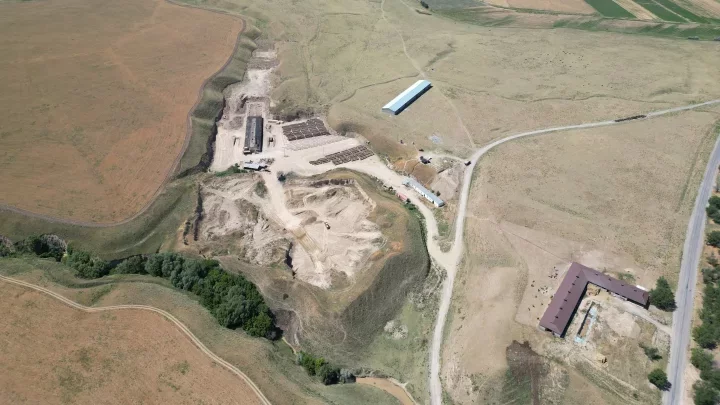 Photo: Khurlug settlement. Photo provided by Serik Akylbek
At the same press conference where the fate of historical monuments in the Jetisu region was discussed, concerns were also raised about similar threats in the Turkistan region. But while the conflict in Jetisu is with energy companies, in the south, the problem lies with cotton farming — involving a Chinese investor.
Orda.kz explains how cotton cultivation has damaged Kazakhstan’s historical heritage.
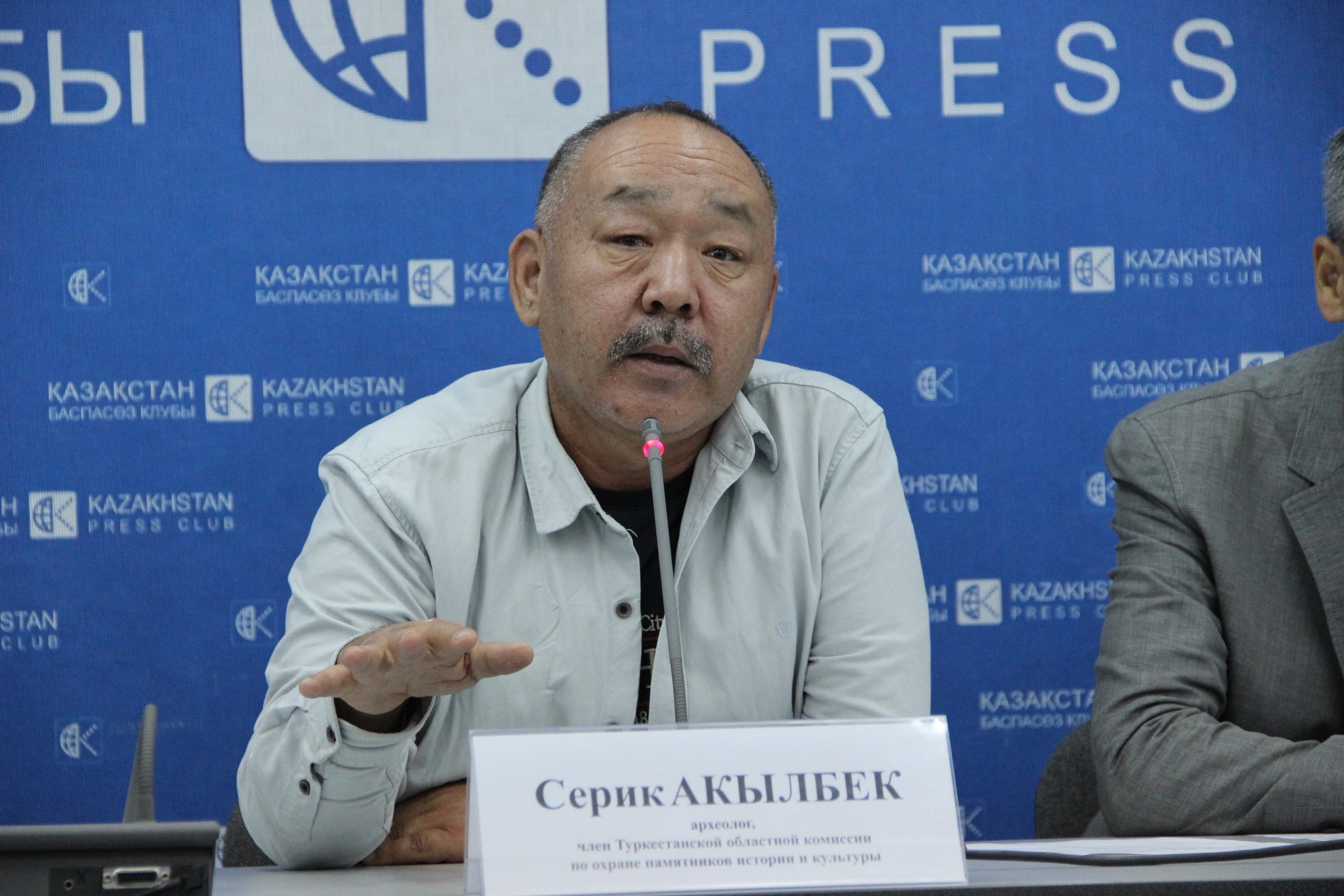
According to Serik Akylbek, a member of the Turkistan Regional Commission for the Protection of Historical and Cultural Monuments, a large-scale cotton project was launched in the region last year with the participation of the Chinese company Xinjiang Lihua (Group) Co., Ltd. The cluster was projected to bring $200 billion in investment and include ten factories:
- Four cotton-processing plants near crop fields
- Two factories producing drip irrigation systems
- Four textile plants, including garment, dyeing, and separation facilities
The project was also expected to create more than 4,000 jobs, of which 3,000 would be permanent.
Investors were allocated 60 hectares in Arys and Otrar districts, with the land reclassified from pasture to irrigated farmland. The Turkistan Social and Entrepreneurial Corporation (SEC) was registered as the project operator, though the land itself belongs to Kazakh companies.
The problem is that these lands are home to numerous monuments and heritage sites. Under Kazakh law, a historical and cultural assessment should have been conducted — but it wasn’t.
I showed the Chinese supervisor a map of the monuments and the law. He promised to carry out an assessment, but nothing happened. This spring, land development began without one. Only after we complained to the regional prosecutor was an assessment finally conducted. Akylbek said
Between October 22 and 30, 2024, Archeo-service carried out the survey and identified 20 archaeological monuments. But the findings were grim: the work had already damaged the area.
Some sites had lost their original appearance, while others were on the verge of destruction — or already gone.
Of the 20 monuments, 11 have already been destroyed. We asked for the land work to stop, but our requests were ignored. We even witnessed one monument being demolished in front of us. Even after the assessment, the warnings were disregarded, Akylbek said.
Not even the intervention of parliamentarians and the Akimat helped. Public hearings were held with MPs from the Auyl party, representatives of the cooperative, and Otrar officials.
A decision was made to save the sites and begin archaeological work. But the landowner ignored the outcome. Now, only three of the 20 monuments remain.
Last year, the area covered 46 hectares. This year, it has expanded to 60 hectares, and no survey was conducted on the extra 20. Just yesterday, the Serkektobe monument was demolished — despite being marked with a sign reading: ‘Under the protection of the state of the Republic of Kazakhstan.’ This is deliberate destruction of heritage, Akylbek stressed.
Senior researcher at the Margulan Institute of Archaeology, Yeraly Akimbek, explained that landowners often try to hide or destroy monuments quickly, fearing the land will be confiscated.
But the law doesn’t require confiscation. It only requires scientific research and protection. Akimbek said.
He noted that the problem isn’t the law but its enforcement. The law clearly states that sites must be inspected and surveyed before land is allocated.
This isn’t the first case of heritage clashing with investment. A Chinese investor has also shown interest in the Tanbalytas tract in the Almaty region — a thousand-year-old site and one of Kazakhstan’s most famous clusters of petroglyphs.
Plans there include building a new cement plant worth 18 billion tenge.
Original Author: Aisha Aldayar
Latest news
- Orda.kz Editorial Team to Cease Operations on September 1
- The Price of a Degree: How Students in Kazakhstan Pay for University
- Second Przewalski’s Horse Foal Born as Species Returns to Kazakhstan
- Kazakh Mining Companies Can Recalculate Purchases if Tenge Weakens
- Kazakhstan Names First Vice President in Three Decades
- What Almaty’s Bus Shelters Are Missing
- 400-Truck Queue Builds at Kazakh–Kyrgyz Border
- Kazakhstan Ready to Help Feed and Rebuild Gaza
- Tokayev Establishes New Presidential Security Body
- Almaty Takes Back Its Nearly Century-Old Hippodrome
- No More Guesswork on Savings: Kazakhstan Tightens Energy Audits for Businesses
- Public Money Could Be Used to Rescue Failing Kazakh Banks
- Third Kazakh Woman Reported Missing in Nepal-China Flood Zone
- Falconer Convicted Over 35 Protected Birds, Spared Punishment Under Amnesty
- Kazakh Citizen Detained in Yakutia in Phone Fraud Case
- Yuan Instead of Dollars? KazMunayGas Draws Record Demand in Asia
- China Gains Oil-Market Influence as OPEC+ Weakens
- Kazakhstan to Divide Smartphones Into White, Gray and Black Lists
- Kazakhstan’s Government Formally Resigns as First Kurultai Session Opens
- Rare Lynx Sighting Recorded in Northern Kazakhstan
