

Archaeologists Uncover a Large Bronze Age Settlement in East Kazakhstan
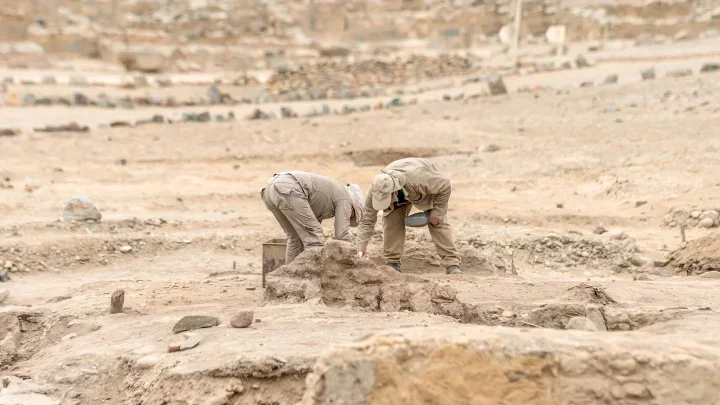 Photo: Elements.envato.com
Archaeologists have discovered a large Bronze Age settlement in East Kazakhstan — a site that could reshape our understanding of ancient societies in the region, Orda.kz reports.
An international team identified the settlement, which spans roughly 140 hectares. The find quickly drew international attention, with CNN among the first outlets to highlight its significance.
The settlement is located near the Irtysh River valley, in an area known as Semiyarka. Researchers believe it may have been a major center of trade, governance, and metallurgy around 1600 BC.
Semiyarka, nicknamed the “City of Seven Ravines” for its unusual system of intersecting valleys, was first noticed as a potential ancient site in the early 2000s. Full-scale research, however, began only in 2018. Since then, archaeologists from the UK and other countries have uncovered traces of structures and pottery.
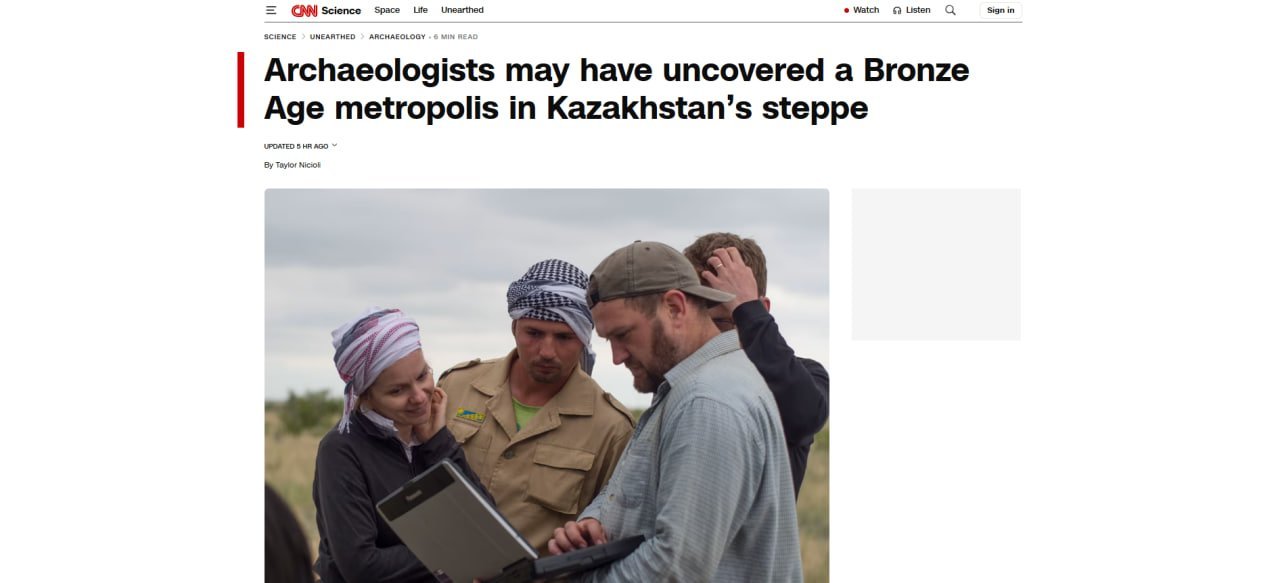
At the site, they found fragments of at least 114 ceramic vessels, along with evidence of metalworking — including crucibles, slag, and tools.
According to Miljana Radivojević of University College London, this is only the second known site in the Eurasian steppe with confirmed tin-bronze production. Tin bronze was used to make stronger tools and weapons.
It’s very exciting, because it’s such a rare find to have tin bronze production in this area, Radivojević said.
If Semiyarka does indeed turn out to be a production center, it could upend long-held assumptions about nomadic societies in the area. Until now, scholars believed the steppe was home only to temporary pastoral camps and yurts.
Dan Lawrence, a professor of archaeology at Durham University, says Semiyarka may have served the same functions as an early city — concentrating power, crafts, and logistics.
I think we can say that Semiyarka is a city in the sense that it is very different from surrounding settlements and provides just those kinds of urban services, he noted.
To define the settlement’s boundaries, the research team used Cold War–era aerial images and modern satellite data. They also applied magnetometry — a method that detects underground structures without excavating. This revealed at least fifteen buildings, some resembling houses with internal rooms.
Excavations are ongoing. Researchers hope to determine how many people lived in Semiyarka, how long the settlement existed, and how it was connected to other centers in the region.
This site is super interesting because it just breaks from all the things that we thought we knew about Central Asia up to this point, Lawrence concluded.
Original Author: Ruslan Loginov
Latest news
- Orda.kz Editorial Team to Cease Operations on September 1
- The Price of a Degree: How Students in Kazakhstan Pay for University
- Second Przewalski’s Horse Foal Born as Species Returns to Kazakhstan
- Kazakh Mining Companies Can Recalculate Purchases if Tenge Weakens
- Kazakhstan Names First Vice President in Three Decades
- What Almaty’s Bus Shelters Are Missing
- 400-Truck Queue Builds at Kazakh–Kyrgyz Border
- Kazakhstan Ready to Help Feed and Rebuild Gaza
- Tokayev Establishes New Presidential Security Body
- Almaty Takes Back Its Nearly Century-Old Hippodrome
- No More Guesswork on Savings: Kazakhstan Tightens Energy Audits for Businesses
- Public Money Could Be Used to Rescue Failing Kazakh Banks
- Third Kazakh Woman Reported Missing in Nepal-China Flood Zone
- Falconer Convicted Over 35 Protected Birds, Spared Punishment Under Amnesty
- Kazakh Citizen Detained in Yakutia in Phone Fraud Case
- Yuan Instead of Dollars? KazMunayGas Draws Record Demand in Asia
- China Gains Oil-Market Influence as OPEC+ Weakens
- Kazakhstan to Divide Smartphones Into White, Gray and Black Lists
- Kazakhstan’s Government Formally Resigns as First Kurultai Session Opens
- Rare Lynx Sighting Recorded in Northern Kazakhstan
