

Aqtau Faces Power Outages Amid MAEK Equipment Issues
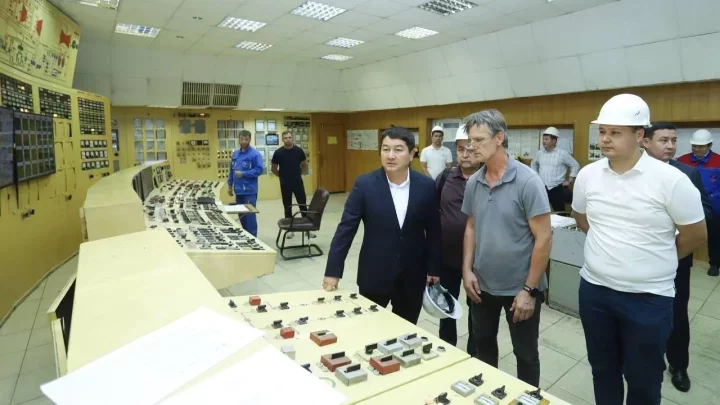 Photo: Aqtau Akimat press service
The city of Aqtau has been experiencing widespread and ongoing electricity outages in recent days. Residents have taken to social media to voice their frustration, and some have even blocked roads in protest, Orda.kz reports.
It was only today confirmed that one of the causes was an issue at MAEK (Mangystau Nuclear Energy Complex), a strategic facility built during the Soviet era. The plant has not undergone major repairs.
Officials in the Mangystau regional administration said the regional governor visited the site. It was revealed that the plant’s third power unit — a key component — shut down twice within the past week due to severe equipment wear.
Akim Nurdaulet Kilybay acknowledged the urgent need for upgrades:
In Aqtau, 66% of the power grid is underground, most of it dating back to the Soviet period. The entire 75-kilometer network needs major repairs. Funds for purchasing materials have been allocated from the local budget, but most of the special cables and wires are imported, which takes time. Once the equipment arrives, repairs will begin immediately.
According to Kenes Urakov, Director General of MAEK LLP, the plant is currently supplying 357 MW to the power system.
Due to the malfunction of the third power unit, TPP-2 is operating at full load.
Without lowering the temperature of the unit to 160 degrees, it’s impossible to open the equipment and conduct a technical inspection. This process takes about 2–3 days. The third unit is currently being cooled. The second unit has already undergone a major overhaul and is undergoing testing. By evening, it will be brought to full capacity, after which restrictions on the industrial sector will be lifted,
he said.
MAEK remains a vital source of not only electricity but also drinking water for Aqtau and the surrounding areas.
Orda.kz has previously reported on frequent power and water disruptions.
According to KazAzot, a company operating within the MAEK system, a sudden power cut at TPP-3 triggered automatic shutdowns and halted technological equipment. Process gases were released into the atmosphere.
The brown plume seen in the sky may indicate a release of nitrogen dioxide (NO₂), a reddish-brown gas that can form when nitrogen systems are abruptly shut down. This effect is often referred to as the ‘fox’s tail’ by the public,
the company stated.
Meanwhile, Aqtau residents have been reporting a strong chemical odor in the air for over a week, particularly in the evenings. People are experiencing headaches, nausea, and other symptoms, which they suspect are linked to the harmful emissions.
Original Author: Dinara Bekbolayeva
Latest news
- Orda.kz Editorial Team to Cease Operations on September 1
- The Price of a Degree: How Students in Kazakhstan Pay for University
- Second Przewalski’s Horse Foal Born as Species Returns to Kazakhstan
- Kazakh Mining Companies Can Recalculate Purchases if Tenge Weakens
- Kazakhstan Names First Vice President in Three Decades
- What Almaty’s Bus Shelters Are Missing
- 400-Truck Queue Builds at Kazakh–Kyrgyz Border
- Kazakhstan Ready to Help Feed and Rebuild Gaza
- Tokayev Establishes New Presidential Security Body
- Almaty Takes Back Its Nearly Century-Old Hippodrome
- No More Guesswork on Savings: Kazakhstan Tightens Energy Audits for Businesses
- Public Money Could Be Used to Rescue Failing Kazakh Banks
- Third Kazakh Woman Reported Missing in Nepal-China Flood Zone
- Falconer Convicted Over 35 Protected Birds, Spared Punishment Under Amnesty
- Kazakh Citizen Detained in Yakutia in Phone Fraud Case
- Yuan Instead of Dollars? KazMunayGas Draws Record Demand in Asia
- China Gains Oil-Market Influence as OPEC+ Weakens
- Kazakhstan to Divide Smartphones Into White, Gray and Black Lists
- Kazakhstan’s Government Formally Resigns as First Kurultai Session Opens
- Rare Lynx Sighting Recorded in Northern Kazakhstan
