

Analyst: Kazakhstan’s Share of Kashagan Profits Lower Than Foreign Investors’ Earnings
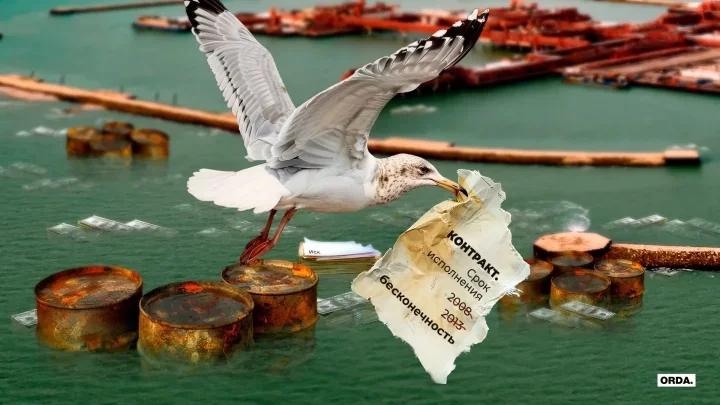
Kazakhstan’s total profit from oil production at Kashagan — including taxes — was three times lower than the net income of foreign investors developing the field, Orda.kz reports.
Oil and gas industry analyst Nurlan Zhumagulov shared his calculations, noting that the lion’s share of Kashagan income by the end of 2024 went to the NCOC consortium (key investors: Eni, Shell, Exxon Mobil, TotalEnergies).
Total revenue from the sale of oil, gas and sulfur exceeded $11 billion, and 80% of this money, under the contract terms, went to cover NCOC’s capital and operating expenses. Of the remaining 20%, most still went to foreign companies rather than Kazakhstan.
20% is considered to be profitable oil (Profit Oil), the income from which amounted to $2.2 billion in 2024. If the republic’s share in Profit Oil is 10%, then in monetary terms Kazakhstan is entitled to $220 million. The figure is exactly consistent with the PSA data. Let’s add all the taxes paid by the NCOC operator — $430 million in 2024. In total, Kazakhstan received $650 million from Kashagan oil production against two billion in profits from Kashagan shareholders. Logically and fairly, it should be the other way around, don’t you agree?
Zhumagulov pointed out that Kazakhstan’s share of total Kashagan income is just 6% — the lowest figure in the world.
Even factoring in the profit of KazMunayGas, which holds 16.88% of Kashagan, the deal still appears unprofitable for the country.
The share of the Republic of Kazakhstan in the profit oil will remain at the current level until three billion barrels of Kashagan oil are produced. In 10 years, we have produced only the first billion barrels. There is hope for the prompt payment of income tax (30%) by shareholders. At least KMG has started paying corporate income tax on Kashagan profits — but so far only $45 million, he concluded.
The debate follows earlier public backlash to reports that 98% of Kashagan profits go to foreign investors, with just 2% reaching Kazakhstan through profitable oil, a fifth of the total volume.
Full-scale development of Kashagan has yet to occur, while arbitration between Kazakh authorities and NCOC drags on.
Original Author: Nikita Drobny
Latest news
- Orda.kz Editorial Team to Cease Operations on September 1
- The Price of a Degree: How Students in Kazakhstan Pay for University
- Second Przewalski’s Horse Foal Born as Species Returns to Kazakhstan
- Kazakh Mining Companies Can Recalculate Purchases if Tenge Weakens
- Kazakhstan Names First Vice President in Three Decades
- What Almaty’s Bus Shelters Are Missing
- 400-Truck Queue Builds at Kazakh–Kyrgyz Border
- Kazakhstan Ready to Help Feed and Rebuild Gaza
- Tokayev Establishes New Presidential Security Body
- Almaty Takes Back Its Nearly Century-Old Hippodrome
- No More Guesswork on Savings: Kazakhstan Tightens Energy Audits for Businesses
- Public Money Could Be Used to Rescue Failing Kazakh Banks
- Third Kazakh Woman Reported Missing in Nepal-China Flood Zone
- Falconer Convicted Over 35 Protected Birds, Spared Punishment Under Amnesty
- Kazakh Citizen Detained in Yakutia in Phone Fraud Case
- Yuan Instead of Dollars? KazMunayGas Draws Record Demand in Asia
- China Gains Oil-Market Influence as OPEC+ Weakens
- Kazakhstan to Divide Smartphones Into White, Gray and Black Lists
- Kazakhstan’s Government Formally Resigns as First Kurultai Session Opens
- Rare Lynx Sighting Recorded in Northern Kazakhstan
