

Abay Captivates Italian Philologist, Inspiring Article in European Magazine
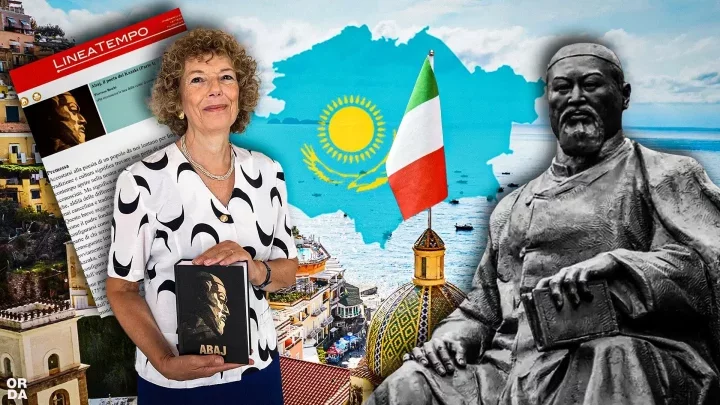 Photo: Orda.kz
In 2020, before the pandemic swept the globe, Kazakhstan launched a major project to translate the works of Abay Kunanbayev into ten foreign languages. The initiative, marking the poet’s 175th anniversary and supported by President Toqayev, produced an unexpected outcome: a collection of Abay’s poetry and biography in Italian found its way to Fiorenza Boschi — a Milan-based philologist, Dante scholar, and expert in Italian literature.
An Orda.kz correspondent spoke with her about the discovery.
From Dante to Abay
Until recently, Fiorenza knew almost nothing about Kazakh literature, apart from knowing that Abay is considered its founder. That changed when her Kazakh daughter-in-law gifted her a book of his poems.
I started reading it with great interest,Boschi recalls.
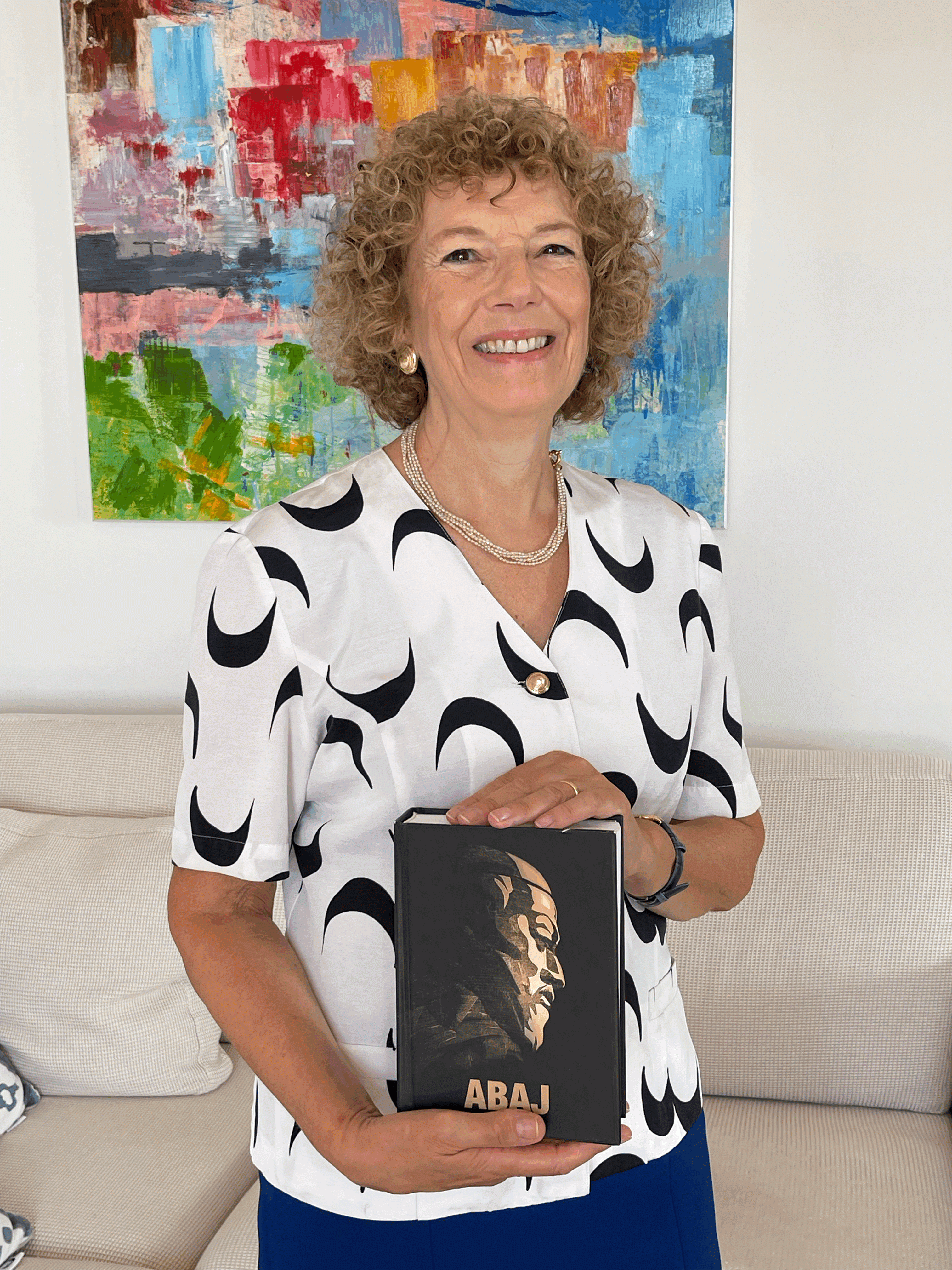
Because she does not speak Kazakh, she read Abay in translation — but even this, she says, was enough to grasp the depth of his philosophy.
Unfortunately, I don’t know Kazakh, so I read Abay’s poems in Italian. It’s clear that when poetry is translated, much is inevitably lost — rhyme, assonance, alliteration, etymological nuances, as well as its sound, rhythm, and layers of meaning. Yet if a poet is truly great, even in translation you can still feel the depth of their inner world and grasp the essence of their message,says Fiorenza.

Fiorenza admits that information about Abay in Italian is almost nonexistent. She turned to English-language sources and Russian texts, which friends helped her translate.
“I Was Deeply Touched”
I was deeply touched by Abay’s poetry, so closely tied to the history and culture of his people. His verses reveal the soul of the Kazakh nation and speak to people across time and place — they have a universal meaning.
Believing Abay belongs among the greats of world literature, she mentioned him to an editor at the cultural magazine Linea Tempo, who suggested she write an article to introduce his work to Italian readers.
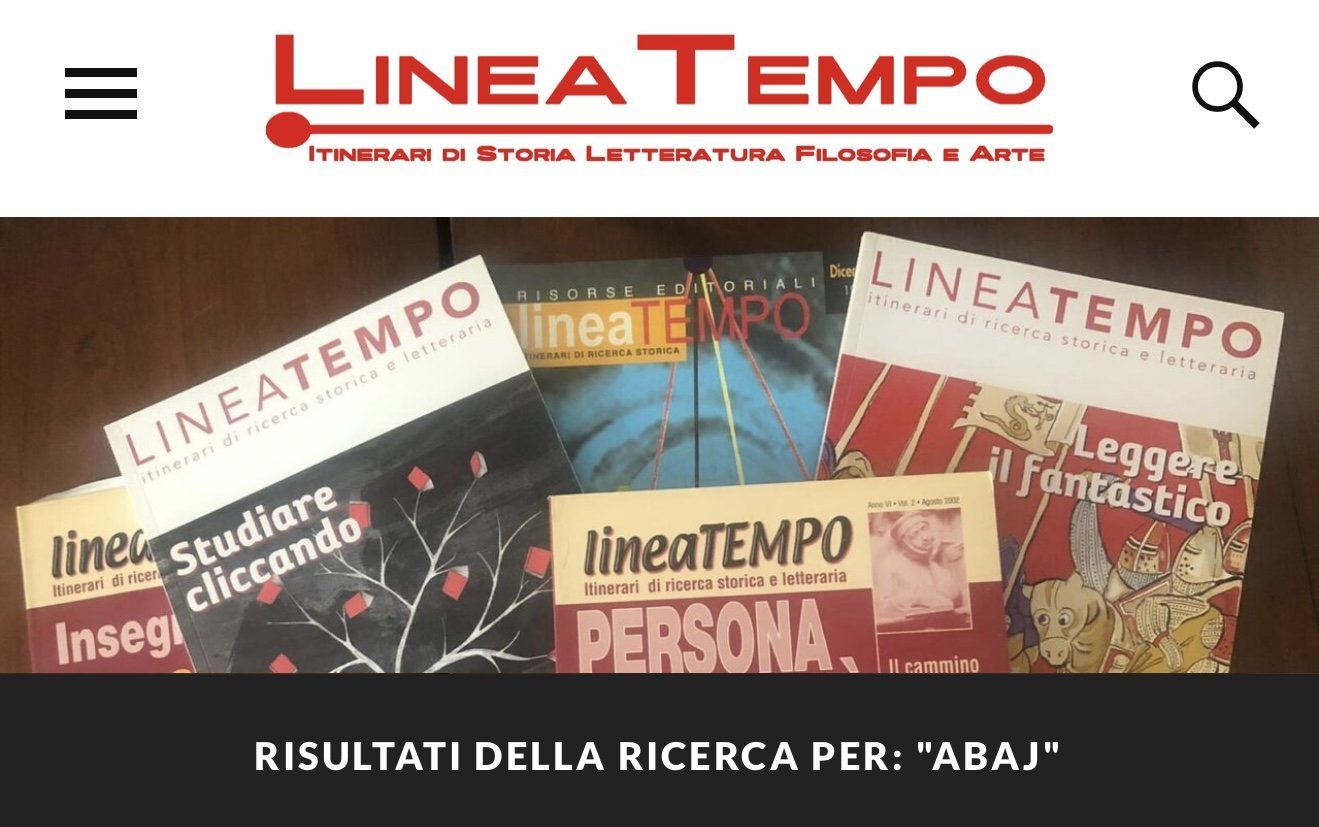
This year, Fiorenza published a two-part piece in Linea Tempo. The first installment appeared in spring; the second will be released this August, coinciding with Abay’s 180th birthday.
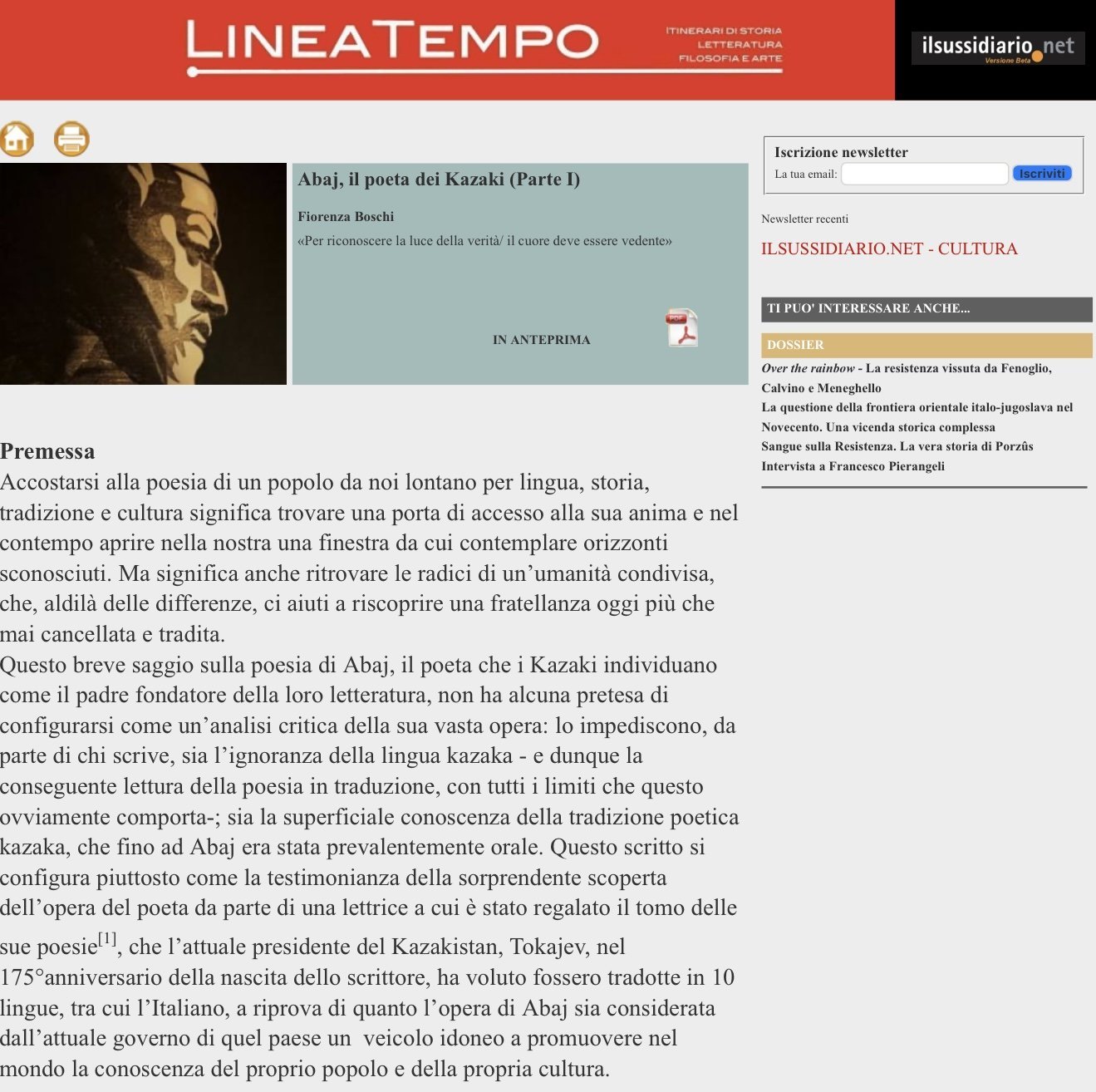
She opens the essay with the line:
Approaching the poetry of a people distant from us in language, history, tradition, and culture means finding a doorway into their soul, and at the same time opening within our own a window through which we can gaze upon unknown horizons. the original article can be found here.
Kazakhstan Through Italian Eyes
Fiorenza has visited Kazakhstan once before, traveling to Almaty three years ago.
I experienced the famous Kazakh hospitality and came to understand values that Abay cherished: love of nature, the importance of traditions, family bonds, respect for elders, and pride in belonging to a strong and proud people.


She believes Kazakhstan should promote its culture abroad more actively, through quality translations and cultural events. While Kazakh culture is still little known in Italy, she notes that the Kazakh community in Milan is growing. She also sees potential interest among young Italians, particularly those concerned about the environment.
In my opinion, young Italians, who care deeply about ecological issues, might be drawn to the culture of nomadic peoples who lived in harmony with nature.
Looking Ahead
Fiorenza hopes her article will spark interest in Abay among Italian scholars, and she plans to continue sharing Kazakhstan’s cultural heritage with Europe.
The journal on literature, history, philosophy, and art that published my article is issued in April, August, and December. Because my piece is a short essay, it was split into two parts: the first appeared in April, and the second will be published in August. I hope to hear some feedback in the coming months, says the Italian.

For Fiorenza, discovering Abay was a revelation that also awakened her curiosity about Central Asia. She now hopes to find more translations of the region’s literature — because without them, she says, the language barrier remains an insurmountable obstacle.
Original Author: Yegor Grozny
Latest news
- Orda.kz Editorial Team to Cease Operations on September 1
- The Price of a Degree: How Students in Kazakhstan Pay for University
- Second Przewalski’s Horse Foal Born as Species Returns to Kazakhstan
- Kazakh Mining Companies Can Recalculate Purchases if Tenge Weakens
- Kazakhstan Names First Vice President in Three Decades
- What Almaty’s Bus Shelters Are Missing
- 400-Truck Queue Builds at Kazakh–Kyrgyz Border
- Kazakhstan Ready to Help Feed and Rebuild Gaza
- Tokayev Establishes New Presidential Security Body
- Almaty Takes Back Its Nearly Century-Old Hippodrome
- No More Guesswork on Savings: Kazakhstan Tightens Energy Audits for Businesses
- Public Money Could Be Used to Rescue Failing Kazakh Banks
- Third Kazakh Woman Reported Missing in Nepal-China Flood Zone
- Falconer Convicted Over 35 Protected Birds, Spared Punishment Under Amnesty
- Kazakh Citizen Detained in Yakutia in Phone Fraud Case
- Yuan Instead of Dollars? KazMunayGas Draws Record Demand in Asia
- China Gains Oil-Market Influence as OPEC+ Weakens
- Kazakhstan to Divide Smartphones Into White, Gray and Black Lists
- Kazakhstan’s Government Formally Resigns as First Kurultai Session Opens
- Rare Lynx Sighting Recorded in Northern Kazakhstan
