

U.S. Chamber of Commerce Calls for Full Repeal of Caesar Syria Act
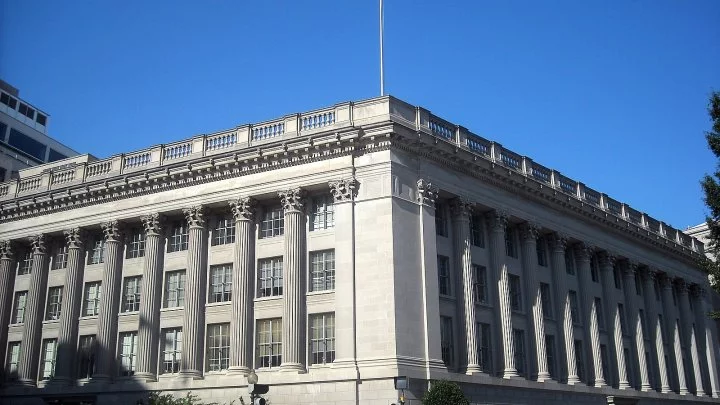 Photo: The United States Chamber of Commerce headquarters, Creative Commons Attribution-Share Alike 3.0 Unported
The U.S. Chamber of Commerce has urged Congress to fully and permanently repeal the Caesar Syria Civilian Protection Act of 2019, Orda.kz reports.
The agency has stated the law no longer serves its purpose following the fall of the Assad regime and the formation of a transitional Syrian government.
In a letter sent Tuesday to top lawmakers — including Senator Jim Risch, chair of the Senate Foreign Relations Committee, and Representatives Brian Mast and Gregory Meeks of the House Foreign Affairs Committee — John Murphy, the Chamber’s senior vice president for international policy, voiced support for a bipartisan initiative to end the sanctions law.
On behalf of the U.S. Chamber of Commerce, I write in support of the bipartisan effort to fully and permanently repeal the Caesar Syria Civilian Protection Act of 2019,
Murphy wrote.
He added that with the Assad regime gone and a transitional government in place, the measure “no longer aligns with U.S. strategic interests.”
The Caesar Act, enacted to hold Bashar al-Assad’s government accountable, imposes wide-ranging sanctions on entities doing business with Syria. The Chamber argues that these restrictions now hinder legitimate commerce and investment, while other sanctioning mechanisms are available to address human rights violations.
The letter stressed that the act continues to harm American businesses, deterring investment and trade with Syria because of its six-month renewal cycle and the risk of “snap-back” penalties.
This uncertainty leaves U.S. companies at a disadvantage compared to competitors from countries not bound by the law.
We urge Congress to act decisively and fully repeal the Caesar Act. Doing so will not only advance American economic interests but also contribute to regional stability and the long-term prosperity of the Syrian people,
the statement concludes.
Earlier this month, the U.S. Senate voted to include a repeal of the Caesar Act as part of deliberations on the National Defense Authorization Act, marking the first formal step toward potentially lifting the sanctions framework.
The measure must still pass reconciliation with the House version of the bill and be signed by the President before it takes effect — meaning the repeal is not yet final.
Read more:
Latest news
- Orda.kz Editorial Team to Cease Operations on September 1
- The Price of a Degree: How Students in Kazakhstan Pay for University
- Second Przewalski’s Horse Foal Born as Species Returns to Kazakhstan
- Kazakh Mining Companies Can Recalculate Purchases if Tenge Weakens
- Kazakhstan Names First Vice President in Three Decades
- What Almaty’s Bus Shelters Are Missing
- 400-Truck Queue Builds at Kazakh–Kyrgyz Border
- Kazakhstan Ready to Help Feed and Rebuild Gaza
- Tokayev Establishes New Presidential Security Body
- Almaty Takes Back Its Nearly Century-Old Hippodrome
- No More Guesswork on Savings: Kazakhstan Tightens Energy Audits for Businesses
- Public Money Could Be Used to Rescue Failing Kazakh Banks
- Third Kazakh Woman Reported Missing in Nepal-China Flood Zone
- Falconer Convicted Over 35 Protected Birds, Spared Punishment Under Amnesty
- Kazakh Citizen Detained in Yakutia in Phone Fraud Case
- Yuan Instead of Dollars? KazMunayGas Draws Record Demand in Asia
- China Gains Oil-Market Influence as OPEC+ Weakens
- Kazakhstan to Divide Smartphones Into White, Gray and Black Lists
- Kazakhstan’s Government Formally Resigns as First Kurultai Session Opens
- Rare Lynx Sighting Recorded in Northern Kazakhstan
