

Turkish Construction Giant to Build Gas Chemical Plant in Mangystau
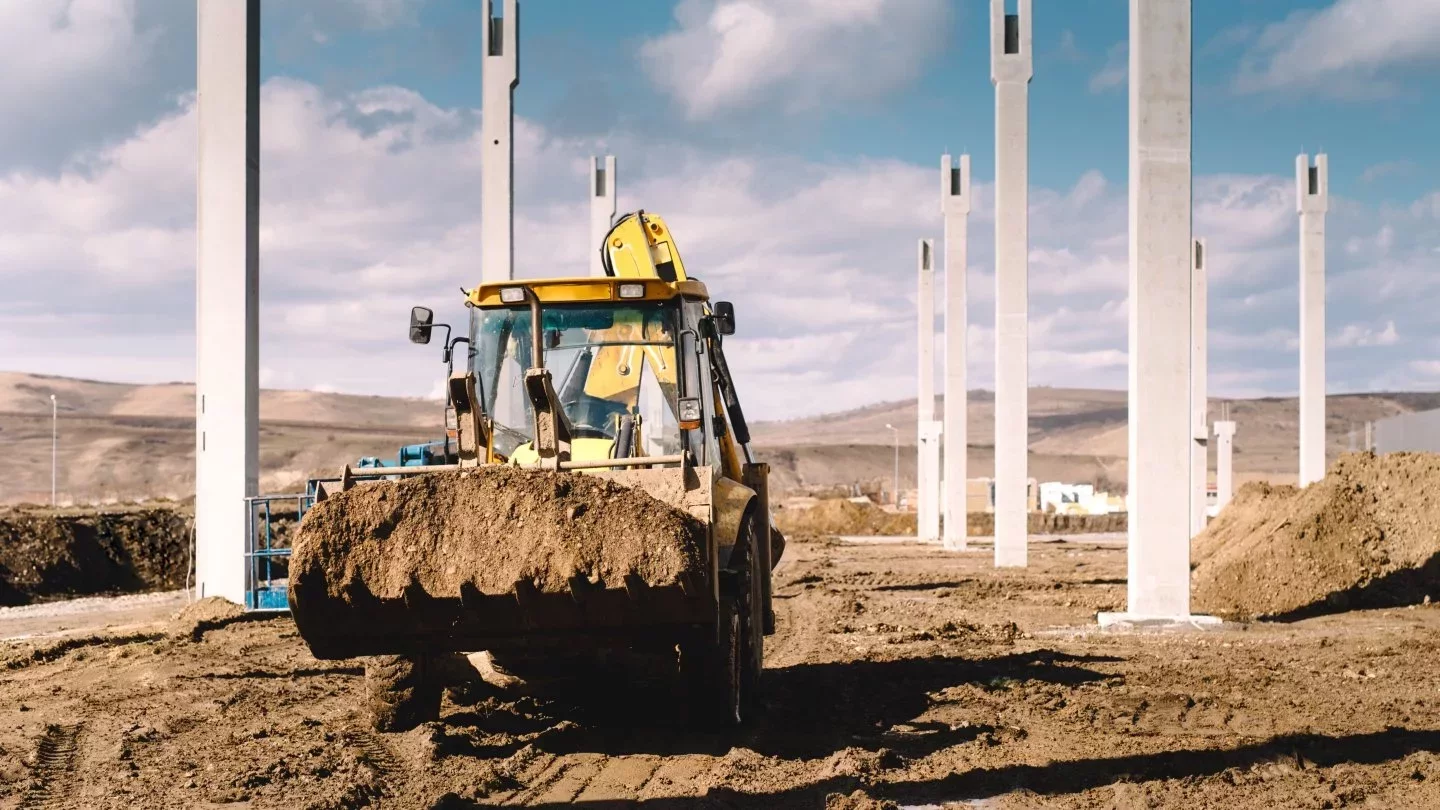 Photo: Elements.envato.com, ill. purposes
A Turkish construction company operating in nine countries is set to develop a large-scale gas chemical project in Kazakhstan’s Mangystau region, Orda.kz reports, citing the Prime Minister’s press service.
The project, valued at $1.3 billion, will focus on producing urea and ammonia.
The plant will have an annual output of up to 700,000 tons of urea and 42,000 tons of ammonia, reducing dependence on imported fertilizers and providing high-value-added products for the country's agricultural sector. During the project's implementation, up to 3,000 specialists will be involved, with 400 permanent jobs created upon completion, the government stated.
The plant will be constructed near Kuryk Port, which was selected strategically for the easy export of products via the Caspian Sea. Prime Minister Olzhas Bektenov has directed officials to finalize an investment agreement with ESTA Construction within two weeks.
ESTA Construction, ranked 87th among the world’s largest developers, operates in Türkiye, Russia, the U.S., Germany, Romania, Hungary, Turkmenistan, Iraq, and Kazakhstan. In Russia, the company collaborates with major industrial players such as Sibur, EuroChem, and PJSC Polyus.
Its global portfolio includes the Midia gas field development enterprise in Romania, the Amur Gas Chemical Complex (Russian Federation, Amur Region), the ammonia production plant in Kingisepp (Russian Federation, Leningrad Region), and the ZIF-5 gold recovery plant at the Blagovatnoye deposit (Krasnoyarsk Region, Russian Federation).
Given its extensive experience in large-scale industrial projects, ESTA Construction is well-positioned to execute this venture successfully.
Bektenov noted that Kazakhstan currently produces three types of fertilizers: ammonium nitrate, ammophos, and ammonium sulfate, with an annual demand of 3.2 million tons. However, domestic production satisfies only 1.8 million tons of this demand.
To support the industry, the government subsidizes up to 60% of fertilizer costs. Since March 2024, advance subsidies have been introduced to help reduce prices. Last year, 46.4 billion tenge was allocated, with 35 billion tenge earmarked for 2025.
Original Author: Dinara Bekbolayeva
Latest news
- The War in Iran Opens a Window of Opportunity for Kazakhstan’s Oil Sector, Analysts Say
- Iran Conflict Escalates Beyond the Gulf: What Kazakh Experts Say About Risks for Central Asia and Kazakhstan
- Kazakhstan Prepares Possible Evacuation of Its Citizens From Iran
- LRT in Astana Is Reaching the Finish Line: The Launch Is Expected in the Coming Months
- Kazakhstan Ready to Help the UAE Amid Escalation in the Region
- Tokayev Discusses Middle East Escalation With Qatar’s Emir
- Airlines Ready to Bring Kazakhstanis Home From the Middle East
- Tokayev Sends Support Messages to Gulf Leaders Amid Regional Escalation
- Kazakhstan Bans Its Airlines From Flying Over Several Middle East Countries
- Astana Strengthens Security Measures Amid Escalation Around Iran
- Tokayev Meets U.S. Ambassador Stufft, Discusses Board of Peace Cooperation
- Mangystau Launches AI-Assisted School Monitoring to Prevent Teen Suicidal Behavior
- Kazakhstan to Supply UK With Critical Minerals
- AI Faculties for Educators to Open in Kazakhstan: What Other Changes Are Coming to the Education Sector
- There Are Medals — But Not Enough Ice: What’s Happening to Figure Skating in Kazakhstan
- Is Kazakhstan’s Nuclear Power Plant Project at Risk After New UK Sanctions? Rosatom Responds
- Prosecutor General’s Office Suspends Extradition of Navalny Ex-Staffer Detained in Almaty
- Former EBRD Executive Jürgen Rigterink Elected as New Independent Director on Bank RBK’s Board of Directors
- Kazakhstan Near Bottom of Retirement Comfort Ranking
- Kazakhstan to Open New International Flights Across Asia, the Middle East and Europe
