

Strong Tenge Pushes Some Banks to Temporarily Stop Issuing Dollars
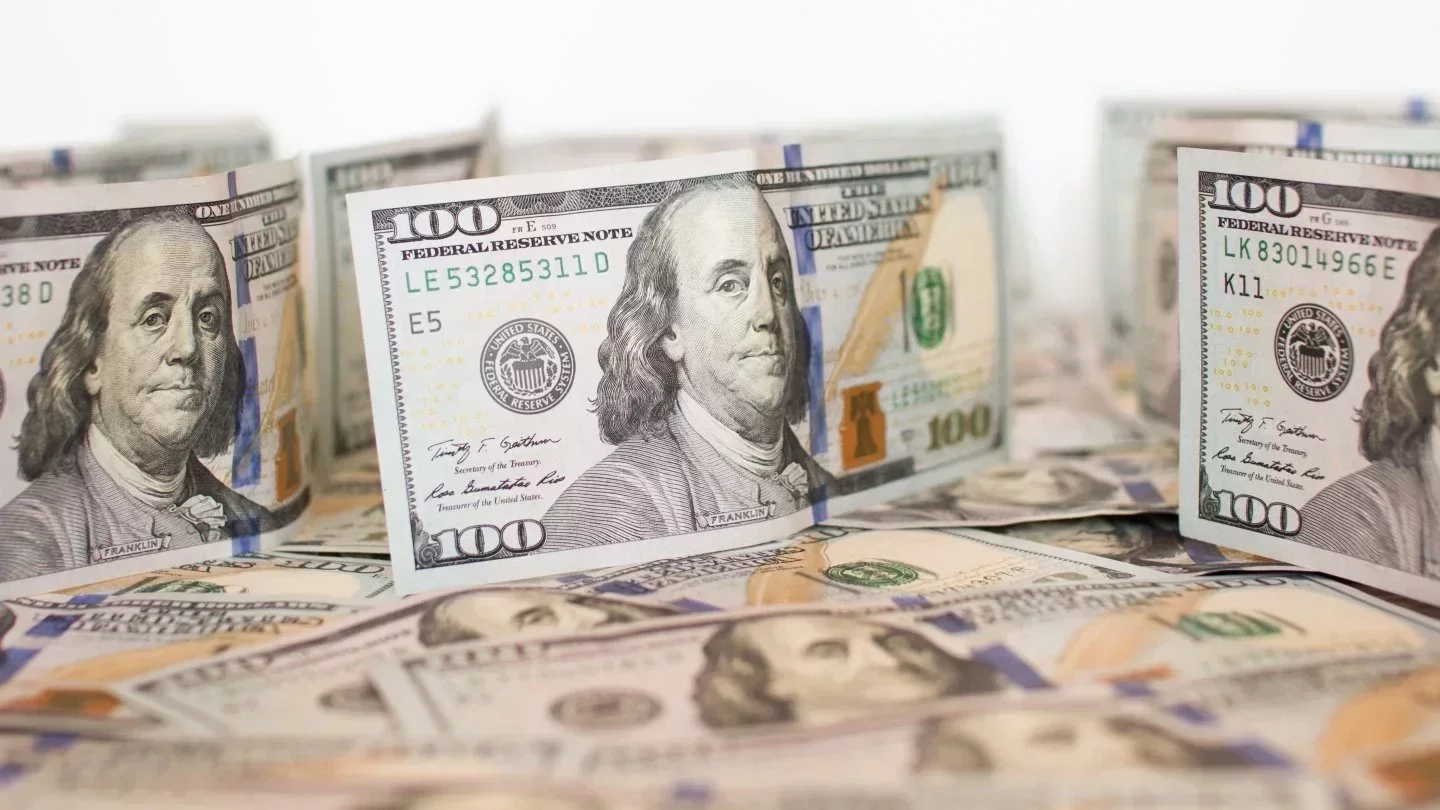 Photo: Elements.envato.com, ill purposes
The dollar has not been this cheap in Kazakhstan for more than half a year, Orda.kz reports.
By the end of trading on December 4, the dollar fell to 500.60 tenge. In one day, the tenge strengthened by 3.03 tenge. According to KASE, the best bid stood at 505.81, and the best offer at 498.25.
Economist Eldar Shamsutdinov notes growing tension in the cash currency market. Several major banks have temporarily stopped issuing cash dollars, and some exchange offices have halted sales. The expert called this a sign of a shortage of cash currency and rising demand from retail customers.
As I said earlier, let retail investors onto the exchange and give them proper access to gold, he wrote on his Telegram channel.
The National Bank explains the strengthening of the tenge as a combination of external and internal factors. The regulator points to stable oil prices above 60 dollars per barrel and a weakening global dollar index. Over the past month, the tenge has strengthened by 9%.
Earlier, Eldar Shamsutdinov said that the ruble is becoming more expensive in Kazakhstan due to a “heterogeneous liquidity crisis.” In October, exchange offices sold far fewer rubles than they bought. Net sales collapsed to minus 32 billion tenge, yet the exchange rate remained high — above 6.6 tenge per ruble.
Kazakhstan depends on Russian goods, so importers buy rubles at any price. As long as there is little non-cash ruble liquidity, the rate will keep rising.
Economists also commented on the link between the exchange rate and prices. Financial analyst Andrey Chebotarev believes that a stronger tenge affects prices only if the exchange rate holds for a long time.
He recalled the “ratchet effect,” where prices rise quickly during shocks but barely fall once the shocks end. A stronger tenge has almost no downward pressure on inflation. For prices to start falling, the rate would need to stay near 500 for at least six months — preferably a full year.
Original Author: Ruslan Loginov
Latest news
- Ministry of Health Reveals Leading Causes of Death Among Kazakhstanis
- Smell of Feces and Flooded Offices: The Conditions KTZ Employees Work In
- “We Are Less Prone to Corruption”: NSDP Members Discuss Women in Power and “Men’s Clubs”
- Auditors Reveal How Officials Diverted Tens of Billions of Tenge in Kostanay Region
- Kazakhstanis Cool on Dollar Despite Favorable Exchange Rate
- EAEU Looks to Speed Up Transportation Using AI
- Astana Resident Who Posted Story About Harassment in Army on Social Media Detained
- National Bank Allows Use of Old 10,000‑Tenge Bills Until 2027
- Parliament Adopts Law on Special Status of City of Alatau
- From Electric to Hybrid: Kazakhstan’s Changing Auto Market
- Kazakhstan Proposes Changes to Structure of Pension Contributions
- Three New Hydroelectric Power Plants to Be Built in Kazakhstan
- Life Up to 77 Years: New Healthcare Strategy Presented in Kazakhstan
- Kinopark Demanded "Entry Fees" for Film Distribution in Kazakhstan
- Could Kazpost Be Closed in Kazakhstan's Villages? Prime Minister Responds to Deputies' Concerns
- Kazakhstan Seeks to Introduce Compulsory Employment for IDPs and Kandas
- Residents of Almaty Demand Return of Baum Grove to Specially Protected Natural Area Status
- A Drone Again? Object Similar to UAV Found in Western Kazakhstan
- Problems of the Caspian Sea and Projects Worth Billions of Dollars – What Bektenov and Mishustin Discussed in Astana
- Senate Ratifies Protocol to Simplify Alimony Collection Abroad
