

South Korea: Will Political Crisis Impact Relations with Central Asia?
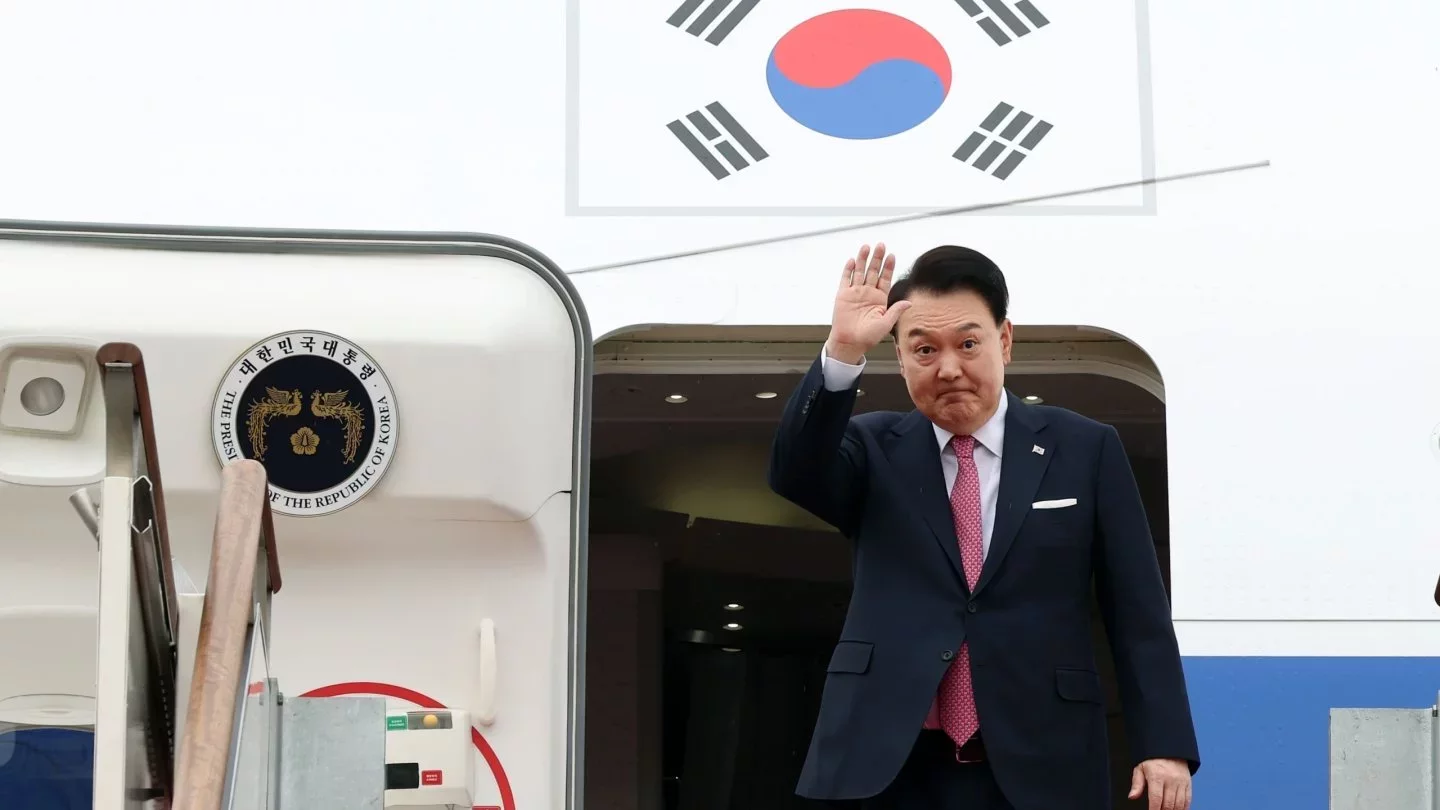 Photo: President of South Korea Press Service
Martial law and impeachment: President Yoon Suk Yeol is in a precarious situation. Could what's unfolding in South Korea affect Seoul's relations with Central Asia?
Orda.kz has looked into the matter.
The day before, South Korean President Yoon Suk Yeol declared martial law, claiming the opposition sympathized with North Korea and engaged in “anti-state” activities. This is a label conservatives apply to their liberal rivals.
However, months of domestic political battles between the South Korean leader and the opposition preceded this decision. Yoon later spoke of his opponents’ recent attempts to impeach key members of his administration and block budget legislation as justification for martial law.
Opposition leader Lee Jae-Myung urged citizens to gather at the National Assembly to defend the Constitution.
So what does this mean for Central Asia?
South Korea and Kazakhstan
Since diplomatic relations between the countries were established more than 30 years ago, several important agreements have been signed, including agreements on investment, energy, IT, construction, and medicine.
Key projects include:
- Participation of South Korean companies in developing Kazakh oil and gas fields.
- Launching joint ventures such as the Hyundai automobile plant in Almaty.
- Investments in the renewable energy sector.
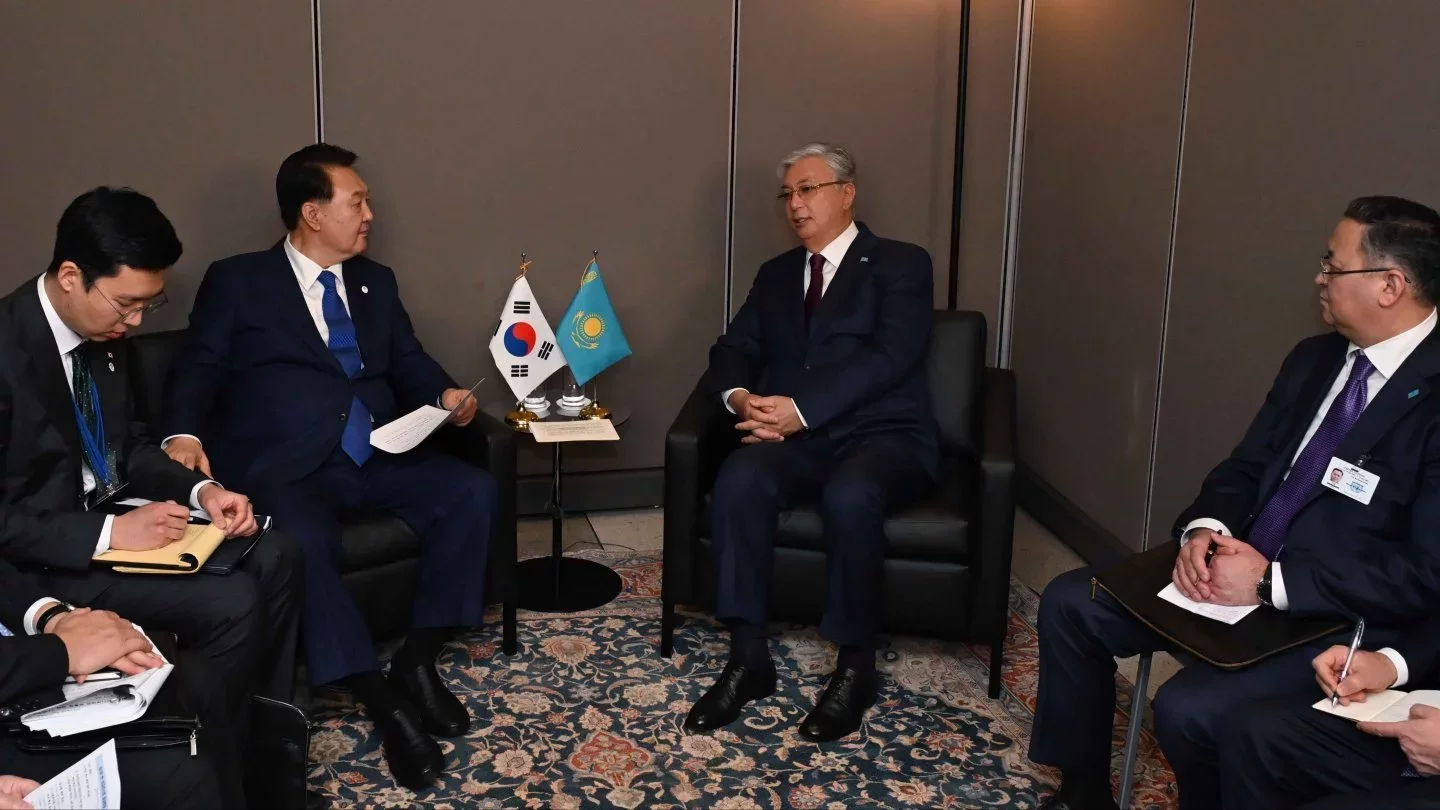
In 2023, an agreement on developing a "green economy " was signed at the Astana Economic Forum.
South Korean companies expressed their willingness to invest in solar and wind energy in Kazakhstan. Work is also underway to introduce IT technologies: Korean firms are participating in digitalizing public services.
Read also: Kazakhstan NPP: Why Did Energy Minister Visit Seoul?
Meanwhile, the Kazakh diaspora of Koreans is approximately 100,000 strong, while more than 30,000 Kazakhs live in Korea.
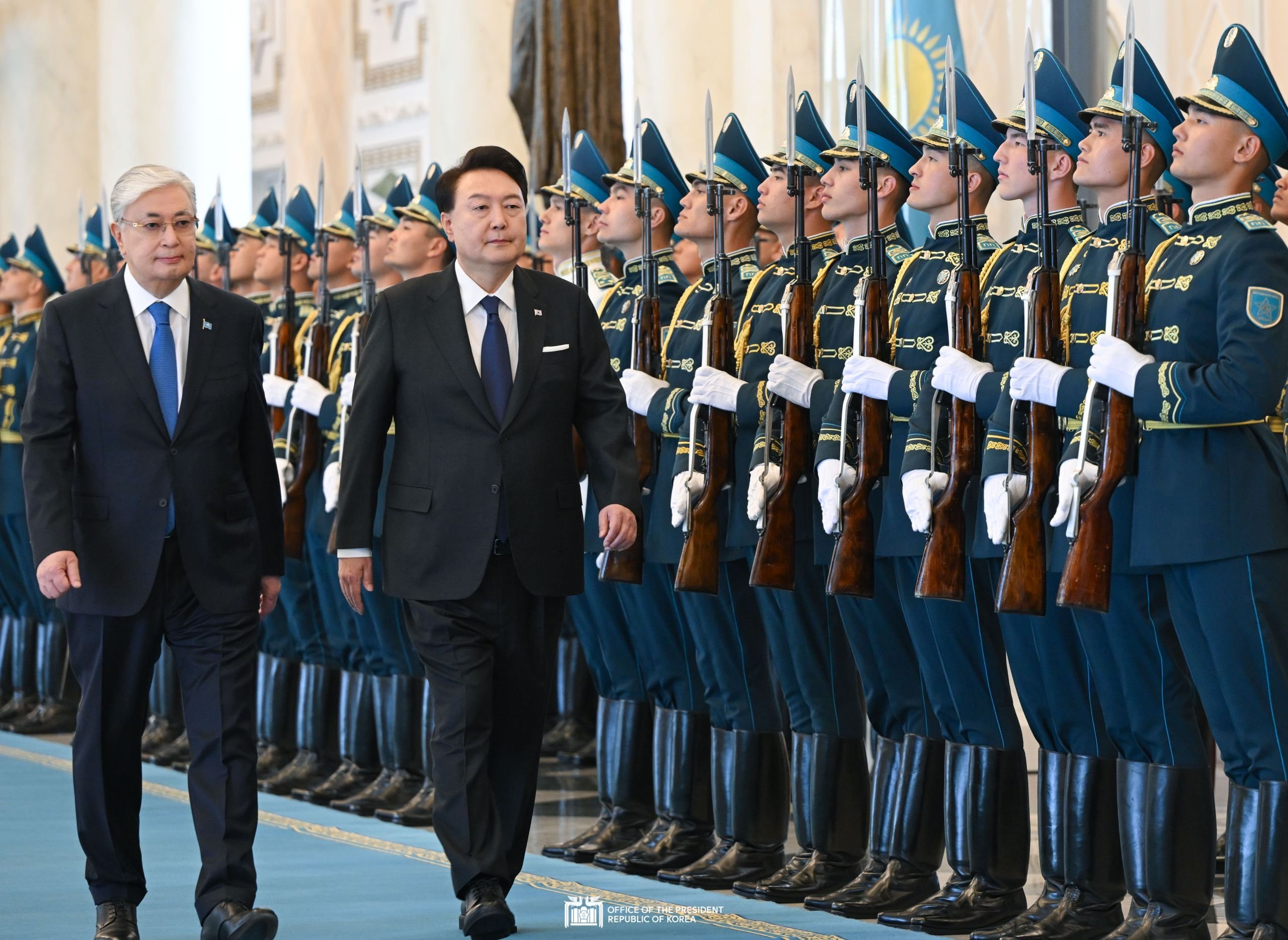
Kazakhstan has maintained its neutrality amid the political crisis.
At the same time, political scientist Anuar Bakhitkhanov believes the situation will not affect relations between the countries, as demonstrated by the growing mutual cooperation.
This will all be settled soon. Most likely, the President (of South Korea) will leave, there will be new elections. And regarding foreign economic contracts and relations with Kazakhstan, as well as with Central Asia in general, everything will be the same. Because there was already a precedent: before the current president there was a change of power, everything remained the same, says Bakhitkhanov.
Central Asia
South Korea is actively developing cooperation with Central Asian countries and seeking to bolster its influence.
In the summer, President Yoon Seok-yeol visited Kazakhstan, Uzbekistan, and Turkmenistan. Recently, Seoul greeted Kyrgyz President Sadyr Japarov with a red carpet and an honor guard.
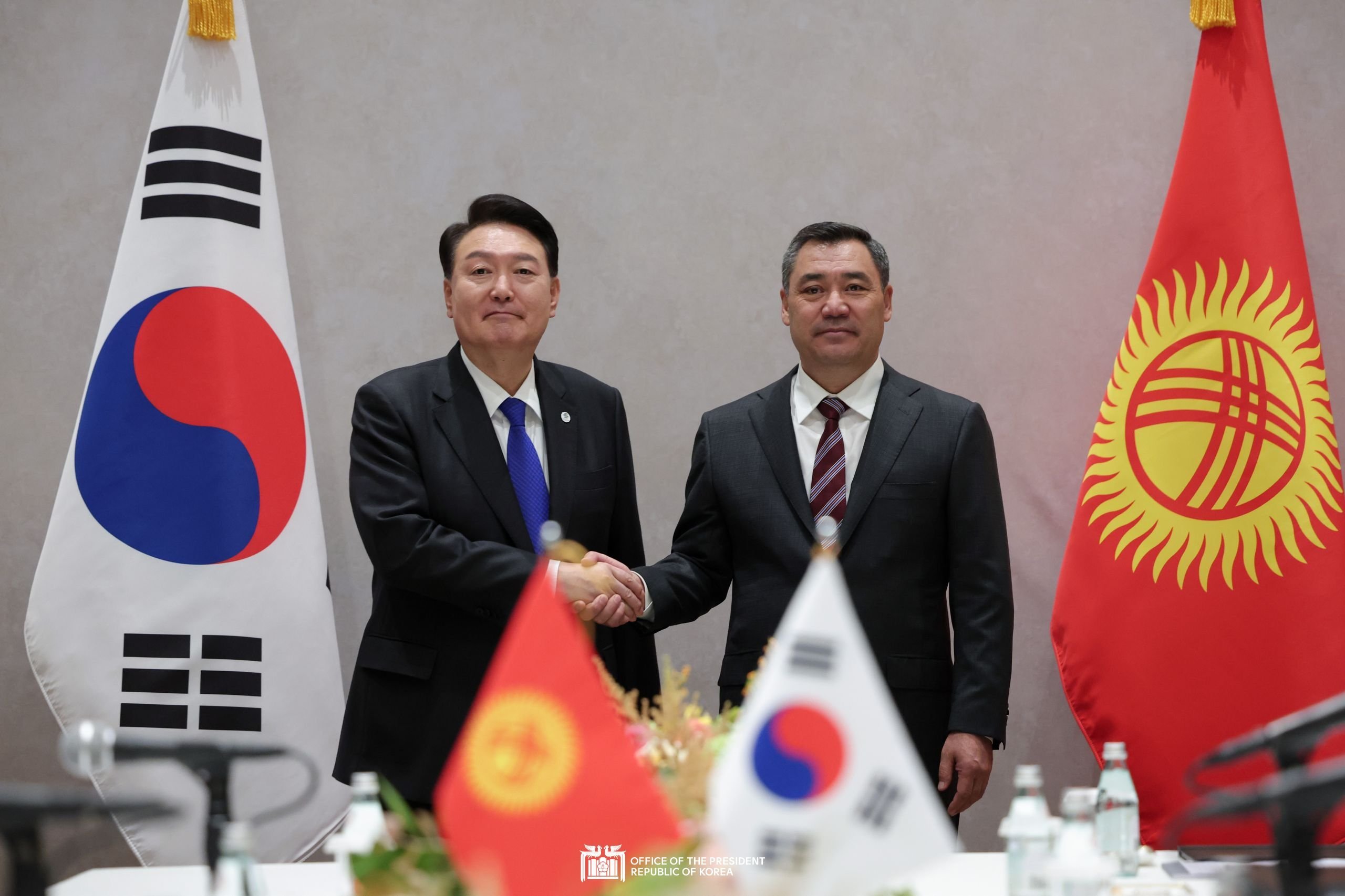
After China began reviving the Great Silk Road and continued expanding its goods into Central Asian countries, the US and South Korea realized that they were losing the region. And here you can really trick our 'partners' into investing and giving them other perks. Sadyr Japarov, as an experienced politician, clearly understands this. As well as the fact that the Koreans don't need our dried apricots, but our gold. The main thing now is not to sell too cheaply, says political scientist Yrysbek Osmonov.
The head of South Korea has declared a strategy for expanding influence in Central Asia called the "Korea-Central Asia K-Silk Road Initiative."
South Korea is particularly interested in gold deposits, such as Chon-Kaindinskoye in the Chui region of Kyrgyzstan. Lifting the ban on the export of gold ore has indeed opened up opportunities for foreign investment.
Consequences
Political scientist Kazbek Beisebayev warns that destabilization in the country would seriously complicate implementing foreign economic plans.
It is unclear what is happening in South Korea. Whether it is an attempt at impeachment and a coup, or something else, but one thing is clear - it is unstable there. Incidentally, something always happens to the Presidents there, with a certain regularity they were found to have some case and overthrown. What is happening in South Korea as a whole destabilizes the situation in the region and is very inopportune for the United States, the main ally of this country, Beisebayev believes.
🚨 South Korean armed military forces enter parliament after the president declared martial law.#SouthKorea 🇰🇷pic.twitter.com/znmFlXUP62
— Record GBA (@RecordGBA) December 3, 2024
Meanwhile, the opposition is demanding the impeachment of the still-incumbent president. State Council members have submitted resignations, and the South Korean Defence Minister, Kim Yong-hyun, has offered to resign.
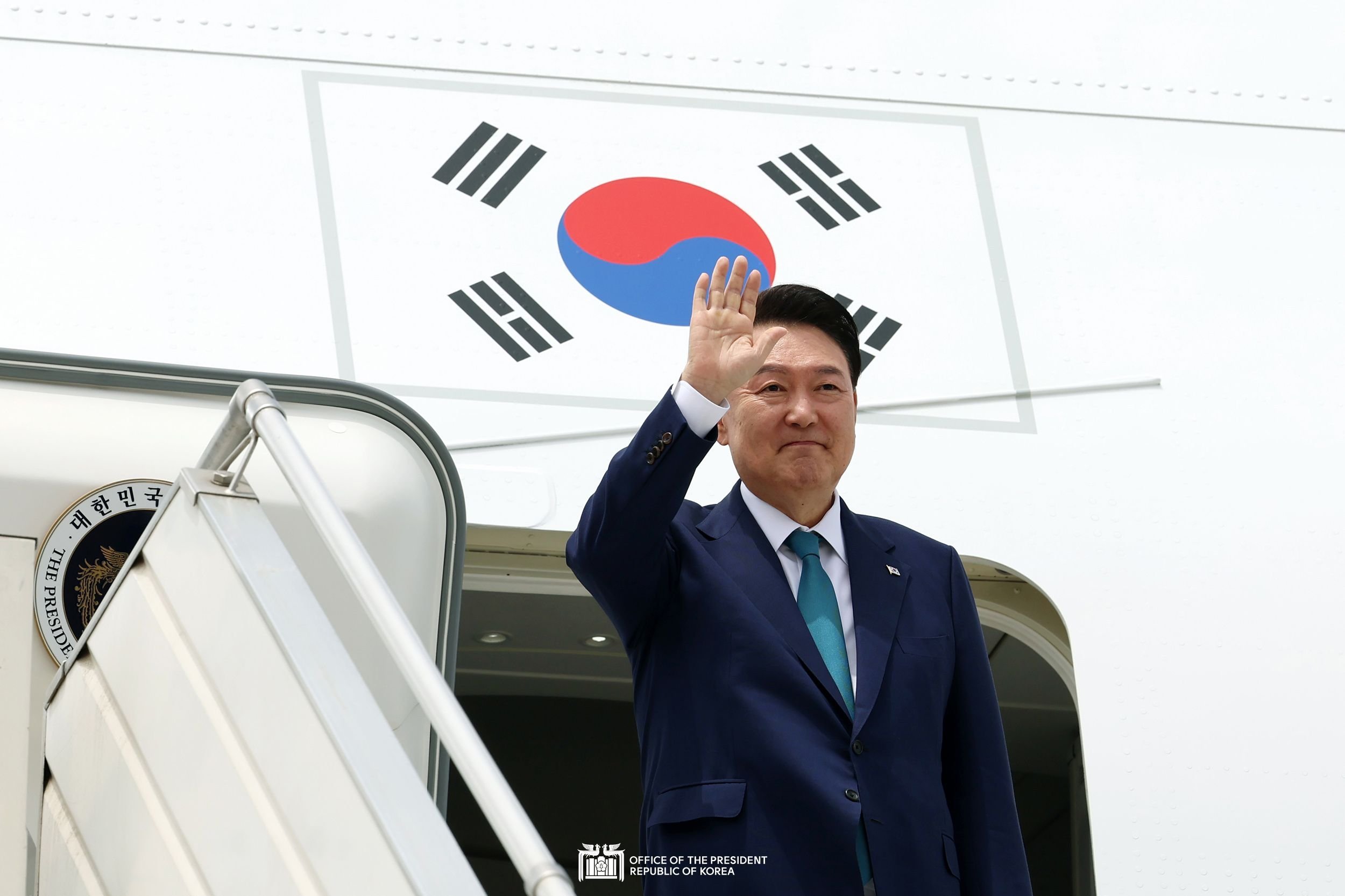
The South Korean President's misstep has caused shockwaves, most likely temporary, but relations with Central Asia will remain stable.
Original Author: Alina Pak
Latest news
- Several Border Checkpoints With China to Close for One Day
- Laser Guidance Systems Begin Testing on Kazakhstan’s Highways
- Kazakhstan Plans Mandatory Labeling for Dietary Supplements and Jewelry
- Chinese Influencer Tao Mingxiu Receives Presidential Award in Kazakhstan
- Kazakhstan Ranks Sixth In the World By Agricultural Land Area
- Uzbekistan Breaks Regional Record In Public Debt Market
- “They Are Not Cattle, You Don’t Vaccinate Them”: Why Zoologists Cannot Save Caspian Seals
- Did The Digital Economy Stumble Over PPP? How The Minister Reacted to the IT Industry’s Problems
- Private Investors to Help Build Juvenile Correctional Facilities in Kazakhstan
- “Like Rotten Eggs”: Residents of Atyrau Again Complain About the Stench in the City
- Digital Passport and Admission Benefits: Kazakhstan Wants to Change Volunteering
- Infected Sunflower Seeds From the U.S. Barred From Entering Kazakhstan
- Almaty Drivers Offered Free Emissions Checks Without Penalties
- Croatia Will Finance Oil Exploration In Aktobe Region
- Half of Kazakhstanis Earn Less Than $1,000 a Month
- Is The Era Of Easy Extraction Over? Resource Development Is Being Rebuilt In Kazakhstan
- How a Kazakhstani Tried to Change His Ethnicity Through the Courts — and What Came of It
- Economist Names Kazakhstan Regions Lagging in Investment Transparency
- 14-Year-Old In Tesla Tries To Flee Police In Astana
- When a Michelin-Recognized Restaurant Will Open in Almaty, Akimat Says
