

SCO Summit in China Brings Together Leaders From Eurasia and Beyond
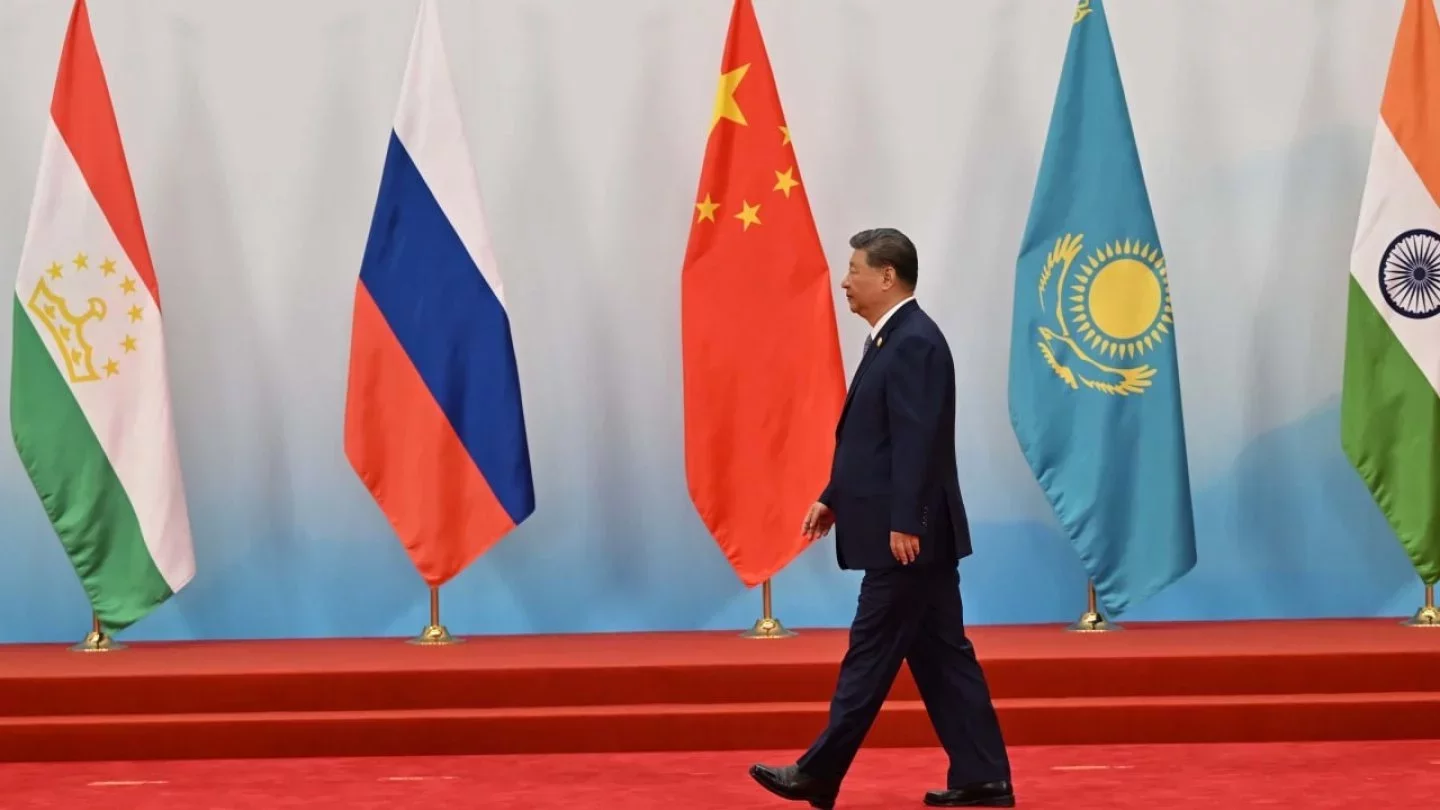 Photo: Aqorda
On September 1, the leaders of 10 SCO member states and more than 20 countries in total, as well as the heads of international organizations, met in the Chinese city of Tianjin.
The Tianjin summit of the Shanghai Cooperation Organization is being held for the 25th time, but this is the first time the event has taken place on such a scale. Over the weekend, official news agencies from various countries began reporting on visits and meetings with Xi Jinping.
Russia
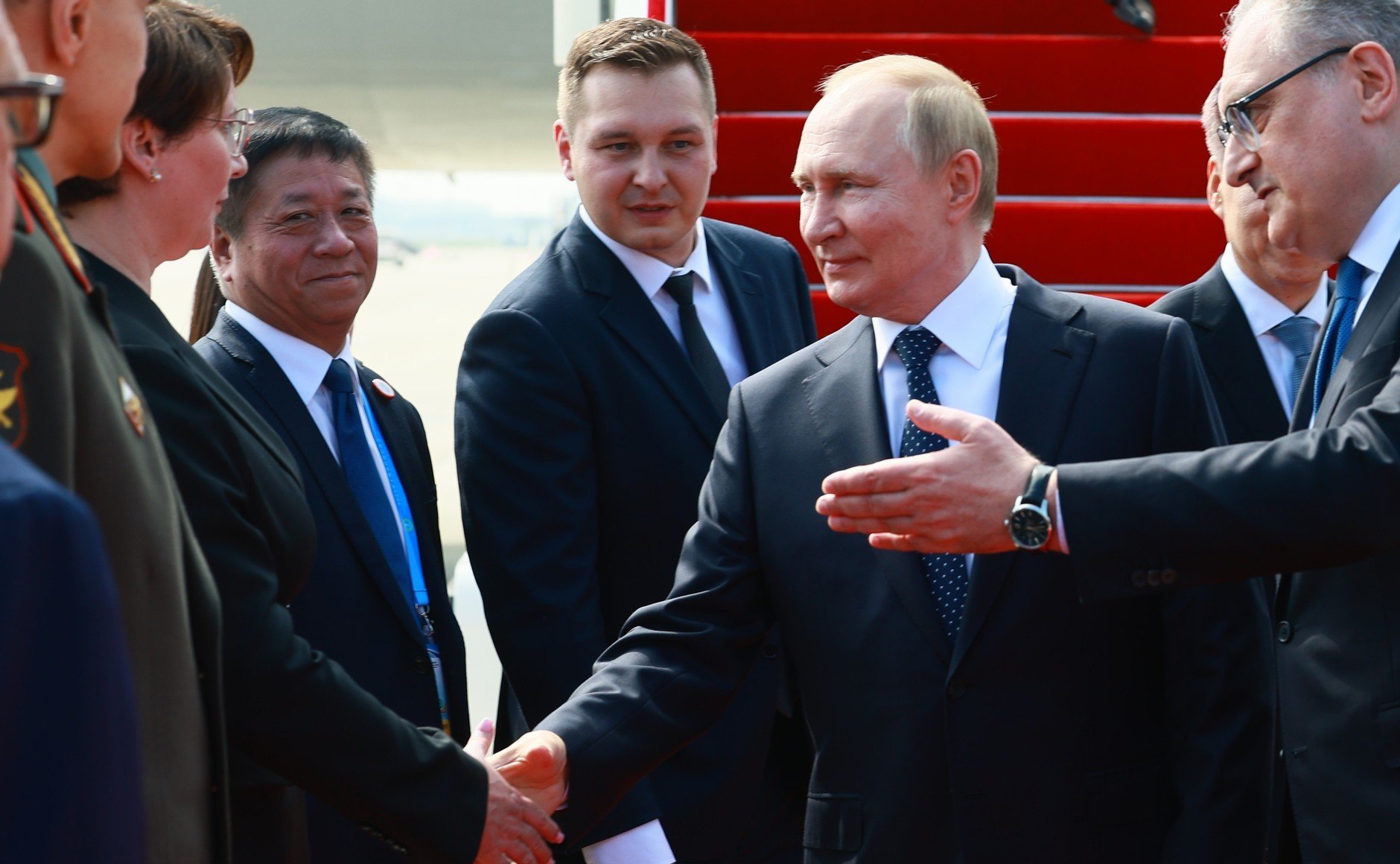
President Vladimir Putin was greeted with a red carpet, and the song Kalinka-Malinka was played in his honor at the SCO summit in Tianjin.
The politician was provided with a presidential Aurus car with Chinese diplomatic license plates.
Putin flew to China for four days, where he will participate in a meeting of the Council of Heads of State of SCO member states and a meeting in the “SCO Plus” format.
In addition, a trilateral meeting of the leaders of Russia, China, and Mongolia was held in Beijing, followed by negotiations between Putin and Xi Jinping. China invited the Russian president to celebrate the 80th anniversary of the victory over militarist Japan and the end of World War II.
At the ceremony in the Meijiang Hall, Chinese President Xi Jinping and his wife Peng Liyuan personally greeted Putin. Many media outlets emphasized the word “personally,” although the same reception — a red carpet at the plane and a greeting by Xi Jinping and his wife — was repeated for each SCO leader.
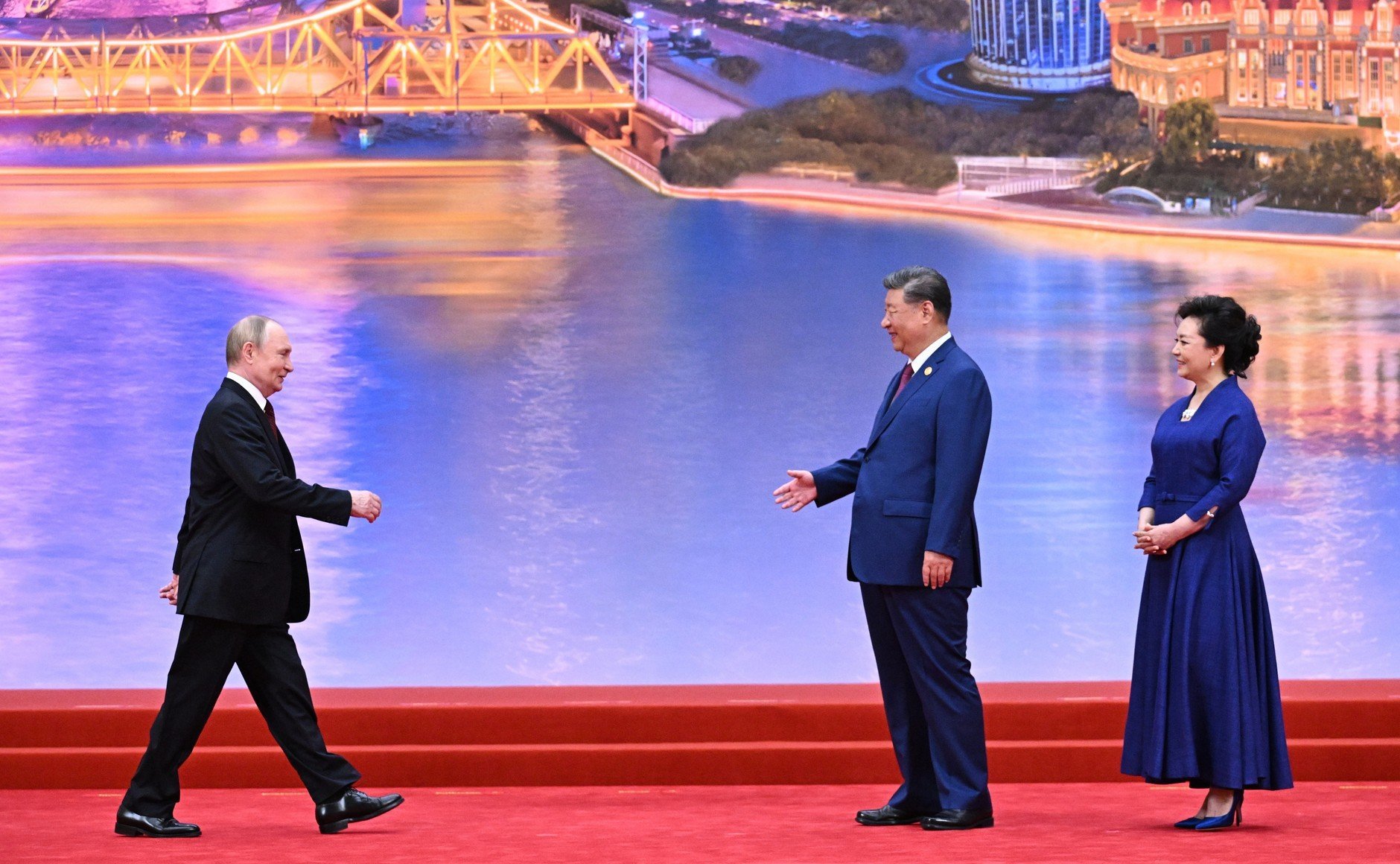
While some analysts and Russian presidential aide Yuri Ushakov claimed that Putin’s reception was special and warm, others noted that he was greeted more modestly than, for example, Ilham Aliyev and other guests.
Among Russia’s main theses were: “a fair multipolar world,” economic development, energy cooperation, education, logistics, and countering extremism. Putin paid special attention to the “Ukrainian crisis,” with historical references and his own interpretation of the causes of the war.
The Russian leader met with Armenian Prime Minister Nikol Pashinyan, Indian Prime Minister Narendra Modi, and Turkish President Recep Tayyip Erdoğan. A meeting with Aliyev has not yet taken place, although it had been expected.
During the reception for guests, Putin managed to speak with Kazakh President Qasym-Jomart Toqayev.
Aliyev — “Dear Friend”
Visually, the difference in receptions of Aliyev and Putin is noticeable.
Incidentally, the two nations have been experiencing deteriorating relations since the December 2024 AZAL Plane Crash.
While Azerbaijan is only a dialogue partner in the SCO, President Ilham Aliyev and First Lady Mehriban Aliyeva were met by Chinese Minister of Industry and Information Technology Li Lecheng.
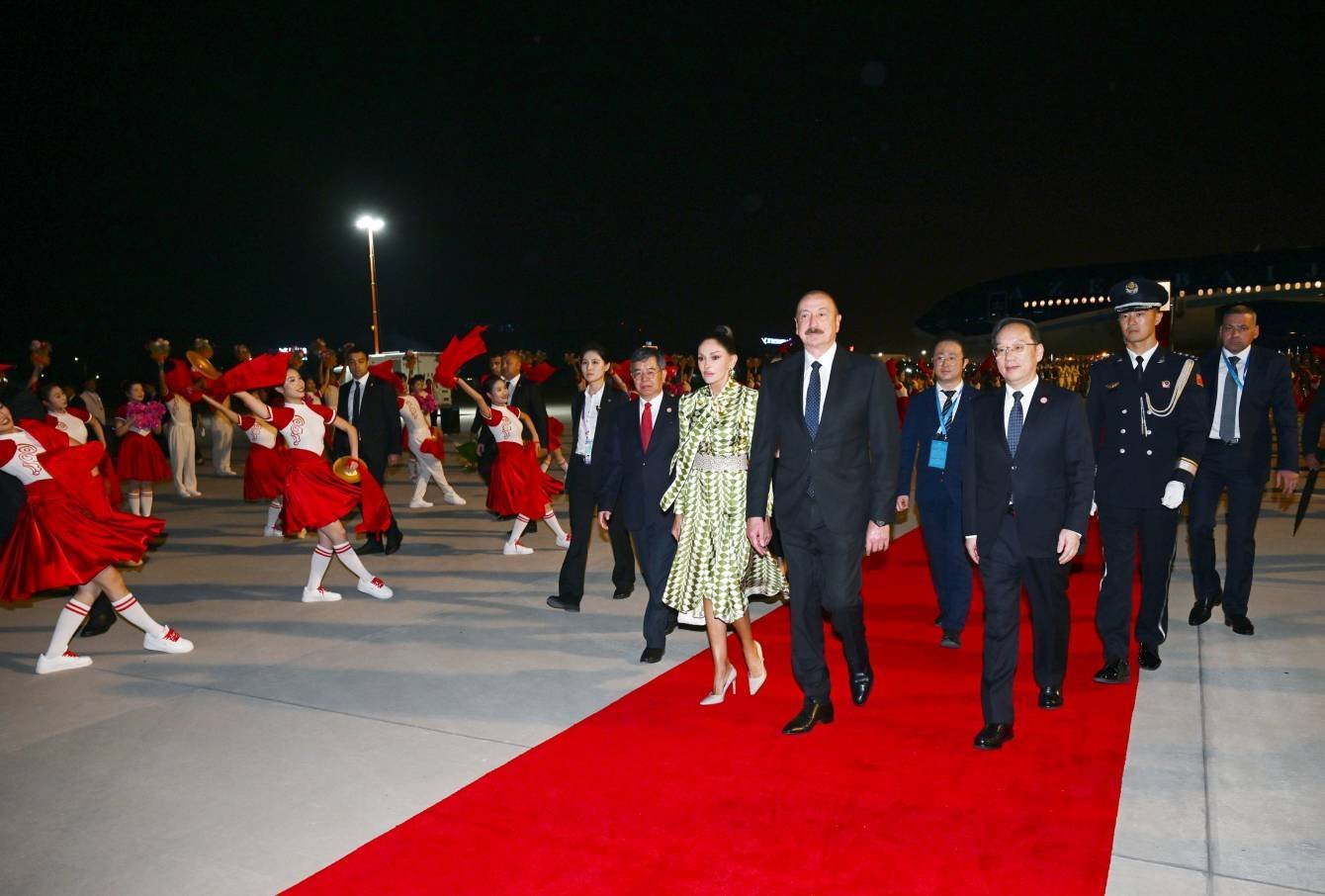
Welcoming President Ilham Aliyev, Chair of the People’s Republic of China Xi Jinping called him a ‘dear friend’ and thanked the head of our state for accepting the invitation to participate in the SCO Plus summit, as well as in the ceremonial events and military parade marking the 80th anniversary of China’s victory over foreign military intervention and fascism, an official statement on the Azerbaijani president’s website said.
Xi Jinping noted the need for dialogue between Azerbaijan and Armenia, stressed Azerbaijan’s sovereignty, and assured that Beijing adheres to the principle of non-interference in the internal affairs of other countries.
Aliyev and Xi emphasized the importance of the Trans-Caspian route and the Belt and Road project.
Tiger Diplomacy
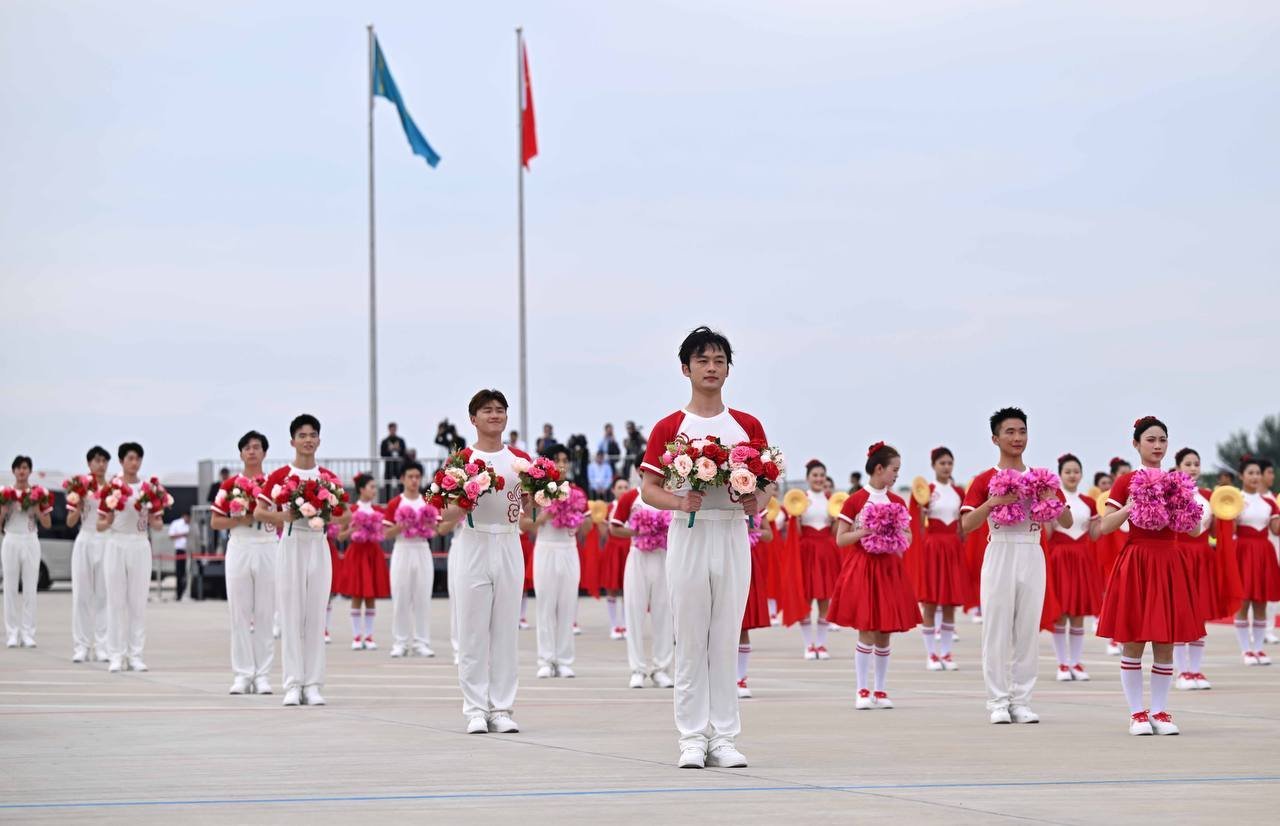
The Kazakh leader was greeted warmly, with dancing and flowers. Xi Jinping stressed that China and Kazakhstan are strategic partners who can trust and rely on each other regardless of the international situation.
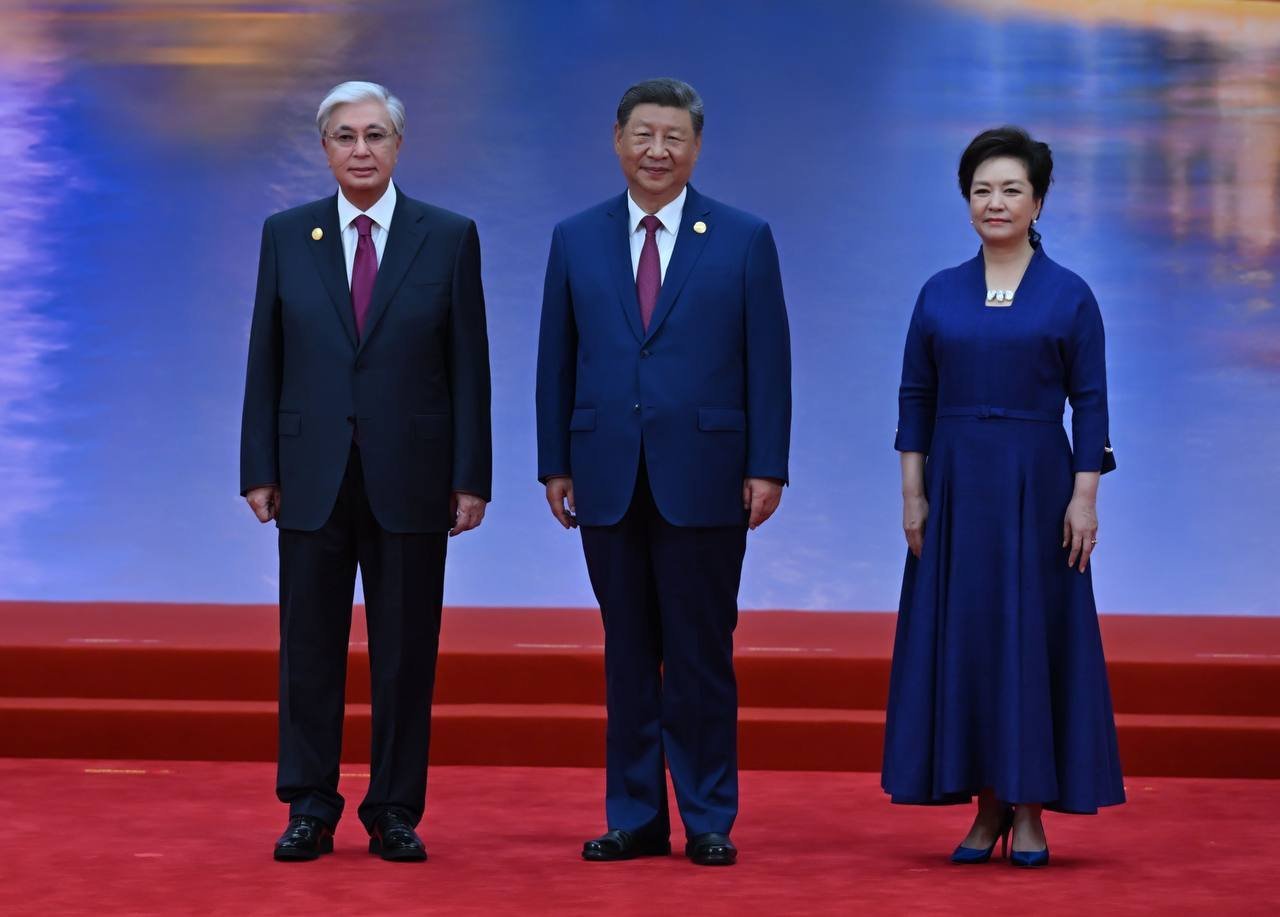
According to Orda.kz’s source, before the start of the summit, Xi Jinping organized a personal reception for only three leaders — Qasym-Jomart Toqayev, Vladimir Putin, and Indian Prime Minister Narendra Modi.
At a long dinner, Xi reportedly addressed Toqayev as a “dear friend.” Talks between the two presidents took place in Kazakh and Chinese.
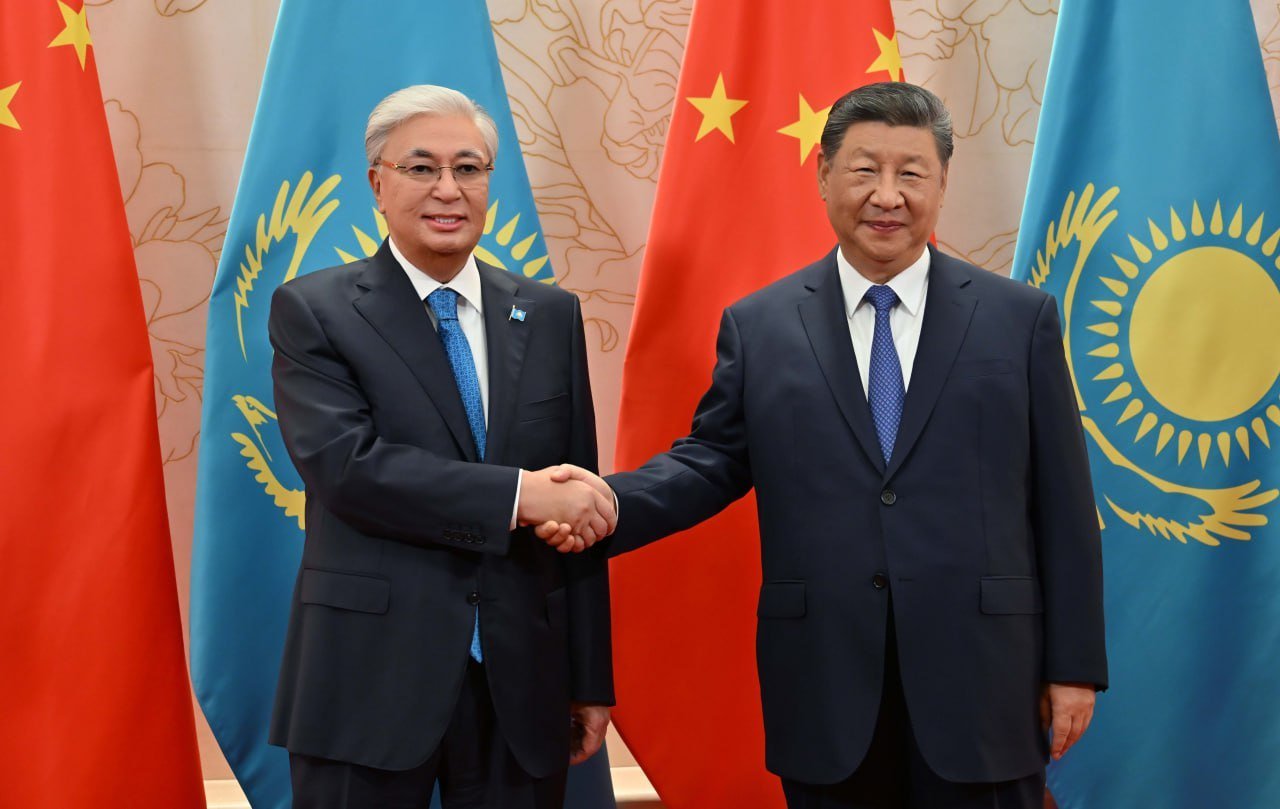
At the summit, the President of Kazakhstan made several important statements. He mentioned Afghanistan and called on the SCO countries to provide humanitarian support.
A day earlier, an earthquake in Afghanistan had claimed hundreds of lives.
Toqayev proposed creating an SCO office on the basis of the Astana International Financial Center. In transport, he highlighted the Belt and Road project, the North–South route, and the new Trans-Siberian Dialogue initiative.
Kyrgyzstan's Japarov
On Kyrgyzstan’s Independence Day, August 31, President Sadyr Japarov arrived in China. He was met by Chinese Minister of Science and Technology Yin Hezhong and other officials.
Japarov and Xi Jinping discussed bilateral cooperation. Xi congratulated Kyrgyzstan on its Independence Day. Japarov invited Xi to make a state visit to Kyrgyzstan in 2026.
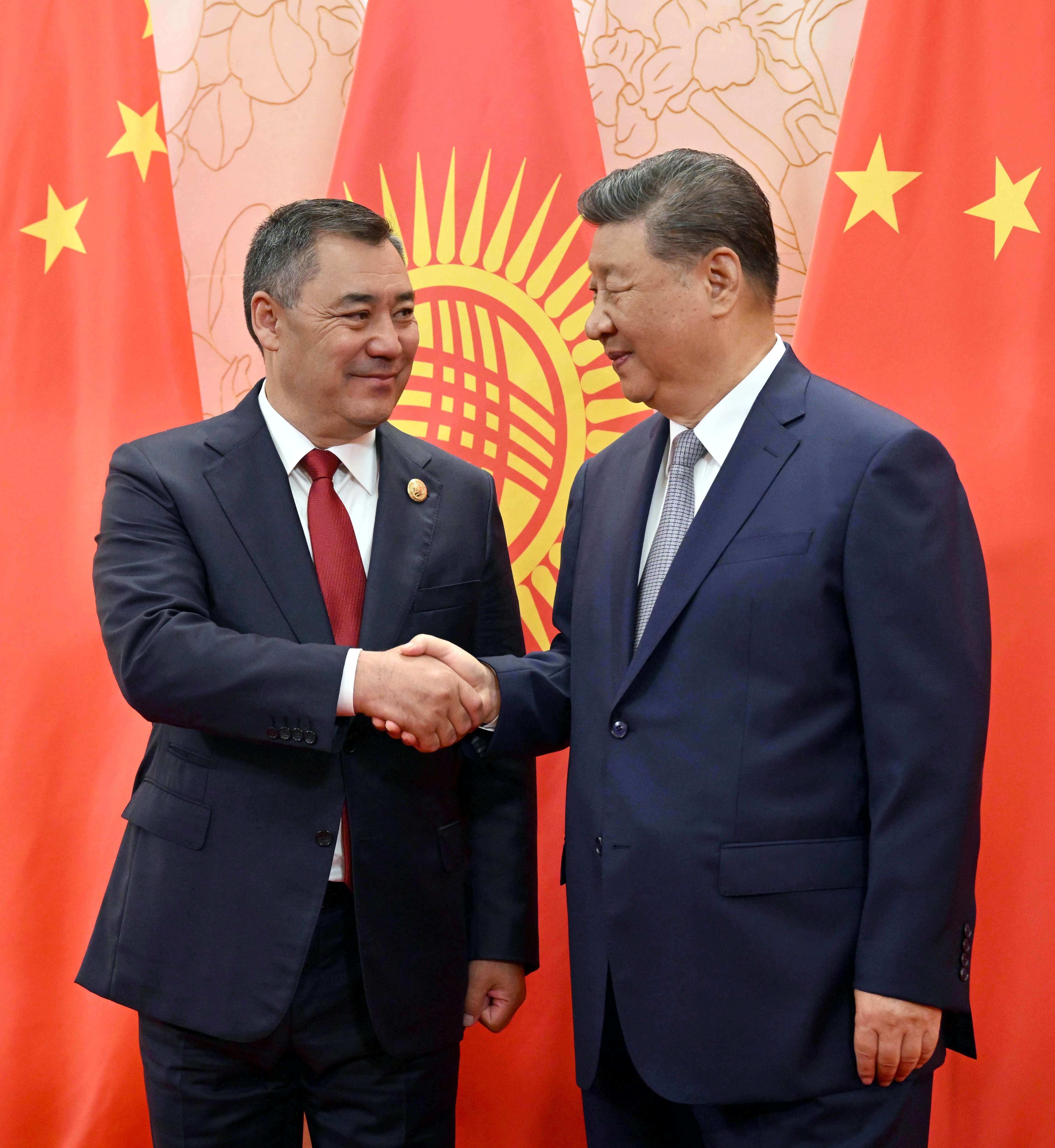
According to the official website of the President of Kyrgyzstan:
The Chair of the PRC expressed his readiness to encourage Chinese companies to implement joint projects, in particular the creation of the Tamchy special financial and investment territory and the Ala-Too Resort tourist complex.
The parties signed several documents. In 2026, Kyrgyzstan will assume the SCO presidency for the fourth time.
India for UN reform
Indian Prime Minister Narendra Modi arrived in Tianjin. He was met by Chinese protocol officials and then personally by Xi Jinping at the Meijiang Convention Center. Modi took part in a photo session and a formal reception, where he was greeted by Xi and Peng Liyuan, along with other leaders.
This was the first visit by an Indian prime minister to China in seven years.
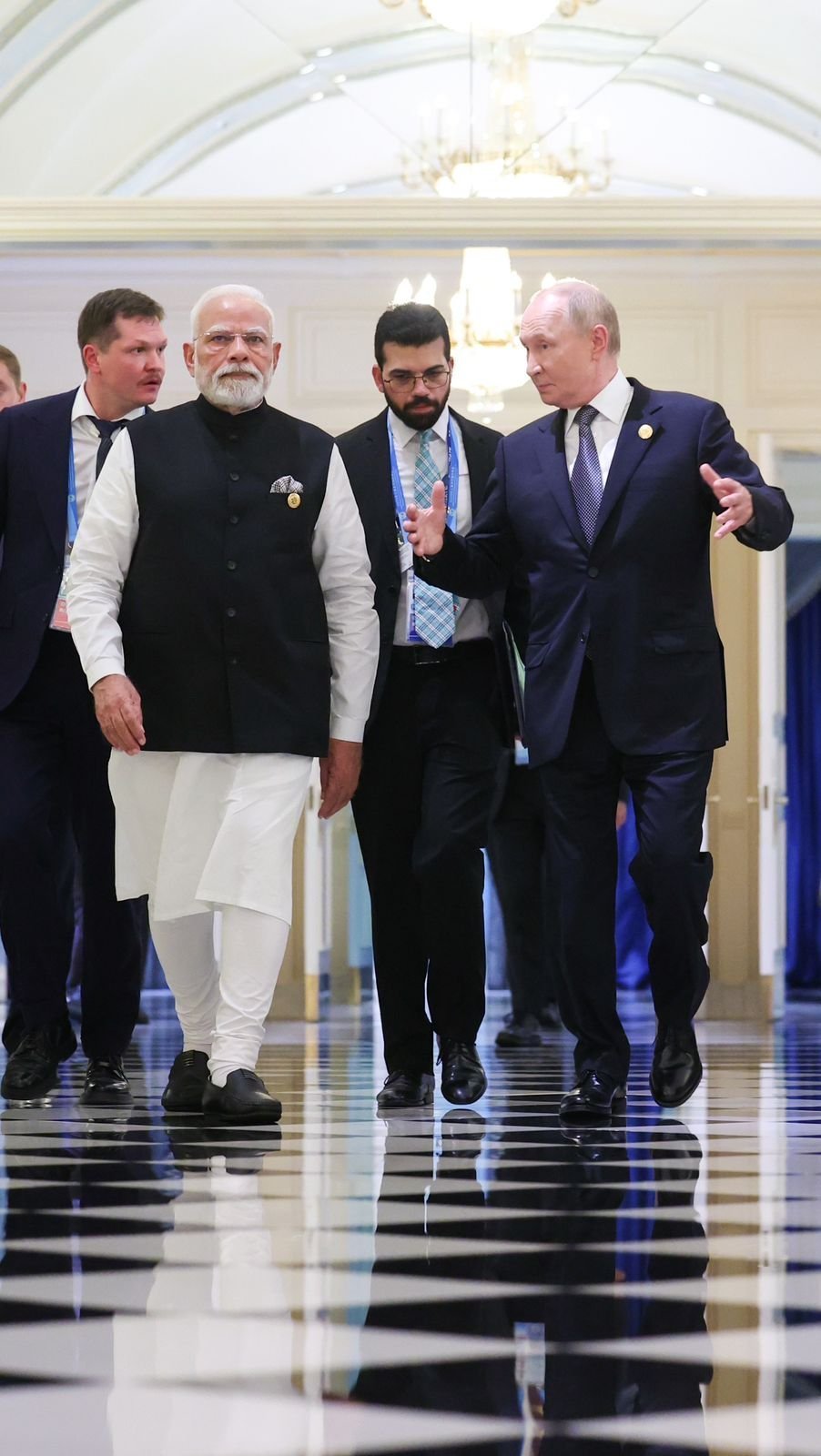
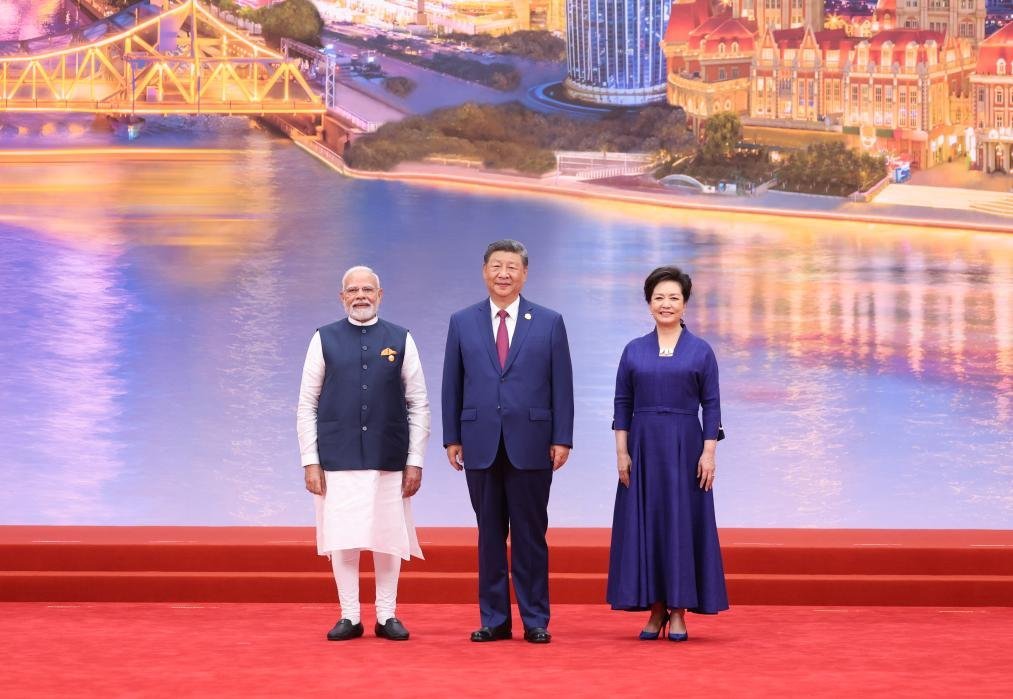
Modi also spoke of the need for UN reform:
SCO members can enhance cooperation to reform international institutions. In honor of the 80th anniversary of the United Nations, we unanimously call for reform of the UN. Confining the aspirations of the Global South to outdated formats is a gross injustice to future generations. We cannot show the colorful dreams of the new generation on the old black-and-white screen. The screen will have to be changed.
Uzbekistan and Tajikistan
Uzbek President Shavkat Mirziyoyev and his wife arrived for the summit on September 1, the same day Uzbekistan celebrated Independence Day. In his speech, Mirziyoyev focused on practical integration: expanding trade and industry, developing transport corridors, and creating industrial centers.
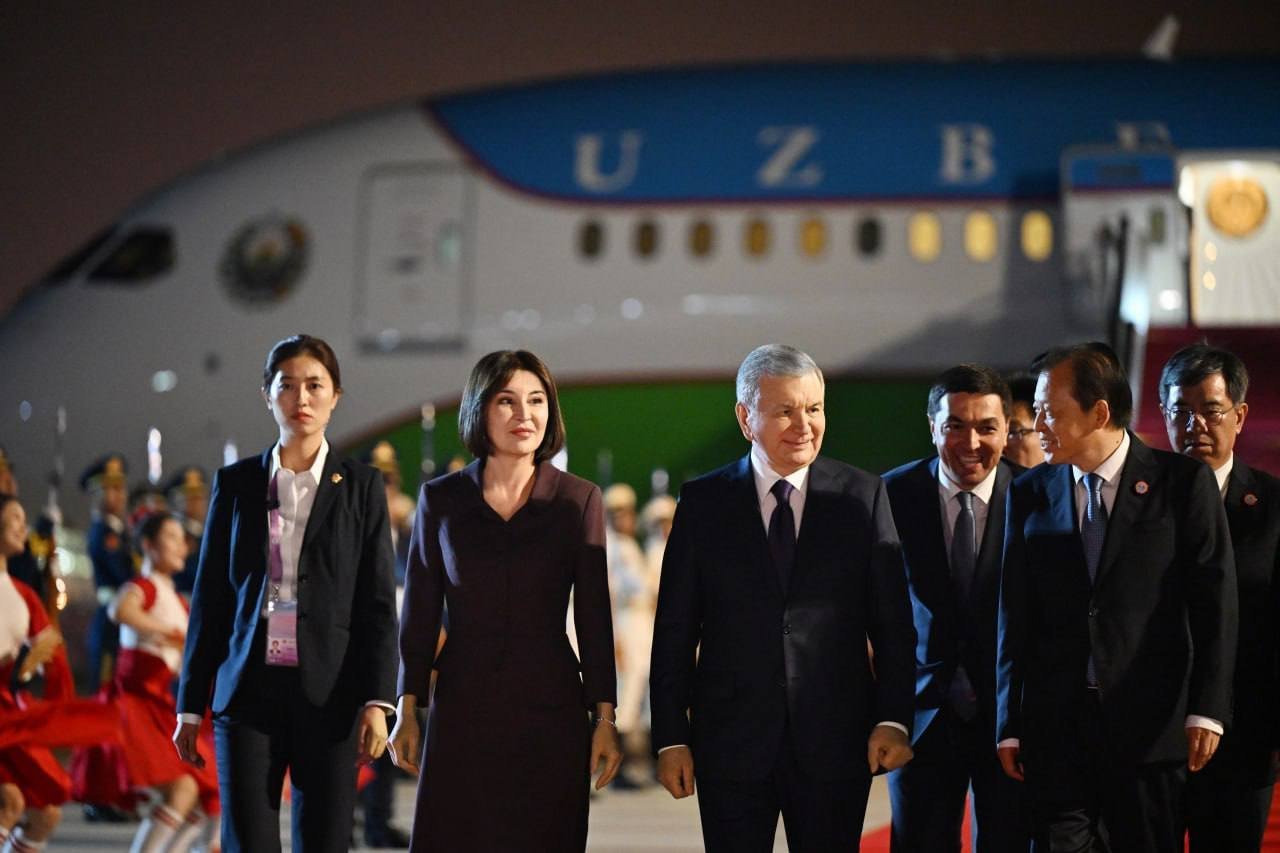
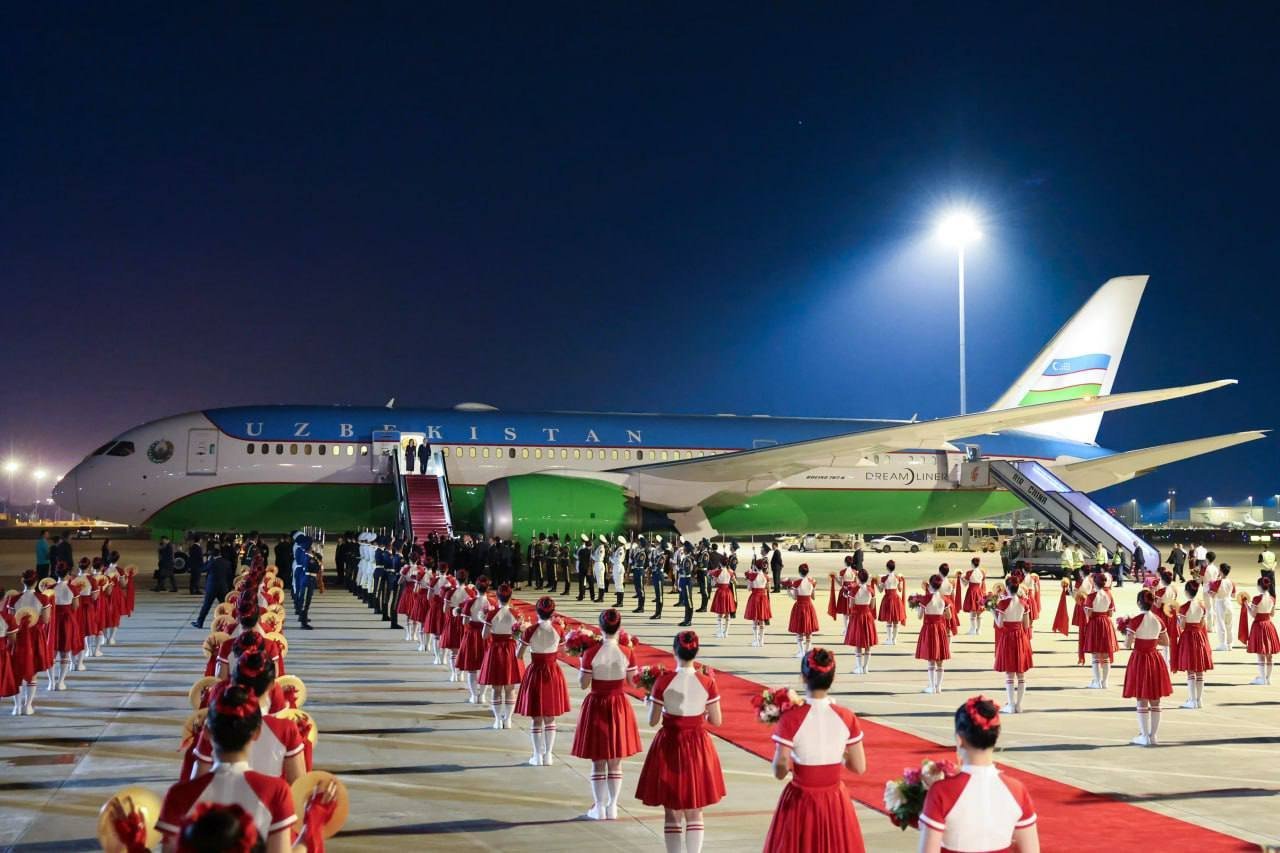
He emphasized digital and environmental projects and reminded participants that Central Asia is the “geographic core of the SCO,” on which the organization’s effectiveness depends.
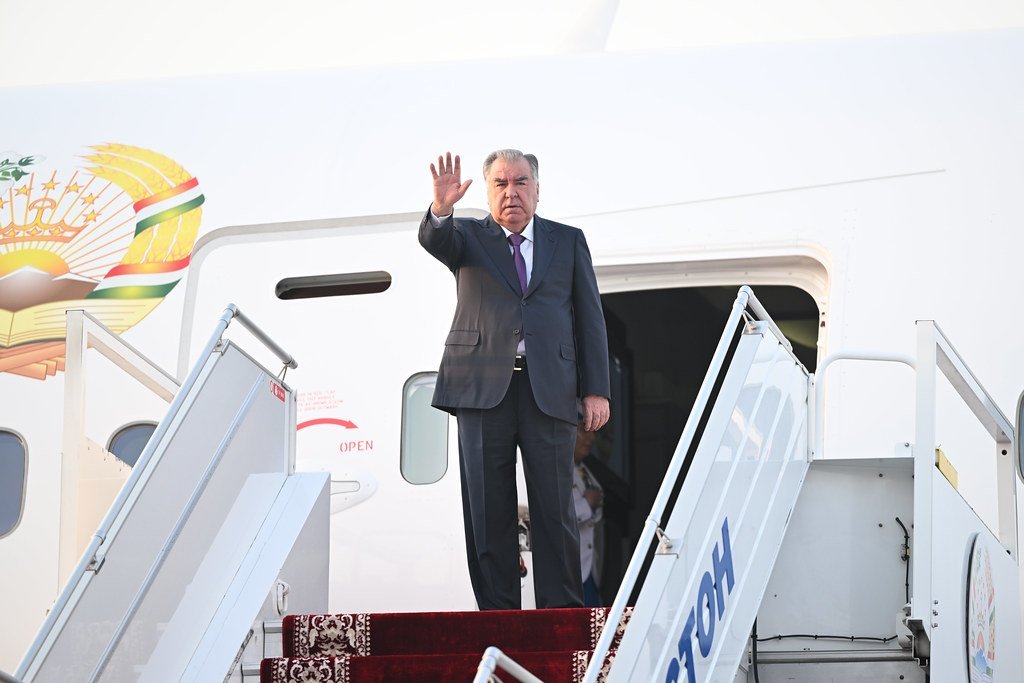
Tajik President Emomali Rahmon called the SCO a “successful and influential organization” that delivers results.
He suggested focusing on security, water diplomacy, sustainable development, tourism, and investment. Tajikistan invited partners to youth and cultural forums in 2026.
Iran
Iran confirmed its transition from observer status to full SCO membership. President Masoud Pezeshkian held talks with China and Russia.
At the summit, Pezeshkian and Xi signed more than 20 documents, including agreements on a security threat response center, an anti-drug center, a development strategy until 2035, initiatives on artificial intelligence, green energy, and scientific cooperation.
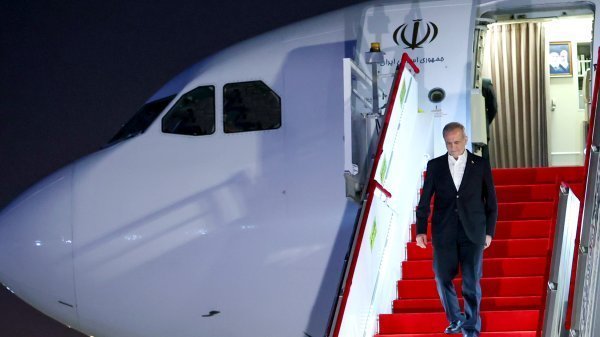
Iran called the SCO development strategy a “historic opportunity” to deepen integration in infrastructure, technology, energy, the digital economy, culture, and climate.
Pezeshkian said Tehran intends to resolve complex issues, including the nuclear issue, through dialogue and cooperation. He called on international organizations, especially the UN, to take a stronger stance on Israel’s actions in the region.
According to Pezeshkian, Israel unleashed war against the Iranian nation. He thanked UN Secretary-General Guterres for condemning Israel’s actions in Gaza and insisted that the international community must give them a clear assessment.
The Iranian leader recalled that Iran has repeatedly been the victim of Israeli attacks, including during indirect talks with the United States. He stressed that many Iranian politicians and military personnel have been killed in terrorist attacks, and Israel justifies the killings as “self-defense.”
He expressed particular dissatisfaction with the IAEA and its head, Rafael Grossi: despite regular inspections of Iranian facilities, the agency has not condemned Israeli strikes on Iran’s “peaceful nuclear infrastructure.” He called this inaction a violation of international norms.
Pakistan
Pakistan was represented by Prime Minister Shehbaz Sharif, who arrived on August 30 and participated in the opening ceremonies and plenary sessions. In his speech, Sharif emphasized regional connectivity and expanding China’s Belt and Road Initiative.
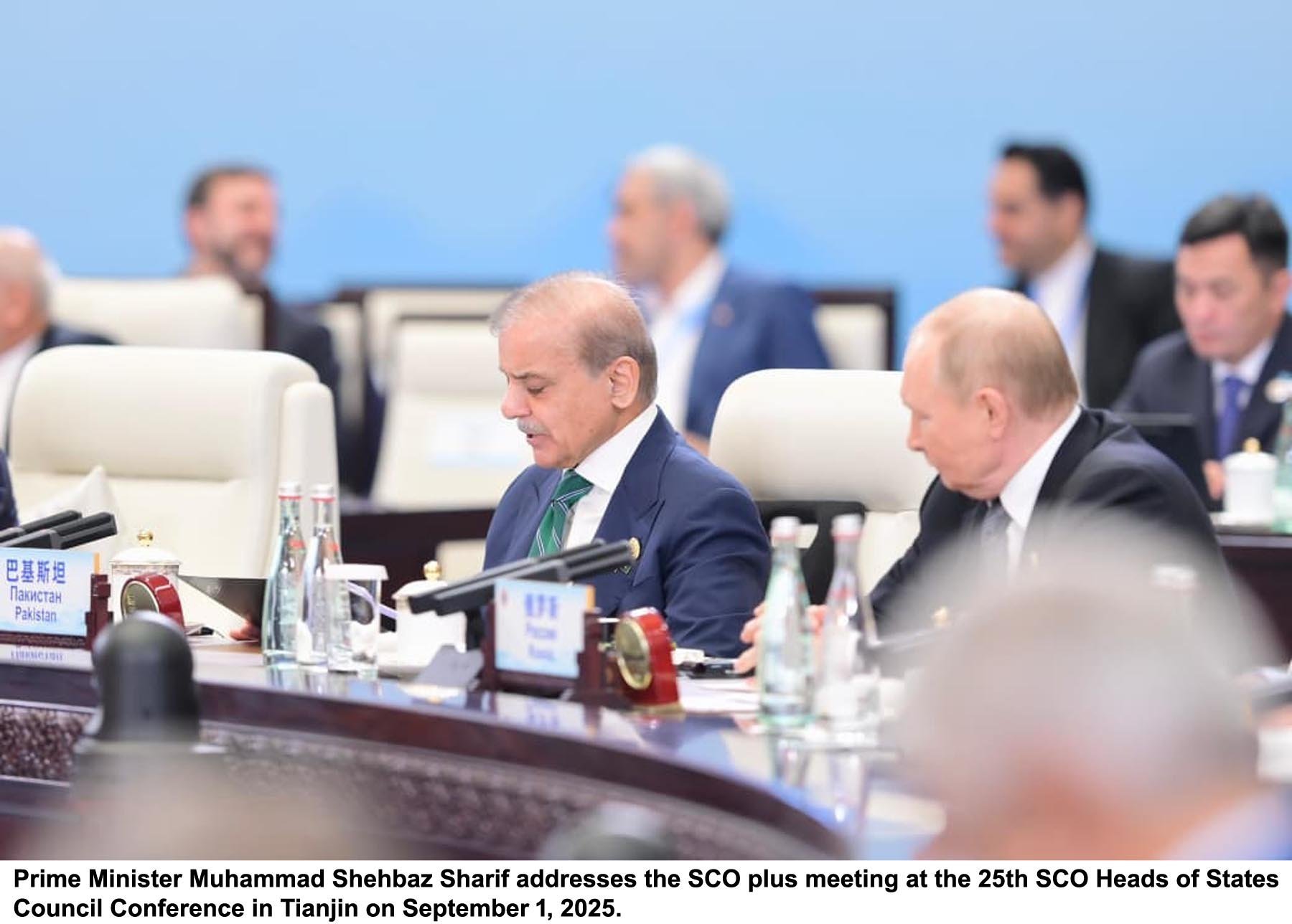
He said the SCO should focus on fighting poverty, climate change, and terrorism “without double standards.” The final declaration, supported by Pakistan, specifically condemned the terrorist attack in Pahalgam, India, calling for accountability not only for the perpetrators but also for their sponsors.
On the sidelines of the summit, Sharif met with Putin, Erdoğan, and Chinese leaders. His visit drew attention after a video of Modi and Putin walking past him went viral.
Belarus
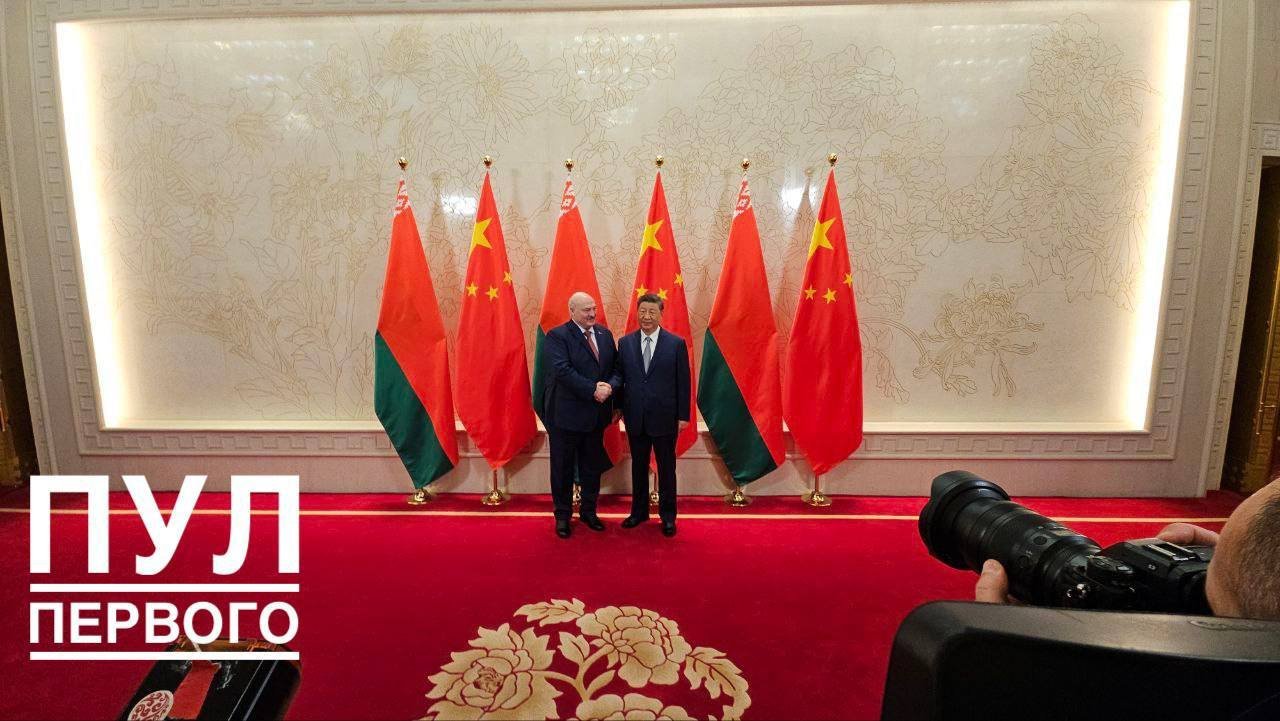
Belarus has recently become a member of the SCO. President Alexander Lukashenko expressed admiration for the “wise Chinese at work” at the Tianjin meeting.
The day before, on August 31, Lukashenko celebrated his birthday.
Belarus, Iran, Pakistan, and India joined the SCO later, in what many foreign media outlets described as an attempt to expand the organization’s influence. But the value of their membership remains debated: Iran and Belarus face sanctions and criticism over human rights, while Pakistan relies heavily on China for support.
The Associated Press described the 25th SCO meeting as “a challenge to America’s global leadership,” but noted the vague goals and low visibility of the organization.
The outlet mentions proposals such as issuing joint bonds, creating payment and depository infrastructure, and establishing a joint investment bank.
Original Author: Alexandra Mokhireva
Latest news
- The War in Iran Opens a Window of Opportunity for Kazakhstan’s Oil Sector, Analysts Say
- Iran Conflict Escalates Beyond the Gulf: What Kazakh Experts Say About Risks for Central Asia and Kazakhstan
- Kazakhstan Prepares Possible Evacuation of Its Citizens From Iran
- LRT in Astana Is Reaching the Finish Line: The Launch Is Expected in the Coming Months
- Kazakhstan Ready to Help the UAE Amid Escalation in the Region
- Tokayev Discusses Middle East Escalation With Qatar’s Emir
- Airlines Ready to Bring Kazakhstanis Home From the Middle East
- Tokayev Sends Support Messages to Gulf Leaders Amid Regional Escalation
- Kazakhstan Bans Its Airlines From Flying Over Several Middle East Countries
- Astana Strengthens Security Measures Amid Escalation Around Iran
- Tokayev Meets U.S. Ambassador Stufft, Discusses Board of Peace Cooperation
- Mangystau Launches AI-Assisted School Monitoring to Prevent Teen Suicidal Behavior
- Kazakhstan to Supply UK With Critical Minerals
- AI Faculties for Educators to Open in Kazakhstan: What Other Changes Are Coming to the Education Sector
- There Are Medals — But Not Enough Ice: What’s Happening to Figure Skating in Kazakhstan
- Is Kazakhstan’s Nuclear Power Plant Project at Risk After New UK Sanctions? Rosatom Responds
- Prosecutor General’s Office Suspends Extradition of Navalny Ex-Staffer Detained in Almaty
- Former EBRD Executive Jürgen Rigterink Elected as New Independent Director on Bank RBK’s Board of Directors
- Kazakhstan Near Bottom of Retirement Comfort Ranking
- Kazakhstan to Open New International Flights Across Asia, the Middle East and Europe
