

SAC Audit Reveals Shortcomings in Kazakhstan’s Electric Power Sector
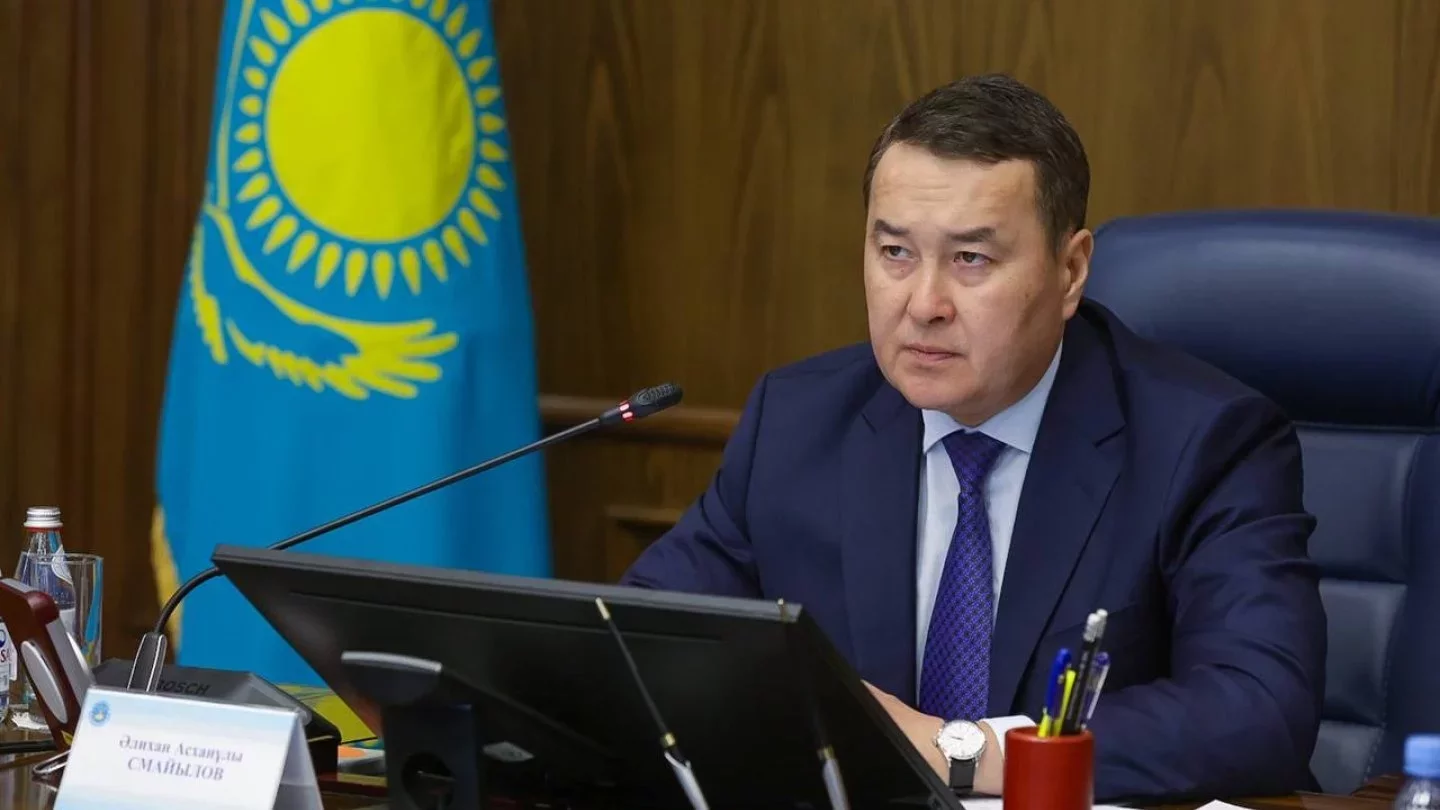 Photo: SAC
In Kazakhstan, they inspected how the state policy in the electric power industry operates, Orda.kz reports.
The audit covered the Ministry of Energy, Samruk-Energo, KEGOC, KOREM, RFC, and other industry companies.
The results were alarming — uncontrolled costs, inflated tariffs, wear and tear of networks — and all this against the backdrop of an electricity shortage.
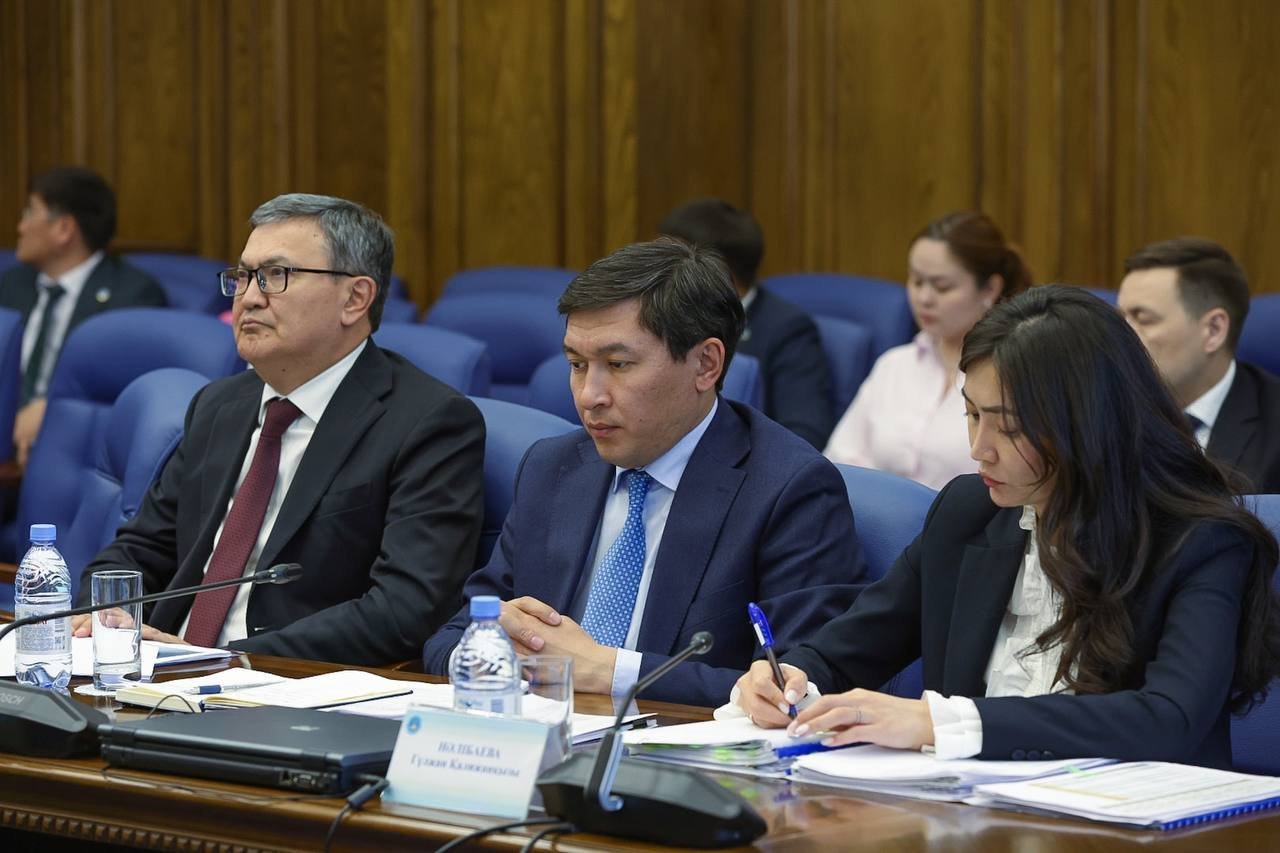
The problems revealed were voiced at a meeting of the Supreme Audit Chamber.
As established by the Supreme Audit Chamber, the wear and tear of generating capacities reaches 55%, and of power grids, 76%. Most of the stations have been operating since Soviet times, their productivity is falling, and the risks of accidents are only growing.
At the same time, the demand for electricity continues to grow.
Generation and consumption by regions of the country are not balanced. Most of the capacity is in the north, and a quarter of all consumption is in the south. Only Pavlodar, East Kazakhstan, and North Kazakhstan regions are recognized as self-sufficient.
Plans for modernization and transparency of tariff policy, approved earlier, have not been fulfilled. The sphere continues to depend on imported equipment. According to auditors, the Ministry of Energy does not control the costs of production and sale of electricity, which is why maximum tariffs are approved without proper justification.
The balancing market, where energy is traded in real time, also raises questions. Its rates are calculated using formulas that allow for a subjective approach. This led to an overpricing of 34.7 billion tenge, with the costs falling on consumers. Trading on this market is conducted through software that has not been tested for cybersecurity.
The system has become a convenient platform for uncontrolled operations. In 2024, 18 providers purchased 13.7 billion kWh of electricity from 187 organizations — more than 200 billion tenge — bypassing official operators. At the same time, miners purchased 901 million kWh for more than 13 billion tenge, also bypassing the Single Purchaser.
First of all, the Ministry of Energy should monitor production volumes, consumption, and actual tariffs. Now it turns out that miners consume, according to audit data, up to 1 billion kilowatt-hours of electricity purchased bypassing the Single Purchaser. How can we allow uncontrolled energy consumption by miners in conditions of its shortage?
said the SAC Chair, Alikhan Smailov.
Representatives of the Ministry of Energy responded that licensing and the procedure for miners' work have already been worked out.
Still, Smailov emphasized:
Licensing is one thing. But they buy energy through providers at unregulated prices. And these costs fall on all consumers. The problem is gaining momentum. There are more and more balance providers. It is profitable to make money out of thin air at the expense of the entire people. It turns out that you allow this. You allow this trend and do not implement effective control mechanisms.
The audit also revealed an overstatement of the cost of equipment supplied by KEGOC — contractors sold it at 2–3 times the market price, with a total loss of 2.2 billion tenge.
Over 10 years, Samruk-Energo has implemented only four projects, and expenses on suspended construction projects amounted to 199 billion tenge, including 102 billion for the Balkhash TPP and 61.2 billion for the Yekibastuz GRES-2 power unit.
Overall, the audit recorded financial violations of 66 million tenge, ineffective budget planning of 9.5 billion, and misuse of funds and assets of 104.7 billion tenge. A total of 72 procedural and 35 systemic violations were identified.
Original Author: Artyom Volkov
Latest news
- Nazarbayev-Linked Villa in Spain Agrees to Fund New Coastal Path
- Why Kazakhstan Is Restricting Foreign Goods in Public Procurement
- Kazakhstan Has the Lowest Level of Dependence on China in Central Asia
- Noise, Construction and Cameras: What Astana Residents Are Saying About the LRT Tests
- Marshrutka vs. Shuttle: Why Kazakhstan Is Reinventing the Main Public Transport of the 1990s
- Several Border Checkpoints With China to Close for One Day
- Laser Guidance Systems Begin Testing on Kazakhstan’s Highways
- Kazakhstan Plans Mandatory Labeling for Dietary Supplements and Jewelry
- Chinese Influencer Tao Mingxiu Receives Presidential Award in Kazakhstan
- Kazakhstan Ranks Sixth In the World By Agricultural Land Area
- Uzbekistan Breaks Regional Record In Public Debt Market
- “They Are Not Cattle, You Don’t Vaccinate Them”: Why Zoologists Cannot Save Caspian Seals
- Did The Digital Economy Stumble Over PPP? How The Minister Reacted to the IT Industry’s Problems
- Private Investors to Help Build Juvenile Correctional Facilities in Kazakhstan
- “Like Rotten Eggs”: Residents of Atyrau Again Complain About the Stench in the City
- Digital Passport and Admission Benefits: Kazakhstan Wants to Change Volunteering
- Infected Sunflower Seeds From the U.S. Barred From Entering Kazakhstan
- Almaty Drivers Offered Free Emissions Checks Without Penalties
- Croatia Will Finance Oil Exploration In Aktobe Region
- Half of Kazakhstanis Earn Less Than $1,000 a Month
