

OPEC: Kazakhstan Caught in Oil Market Turbulence
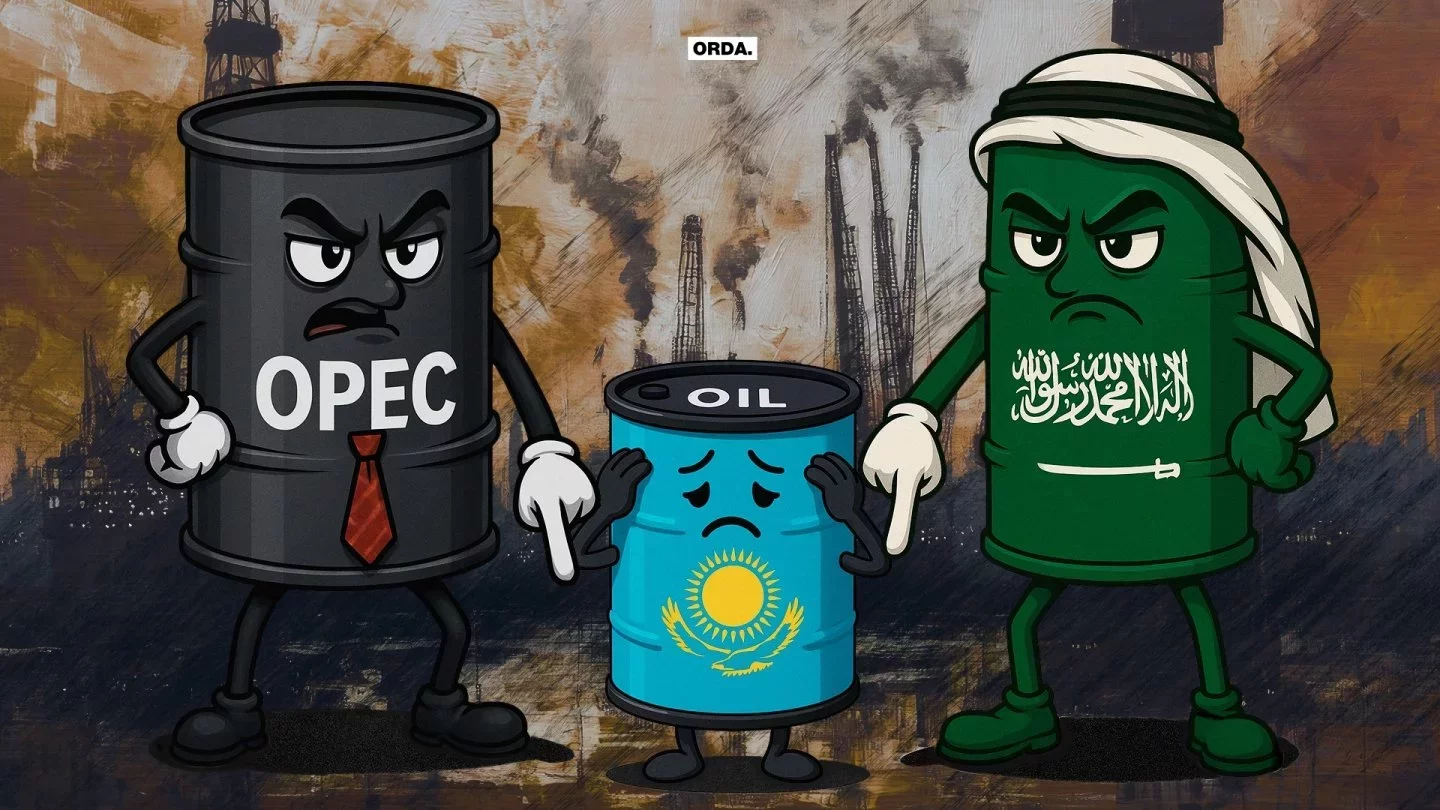 Photo: Orda.kz
Kazakhstan’s ongoing participation in the OPEC+ agreement has come under renewed scrutiny, as global oil prices fall and internal dynamics within the cartel shift.
Orda.kz has looked into the matter.
Tensions Over Quotas and Market Dynamics
OPEC’s concern stems from Kazakhstan’s consistent overproduction of oil beyond its agreed limits. However, these quotas are not legally binding and are based on voluntary cooperation among member states.
Oil and gas analyst Olzhas Baidildinov notes that Kazakhstan was never in a position to comply with OPEC+ restrictions fully. The state controls only about 30% of national oil output, while major fields, including Tengiz, Karachaganak, and Kashagan, are operated by foreign partners.
Everyone familiar with the oil industry understood that Kazakhstan would not be able to fulfill these obligations. But under Minister Satkaliyev, we kept saying that we would: either we had repairs next month, or CPC was attacked... The Minister changed – Akkenzhenov said: we have national interests, there is the Tengiz project, which we cannot influence, we have problems with the budget deficit. Therefore, we will produce as much as we produce. OPEC+ looked at this, displeased, and they decided to squeeze everyone with their production. From their point of view, this is right,
Olzhas Baidildinov believes.
Industry expert Abzal Narymbetov adds that when Kazakhstan joined OPEC+ in 2016, the oil market was in a very different state:
We probably shouldn't have joined this club in the first place. In 2016, when Kazakhstan joined OPEC+, the market conditions were completely different. Perhaps it was considered necessary then, but no one considered the possibility that everything would turn out the other way and we wouldn't be able to hold back production. Now this situation is hitting the economy, current projects, and the budget.
Production Constraints and Budget Dependencies
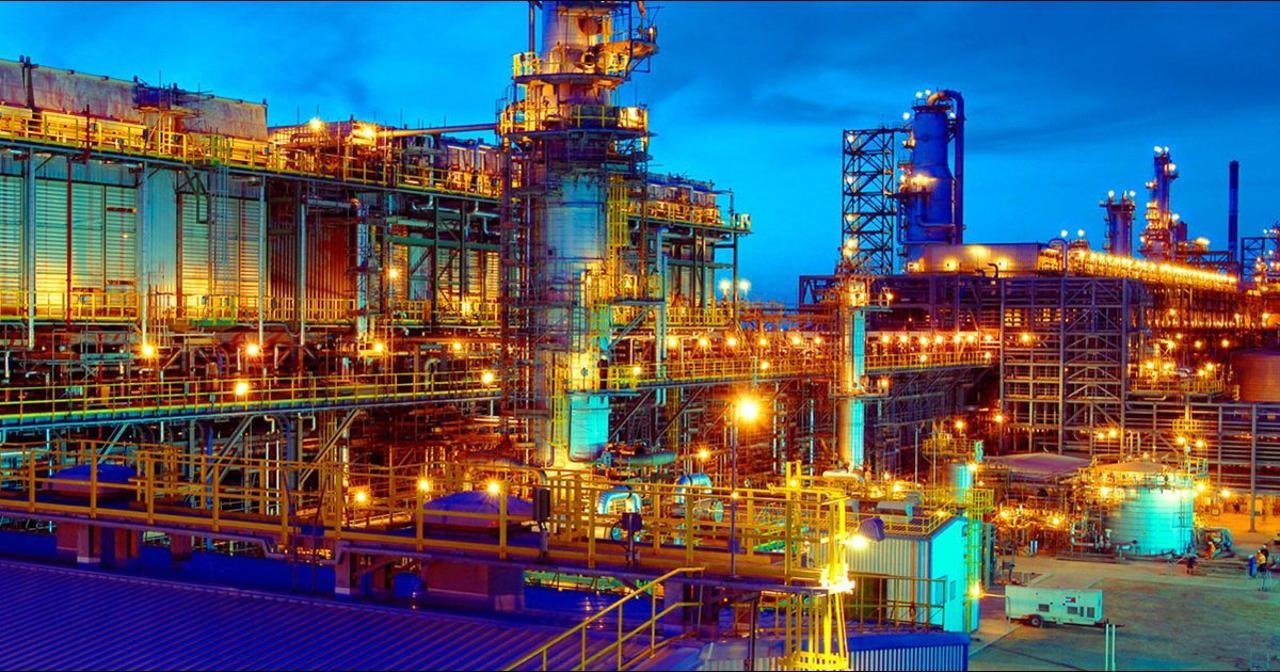
Tengiz, the country’s largest oil field, has doubled production capacity through expansion. National output now exceeds 2.2 million barrels per day, surpassing the 1.7–1.8 million previously recorded.
It will be difficult for Kazakhstan to negotiate with OPEC, because the main driver of our economic growth has always been the growth of oil production, plus good oil prices. A reduction in production is always very painful for Kazakhstan... But we cannot directly control oil prices, unlike production,
Abzal Narymbetov writes.
According to Narymbetov, reducing output could have long-term consequences, including pressure loss in wells and reduced future extraction potential.
Economist Arman Beisembayev emphasizes that oil production also has a direct impact on Kazakhstan’s domestic economy and public finances:
There are fields that belong to KMG. But if KazMunayGas sells less oil, it will earn less. And how will it pay salaries? How will it support the western part of the country? How will it replenish the budget? Therefore, Kazakhstan has admitted its inability to reduce production. This is impossible within the framework of agreements with consortiums that extract our oil.
OPEC
OPEC continues to influence oil prices, even though it controls about 30% of global output. However, its real power lies in export volumes, as many of its members consume relatively little domestically.
For us, OPEC+ are the 'good guys' because they stabilize prices. For the rest of the world, OPEC+ are the 'bad guys' because they raise gasoline prices. In this regard, Kazakhstan is playing on the cartel's side in any case,
Olzhas Baidildinov writes.
Meanwhile, internal divisions — particularly between Saudi Arabia and Russia — are becoming more pronounced.
Riyadh and Moscow are increasingly competing for dominance in the Chinese oil market, which was once largely supplied by Arab producers.
Donald Trump’s political ambitions may also reshape oil dynamics. A preference for low oil prices and protectionist trade policies could increase volatility.
Trump could trigger a serious structural crisis on a global scale... This in itself can lead to a rather dramatic decline in oil prices... OPEC realized that it no longer manages the oil market, no longer influences prices,
Arman Beisembayev believes.
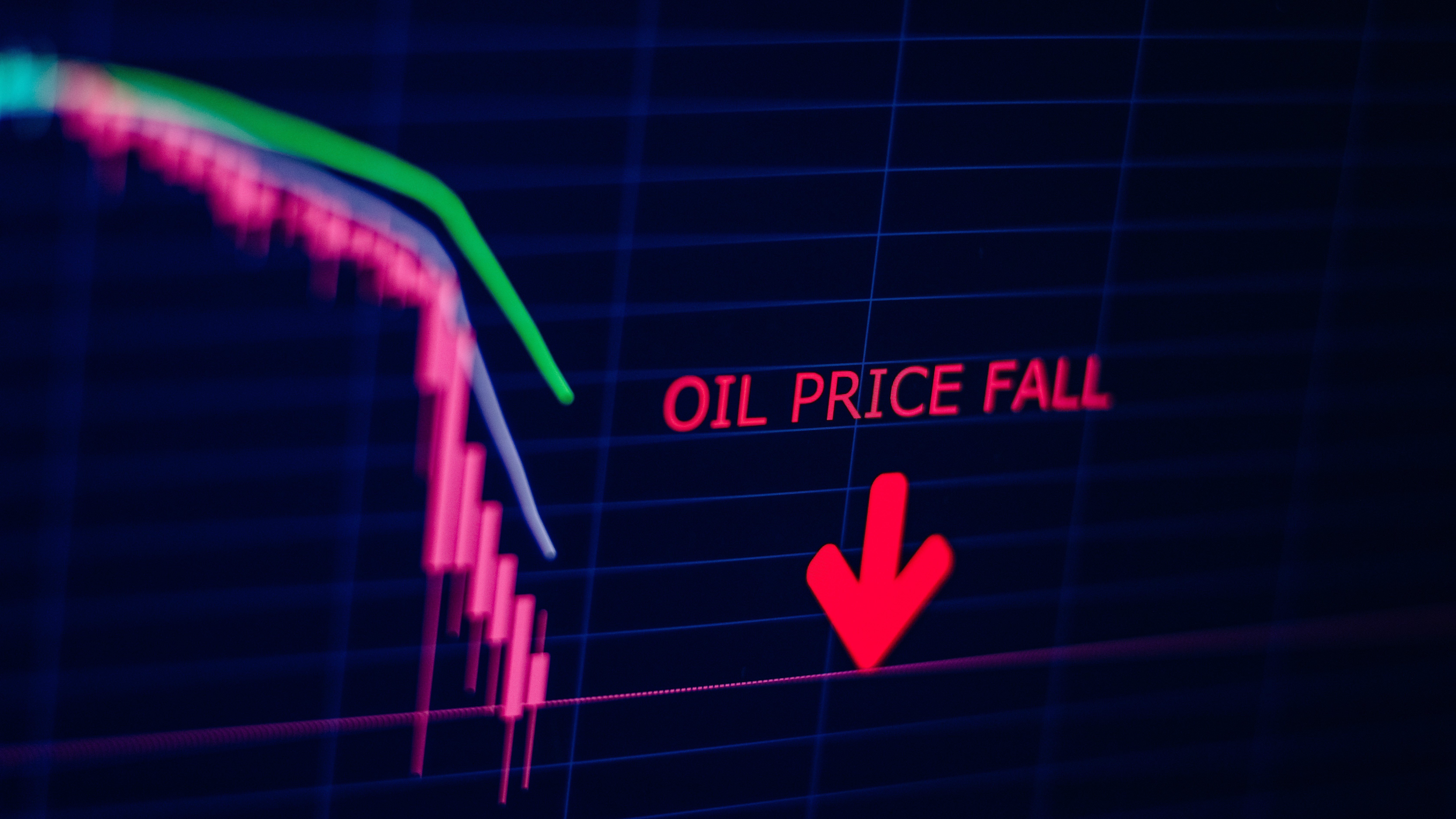
In response, Saudi Arabia has prioritized maintaining market share over production cuts. The country has increased output, pushing prices downward in a bid to outcompete rivals.
Budget Pressure and Economic Risks
Kazakhstan’s state budget is highly dependent on oil revenues. The current budget assumes a benchmark oil price of $75 per barrel and an exchange rate of 475 tenge per dollar.
We cannot tolerate low oil prices for long... $60 per barrel is the new reality. Oil is gradually ceasing to provide for Kazakhstan,
Olzhas Baidildinov says.
Falling prices could push the exchange rate higher, leading to inflation and higher gasoline costs. The country may begin to feel the economic effects as early as July or August.
"The prices we see now are futures for delivery in a month... oil companies will feel the price reduction in two months. And the budget – in three, because taxes are paid later," Olzhas Baidildinov writes.
Experts believe OPEC may gradually phase out production cuts or continue a prolonged price war. In the worst-case scenario, the organization could dissolve entirely.
Formally, OPEC+ has fulfilled its task... The cartel can declare at the end of the year that OPEC+ has fulfilled its goals and objectives, and now let OPEC exist separately in its original composition, and 'plus' – separately,
says, Olzhas Baidildinov
Kazakhstan could attempt to renegotiate its position within OPEC+, but the outcome is uncertain.
"What should Kazakhstan do next? We need to sit down at the table, negotiate, argue, and conduct the negotiation process..." Abzal Narymbetov believes.
Some experts suggest that OPEC may collapse under the weight of its contradictions before Kazakhstan has a chance to exit.

I think that this organization will fall apart before Kazakhstan manages to leave it... Due to internal contradictions,
Arman Beisembayev says.
Kazakhstan’s continued involvement in OPEC+ brings limited economic benefits, while the risks from falling prices and internal budget pressures are growing. If prices remain low, the country may need to reassess its strategy entirely.
Our budget includes a price of $75 per barrel... OPEC+ membership does not bring us any real benefits. And leaving this organization will not make things worse for us,
Arman Beisembayev believes.
The ongoing price war and OPEC’s internal divisions suggest that Kazakhstan may soon need to make a strategic decision — whether to remain in the bloc or pursue a more independent energy policy.
Original Author: Nikita Drobny
Latest news
- Kazakhstan Prosecutor Opposes Deportation of 16-Year-Old Russian Teen
- Russian TV Channels Taken Off Air in Kazakhstan
- Mistaken Claim? Kazakhstan Denies $1B Contribution to the Board of Peace
- How many Kazakhstanis remain in the Middle East — MFA
- Kazhydromet Warns of High Flood Risk in Five Regions in 2026
- MP Calls for Prosecutor Review of Kazakhstanis’ Dubai Property
- Kazakhstan Moves to Legalize Private Detective Work
- Kazakhstan to Extend Gas Export Ban for Six More Months
- Majilis MP Calls to Soften Liability for Kazakhstanis Drawn into Foreign Wars for Pay
- The Delivery of 51 Stadler Passenger Coaches Has Been Delayed
- Kazakhstan Returns Nearly 1,000 Citizens From the Middle East
- Damaged Baikonur Launch Pad Facility Restored After 2025 Collapse
- A Rare Black Melanist Wolf Was Shot in Eastern Kazakhstan
- Kazakhstan Maintains Neutral Stance on Middle East Escalation
- Kazakh MFA: Citizens Evacuated from the Middle East via Oman and Saudi Arabia
- Kazakhstan to Spend 4.6 Trillion Tenge on Road Projects Through 2029
- Central Asia Competes for the Skies: Why Kazakhstan Risks Falling Behind Uzbekistan on Jet Fuel
- The War in Iran Opens a Window of Opportunity for Kazakhstan’s Oil Sector, Analysts Say
- Iran Conflict Escalates Beyond the Gulf: What Kazakh Experts Say About Risks for Central Asia and Kazakhstan
- Kazakhstan Prepares Possible Evacuation of Its Citizens From Iran
