

Nuclear Power Plant in Kazakhstan: What do Korean and Russian Companies Offer?
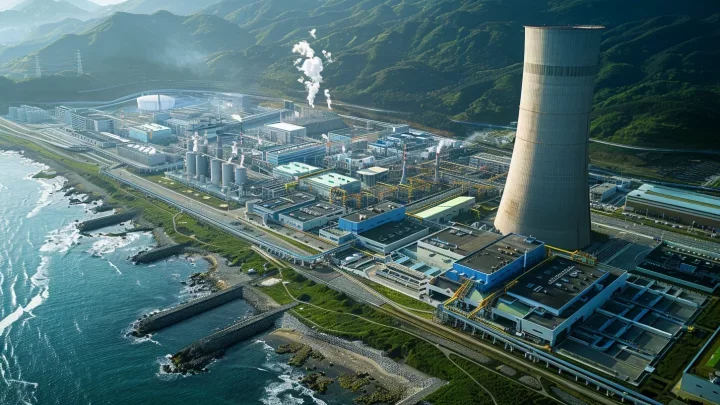 Photo: Midjourney neural Network
The topic of energy, including nuclear, had been a hot topic in Kazakhstan all last year. President Toqayev announced the need to build a nuclear power plant in the country back in 2022, predicting a looming shortage of electricity. He later announced that the whole country would decide on this issue in a national referendum.
The referendum on the construction of a nuclear power plant in Kazakhstan is expected to be held in 2024. If Kazakhstanis vote in favor, The Ministry of Energy will begin selecting suitable technologies and developers. The shortlist is small: Russia (Rosatom), South Korea (KHNP), China (CNNC), and France (EDF).
Orda.kz has put together an overview of the technologies and prospects of the first two countries.
South Korea
South Korea's nuclear power industry dates back to the 70s. America brought their first peaceful atomic technologies to the country. With time, South Korea has become so adept that they now export their technologies to other countries.
There are currently 26 reactors operating in South Korea. They generate 30% of the country's total electricity. South Korea also built the first nuclear power plant in the United Arab Emirates and launched three of the planned four power units there. Upon completion, the Baraka nuclear power plant will produce 25% of the UAE's total energy.
Representatives of the Korean company have proudly noted that this project is one of the few that managed to be completed on time without excessive budget funds.
If the South Korean company partakes in such construction in Kazakhstan, they will create an international consortium uniting companies with different specializations. The nuclear power plant management company will be KHNP (Korean Hydro and Nuclear Power), whereas Doosan, placed in the Fortune Global 500 index, will develop the reactor, and Hyundai Engineering and Construction will build the NPP.
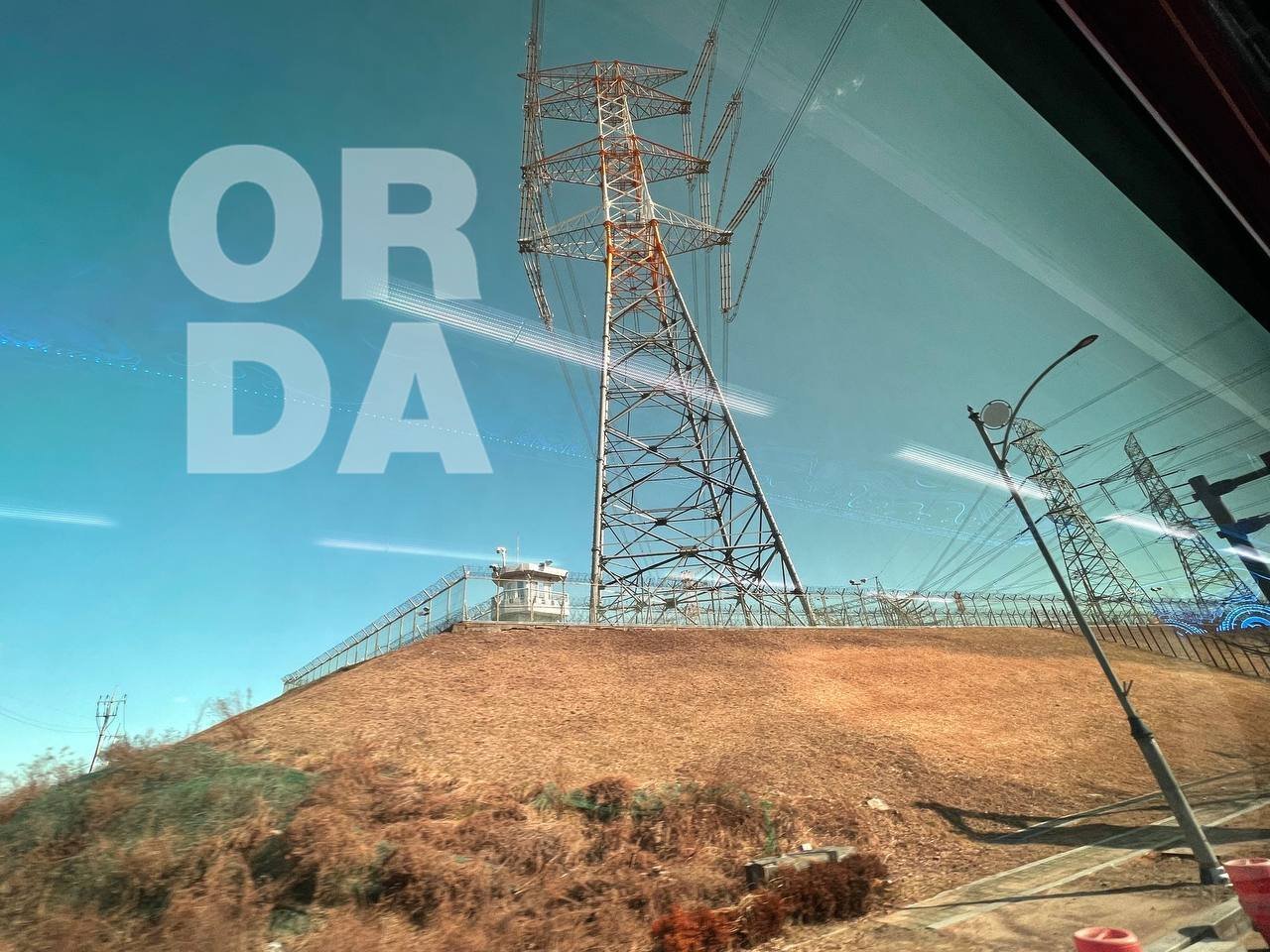
KHNP operates 27 hydroelectric power plants with 21 nuclear reactors. It is also the primary management company exporting South Korean nuclear technology to foreign countries. They have also signed an agreement on the construction of nuclear power plants with Poland, Romania, Slovakia, and the Czech Republic.
APR-1400 dual-circuit nuclear reactors using American technology have been proposed for construction in Kazakhstan.
The cost of a four-reactor nuclear power plant in the United Arab Emirates had an estimated price of $25 billion. The cost of each reactor will thereby be about five to six billion dollars. Kazakhstani experts estimate the cost of one power unit in the range from five to seven and a half billion dollars. The construction of a nuclear power plant will last at least 10-12 years. Given the construction "traditions" in Kazakhstan, the cost may significantly increase, however.
The South Korean company has also promised to train Kazakhstani specialists in nuclear energy.

Unlike landlocked Kazakhstan, South Korea is a peninsula in the ocean, thus there are no issues with water supplies for cooling a reactor.
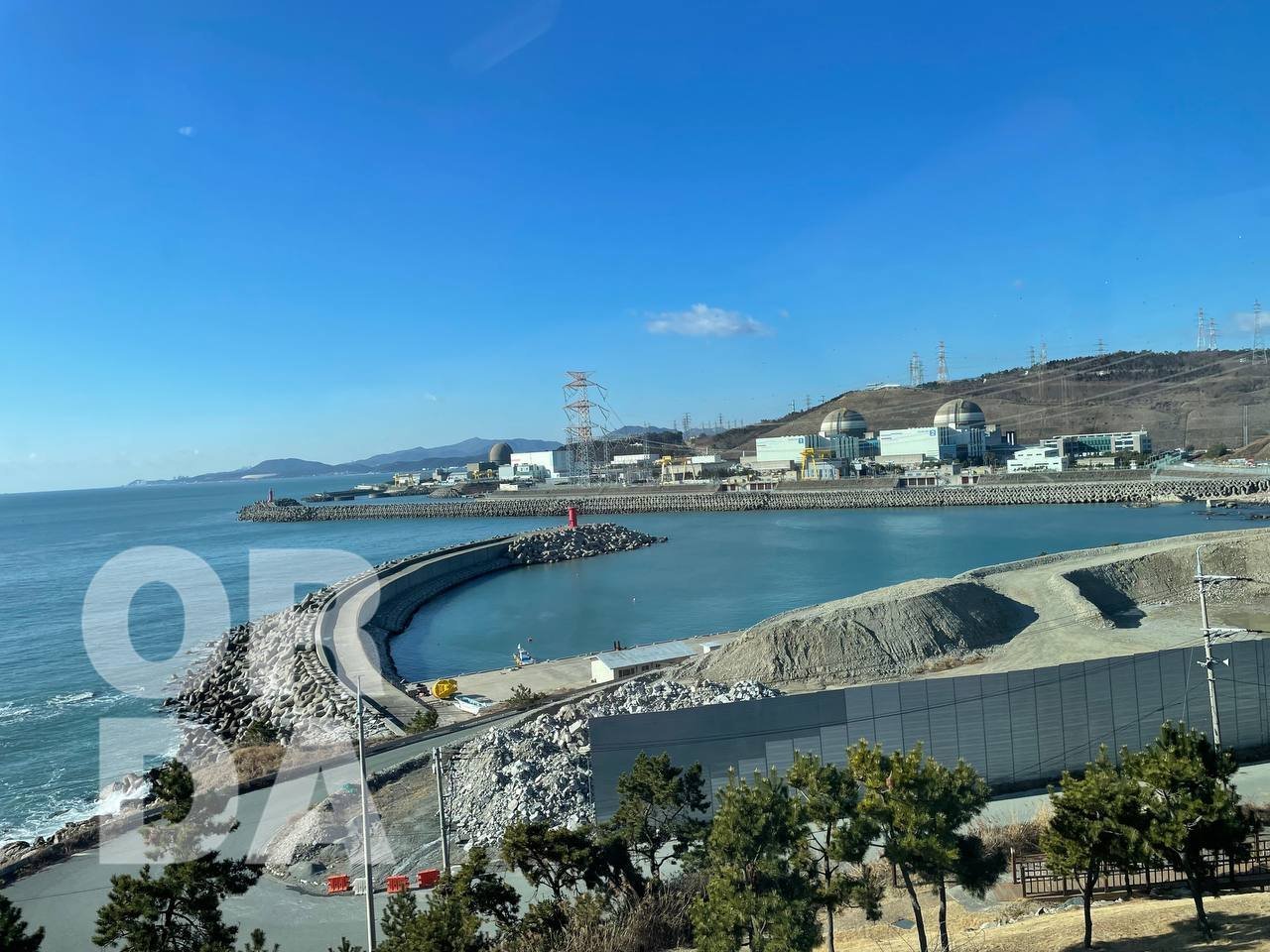
The aforementioned reactor heats water to 324 degrees and pumps it through a pipeline to a steam generator. In the steam generator, its temperature drops to 240 degrees and enters the high-pressure turbine. The reactor generates electricity by rotating the blades along a rotor. The pressure in the turbine is 158 bar. The blades make 1,800 revolutions per minute, generating 24,000 volts of electricity.
In a high-pressure turbine, the water is cooled to 10-40 degrees. When it flows back into the sea, its temperature is about seven to eight degrees. The water used in these reactors does not evaporate. The water discharged into the sea is not exposed to radiation. The liquids cooling the reactor and taken from the sea do not mix, as closed-loop technology is used.
Russia
Akkuyu station in Türkiye is being built by Rosatom and serves as an example as to what the Russian company can offer.
The Akkuyu station is the first nuclear project in the world under construction according to the "Build-Own-Operate" concept. Local specialists trained in Russia will operate it.
Under a long-term contract, Akkuyu Nuclear assumed obligations for the design, construction, maintenance, operation, and decommissioning of the station.
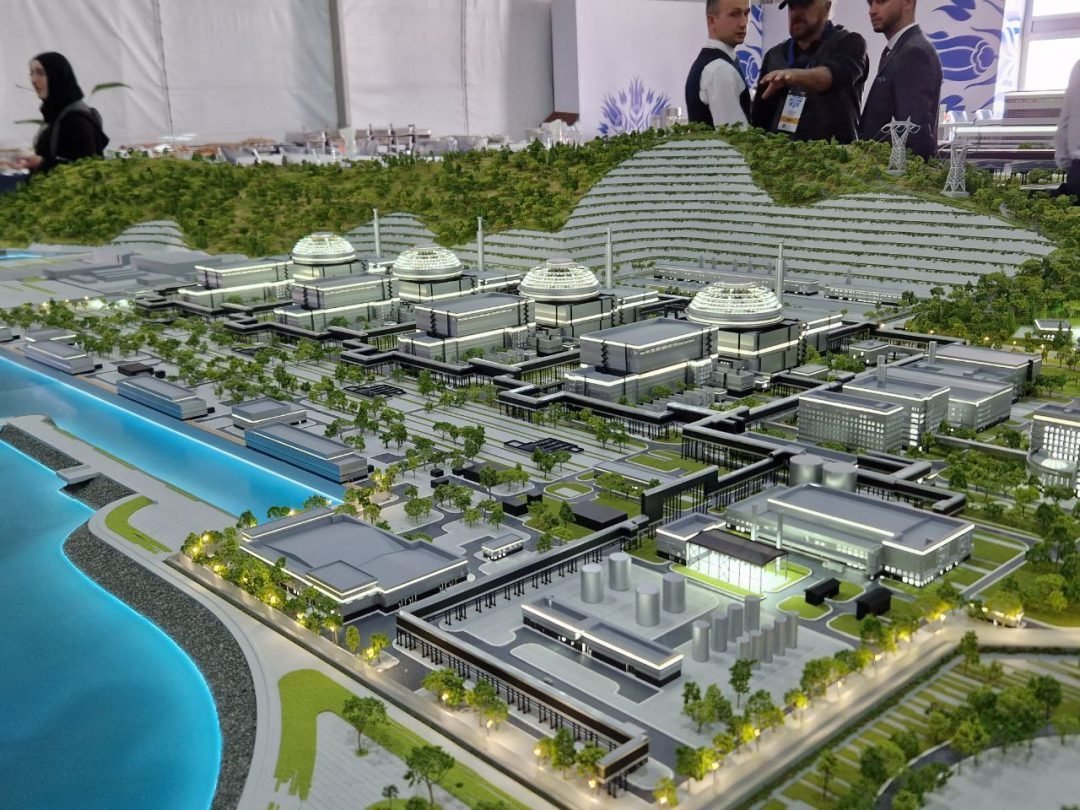
The cost of four power units with VVER-1200 generation 3+ reactors with a total capacity of 4,800 MW - $22 billion. More than 400 companies are involved in executing the plan. The launch will require maintenance personnel numbering up to four thousand people.
The NPP will be able to cover 10% of Türkiye's electricity needs, becoming a stable source of environmentally friendly energy.
Türkiye also has no issues with supplying water.
A Dry Well?
Kazakhstan is located in the heart of Central Asia, shares the Caspian Sea with several countries, and is landlocked. If nuclear power plants are built, the village of Ulken is prime real estate thanks to Lake Balkhash. But it is becoming shallow and may dry up altogether by 2037, thus potentially putting a spoke in the wheel of a potential solution for energy deficits and compounding existing issues with water.
Original Author: Ilya Astakhov
DISCLAIMER: This is a translated piece. The text has been modified, the content is the same. Please refer to the original piece in Russian for accuracy. The original article was posted on 16/02/24.
Latest news
- Orda.kz Editorial Team to Cease Operations on September 1
- The Price of a Degree: How Students in Kazakhstan Pay for University
- Second Przewalski’s Horse Foal Born as Species Returns to Kazakhstan
- Kazakh Mining Companies Can Recalculate Purchases if Tenge Weakens
- Kazakhstan Names First Vice President in Three Decades
- What Almaty’s Bus Shelters Are Missing
- 400-Truck Queue Builds at Kazakh–Kyrgyz Border
- Kazakhstan Ready to Help Feed and Rebuild Gaza
- Tokayev Establishes New Presidential Security Body
- Almaty Takes Back Its Nearly Century-Old Hippodrome
- No More Guesswork on Savings: Kazakhstan Tightens Energy Audits for Businesses
- Public Money Could Be Used to Rescue Failing Kazakh Banks
- Third Kazakh Woman Reported Missing in Nepal-China Flood Zone
- Falconer Convicted Over 35 Protected Birds, Spared Punishment Under Amnesty
- Kazakh Citizen Detained in Yakutia in Phone Fraud Case
- Yuan Instead of Dollars? KazMunayGas Draws Record Demand in Asia
- China Gains Oil-Market Influence as OPEC+ Weakens
- Kazakhstan to Divide Smartphones Into White, Gray and Black Lists
- Kazakhstan’s Government Formally Resigns as First Kurultai Session Opens
- Rare Lynx Sighting Recorded in Northern Kazakhstan
