

New Tax Code: Who Could Be Exempt and Who Might Pay More
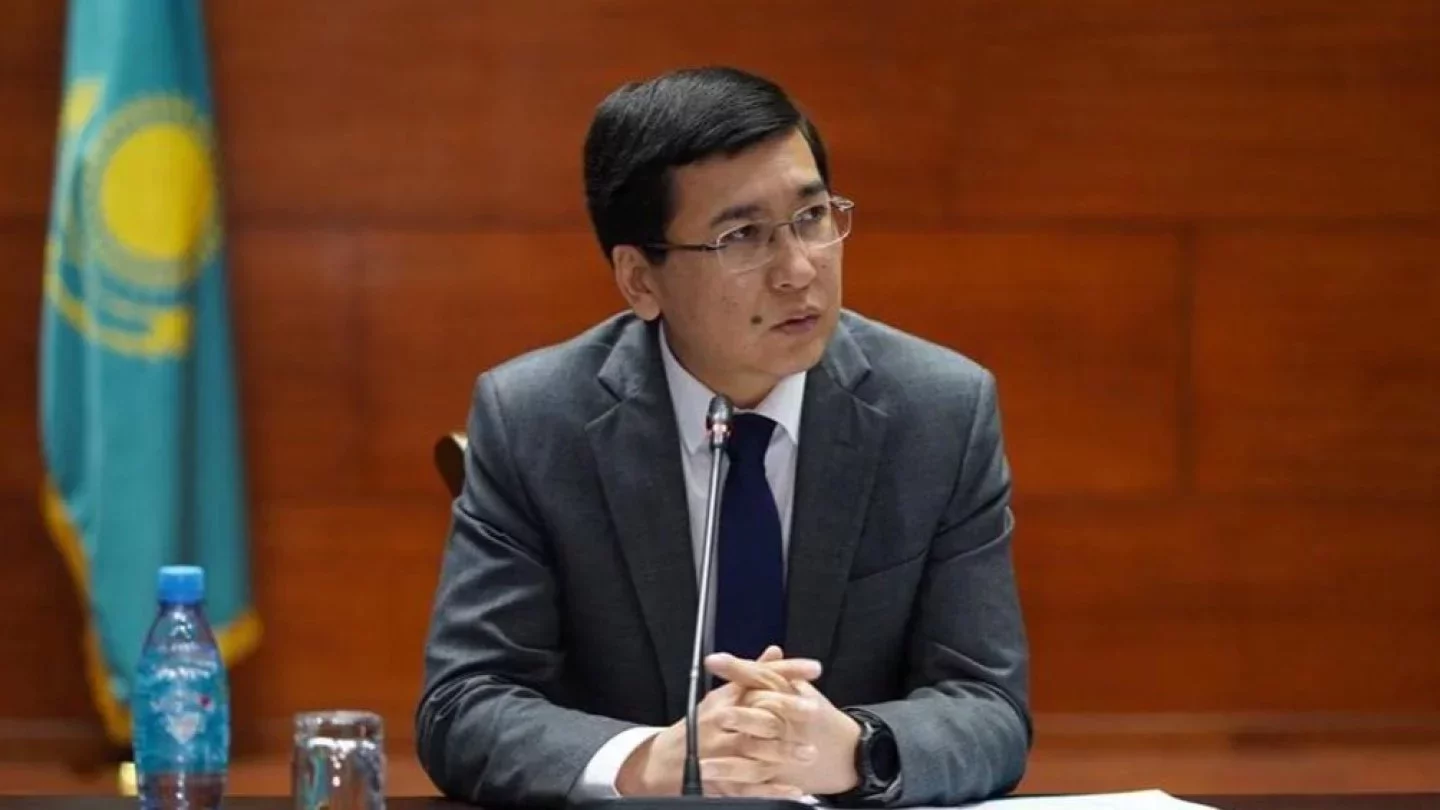 Photo: Gov.kz
On April 9, the Majilis is set to review the first draft of Kazakhstan’s new Tax Code and proposed amendments. Among the key topics up for discussion are which sectors and services should be exempt from certain taxes. Former Minister of Education and Science and current deputy Askhat Aimagambetov explained who may receive tax breaks and why, Orda.kz reports.
Aimagambetov said he’s received many questions about the proposed exemptions, particularly why items like medicines, healthcare services, books, and even card-to-card bank transfers are included in the draft.
We propose keeping the current zero VAT rate on medicines and medical services, especially when it comes to severe, chronic, and life-threatening conditions like cancer, diabetes, autoimmune conditions, and rare disorders many others. Why? Because any added tax means higher prices — and when it comes to medicine, that’s a direct hit to vulnerable patients and their families. This isn’t just a social issue — it’s an ethical choice. he explained.
He pointed out that life-saving medications for rare conditions and cancer treatments are already expensive, even before taxes. Applying a 16% VAT would make them unaffordable for many Kazakhstani families.
Another area Aimagambetov believes deserves continued tax relief is the cultural sector — specifically, books and animated content created and published in Kazakhstan.
We often say that children don’t read enough, we need to popularize Kazakh literature. Raising prices by adding VAT goes against that goal. By exempting these products, we’re sending a message: culture matters. We need to produce meanings and support local writers, translators, and artists. The same applies to Kazakh animation. There are still very few cartoons in the Kazakh language, and the industry is just getting off the ground. It does not need taxes, but support,he said.
The third area Aimagambetov focused on is financial services, especially everyday transactions like bank transfers. He noted that, in most countries, this sector is not subject to VAT.
If VAT is applied to bank transfers, card payments, or pension operations, the cost of basic services will go up for everyone. Let’s say you transfer money from Halyk Bank to Kaspi — it currently costs about 200 tenge. With VAT, that could rise by another 32 tenge. Commissions will increase, especially for mass transfers. Pensioners, students, parents, and small businesses could suffer,he warned.
Aimagambetov stressed that tax policy should be thoughtful and targeted, not about removing taxes across the board, but about supporting sectors that need help while taxing those that can bear more.
In his view, the state should:
- Raise taxes on bookmakers and casinos
- Introduce excise taxes on trans fats
- Increase corporate income tax for banks
- Eliminate unjustified tax breaks for large companies
Aimagambetov concluded that this is not about giving out tax breaks left and right, but about crafting a tax policy that’s fair and rational. The draft Tax Code includes numerous amendments, and discussions are just beginning.
Original Author: Nikita Drobny
Latest news
- From Electric to Hybrid: Kazakhstan’s Changing Auto Market
- Kazakhstan Proposes Changes to Structure of Pension Contributions
- Three New Hydroelectric Power Plants to Be Built in Kazakhstan
- Life Up to 77 Years: New Healthcare Strategy Presented in Kazakhstan
- Kinopark Demanded "Entry Fees" for Film Distribution in Kazakhstan
- Could Kazpost Be Closed in Kazakhstan's Villages? Prime Minister Responds to Deputies' Concerns
- Kazakhstan Seeks to Introduce Compulsory Employment for IDPs and Kandas
- Residents of Almaty Demand Return of Baum Grove to Specially Protected Natural Area Status
- A Drone Again? Object Similar to UAV Found in Western Kazakhstan
- Problems of the Caspian Sea and Projects Worth Billions of Dollars – What Bektenov and Mishustin Discussed in Astana
- Senate Ratifies Protocol to Simplify Alimony Collection Abroad
- LRT Trains Accelerated To 80 Kilometers Per Hour In Astana
- Kazakhstan And China Discuss Cooperation In Boao
- Tashkent–Atyrau Flight to Be Launched From March 29
- Tokayev and Erdogan Exchange Congratulations and Discuss Upcoming Meetings
- Tengiz, Kashagan and Export: What Kazakhstan and Oil Giants Agreed on in the United States
- Atyrau After the Rain: Power Outage and Two Injured by Electric Shock
- Kazakhstani Tennis Player Shevchenko Beats World No. 9
- Shepherd Lay in the Steppe for Five Days With Broken Leg and Survived
- Fogs, Rain, And Storms Expected Across Kazakhstan On March 24
