

Life in Baikonur: A City Caught Between Two Countries
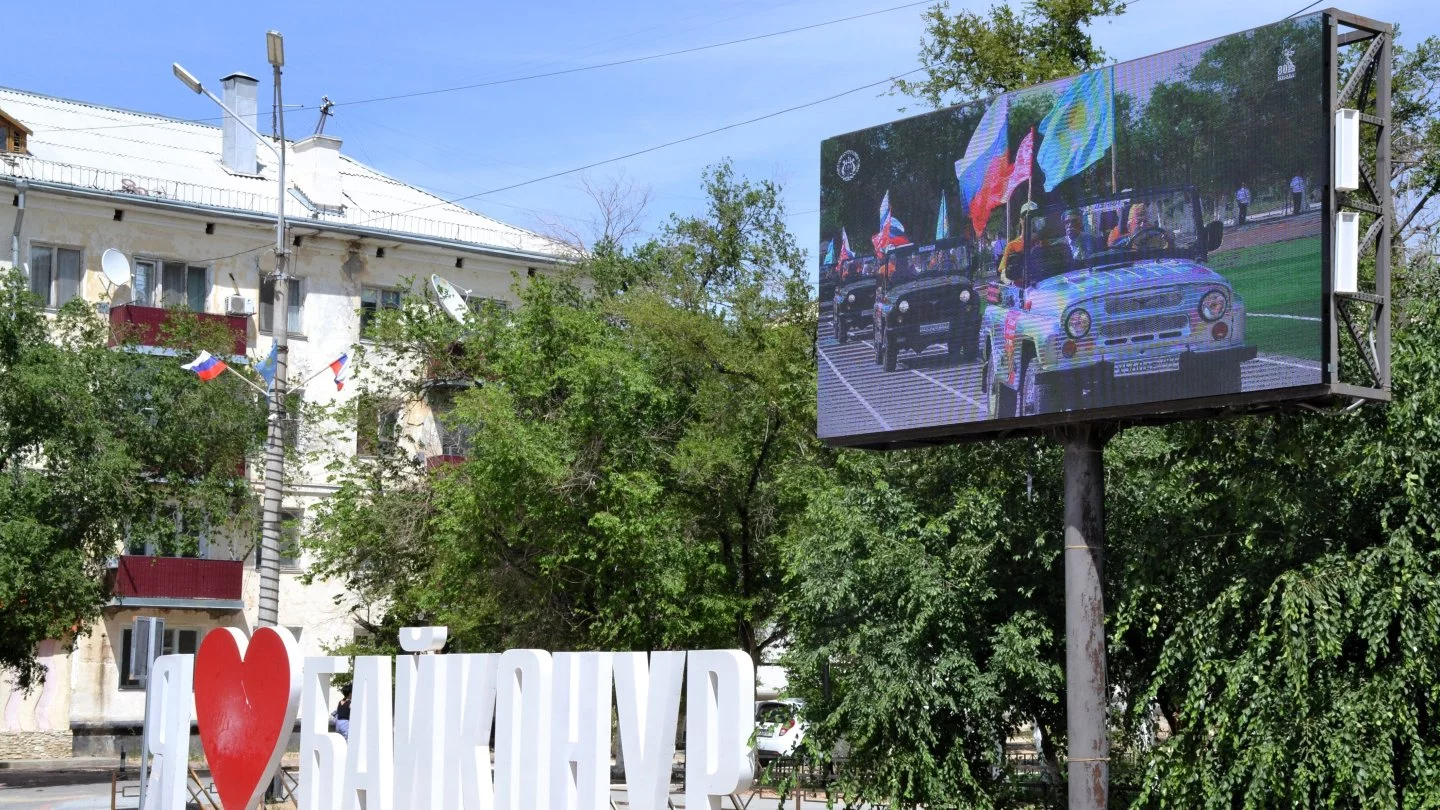 Photo: Orda.kz / Kamila Yermakhanova
Baikonur is unlike any other city in Kazakhstan. Leased by the Russian Federation, it exists in a legal and cultural limbo. Residents live under two flags, two legal systems, and often two sets of rules. Russian and Kazakh police patrol the streets. Social networks are blocked, tenge is rarely accepted, and social support systems are split.
Locals can’t always receive pensions, are restricted from buying property, and in schools and nurseries, the choice of instruction language is virtually nonexistent.
An Orda.kz correspondent explores what it is like to live in Baikonur.
Baikonur: A City Like No Other
Baikonur’s uniqueness isn’t just about its legacy, though it was from here that the first human was launched into space. It’s also about the unprecedented arrangement between two countries: a high-tech facility, an entire city, and an infrastructure system leased long-term by one nation from another.
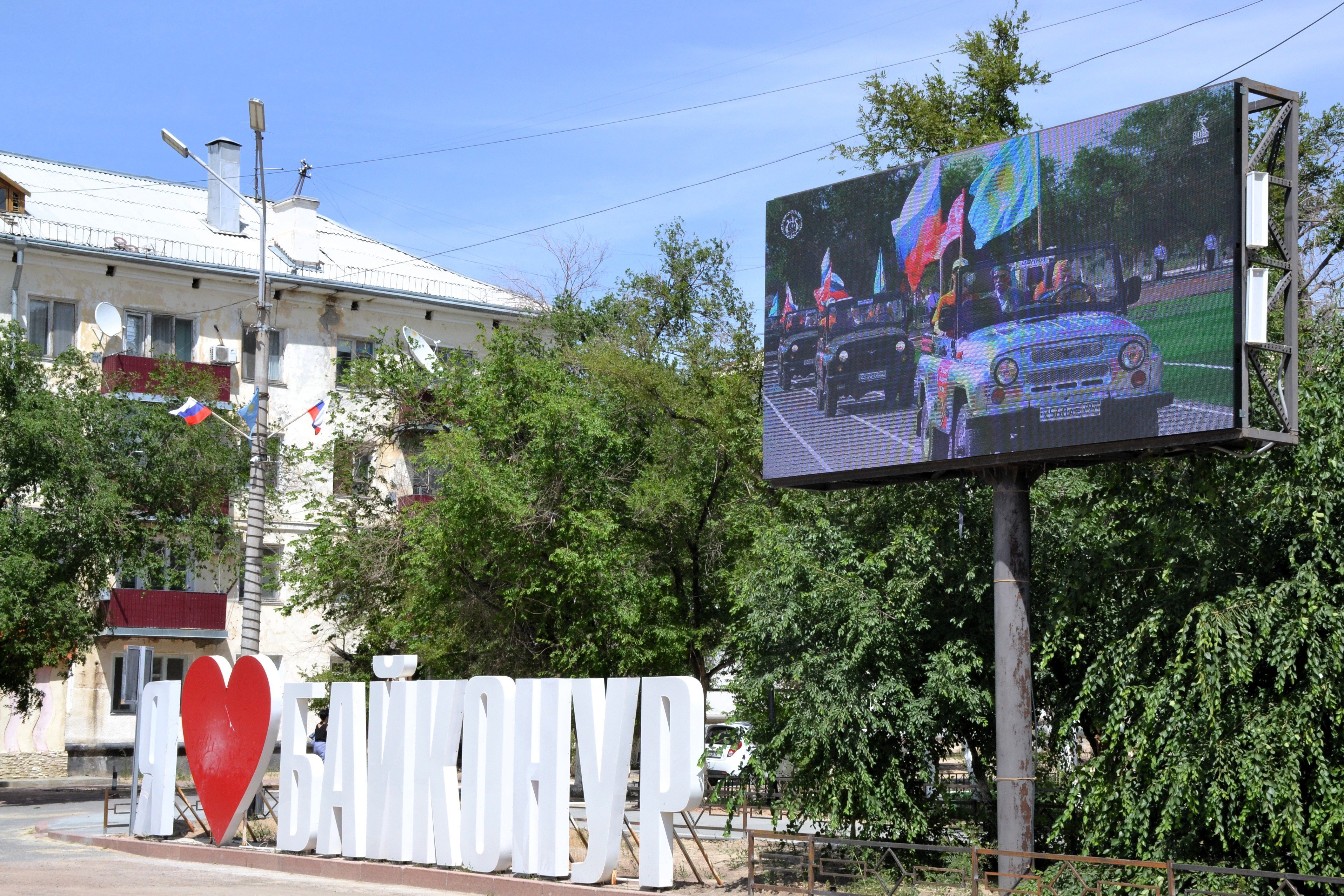
The governance structure is equally unusual. Officially, Baikonur is part of Kazakhstan’s Qyzylorda Region and holds republican status, similar to Astana. Yet on the Russian side, it has been granted federal status. The result is a diplomatic balancing act: while the city’s administration is Russian, its head is appointed jointly by the presidents of Kazakhstan and Russia.
Kazakhstan also appoints a special presidential representative to oversee matters in Baikonur. But there is no local self-governance in the traditional sense — no akim elections, no maslikhat (local assembly), no civic participation in choosing local leaders.


One of the city’s more unusual features is the official status of “resident of Baikonur,” as outlined in the lease agreement. It’s not citizenship or residency registration, but a special classification — effectively placing people in both countries at once.
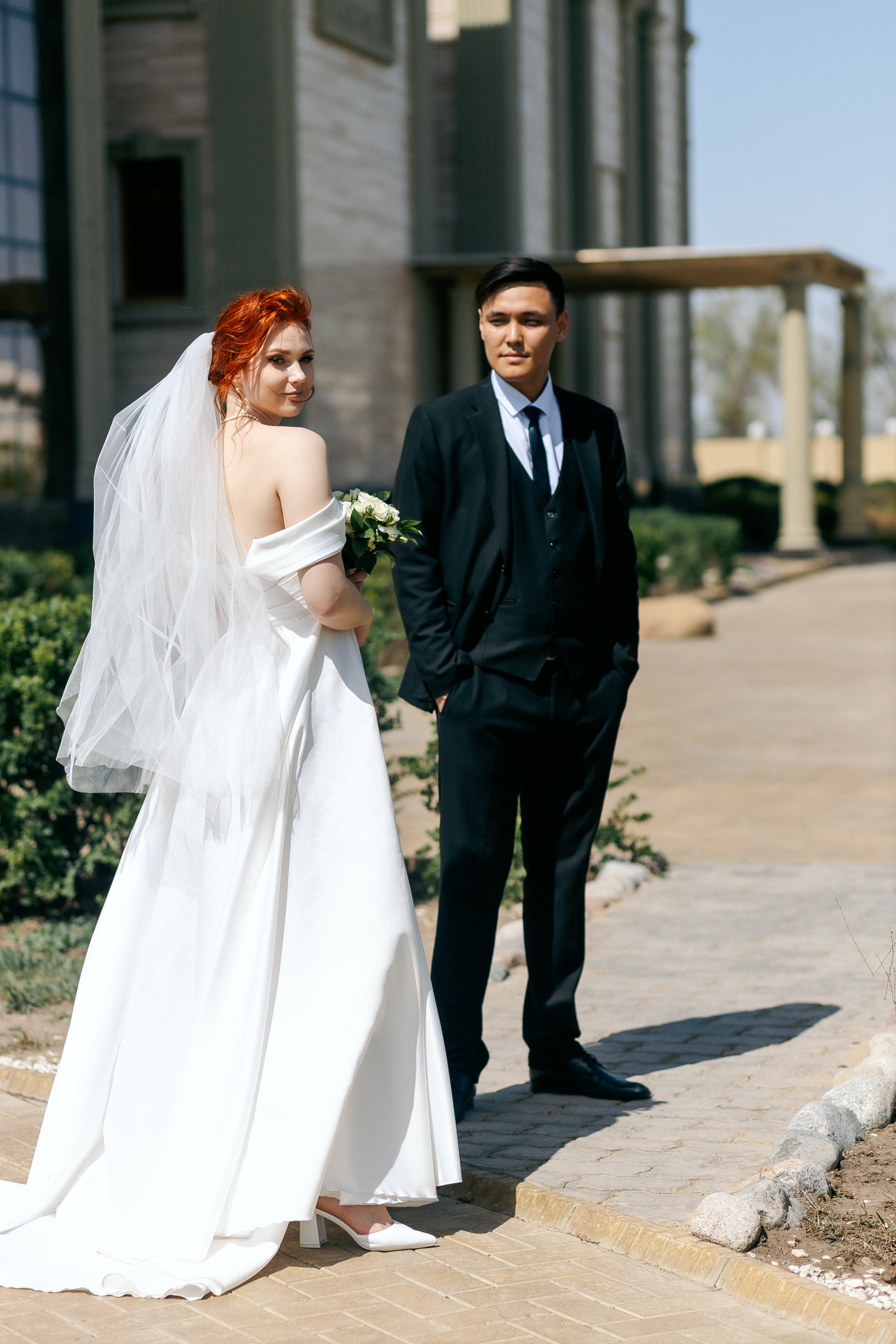
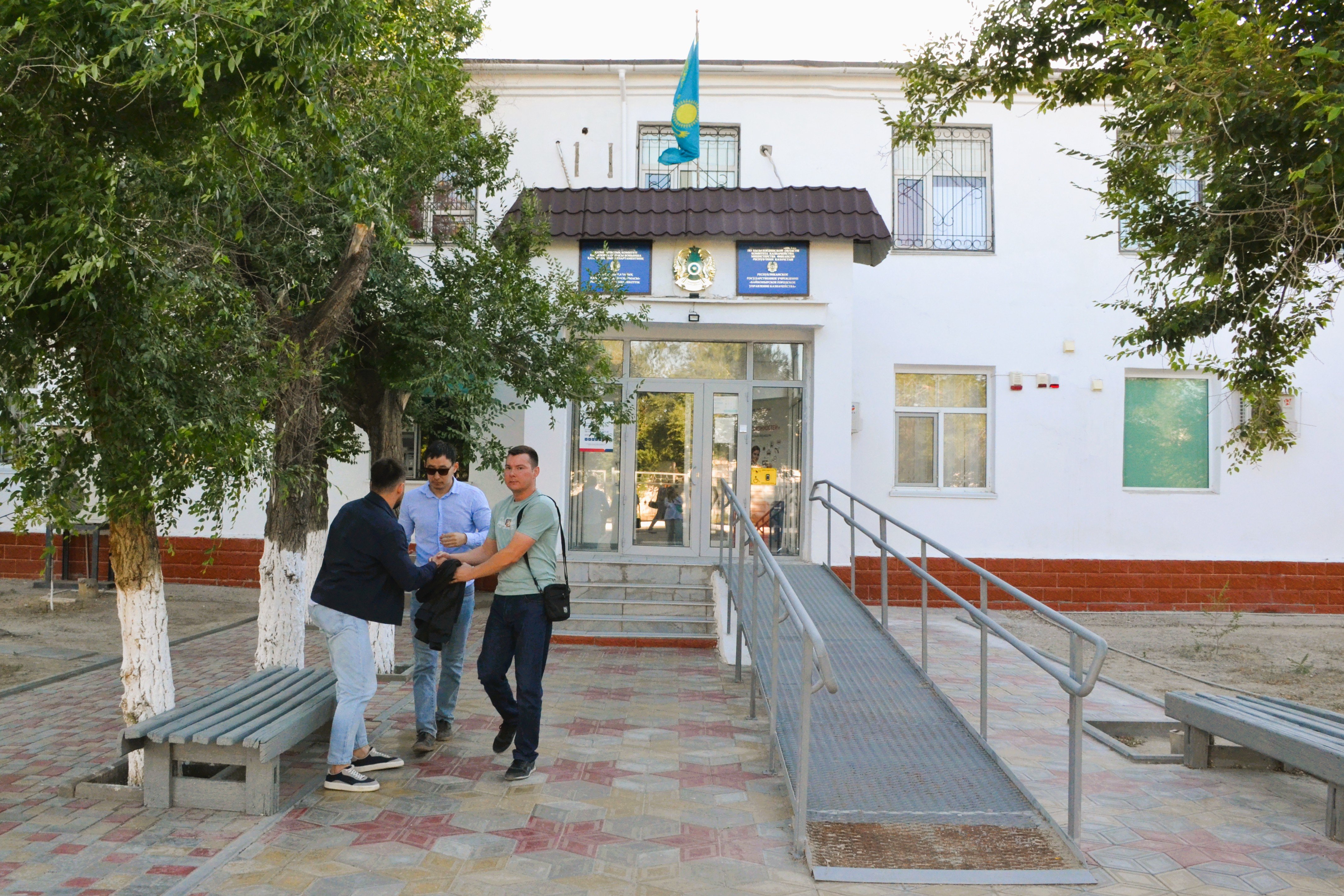
There are two registry offices in the city: one Russian, one Kazakh. For residents, choosing where to register a birth, death, or marriage isn’t just procedural — it can be a strategic decision. It determines which court will recognize the document, which national database will store it, and under which legal system property and inheritance rights will fall.
For many, the choice comes down to practicality — whichever option is faster or more familiar.
My husband and I went to the Russian registry office because that system is more familiar to us. Besides, I wanted to take my husband’s last name, and the main document for that is issued by the Russian side,says Anastasia Iliyasova.
You can also do business in Baikonur according to Russian rules: tax accounting, inspections, reporting — everything strictly following Russian law. That’s how control in the city has been maintained for decades.
In stores and public offices, everything operates in rubles. Tenge is used in cash, but where the two systems don’t "connect," even QR code payments — now common throughout Kazakhstan — are simply not allowed. Not because of any legal ban, but because there’s no legal framework to support them.
And this is the case even when a business is registered in both countries.


Technically, I have everything — I’m registered as an individual entrepreneur in both Kazakhstan and Russia. But QR payments don’t work. It’s just ‘not allowed.’ No one can explain it — not the banks, not the tax office. I know many people in the same situation. We’re forced to work either with cash or through complex banking arrangements,says a Baikonur merchant.
Since the 2017 amendments to the city’s legal status, entrepreneurs have faced a new layer of bureaucracy. Even buying small amounts of goods requires:
- Signing a formal contract
- Opening two bank accounts (one in tenge, one in rubles)
- Conducting a foreign exchange transaction
- Filing a declaration
- Paying Russian VAT (18%)
- Reporting to the tax authorities and sending proof of payment to the supplier
If you make even one mistake, you have to redo the whole package. This isn’t trade — it’s an accounting maze. Especially when you’re just selling vegetables from a market stall,says a local small business owner.
Some of these procedures may have changed since, but entrepreneurs say that integrating the two systems remains a major challenge, especially for small businesses.
Two Laws on One Street
In Baikonur, there are two police forces, two prosecutor’s offices, and two court systems. In theory, the rules are clear: whichever country the case involves, that side takes responsibility. But in practice, the divide doesn’t run along streets — it runs along citizenship. And sometimes along lines drawn in an international treaty signed nearly 30 years ago.
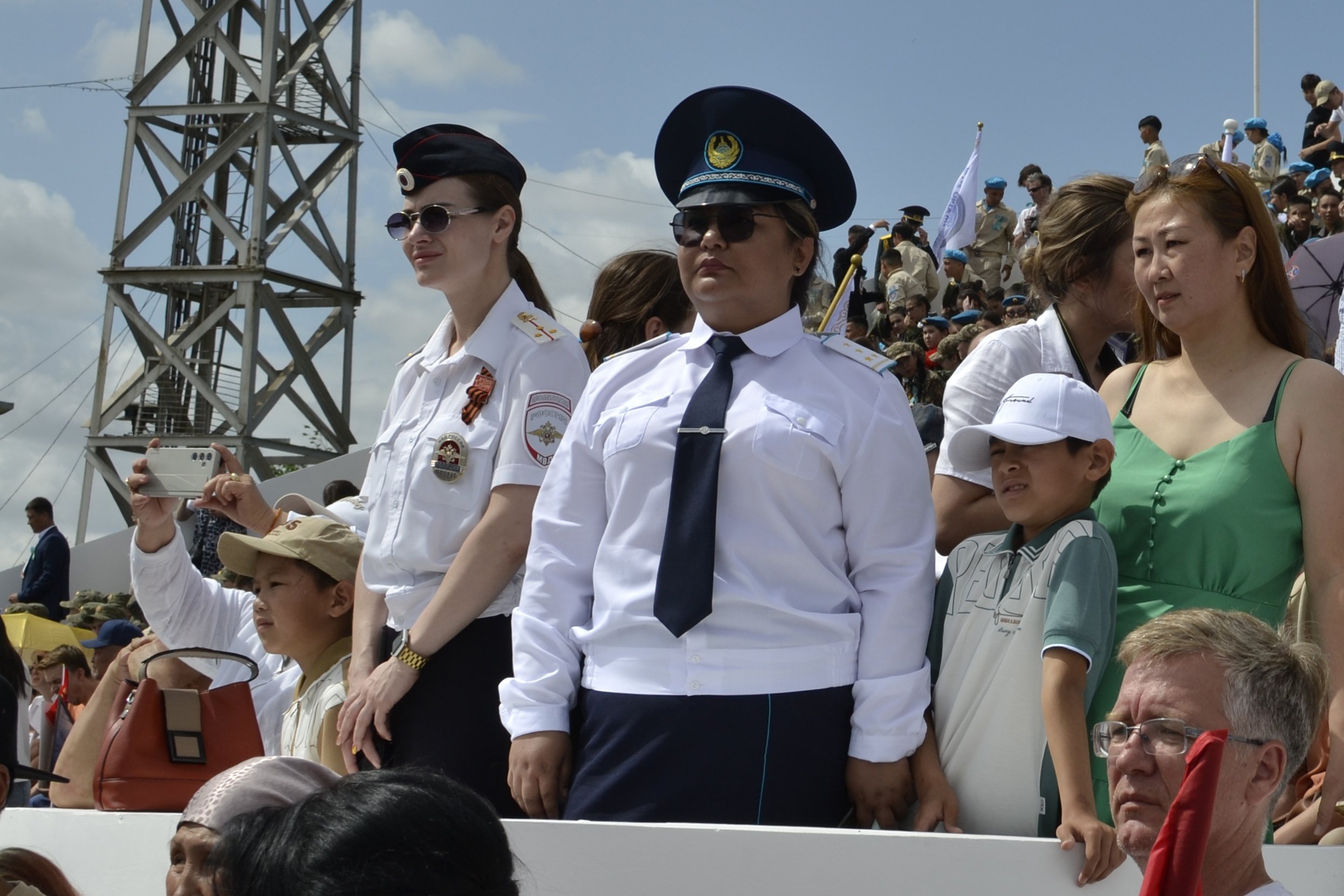
For example, Russian police patrol the city and are the first to respond to most incidents. But if a Kazakh citizen is involved — say, in a traffic accident — the case is eventually handed over to Kazakh authorities, with all the materials already collected.
One such case involved a Kia Sorento driver who struck a woman on Gagarin Street. Distracted while driving, he hit her in a crosswalk. She died three weeks later without regaining consciousness. The Russian prosecutor’s office conducted the initial investigation, then transferred the case to the Kazakh side.
The driver was found guilty and received a two-and-a-half-year probation sentence. The prosecutor’s office said it would appeal.
Sometimes cases end with just a fine, but not always for things that would be punishable in other parts of Kazakhstan. In 2022, a Russian citizen residing in Baikonur was fined for a social media post. The message about the Russian army was deemed “defamatory.” The case was heard in a Russian court. Even though the post was made from Baikonur — on Kazakhstan’s territory — jurisdiction was not questioned. The individual held a Russian passport, and was therefore held accountable under Russian law.
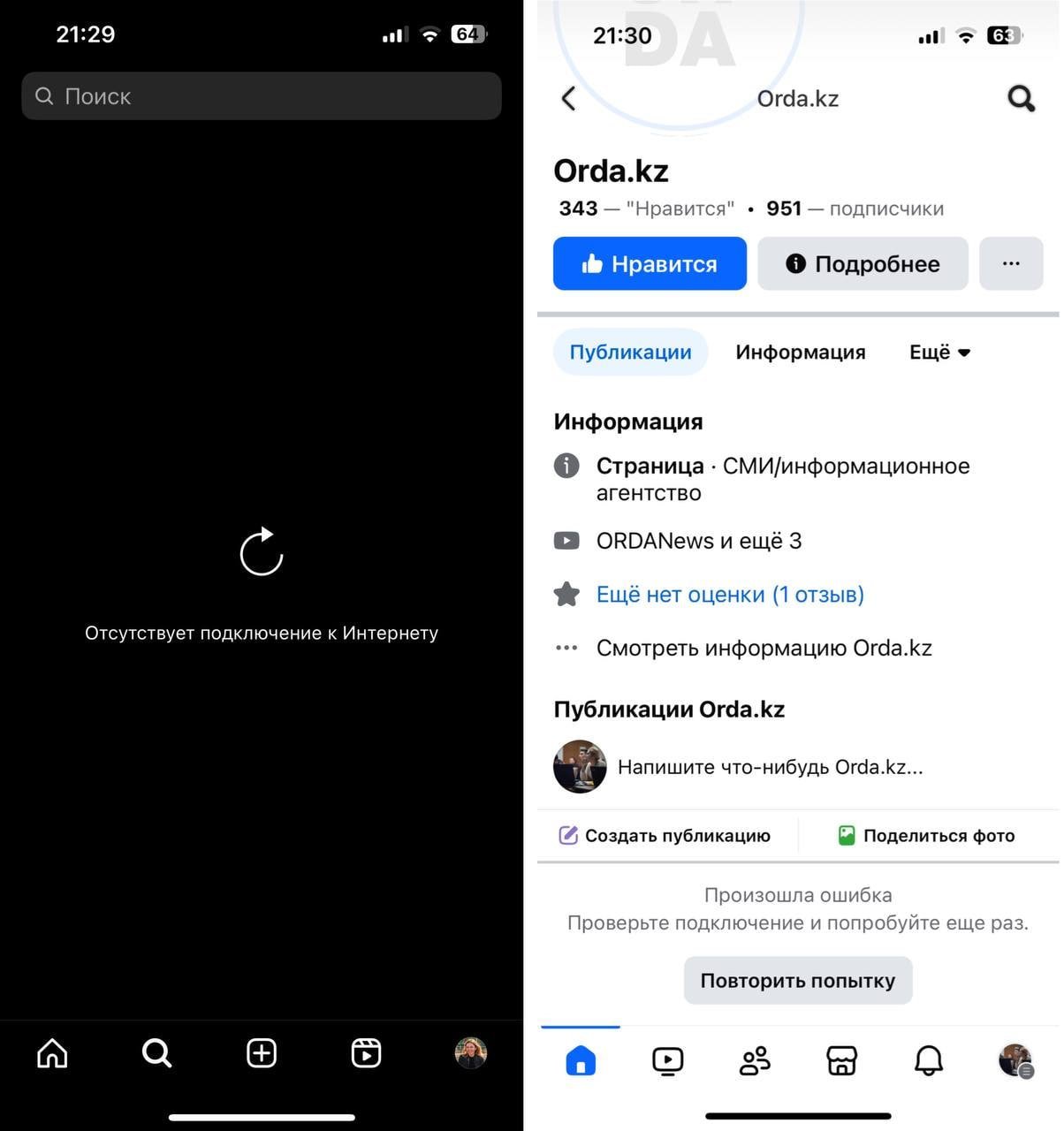
Instagram, Facebook, and many other websites labeled as extremist in Russia are officially blocked in Baikonur.
Even Kazakh citizens can only access them using a VPN or through mobile networks. This adds to the monthly communication costs for Baikonur residents.
More than once, Russian law enforcement agencies have stepped in to support Kazakh citizens, especially when dealing with officials who try to interpret laws on their own terms. In 2020, the Russian Prosecutor’s Office reinstated pension rights for around 4,000 Kazakhstani citizens living in Baikonur.
All of them had been registered with Russia’s Social Fund due to their residence in Baikonur, but were denied pension payments. The reason was always the same: “You are not a Russian citizen.”
The Prosecutor’s Office deemed these refusals unlawful and took the matter to court. As a result, pensioners received back payments totaling more than 17 million rubles. According to a 1996 agreement between the governments of Kazakhstan and Russia, Russia is obligated to provide pensions to all permanent residents of Baikonur, including Kazakhstan citizens, Russian citizens, and even stateless individuals.
At the same time, Kazakhstani citizens can also apply for pensions through Kazakhstan’s State Center for Pension Payments. But receiving both pensions at once is not allowed.
Between Legal Lines
On the surface, the rules seem clear: you either apply for a pension from Russia or Kazakhstan. But in practice, each case is unique — it depends on citizenship, work history, and personal circumstances. There are hundreds of such cases, and each tells a different story.
One such story is that of Perizat (name changed). Due to a medical mishap, she has lived with a disability since childhood, including severe vision problems. But if there’s anything truly blind in this situation, it’s the system.
Her mother, Gulzhan (name changed), navigated years of bureaucratic red tape to get her daughter the care and support she was entitled to. Widowed since 2005, she paid out of pocket for surgeries and medication. For a time, Perizat received a Russian disability pension through Russia’s Social Fund. Later, as a Kazakhstani citizen, she was also granted benefits following her father’s death.


But then, the Russian payments stopped. Russia’s Social Fund demanded that she choose, citing the ban on “double pensions.” But this case was different: the Kazakhstani benefit for the loss of a breadwinner isn’t classified as a pension.
It’s not based on work history and is paid from the state budget as a form of family support. It falls outside the scope of pension regulations.
Why shouldn’t a Kazakhstan citizen have the right to receive a survivor benefit from their own country? We’re not asking for a disability pension from Russia and a disability benefit from Kazakhstan — just the survivor benefit. And really, why should that matter to Russia? It’s Kazakhstan’s money, paid from its own budget to its own citizens, says Gulzhan.
According to her, the decision to cut off payments was made by a local Russia’s Social Fund office in Baikonur, without any legal review from the central authorities or consultation with Kazakhstan. At the Public Service Center in Kazakhstan, Gulzhan was told there were no legal grounds for refusal.
The paradox is striking: under Kazakhstani law, individuals with childhood disabilities and those orphaned at a young age are allowed to receive both disability and survivor benefits. This right is officially recognized — yet it doesn’t seem to apply in this case.
There are exceptions in Russian law, too. In 2024, a new law was passed in Russia allowing children with disabilities and people disabled since childhood to receive two pensions if their parents died during the war in Ukraine.
This was codified through amendments to federal pension laws, proving that dual support mechanisms are indeed possible.
All I ask is that my daughter not be deprived of the one benefit she was granted as a citizen of her own country, Gulzhan says.
Pension payments in Baikonur generally continue without issue. Representatives from both Kazakhstan’s State Center for Pension Payments and Russia’s Social Fund operate locally and do try to provide support.
But even with two working systems, there are still gray areas — and it’s in those blind spots where the most vulnerable often fall through the cracks.
Russian
Children in Baikonur face choices not only in social support systems but also in education. Enrolling in a Russian school means preparing for the Unified State Exam and the prospect of university admission in places like Moscow or Orenburg.
A school in Kazakhstan, on the other hand, leads to a certificate needed for entry into universities in Almaty or Astana. As a result, parents often decide early: where you live determines where your child will study.
However, when Baikonur was first leased, there wasn’t a single Kazakh-language nursery. All nurseries and schools followed Russian standards, instructions, and used curricula from Russia’s Ministry of Education.
It wasn’t until 2015 that the first schools and one nursery were officially transferred to Kazakhstan.
By that time, many routines were deeply ingrained. Switching to a different system felt unnecessary and overly complicated for many: a Russian-style nursery naturally led to a Russian school.


Both of my children have been in a Russian nursery from the start. We didn’t even think that it could be any other way. And after that, school followed the same path. Russian schools have always been seen as stronger. No second shifts, less teacher turnover, more experienced staff. And it’s more convenient — everything’s close by, while Kazakh schools are all the way across town,says Malika (name changed).
These decisions were often based not only on convenience but also on health concerns. In 2024, E. coli was found in three Kazakh nurseries in Baikonur. It was also discovered that these same nurseries had been receiving state funding for children who didn’t actually attend — no applications, no records, no children, yet millions of tenge were allocated from the budget.
For many parents, this only reinforced their trust in a more familiar — even if technically foreign — system.
Still, the drawbacks are clear: Kazakh language, history, and literature are entirely absent from Russian schools in Baikonur — not as foreign languages, not even as electives. And if a family doesn’t speak Kazakh at home, there’s almost no chance the language will be spoken.
Headlines about the introduction of Kazakh subjects often led nowhere. Russian schools spent years surveying parents about whether they wanted Kazakh language and literature included in the curriculum. The majority — mostly Russian citizens — voted against it.
That was enough to settle the issue. Although it was democratic, the fate of these subjects was decided by people who didn’t need them.
Currently, there are 12 Russian nurserys and 12 Russian schools in Baikonur. The Kazakh side has five of each. In 2025, one Russian school will be transferred to Kazakhstan, and a new Kazakh nursery will open, bringing parity: six and six.
But the inertia remains, and hundreds of families are already embedded in the old system.
It’s the same story in secondary and higher education: Baikonur has two Russian technical schools, two Russian universities, and just one Kazakh college.
To its credit, Russia has established a robust system of extracurricular education in the city, from sports clubs to music and art schools. Generations of children, regardless of citizenship, have grown up learning dance, music, crafts, and programming — thanks largely to the efforts of local teachers who maintain and develop Baikonur’s cultural environment.


Someone Else’s Roof, Your Own Home
The city administration has made efforts to keep housing in Baikonur affordable. Apartments are often provided free of charge, especially to families and invited specialists, and rent is symbolic, around 15,000 tenge per month.
This system is one of the foundations of Baikonur’s special status. But even with a well-designed structure, residents often find themselves navigating between the rules.
Baikonur residents live in apartments they cannot own and pay utility rates they cannot influence. Prices are fixed by the system, with no public input. And when compared to rates in Astana or Almaty, it’s clear: Baikonur residents pay significantly more.
Starting July 1, 2025, housing and utility costs will rise again. Electricity will cost 45.05 tenge per kilowatt-hour, heating will be 15,388.68 tenge per gigacalorie, hot water will be 8,014.95 tenge per cubic meter, and cold water will cost 204.69 tenge per cubic meter.
This is even though residents do not own their homes and the infrastructure is severely outdated: heating and electricity systems are 75% worn out, while sewage and water systems are nearly 90% degraded.
Reconstruction only began last year.


This is one reason people are leaving. Officially, Baikonur has 56,400 registered residents. Recent census data shows 32,400 are Kazakhstan citizens. But no one knows exactly how many Russians remain — many are still registered, even though they left long ago. Sometimes deliberately.
In one case cited by the prosecutor’s office, a married couple moved to Russia but remained registered in Baikonur to retain the regional coefficient — a pension bonus for living under special conditions. They didn’t report their move and received increased payments for more than 10 years. The overpaid amount eventually totaled more than 2.3 million rubles.
For those who truly remain in Baikonur — especially Kazakhstanis — proving their right to basic services can be surprisingly difficult. To move, take out a mortgage, or get on a housing list, you usually need to be enrolled in a national program for individuals in need. But that program doesn’t apply in Baikonur due to its rental status and special legal framework.
Another obstacle is banking. To get a mortgage, you need to own the property. But in Baikonur, you can live in an apartment for years without the right to buy it, sell it, or use it as collateral.
Russia has found a workaround for its citizens by offering housing certificates — cash equivalents that can be used to buy property outside Baikonur. To qualify, you must have worked in the city for at least 10 years.
No such mechanism exists for Kazakhstan's citizens.
As a result, many longtime workers have changed their citizenship, not for political reasons, but simply to secure stable housing in their old age. Giving up a Kazakhstan passport has become a way to escape the endless bureaucratic loop.
But on May 17, 2025, the rules changed: only the years worked after obtaining Russian citizenship now count toward eligibility.
Personally, I was a bit upset. I’ve already been working for 18 years, but I don’t want to hang around for another 10,says a Baikonur resident with just one month left before receiving a Russian passport.
Residents point out that adding Kazakhstan citizens to the housing lists — even those who only recently obtained Russian citizenship — directly affects the queue. A paradox emerges: someone who has lived and worked in Baikonur for decades with a Russian passport may end up in a worse position than someone who was just recently added from another jurisdiction.
One will likely leave when the lease ends, while the other may sell their apartment in Russia and move back to Kazakhstan.


A Double Bill for Healthcare
Healthcare in Baikonur is another complex issue. In theory, it’s available through both the Russian and Kazakh systems. The city is served by Central Medical and Sanitary Unit No. 1 on the Russian side and a Kazakh hospital.
In practice, access isn’t always straightforward.
Take the story of Yerlan (name changed), a local salesman. He works for a Russian sole proprietor, and contributions for his pension and health insurance are regularly deducted from his earnings, meaning he should be entitled to free care through the Russian system.
But when Yerlan began experiencing heart problems, the Russian clinic had no cardiologist. He turned to the Kazakh clinic, where a specialist was available. However, to get an appointment, he needed a Kazakhstani Individual Identification Number (IIN) and Kazakh health insurance — and he wasn’t in the system.
They told me straight out: ‘You’re not in the database,’Yerlan recalls.


He was eligible for help under the Russian system, but not from the doctor he needed. From the Kazakh side, he simply didn’t exist in the system. The only solution was to purchase a second insurance policy and pay out of pocket.
Despite these complications, efforts to improve healthcare in Baikonur are ongoing. Kazakhstan has been building its medical infrastructure from scratch since 2016. New facilities are still opening, and new equipment continues to be purchased. All of this is happening in the face of staff shortages and a general desire among professionals to relocate to larger cities for greater stability.
That makes the administration’s work all the more valuable. Under the direction of the mayor, consistent progress is being made: doctors and teachers are being recruited, resources are being updated, and conditions are gradually improving.


Much of the work is done manually, without templates, navigating the intersection of two nations. The mayor is not a distant figure behind closed doors; he personally oversees each sector, visits residents, attends public events, and listens to citizen concerns, regardless of nationality.
It’s a hands-on approach, far from the image of official motorcades speeding past real people.
Among the people of Baikonur, anxiety is growing: many fear that when Russia leaves, things will only get worse. Not because they trust the current system, but because they’re afraid that without it, everything could collapse suddenly and without support.
Other opinions exist, but few are voiced openly. In a city where most jobs are tied to the Russian side, even a careful comment can carry consequences.
People are leaving. Entrepreneurs are losing not only customers, but the very life of the city — the people who used to live, shop, and pay. With fewer rocket launches, demand has dropped. Incomes have shrunk. Apartments are empty.
Baikonur has grown quiet.
The city isn’t held together by formal agreements but by effort. By people who keep going, who don’t give up.
Because for them, there’s no other choice.


Original Author: Kamila Yermakhanova
Latest news
- Several Border Checkpoints With China to Close for One Day
- Laser Guidance Systems Begin Testing on Kazakhstan’s Highways
- Kazakhstan Plans Mandatory Labeling for Dietary Supplements and Jewelry
- Chinese Influencer Tao Mingxiu Receives Presidential Award in Kazakhstan
- Kazakhstan Ranks Sixth In the World By Agricultural Land Area
- Uzbekistan Breaks Regional Record In Public Debt Market
- “They Are Not Cattle, You Don’t Vaccinate Them”: Why Zoologists Cannot Save Caspian Seals
- Did The Digital Economy Stumble Over PPP? How The Minister Reacted to the IT Industry’s Problems
- Private Investors to Help Build Juvenile Correctional Facilities in Kazakhstan
- “Like Rotten Eggs”: Residents of Atyrau Again Complain About the Stench in the City
- Digital Passport and Admission Benefits: Kazakhstan Wants to Change Volunteering
- Infected Sunflower Seeds From the U.S. Barred From Entering Kazakhstan
- Almaty Drivers Offered Free Emissions Checks Without Penalties
- Croatia Will Finance Oil Exploration In Aktobe Region
- Half of Kazakhstanis Earn Less Than $1,000 a Month
- Is The Era Of Easy Extraction Over? Resource Development Is Being Rebuilt In Kazakhstan
- How a Kazakhstani Tried to Change His Ethnicity Through the Courts — and What Came of It
- Economist Names Kazakhstan Regions Lagging in Investment Transparency
- 14-Year-Old In Tesla Tries To Flee Police In Astana
- When a Michelin-Recognized Restaurant Will Open in Almaty, Akimat Says
