

Kazakhstan: Smog Descends on Mining City
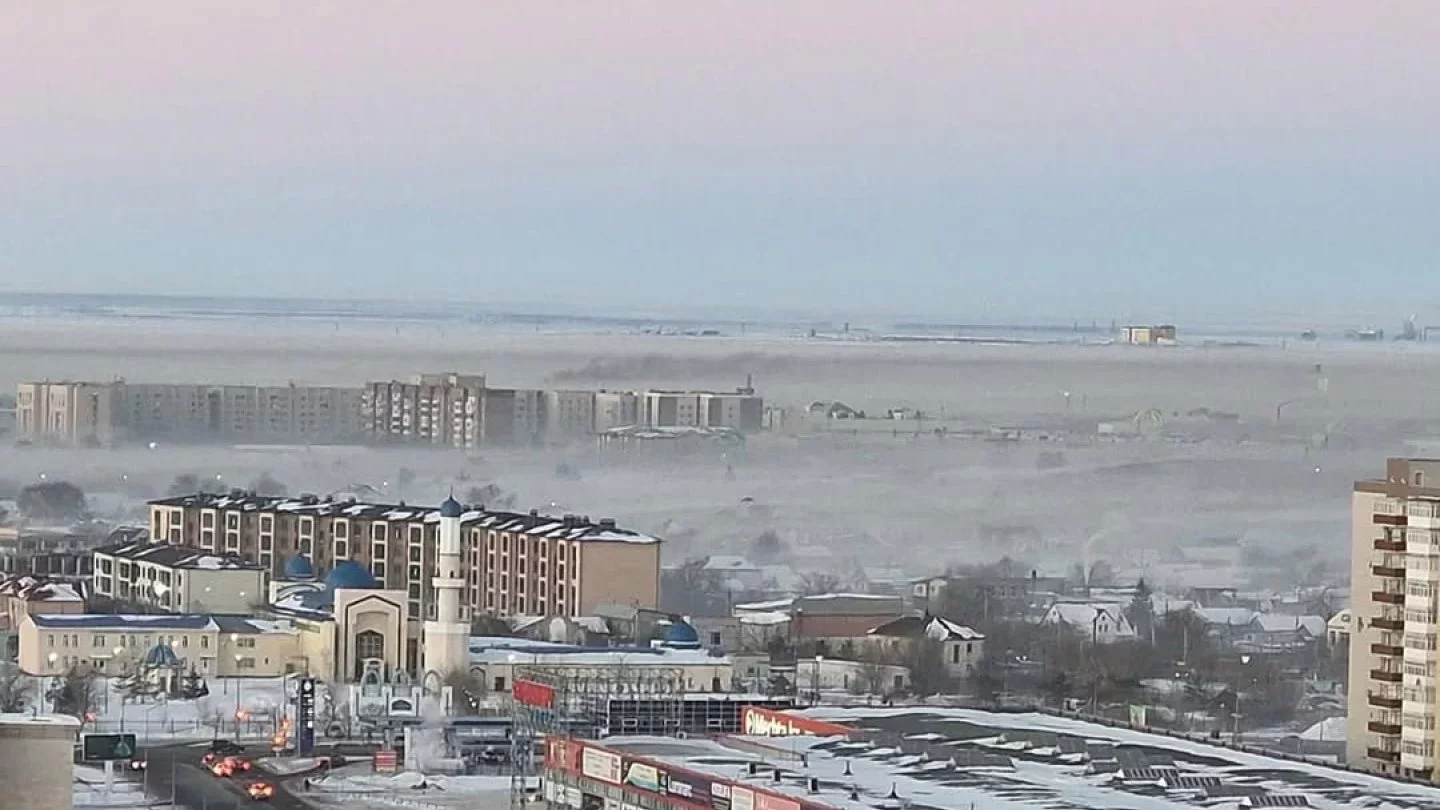 Photo: ekaraganda
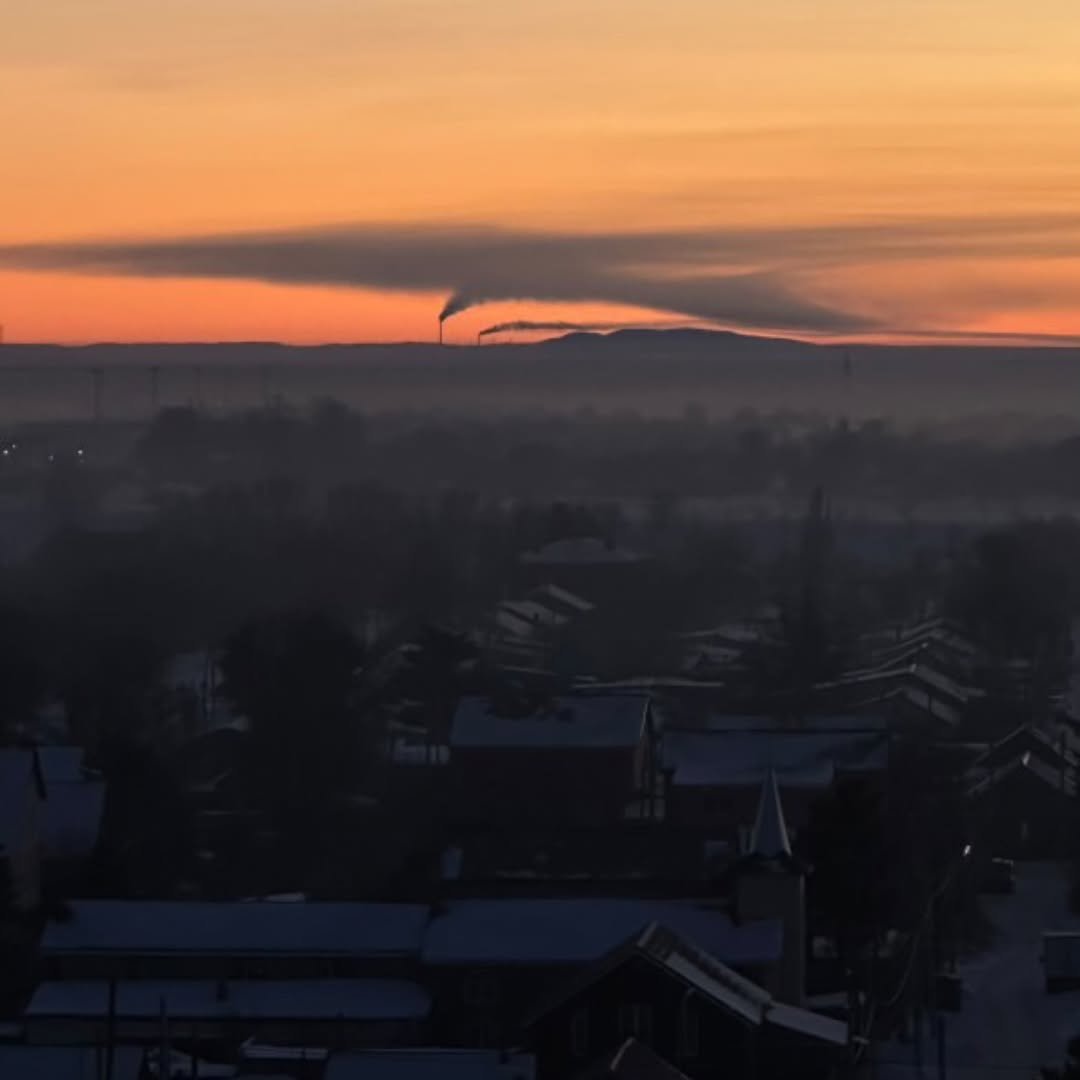
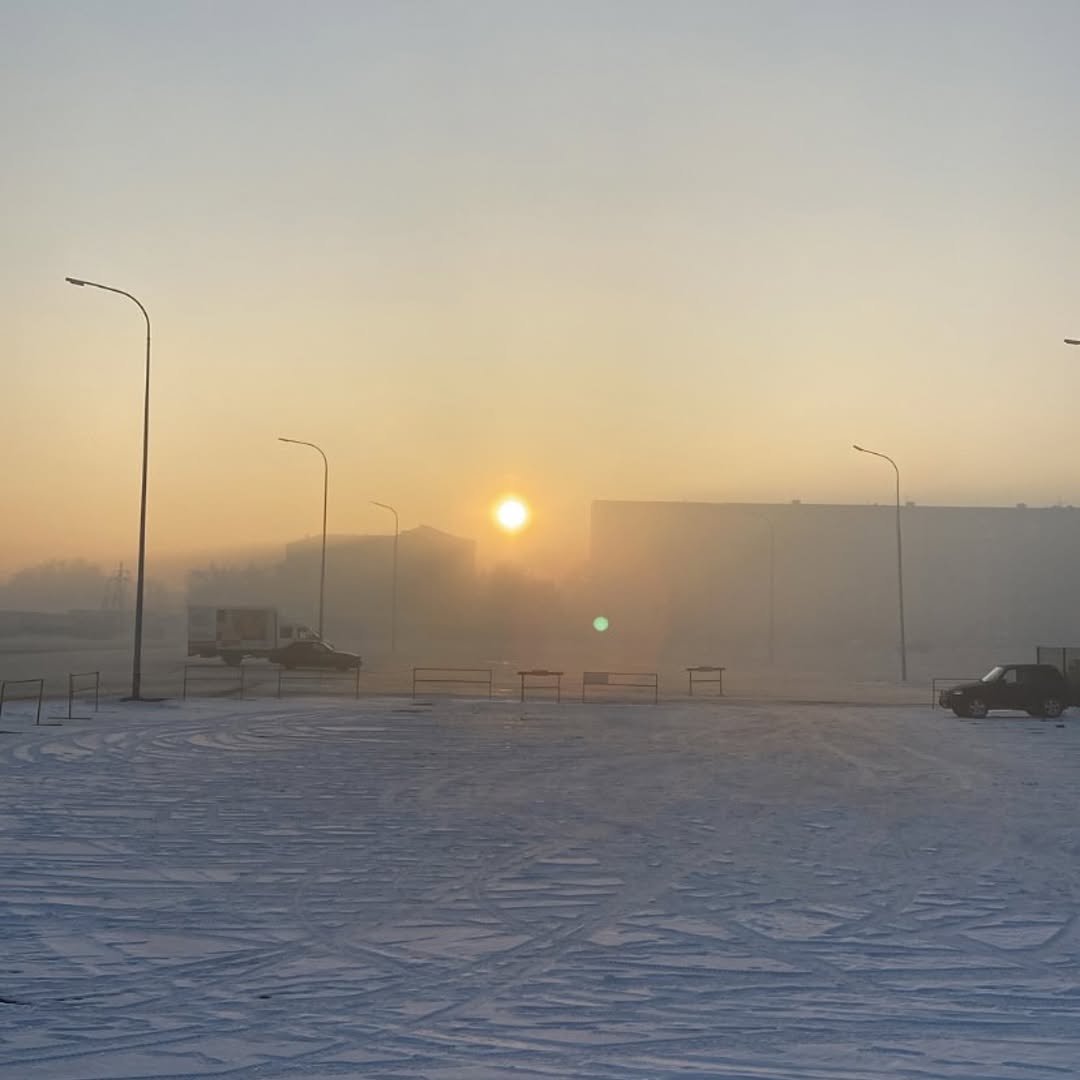
A thick blanket of smog has descended upon the mining capital, becoming particularly visible as evening falls.
An Orda.kz correspondent reports that residents are experiencing health issues, which they attribute to the deteriorating air quality.
While local environmental experts have confirmed that harmful substances in the air exceed normal levels by four times, many locals believe the situation is worse than official reports suggest.
Residents describe symptoms, including throat pain, nasal irritation, and burning sensations.
Though experts conducted air quality measurements, they did so during morning hours when smog levels subsided.
According to the regional ecology department, air samples were collected across several city districts: Southeast, Maykuduq, Prishakhtinsk, Mikhailovka, and the New Market area along Kirpichnaya Street.
Their findings revealed that multiple pollutants — suspended particles, soot, nitrogen oxide and dioxide, sulfur dioxide, and hydrogen sulfide — exceeded maximum permissible concentrations by 1.5 to four times.
RSE Kazhydromet explains that the problem is exacerbated by still air and temperature inversion, a weather phenomenon that traps warm air and allows pollutants to accumulate.
They identify three primary pollution sources: stove heating, poor-quality coal, and vehicle emissions.
Environmental experts note that areas with gas heating show no excessive pollution levels.
However, gas infrastructure only serves a portion of Qaraganda, with the remaining districts waiting until 2030 for gasification.
The situation has worsened as residents increasingly adopt "weekly" stoves, which produce more smoke due to incomplete coal combustion.
Locals also report issues with fuel quality, noting that premium-grade coal is often diluted with inferior products.
Air quality monitoring in Qraganda and Temirtau's industrial zones occurs monthly, while major regional facilities undergo quarterly inspections.
Additional testing only occurs if Kazhydromet detects high or extremely high pollution levels.
Original Author: Inna Rutz
Latest news
- Kazakhstan Prosecutor Opposes Deportation of 16-Year-Old Russian Teen
- Russian TV Channels Taken Off Air in Kazakhstan
- Mistaken Claim? Kazakhstan Denies $1B Contribution to the Board of Peace
- How many Kazakhstanis remain in the Middle East — MFA
- Kazhydromet Warns of High Flood Risk in Five Regions in 2026
- MP Calls for Prosecutor Review of Kazakhstanis’ Dubai Property
- Kazakhstan Moves to Legalize Private Detective Work
- Kazakhstan to Extend Gas Export Ban for Six More Months
- Majilis MP Calls to Soften Liability for Kazakhstanis Drawn into Foreign Wars for Pay
- The Delivery of 51 Stadler Passenger Coaches Has Been Delayed
- Kazakhstan Returns Nearly 1,000 Citizens From the Middle East
- Damaged Baikonur Launch Pad Facility Restored After 2025 Collapse
- A Rare Black Melanist Wolf Was Shot in Eastern Kazakhstan
- Kazakhstan Maintains Neutral Stance on Middle East Escalation
- Kazakh MFA: Citizens Evacuated from the Middle East via Oman and Saudi Arabia
- Kazakhstan to Spend 4.6 Trillion Tenge on Road Projects Through 2029
- Central Asia Competes for the Skies: Why Kazakhstan Risks Falling Behind Uzbekistan on Jet Fuel
- The War in Iran Opens a Window of Opportunity for Kazakhstan’s Oil Sector, Analysts Say
- Iran Conflict Escalates Beyond the Gulf: What Kazakh Experts Say About Risks for Central Asia and Kazakhstan
- Kazakhstan Prepares Possible Evacuation of Its Citizens From Iran
