

Kazakhstan Redirects Kashagan Oil to China Amid CPC Issues
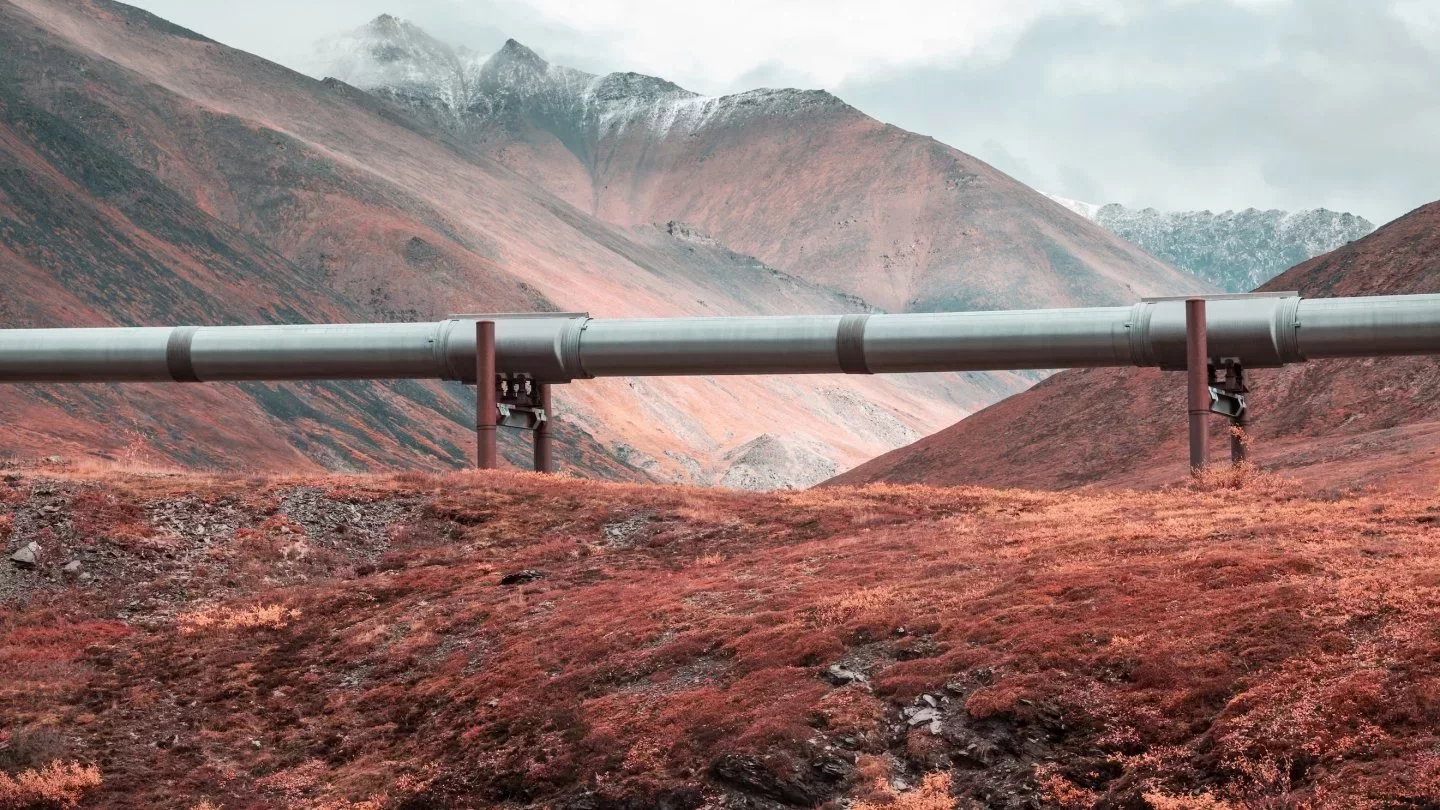 Photo: Elements.envato.com, ill purposes
Kazakhstan has begun redirecting part of its Kashagan crude to China due to the limited capacity of the Caspian Pipeline Consortium (CPC), which is still operating through only one loading point, Orda.kz reports.
Reuters sources say 50,000 tons of Kashagan oil will be shipped to China in December, marking the first direct deliveries from the field via the Atasu–Alashankou pipeline. CNPC is expected to take around 30,000 tons, and Inpex about 20,000 tons.
Both companies are members of the North Caspian Operating Company (NCOC), which develops Kashagan.
The shift comes after a Ukrainian drone strike severely damaged the CPC’s Black Sea terminal. SPU-2 has been taken offline, while SPU-3 remains under scheduled maintenance, leaving only one functioning loading unit.
The CPC normally handles about 1% of the global oil supply and is jointly owned by Russia, Kazakhstan, and the United States.
Kazakhstan’s Energy Ministry has not commented directly but said the country is actively working to secure additional export routes.
The Atasu–Alashankou pipeline, which links Kazakhstan to China’s Xinjiang region, usually transports crude from other fields. Current shipments through the route total 85,000–86,000 tons per month. Kazakhstan had planned to export around 1 million tons through Atasu–Alashankou in 2025, down from 1.2 million tons in 2024; 850,000 tons have already been shipped in the first ten months of this year.
Kashagan is one of the world’s largest oil discoveries of the past four decades, located in the northern Caspian Sea and named after the poet Kashagan Kurzhimanuly.
The CPC terminal is not expected to resume full capacity before December 11. SPU-3’s restart has been delayed by poor weather and diving operations, and repairs to SPU-2 may take months.
As a result of the bottleneck, Kazakhstan’s oil and condensate output fell 6% in the first two days of December, forcing producers to reroute volumes through lower-margin alternatives.
Original Author: Ruslan Loginov
Latest news
- Laser Guidance Systems Begin Testing on Kazakhstan’s Highways
- Kazakhstan Plans Mandatory Labeling for Dietary Supplements and Jewelry
- Chinese Influencer Tao Mingxiu Receives Presidential Award in Kazakhstan
- Kazakhstan Ranks Sixth In the World By Agricultural Land Area
- Uzbekistan Breaks Regional Record In Public Debt Market
- “They Are Not Cattle, You Don’t Vaccinate Them”: Why Zoologists Cannot Save Caspian Seals
- Did The Digital Economy Stumble Over PPP? How The Minister Reacted to the IT Industry’s Problems
- Private Investors to Help Build Juvenile Correctional Facilities in Kazakhstan
- “Like Rotten Eggs”: Residents of Atyrau Again Complain About the Stench in the City
- Digital Passport and Admission Benefits: Kazakhstan Wants to Change Volunteering
- Infected Sunflower Seeds From the U.S. Barred From Entering Kazakhstan
- Almaty Drivers Offered Free Emissions Checks Without Penalties
- Croatia Will Finance Oil Exploration In Aktobe Region
- Half of Kazakhstanis Earn Less Than $1,000 a Month
- Is The Era Of Easy Extraction Over? Resource Development Is Being Rebuilt In Kazakhstan
- How a Kazakhstani Tried to Change His Ethnicity Through the Courts — and What Came of It
- Economist Names Kazakhstan Regions Lagging in Investment Transparency
- 14-Year-Old In Tesla Tries To Flee Police In Astana
- When a Michelin-Recognized Restaurant Will Open in Almaty, Akimat Says
- Transfers To China From Kazakhstan Fall To Six-Year Low
