

Kazakhstan: Nuclear Energy to Be Equated with Renewable Energy
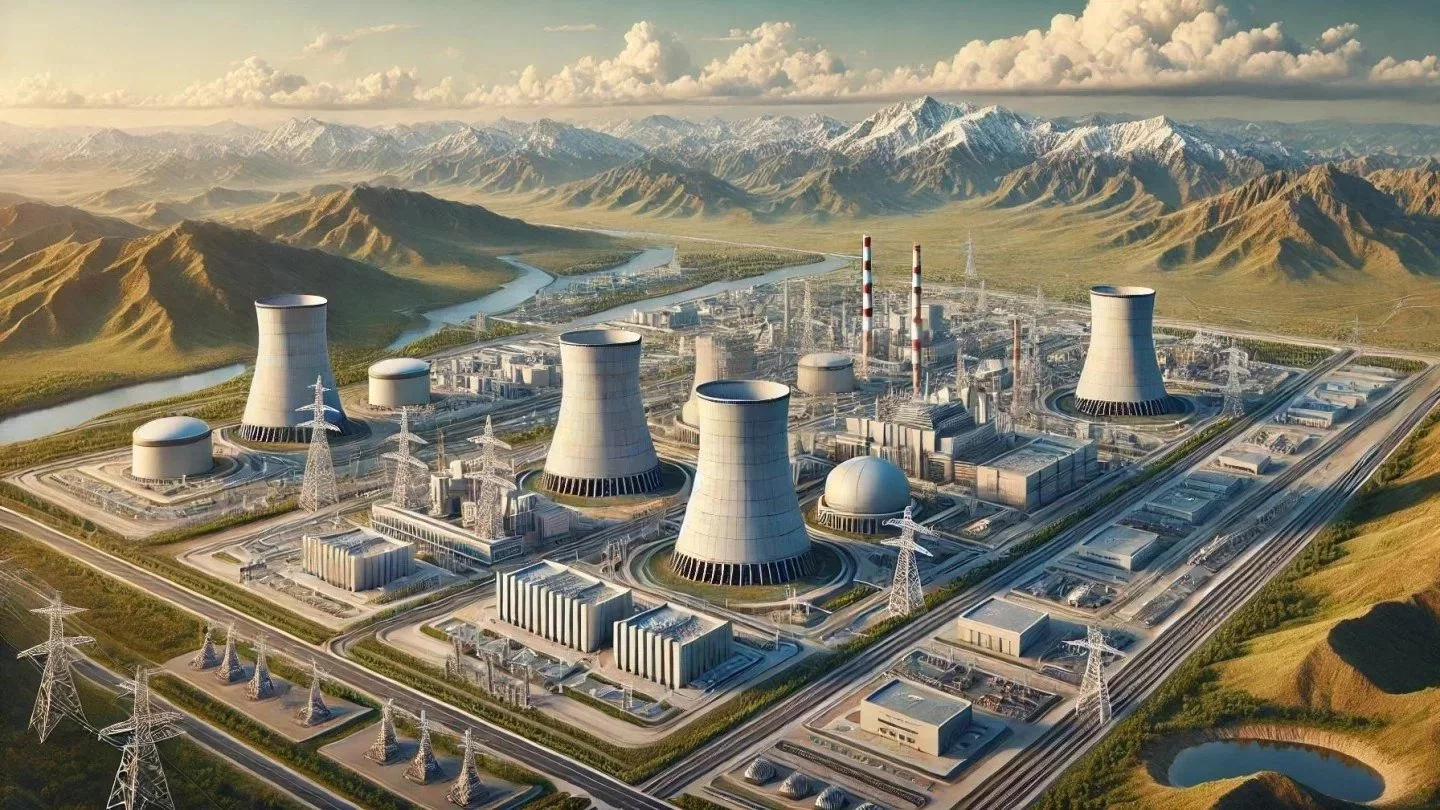 Photo: DALL-E
The same preferences that apply to renewable energy sources will be extended to nuclear energy in Kazakhstan. Orda.kz reports that such a clause is in the advisory document to a draft law posted on the Open NPA portal.
The advisory document to the draft law "On Amendments and Supplements to Certain Legislative Acts of the Republic of Kazakhstan on the Development of Alternative Energy Sources" was published on October 18.
Its public discussion will last until November 11. It lists the issues that must be overcome to develop alternative energy sources in Kazakhstan and analyzes international practice.
Those who drafted it note that for 2023, the share of renewable energy sources in total generation amounted to 6.72 billion kilowatt-hours. This figure is more than a third higher than the 2022 one, but renewable sources still provide only about six percent of electricity production in Kazakhstan. The country began to generate more energy from wind turbines and solar panels but less from other alternative sources.
Meanwhile, greenhouse gas emissions are only growing. Kazakhstan is among the top 30 countries polluting in this regard. In 2021, the emissions were estimated at 290 million tons per year; in 2022, they were already at 320 million tons. Thus, alternative energy sources and stimulation at the legislative level are introduced actively via preferential tariffs, tax breaks, grants, and subsidies.
According to the authorities' plans, the builders of Kazakhstan's first nuclear power plant will also be able to receive such benefits and subsidies in the future. One problem noted in the document above is "the lack of a definition of nuclear energy as an alternative energy source and corresponding preferences."
Kazakhstan plans to follow the European Union's example, where nuclear power plants have been classified as "green" and climate-friendly energy sources since 2022.
We consider it appropriate to adopt this experience in Kazakhstan in connection with plans to develop the nuclear industry, as well as the general obsolescence of basic energy capacities and the need to replace them, the document says.
Another industry is the production of "green hydrogen." This is the only category of alternative energy for which the document's drafters foresee significant risks: a possible water resource shortage.
Original Author: Nikita Drobny
Latest news
- Kazakhstan Prosecutor Opposes Deportation of 16-Year-Old Russian Teen
- Russian TV Channels Taken Off Air in Kazakhstan
- Mistaken Claim? Kazakhstan Denies $1B Contribution to the Board of Peace
- How many Kazakhstanis remain in the Middle East — MFA
- Kazhydromet Warns of High Flood Risk in Five Regions in 2026
- MP Calls for Prosecutor Review of Kazakhstanis’ Dubai Property
- Kazakhstan Moves to Legalize Private Detective Work
- Kazakhstan to Extend Gas Export Ban for Six More Months
- Majilis MP Calls to Soften Liability for Kazakhstanis Drawn into Foreign Wars for Pay
- The Delivery of 51 Stadler Passenger Coaches Has Been Delayed
- Kazakhstan Returns Nearly 1,000 Citizens From the Middle East
- Damaged Baikonur Launch Pad Facility Restored After 2025 Collapse
- A Rare Black Melanist Wolf Was Shot in Eastern Kazakhstan
- Kazakhstan Maintains Neutral Stance on Middle East Escalation
- Kazakh MFA: Citizens Evacuated from the Middle East via Oman and Saudi Arabia
- Kazakhstan to Spend 4.6 Trillion Tenge on Road Projects Through 2029
- Central Asia Competes for the Skies: Why Kazakhstan Risks Falling Behind Uzbekistan on Jet Fuel
- The War in Iran Opens a Window of Opportunity for Kazakhstan’s Oil Sector, Analysts Say
- Iran Conflict Escalates Beyond the Gulf: What Kazakh Experts Say About Risks for Central Asia and Kazakhstan
- Kazakhstan Prepares Possible Evacuation of Its Citizens From Iran
