

Kazakhstan Moves Forward with Second Phase of Northern Aral Sea Project
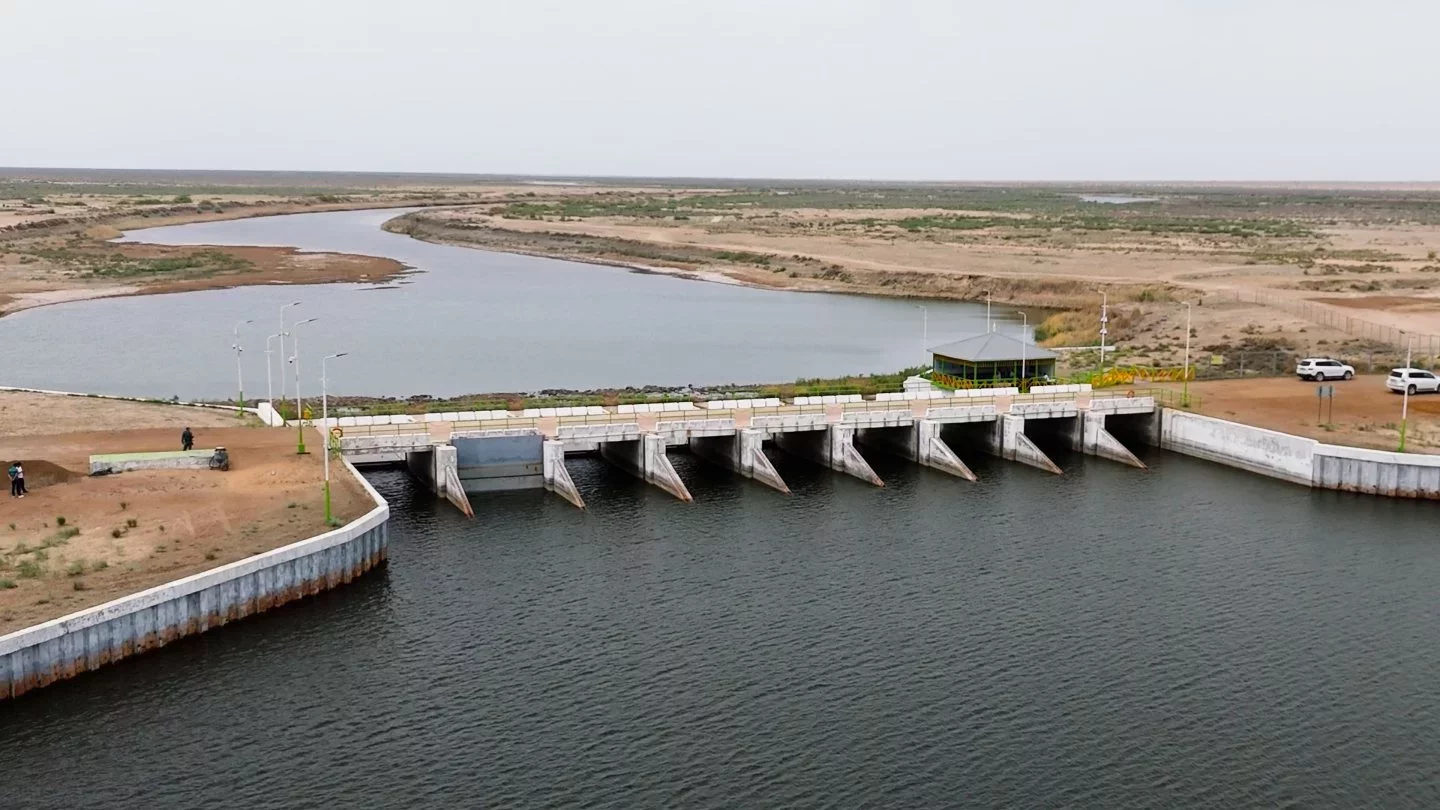 Photo: RK MinWat
To help preserve the Northern Aral Sea, Kazakhstan will reconstruct the Kokaral Dam and build a hydroelectric complex near the village of Amanotkel in the Qyzylorda region, Orda.kz reports, citing the Ministry of Water Resources and Irrigation.
A grant from the World Bank for Europe and Central Asia has been allocated for the development of the project’s feasibility study. The Ministry has called it the “environmental project of the century.”
This marks the second phase of the Northern Aral Sea conservation effort. The first phase resulted in a 42% increase in the sea’s water volume, a nearly fourfold decrease in salinity, an annual fishery yield of 8,000 tons, and the flooding of 870 square kilometers of previously dry seabed.
The feasibility study for the second phase is nearing completion. It includes plans to reconstruct the Kokaral Dam and raise the sea level to 44 meters according to the Baltic system. The hydroelectric complex near Amanotkel is intended to stabilize water resources in the Aqshatau and Qamystybas lake systems in the Aral district of the Qyzylorda region.
Once completed, the water surface area of the Northern Aral is expected to reach 3,913 square kilometers, with a volume of 34 cubic kilometers. Officials estimate it will take 4–5 years to reach these levels.
The choice of this option for preserving the sea is based on the results of the analysis and assessment of the average annual volumes of water inflow in the Syr Darya River basin from 1913 to 2019, as well as on the physical parameters of the reservoirs,
the Ministry stated.
Several project options were reviewed in consultation with local residents. Authorities say the selected approach offers the most realistic timeline and reflects current water availability in the Syr Darya basin.
World Bank Regional Director for Europe and Central Asia Sameh Wahba affirmed the Bank’s interest in continuing to support the effort:
The Northern Aral Sea conservation project is very important for us, as it shows the whole world an example of restoring an entire ecosystem.
The Ministry expects to receive an expert opinion on the feasibility study by December 2025.
Previously, the Ministry acknowledged that a complete restorationof the Aral Sea is not possible, according to scientific assessments, but emphasized Kazakhstan’s ongoing commitment to expanding the water area and improving the ecosystem’s condition.
Original Author: Oksana Matvienko
Latest news
- A Russian Teen Who Crossed Into Kazakhstan on Foot Wins Appeal Against Expulsion
- Regional Revenues, Global Instability, And The Referendum: What Tokayev Told Deputies
- Digitalization Of Customs Or New Barriers? What Entrepreneurs Fear In Kazakhstan’s New KEDEN System
- Astana Could Become An International Aviation Leasing Hub
- Kazakhstan’s First Tagged Eurasian Black Vulture Found Dead in India
- Kazakhstan Replaces Russian Turbines With Chinese Equipment for Ekibastuz Power Plant No. 2
- How Kazakhstan, Uzbekistan, And Azerbaijan Will Export Electricity To Europe
- Kazakhstan Explains How Russians Who Fled Mobilization Can Be Deported
- Kazakhstan and Japan discuss hydrogen partnership with export potential
- Russia Thanks Tokayev for Initiative to Support Russian Language
- Almaty Could Restrict Cars Under Beijing-Style Anti-Smog Plan
- Tigers in Kazakhstan Are in No Rush to Breed
- What Changes Are Being Prepared Under the New Tax Code
- Alcohol and Tobacco Prices in Kazakhstan See Sharpest Monthly Rise in 15 Years — Analysts
- Middle East Conflict Will Not Lead to Higher Gasoline Prices in Kazakhstan — Minister
- Five Regions of Kazakhstan Face Higher Flood Risk This Spring
- Kazakhstan Ratifies Turkic States Civil Protection Deal
- Astana Enters Top 100 Safest Cities as Smart City Project Expands
- Almaty Cameras to Record New Driver Violations Starting March 12
- Kazakhstan Suspended 11 Polling Stations Abroad Due to Middle East Escalation
