

Kazakhstan Develops Its First Homegrown Microchip
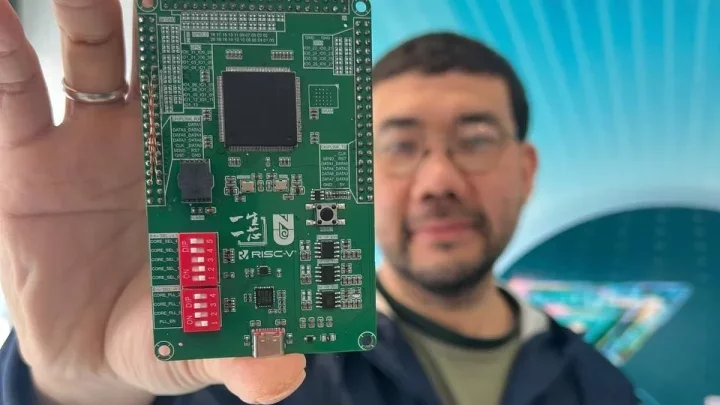
Kazakhstan has officially stepped into the semiconductor industry. Researchers from Nazarbayev University have successfully developed the country's first microprocessor, Orda.kz reports.
Prime Minister Olzhas Bektenov recently emphasized the need for science to drive the creation of high-tech, export-oriented enterprises and strengthen the link between research and production.
The development of this microchip at a Kazakh research university is a tangible step in that direction.
According to Nursultan Kabylkas, Assistant Professor at NU's School of Engineering and Digital Sciences, the project is more than just an innovation — it’s a gateway into the global semiconductor industry.
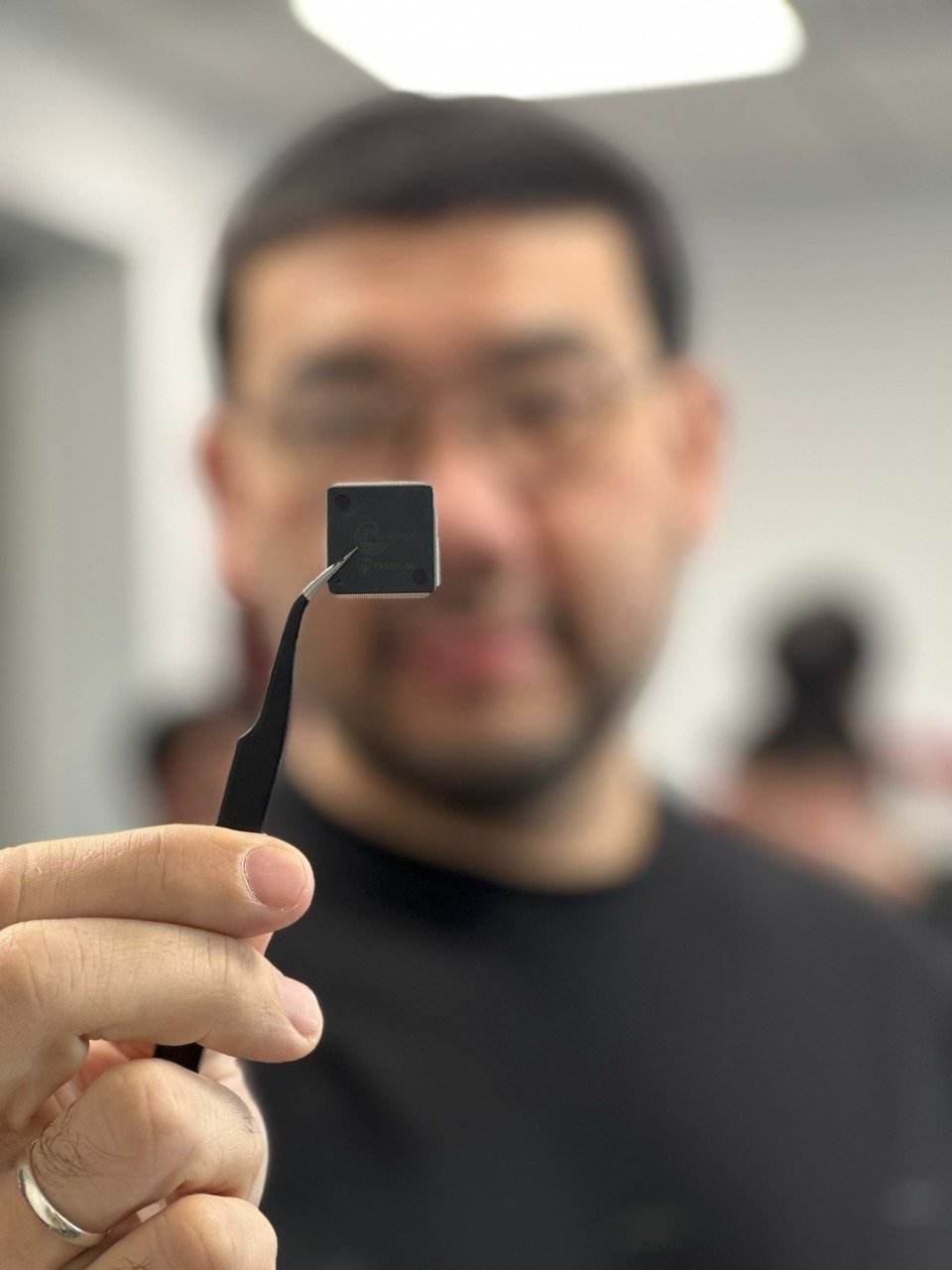
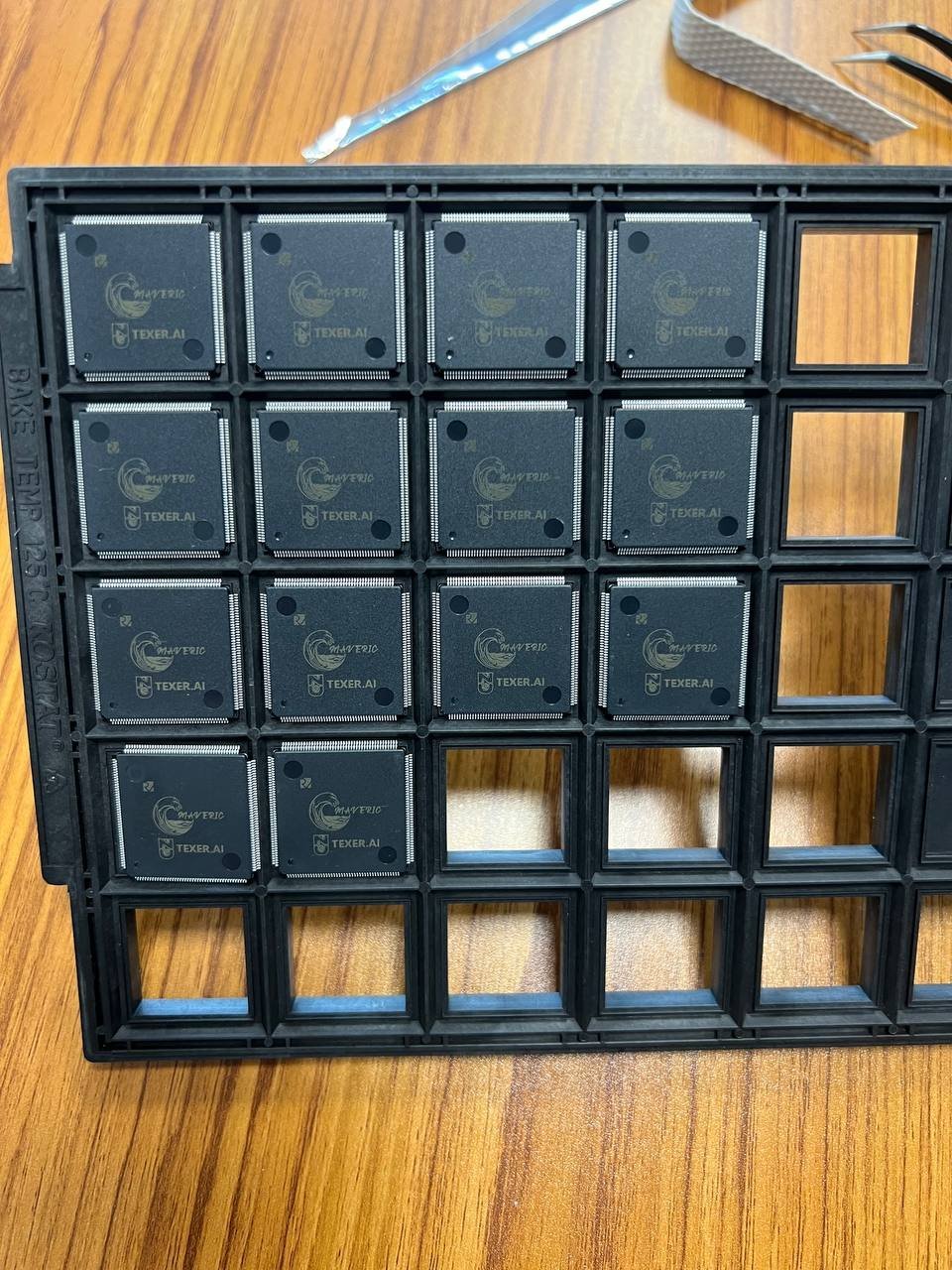
It took us three months to develop and test the final processor. We had already worked on simpler prototypes, so the adaptation process was quick. The most time-consuming stage was manufacturing, but our direct involvement in that was minimal — it was handled at a production facility, so we were essentially waiting for the finished chip,Kabylkas shared.
The project was made possible through an international collaboration with the University of the Chinese Academy of Sciences and the Beijing Institute of Open Source Chip.
The Kazakh team successfully integrated their design into their partners’ mass production process, allowing them to manufacture the microchip at no cost — an achievement that further motivated the researchers. The startup TEXER.AI, founded by Kazakh scientists, played a crucial role in the project, alongside grant funding from QazInnovation.
Developing the processor required not only technical expertise but also strong institutional support. The NU Endowment Fund and NIS provided essential resources, enabling scientific breakthroughs within the university’s labs.
Our team consists of talented, motivated young professionals — primarily NU students and graduates working in our labs,said Kabylkas.
The newly developed processor is designed for automated systems, such as programmable logic controllers (PLCs), where reliability and predictability matter more than high performance.
Moving forward, the research group and TEXER.AI plan to focus on developing Electronic Design Automation (EDA) tools — software solutions for designing and verifying electronic devices and microcircuits.
The team sees this first "Designed in Kazakhstan" chip as a foundation for building a technological ecosystem, paving the way for the country's integration into the global semiconductor industry. It also opens new opportunities for scientific research, education, and technological innovation.
Original Author: Maria Kravtsova
Latest news
- Orda.kz Editorial Team to Cease Operations on September 1
- The Price of a Degree: How Students in Kazakhstan Pay for University
- Second Przewalski’s Horse Foal Born as Species Returns to Kazakhstan
- Kazakh Mining Companies Can Recalculate Purchases if Tenge Weakens
- Kazakhstan Names First Vice President in Three Decades
- What Almaty’s Bus Shelters Are Missing
- 400-Truck Queue Builds at Kazakh–Kyrgyz Border
- Kazakhstan Ready to Help Feed and Rebuild Gaza
- Tokayev Establishes New Presidential Security Body
- Almaty Takes Back Its Nearly Century-Old Hippodrome
- No More Guesswork on Savings: Kazakhstan Tightens Energy Audits for Businesses
- Public Money Could Be Used to Rescue Failing Kazakh Banks
- Third Kazakh Woman Reported Missing in Nepal-China Flood Zone
- Falconer Convicted Over 35 Protected Birds, Spared Punishment Under Amnesty
- Kazakh Citizen Detained in Yakutia in Phone Fraud Case
- Yuan Instead of Dollars? KazMunayGas Draws Record Demand in Asia
- China Gains Oil-Market Influence as OPEC+ Weakens
- Kazakhstan to Divide Smartphones Into White, Gray and Black Lists
- Kazakhstan’s Government Formally Resigns as First Kurultai Session Opens
- Rare Lynx Sighting Recorded in Northern Kazakhstan
