

Kazakhstan Authorities Tighten Oversight of Heat Supply Sector
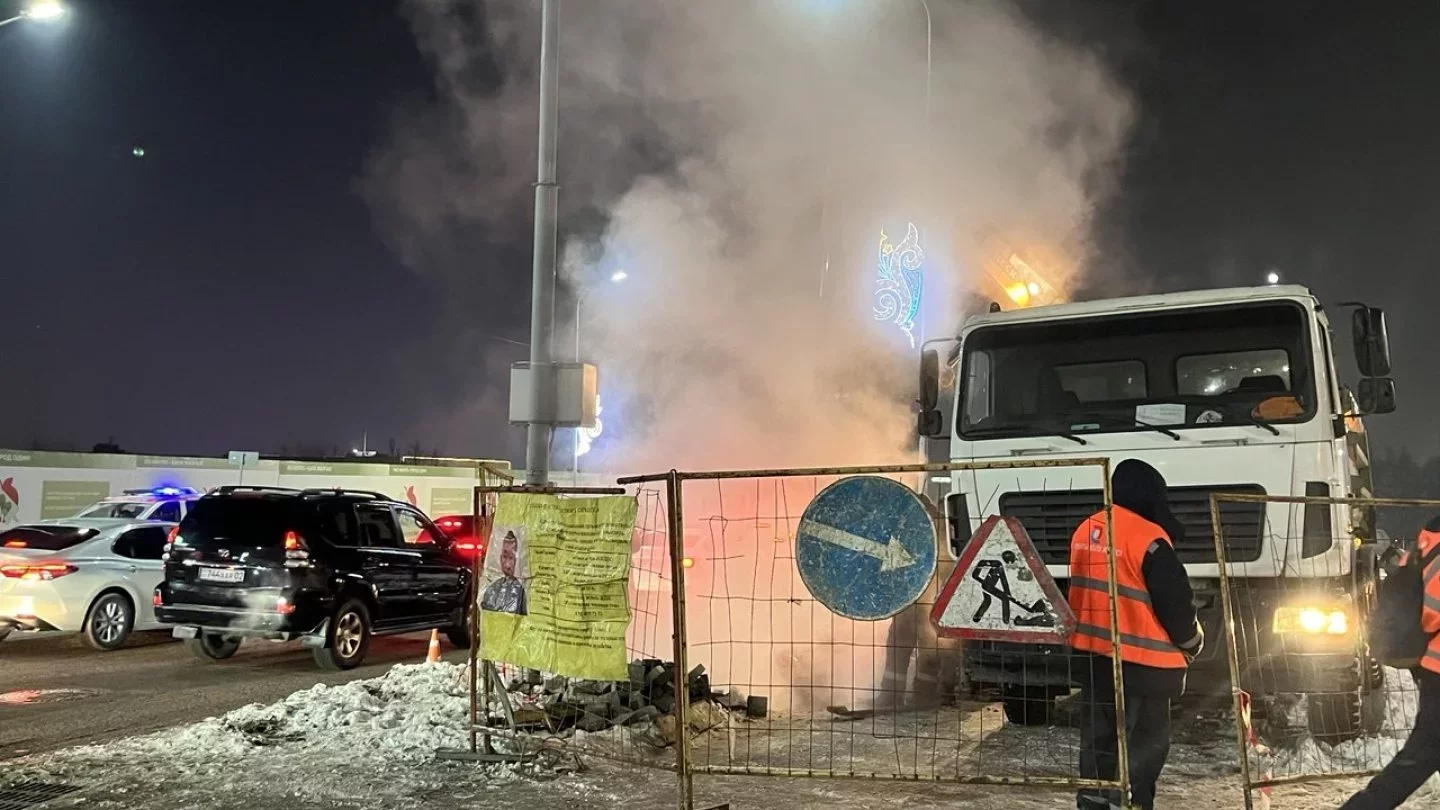 Photo: Orda
The government has taken steps to improve regulation and oversight of the heat supply sector following a large-scale audit by the Supreme Audit Chamber, Orda.kz reports.
According to the Supreme Audit Chamber (SAC), one of the most significant changes is that oversight of heating networks and centralized heat supply has been moved to the national level.
Previously managed by local Akimats, these responsibilities now lie with the Committee for Atomic and Energy Supervision and Control under the Ministry of Energy of the Republic of Kazakhstan, and with expanded authority.
Administrative liability for violations that often lead to heating season disruptions has been strengthened:
- Failure to complete necessary repairs now carries a fine of 50 MCI (196,600 tenge)
- Lack of fuel reserves in winter will result in a fine of 1,000 MCI (3,932,000 tenge)
- Failing to obtain a readiness passport on time now results in a fine of 1,500 MCI (5,898,000 tenge), up from 300 MCI (1,179,600 tenge)
This readiness passport, once seen as a mere formality, is now a key indicator of preparedness for the heating season.
The responsibility for stable heating services has been elevated as well:
Personal responsibility for the stable passage of the heating season is assigned to the deputy Akims of regions and cities of republican significance (political civil servants). In addition, new tools for monitoring and control of industry participants were introduced. Including in terms of the operation and technical condition of key thermal power facilities,
The SAC explained.
The authorities expect these changes to enhance the system’s reliability, reduce the risk of accidents, improve service quality, and increase transparency for both citizens and businesses.
Previously, Orda.kz reported on the Yekibastuz thermal power plant incident, which left 149 multi-story buildings, 114 private residences, and 15 social facilities without heat.
The incident was attributed not only to regulatory issues but also to poor management.
An investigation found that a frozen impulse line caused false readings, leading to operator error. The plant, built 68 years ago, was previously owned by Forbes-listed businessmen Alexander Klebanov and Sergey Kan. After the incident, it was placed under the management of Samruk Energy.
Original Author: Alina Pak
Latest news
- Kazakhstan Replaces Russian Turbines With Chinese Equipment for Ekibastuz Power Plant No. 2
- How Kazakhstan, Uzbekistan, And Azerbaijan Will Export Electricity To Europe
- Kazakhstan Explains How Russians Who Fled Mobilization Can Be Deported
- Kazakhstan and Japan discuss hydrogen partnership with export potential
- Russia Thanks Tokayev for Initiative to Support Russian Language
- Almaty Could Restrict Cars Under Beijing-Style Anti-Smog Plan
- Tigers in Kazakhstan Are in No Rush to Breed
- What Changes Are Being Prepared Under the New Tax Code
- Alcohol and Tobacco Prices in Kazakhstan See Sharpest Monthly Rise in 15 Years — Analysts
- Middle East Conflict Will Not Lead to Higher Gasoline Prices in Kazakhstan — Minister
- Five Regions of Kazakhstan Face Higher Flood Risk This Spring
- Kazakhstan Ratifies Turkic States Civil Protection Deal
- Astana Enters Top 100 Safest Cities as Smart City Project Expands
- Almaty Cameras to Record New Driver Violations Starting March 12
- Kazakhstan Suspended 11 Polling Stations Abroad Due to Middle East Escalation
- Kazakhstan’s Foreign Ministry Comments on Disappearance of Citizen After South Korea Factory Fire
- ChatGPT Among AI Tools Recommended for School Lessons in Kazakhstan
- Missing Kazakh Woman Found in Vietnam Four Days Later
- Seven-Year-Old Kazakh Girl Returned From Georgia Following Six Months of Diplomatic Efforts
- Kazakhstan Plans to Rent 11 Helicopters for 22 Billion Tenge Ahead of the Fire Season
