

Kazakhstan and Uzbekistan May Become Central Asia’s “Germany and France”
 Orda.kz
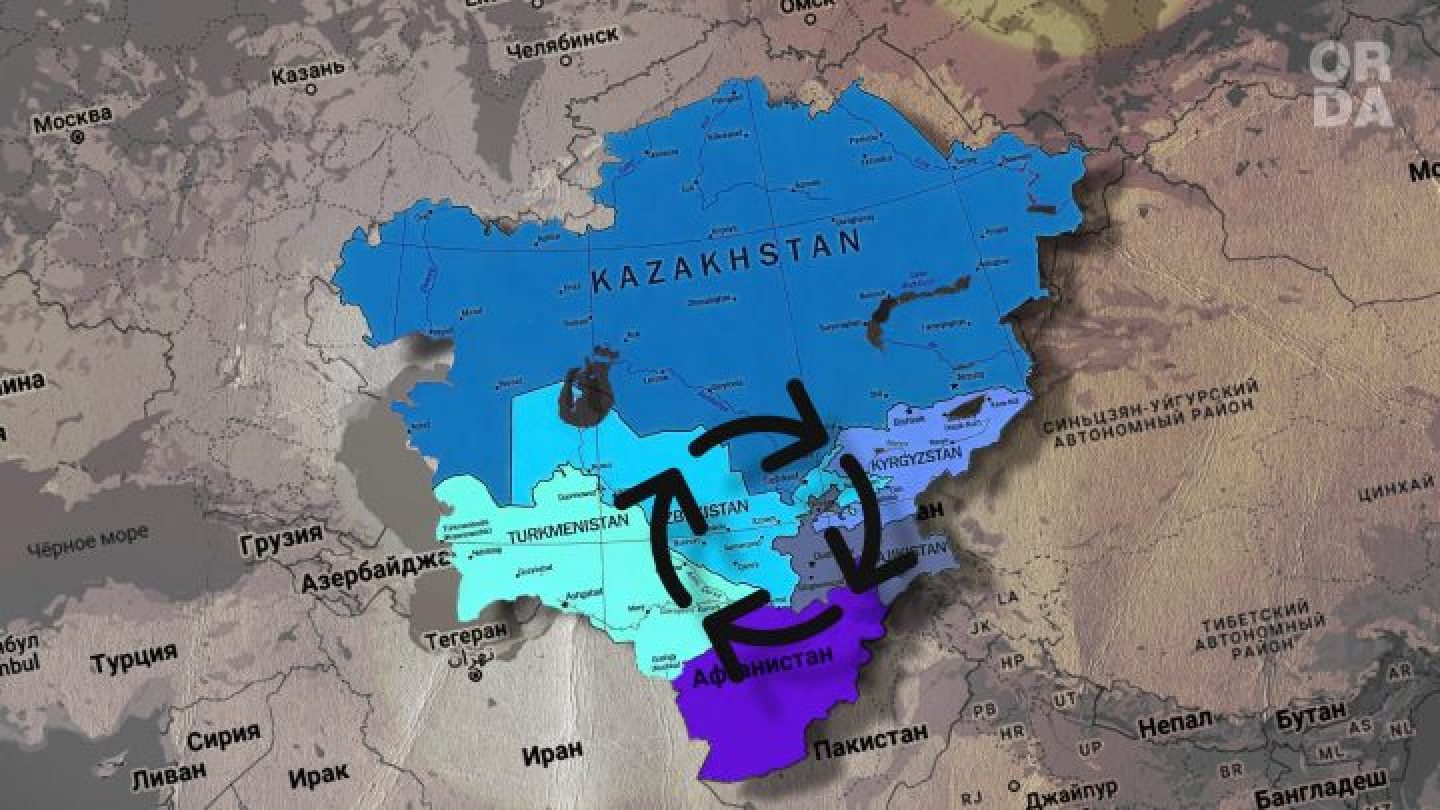
This was discussed in Almaty at the СAMСA forum, which unites the countries of Central Asia, the Caucasus, Mongolia and Afghanistan. 200 participants from 13 countries discussed the prospects for close cooperation within the region. An Orda correspondent attended the event and talked with experts who assessed the possibilities of integration in the region.
Kazakhstan is hosting the forum for the second time. The first time was back in 2014, in Astana, while the second was in Almaty. The rest took place in other countries. Businessmen, politicians, scientists and experts attend the forum.
The general message of the event is that it's time to begin active cooperation, both within the region and with the outside world.
A Once “Forgotten” Region
It is premature to talk about integration, as in the European Union or similar unions. Many experts are sure that this is not necessary. The head of the American Institute for Central Asian and Caucasian Studies, Frederick Starr, in an interview with Orda.kz agreed that 10 years after the appearance of the forum, Central Asia was the focus of the entire world community's close attention:
"For more than 30 years of independence, the countries of the region have been able to preserve their sovereignty and build their own states. This is already a success. I don't like the term "integration", there’s something Soviet about it. It is obvious that the Central Asian countries are not going to sacrifice their sovereignty and their identity. They need coordination and cooperation. Now it's time to build institutions that will connect Central Asia."
The trigger for this was the war in Ukraine and the titanic shifts that the world experienced after it began. A huge number of international companies have left Russia and logistics chains are undergoing a total restructuring. The companies’ main offices were previously located in Moscow and they supplied their products from Russia, including to the countries of Central Asia and the Caucasus.
"I think the West previously neglected Central Asia, but now we have realized that preserving the independence and sovereignty of this region is important for the whole world. Concern about this is growing in the West, including in Washington. Mr. Toqayev often visits Moscow and China, and we believe that he should visit Brussels and Washington more often,"
The Director of the American Institute told Orda.
A Union of Coal and Steel
During the panel session on the geopolitical prospects of Central Asia, the Caucasus, Mongolia and Afghanistan, Kazakhstani political scientist, Dosym Satpayev, delved into the EU’s origin. France and Germany became its founders after the Second World War. They concluded an alliance on duty-free trade for coal and steel, which became so attractive that it interested their neighbors. Mr Satpayev told an Orda correspondent more about how he sees the situation.
"Firstly, we have a common geographical destiny, and secondly, an economic pragmatic policy. Because each of our countries is not very interesting for big business. There are 20 million of us in Kazakhstan, more than 30 million in Uzbekistan. If we take the region as a whole, this is already a serious figure. And then the region becomes much more interesting,"
Satpayev said.
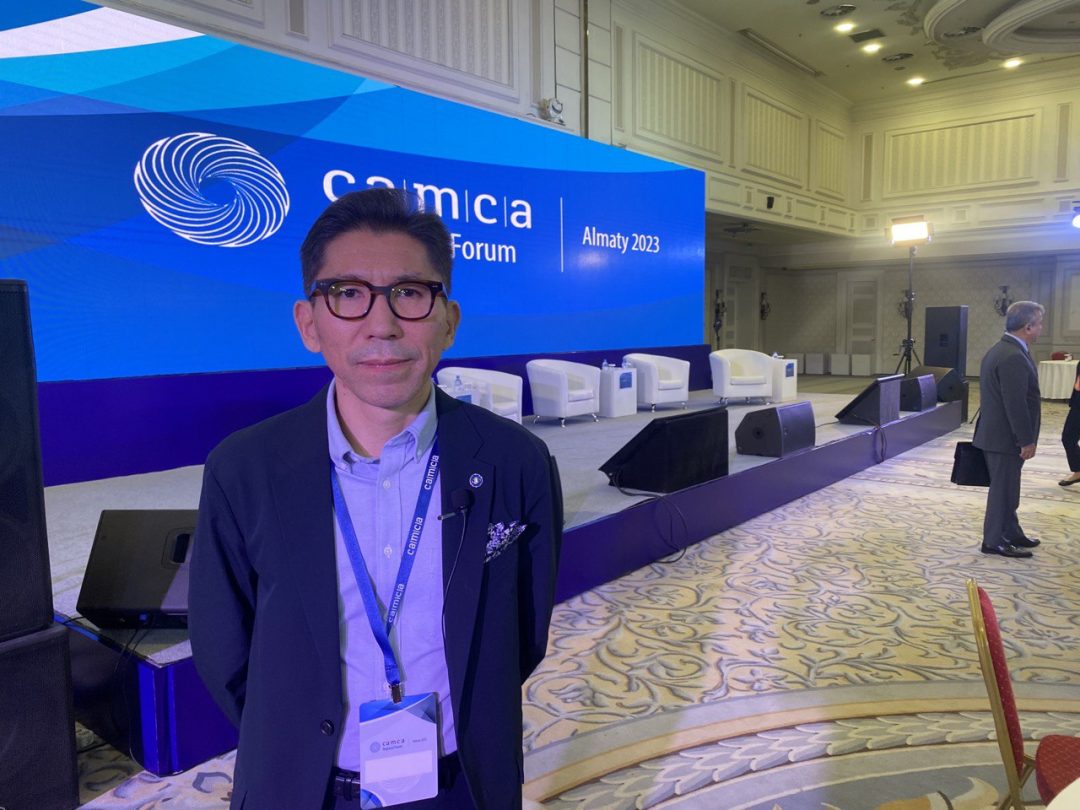
The political scientist is confident through cooperation it will be possible to solve other problems, primarily ones with water resources. Before the war, each country had been "feathering their own nests”. Or moved in different directions, as it was in the early 1990s. Therefore, all attempts at integration in the region (there were several of them) failed miserably. Now, against the background of the war, Kazakhstan and Uzbekistan, as the largest economies, can change this.
"They can become an analogue of France and Germany. This is an important thesis, because when two large states start to show an example, then others will catch up. If we pull Azerbaijan up, then we will create a regional bloc that will help us consolidate our positions. Now there is a unique situation when, against the background of geopolitical chaos, our region can become a leader not only in the post–Soviet space, but also on the Eurasian continent,"
Satpayev said.
According to the expert, political will, political and economic development, and human capital are key. We also need to be ready for an innovative revolution, including the development of artificial intelligence. Saptayev is confident that Central Asia can become an analogue of Silicon Valley in the development of "green energy", becoming a testing ground for startups engaged in solar, wind, and other types of energy.
Uzbekistan Is Also “For"
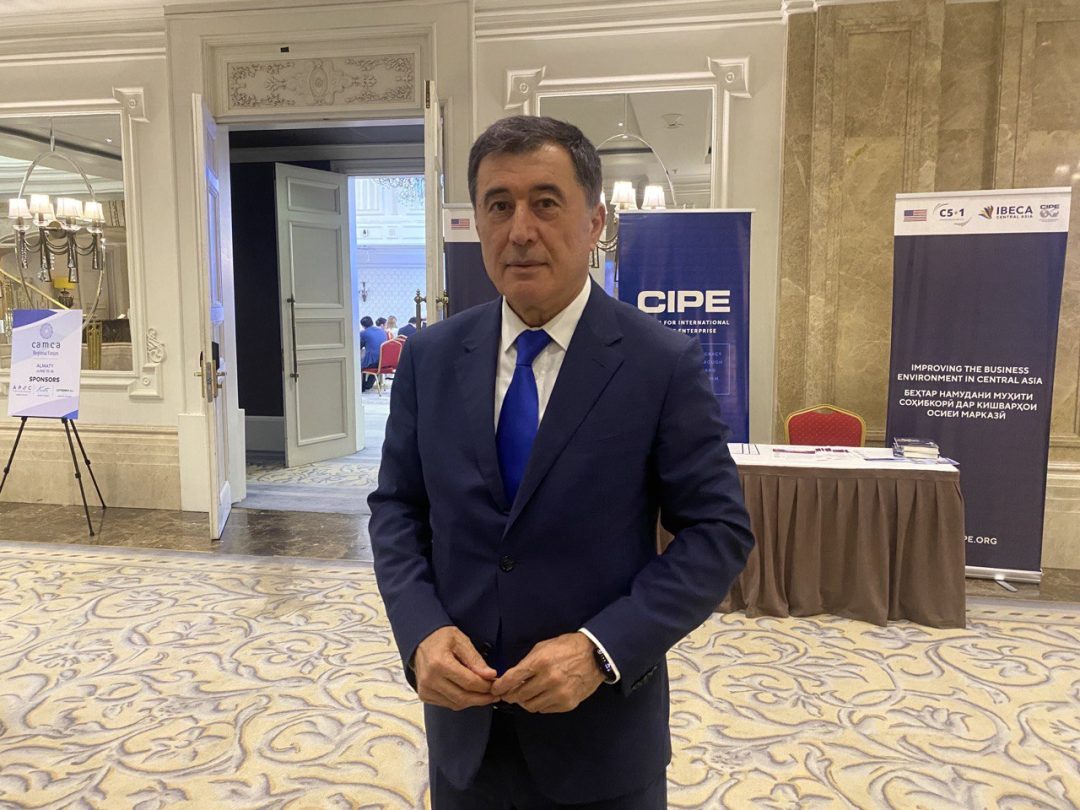
Tashkent is also showing interest in the development of cooperation in the region. This was confirmed by the speeches of the first Vice-chairman of the Senate of the Oliy Majlis, Sodyk Safoev, and the former Foreign Minister of the Republic, and now director of the International Institute of Central Asia ,Vladimir Norov.
"It's no secret that Kazakhstan and Uzbekistan are the locomotives of regional cooperation and integration. Because the two states have their own huge opportunities. Uzbekistan is the core of the region, it borders with all the countries of Central Asia, including Afghanistan. And historically, the territory of Uzbekistan has been the center of economic and civilizational development of the entire region. Now Uzbekistan has a booming economy, but our geographical position, there are two borders to the sea, forces us to look for new ways to export,"
Norov told the correspondent Orda.kz .
Uzbekistan had previously been a closed country with complex currency conversions that scared off investors. Now the trade turnover between Kazakhstan and Uzbekistan has grown from $1.5 billion in 2016 to $5 billion in 2023.
According to Norov, at the end of this year, an international industrial cooperation center will start operating on the border of the two countries, a joint production of cars is being created, and agreements worth $8 billion have been signed with Kazakhstan. Uzbekistan is building a railway with China and Kyrgyzstan, with the future possibility of expanding it to the south towards Afghanistan, as well as to the west – to the Kazakh port of Aqtau. Tashkent also signed an agreement on duty-free trade for six thousand items.
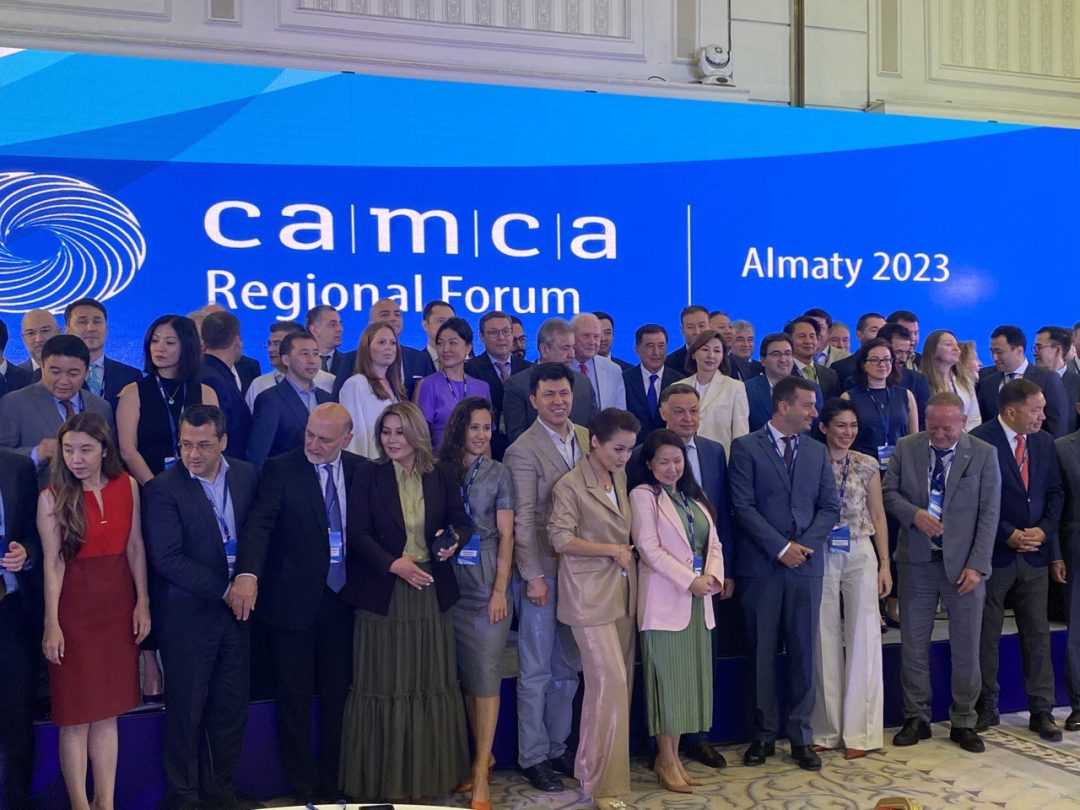
All participants of the forum agree on the need to develop transport infrastructure to increase the delivery of goods from Europe to China. Indeed, the Trans–Caspian International Transport Route and ideally the North-South route, which can connect Russia with ports in the Indian Sea, should receive such attention.
At the same time, the situation in Afghanistan remains a pressing issue. Politicians and a number of experts from Central Asian countries do not oppose the development of bilateral cooperation with the Taliban government. Solving such issues will have to take place one way or another for the sake of mutual security.
Original Author: Maksim Skopin
DISCLAIMER: This is a translated piece. The text has been modified, the content is the same. Please refer to the original piece in Russian for accuracy.
Latest news
- Orda.kz Editorial Team to Cease Operations on September 1
- The Price of a Degree: How Students in Kazakhstan Pay for University
- Second Przewalski’s Horse Foal Born as Species Returns to Kazakhstan
- Kazakh Mining Companies Can Recalculate Purchases if Tenge Weakens
- Kazakhstan Names First Vice President in Three Decades
- What Almaty’s Bus Shelters Are Missing
- 400-Truck Queue Builds at Kazakh–Kyrgyz Border
- Kazakhstan Ready to Help Feed and Rebuild Gaza
- Tokayev Establishes New Presidential Security Body
- Almaty Takes Back Its Nearly Century-Old Hippodrome
- No More Guesswork on Savings: Kazakhstan Tightens Energy Audits for Businesses
- Public Money Could Be Used to Rescue Failing Kazakh Banks
- Third Kazakh Woman Reported Missing in Nepal-China Flood Zone
- Falconer Convicted Over 35 Protected Birds, Spared Punishment Under Amnesty
- Kazakh Citizen Detained in Yakutia in Phone Fraud Case
- Yuan Instead of Dollars? KazMunayGas Draws Record Demand in Asia
- China Gains Oil-Market Influence as OPEC+ Weakens
- Kazakhstan to Divide Smartphones Into White, Gray and Black Lists
- Kazakhstan’s Government Formally Resigns as First Kurultai Session Opens
- Rare Lynx Sighting Recorded in Northern Kazakhstan
