

How Will Rising Grain Prices Affect Food Prices? — Experts’ Forecast
 Photo: DALL-E
Kazakhstan farmers and consumers are keeping an eye on what 2025 will bring for grain prices and products.
Experts are already predicting a price increase and sharing insights about the upcoming harvest. Orda.kz explores whether this potential boon for farmers could become a challenge for consumers.
Despite a bountiful harvest in 2024, farmers faced frustration over low grain prices caused by an oversupplied market.
Meanwhile, rising storage and transportation costs added to their burdens. Instead of celebrating their hard-earned results, many farmers were left wondering how to pay workers who brought in the harvest.
Grain prices
As the new year began, grain prices rose gradually — a trend experts had anticipated as early as last fall. The cost of wheat, barley, and various oilseeds is noticeably climbing.
The price increase has already happened. Over the past month, prices have risen by 10-12%. The real growth is around 7-8% if we account for inflation. In other words, what we predicted is unfolding, said Yevgeny Karabanov, the official representative of the Kazakh Grain Union.
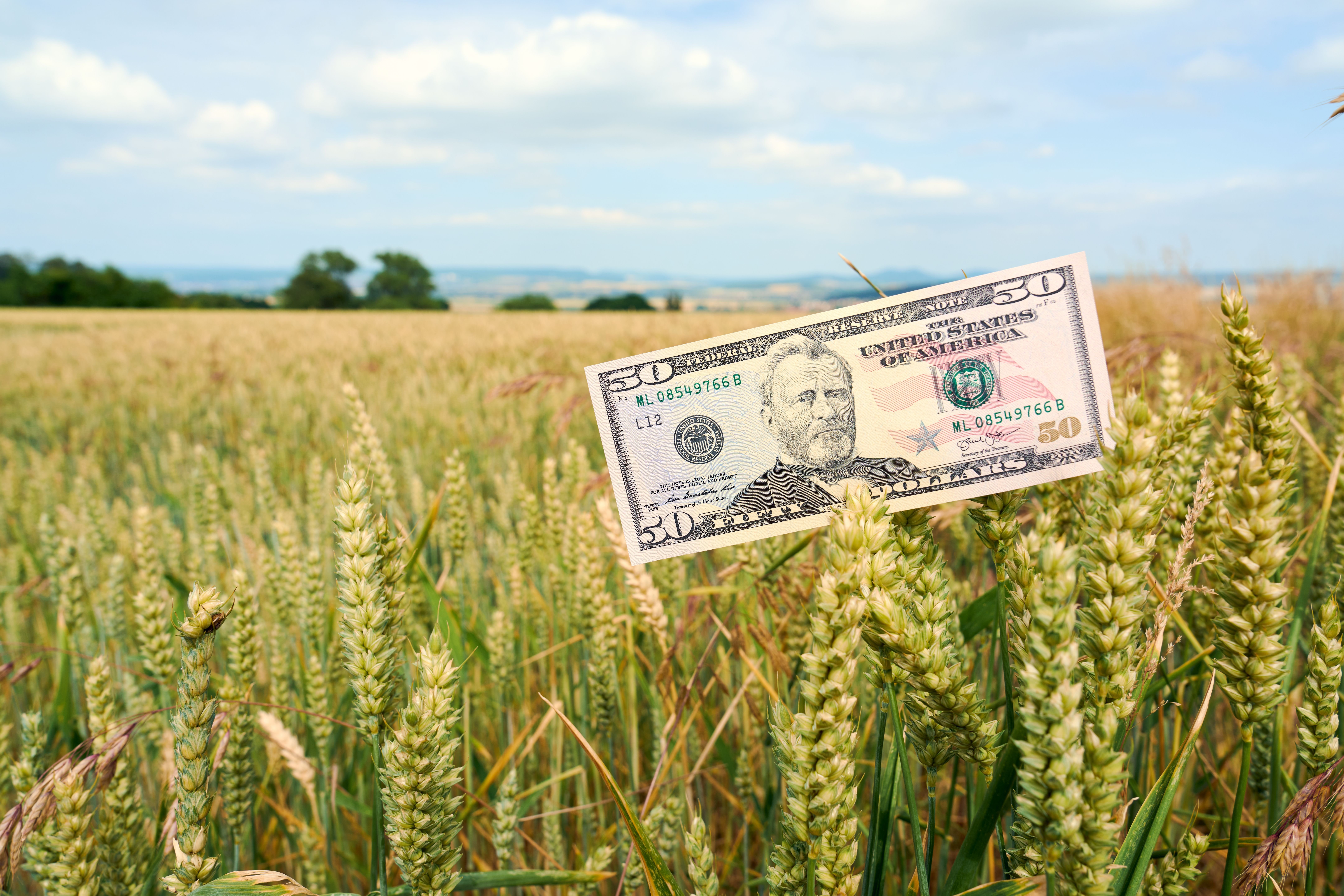
The export price for fourth-class wheat, used to produce flour and other products, has increased by five to seven dollars. Earlier, the cost varied between 155 and 160 dollars per ton; now, depending on the quality, it is 165 to 167 dollars.
Kazakhstan cannot be considered a major international player in the grain market. Our lack of access to the sea limits our opportunities despite having significant potential. We operate as regional players with a confined market: China, Iran, and Central Asia. These countries that import from us ultimately dictate the prices. If demand from their side rises, prices will increase accordingly. If demand weakens, prices will dropexplains Zeinolla Adbumanapov, Chair of the Board of the National Association of Exporters KazGrain.
Food prices
Experts believe the recent jump in grain prices will have a limited impact on finished products.
According to Yevgeny Karabanov of the Grain Union, flour and bread prices are unlikely to rise significantly, as current costs reflect the higher grain prices from the previous harvest.
However, the price of vegetable oil has seen a slight increase.
In terms of global trends, we don’t expect a rise in prices for chicken, eggs, or other products indirectly tied to grain, as the feed wheat and barley cost remains relatively low, says the Grain Union representative.

The only exception might be vodka, but that’s not due to grain costs — it results from increased excise taxes. I think most of our citizens will weather this ‘tragic’ development just fine, he adds with a touch of irony.
Harvest forecast
The outlook for this year’s harvest appears promising, but experts remain cautious in making predictions due to the many factors that can influence the outcome.
Let’s not count the chickens before they’re hatched — or even made, Yevgeny Karabanov quips with a smile.
Favorable conditions from the autumn season have provided a strong foundation.
Moisture from the fall has enriched the soil, facilitating planting in ideal conditions that promote faster germination. A mild winter, free of significant soil freezing, adds further optimism, as snow on the fields promises additional moisture for crops.
The prerequisites are looking good. However, predicting the exact harvest is very difficult. Cautiously, I’d say it will most likely be at least average. Karabanov notes.
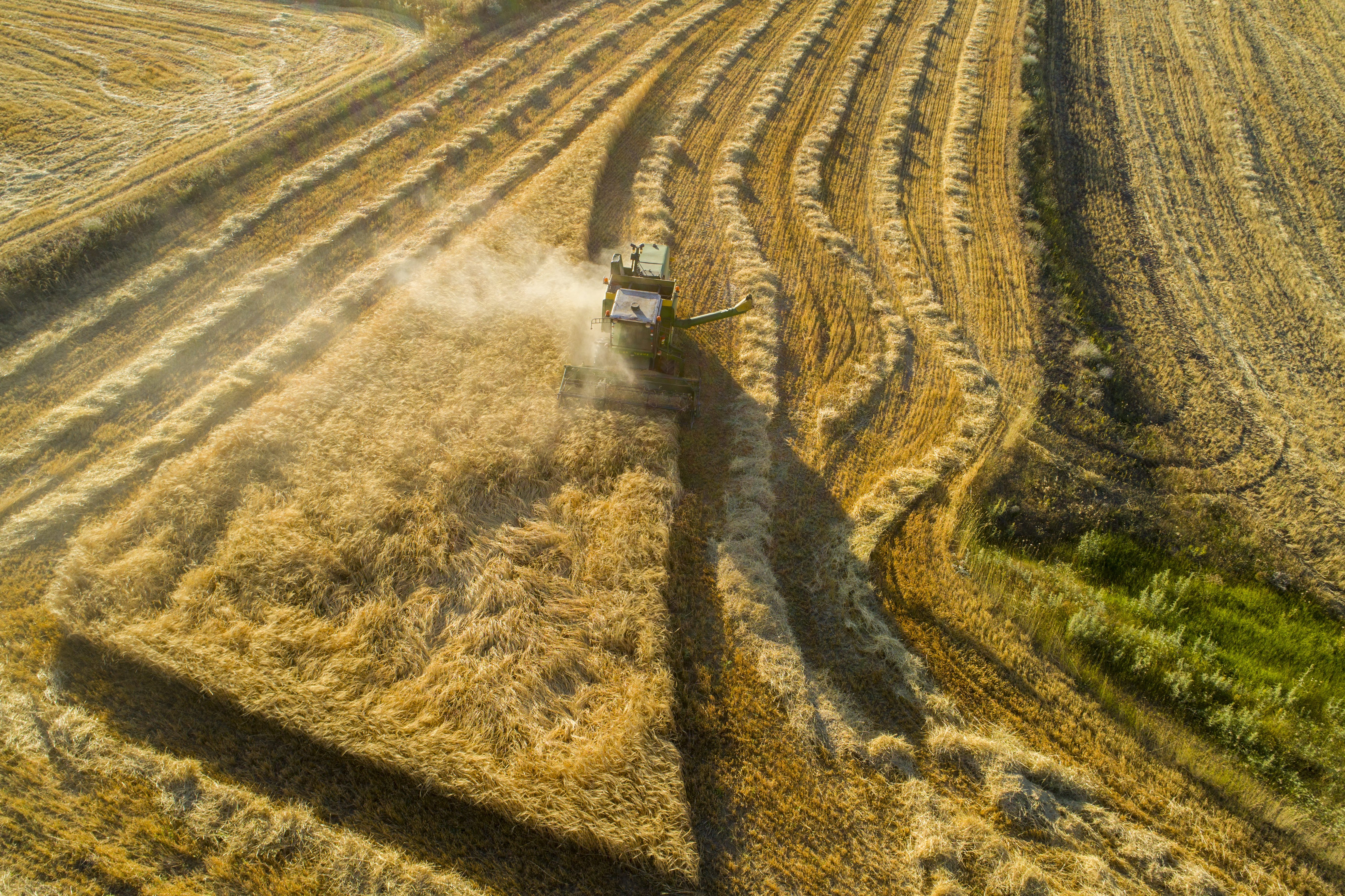
According to the Ministry of Agriculture, Kazakhstan's average grain crop yield for 2024 was 16.7 centners per hectare.
In North Kazakhstan, yields reached an impressive 42.5 centners per hectare, offering a glimmer of optimism for the future.
Who Benefits from the Price Increase the Most?
Farmers' current priority is selling the remaining grain at the best possible price to finance the upcoming sowing campaign. For them, the price increase can be a lifeline.
A farmer produces their crop just once a year. In contrast, a processor can do their work in a few hours, and a trader can sell grain within minutes. Processors can buy and process multiple times, and traders can simply buy and resell. But for a farmer, the entire year depends on a single harvest. highlights Yevgeny Karabanov.
Grain prices in Kazakhstan are rising steadily, with no significant surges expected.
As producers wait for favorable weather and another solid harvest, they focus on ensuring that grain prices allow them to prepare for spring planting adequately.
Original Author: Alina Pak
Latest news
- The War in Iran Opens a Window of Opportunity for Kazakhstan’s Oil Sector, Analysts Say
- Iran Conflict Escalates Beyond the Gulf: What Kazakh Experts Say About Risks for Central Asia and Kazakhstan
- Kazakhstan Prepares Possible Evacuation of Its Citizens From Iran
- LRT in Astana Is Reaching the Finish Line: The Launch Is Expected in the Coming Months
- Kazakhstan Ready to Help the UAE Amid Escalation in the Region
- Tokayev Discusses Middle East Escalation With Qatar’s Emir
- Airlines Ready to Bring Kazakhstanis Home From the Middle East
- Tokayev Sends Support Messages to Gulf Leaders Amid Regional Escalation
- Kazakhstan Bans Its Airlines From Flying Over Several Middle East Countries
- Astana Strengthens Security Measures Amid Escalation Around Iran
- Tokayev Meets U.S. Ambassador Stufft, Discusses Board of Peace Cooperation
- Mangystau Launches AI-Assisted School Monitoring to Prevent Teen Suicidal Behavior
- Kazakhstan to Supply UK With Critical Minerals
- AI Faculties for Educators to Open in Kazakhstan: What Other Changes Are Coming to the Education Sector
- There Are Medals — But Not Enough Ice: What’s Happening to Figure Skating in Kazakhstan
- Is Kazakhstan’s Nuclear Power Plant Project at Risk After New UK Sanctions? Rosatom Responds
- Prosecutor General’s Office Suspends Extradition of Navalny Ex-Staffer Detained in Almaty
- Former EBRD Executive Jürgen Rigterink Elected as New Independent Director on Bank RBK’s Board of Directors
- Kazakhstan Near Bottom of Retirement Comfort Ranking
- Kazakhstan to Open New International Flights Across Asia, the Middle East and Europe
