

How the First Central Kazakhstan Expedition Changed Archaeology in the Steppe
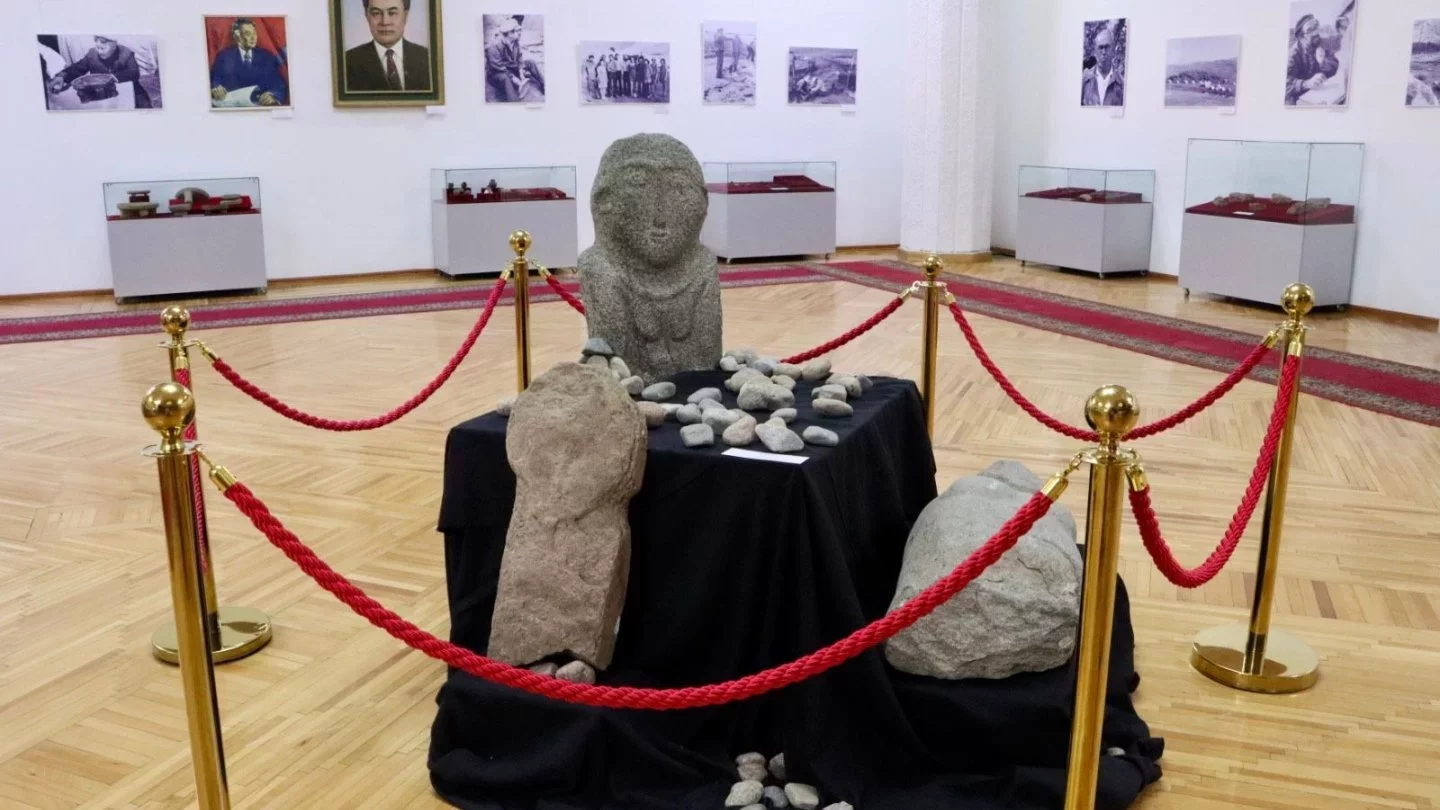 Photo: Perizat Smetova
Kazakhstan is often seen as an endless steppe where little of historical importance happened. But the country is one of Eurasia’s key archaeological regions, and the systematic study of that heritage began with the first Central Kazakhstan archaeological expedition, Orda.kz reports.
Main text: Many people see Kazakhstan as an endless steppe where nothing much happened. In reality, the country is not just a land of nomads, but one of the key archaeological regions of Eurasia. It was here that the horse was first domesticated, burial mounds with golden elite graves were discovered, and thousands of petroglyphs telling the story of Bronze Age life were found. These discoveries are not just fragments of the past, but the basis for understanding the history of the steppe. The systematic study of that heritage began with the first Central Kazakhstan archaeological expedition. Archaeologist Zholdosbek Kurmankulov, one of the expedition’s participants and later one of its leaders, and senior researcher Olga Myakisheva spoke to Orda.kz about the importance of this work and its discoveries.
The exhibition presented at the National Museum of the Republic of Kazakhstan is called “Өткенің өнегесі – бүгіннің белесі” (“Lessons of the Past – Achievements of Today”). It was prepared together with the Alkey Margulan Institute of Archaeology.
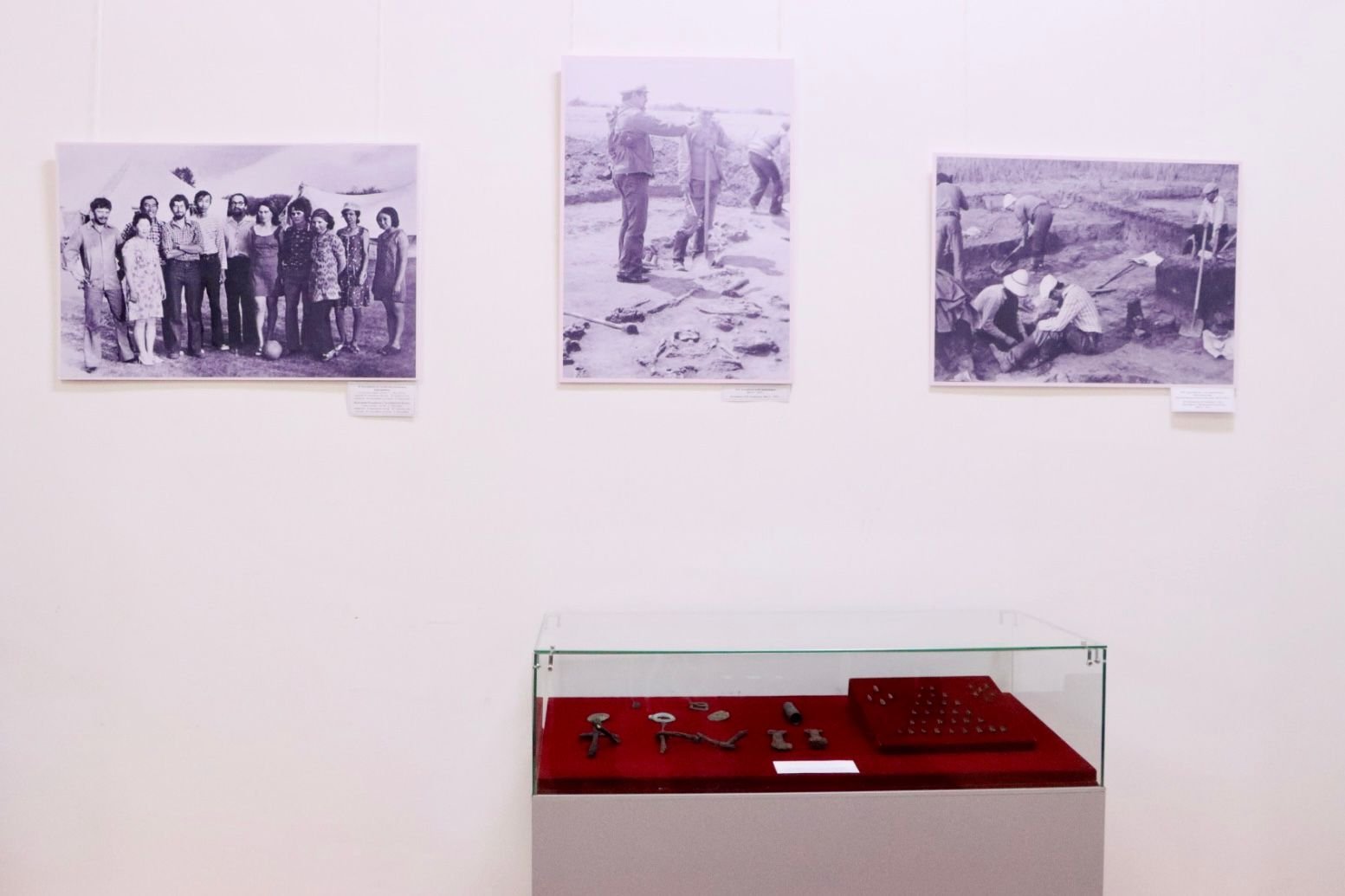
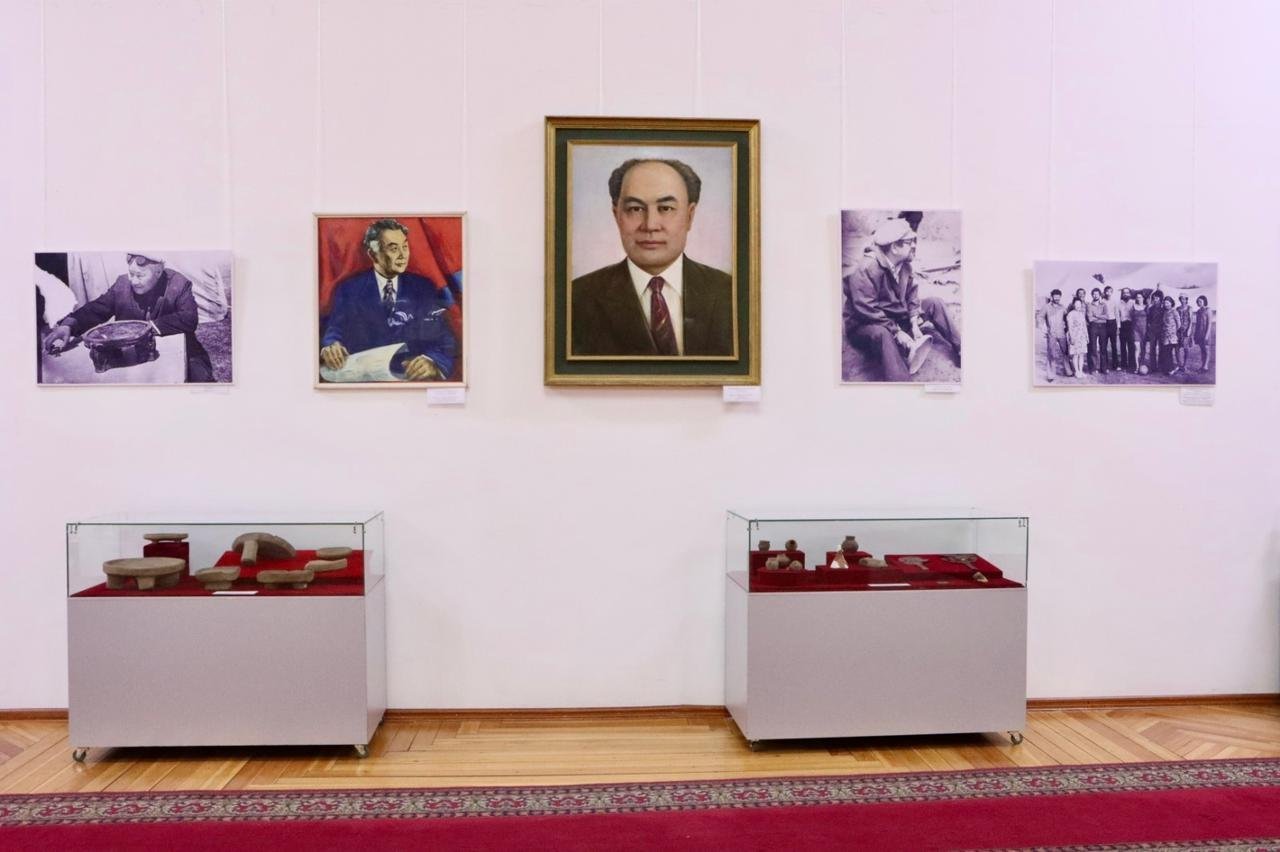
The Central Kazakhstan expedition became the first academic archaeological expedition in the country and effectively set the standard for all subsequent archaeology in the republic. It was organized in 1946 on the initiative of Kanysh Satpayev and was headed by Alkey Margulan.
Alkey Margulan was an outstanding scholar and the founder of the Kazakh school of archaeology and ethnography, as well as a historian, orientalist, and art historian. He proved the existence of an ancient culture on the territory of Kazakhstan by discovering the unique Begazy-Dandybay culture of the Bronze Age.
The reason was practical: amid the industrialization of Central Kazakhstan, ancient settlements and burial sites were being uncovered alongside mineral deposits. In order not to lose these finds, archaeologists went into the field. said Olga Myakisheva, a senior researcher at the Central State Museum.
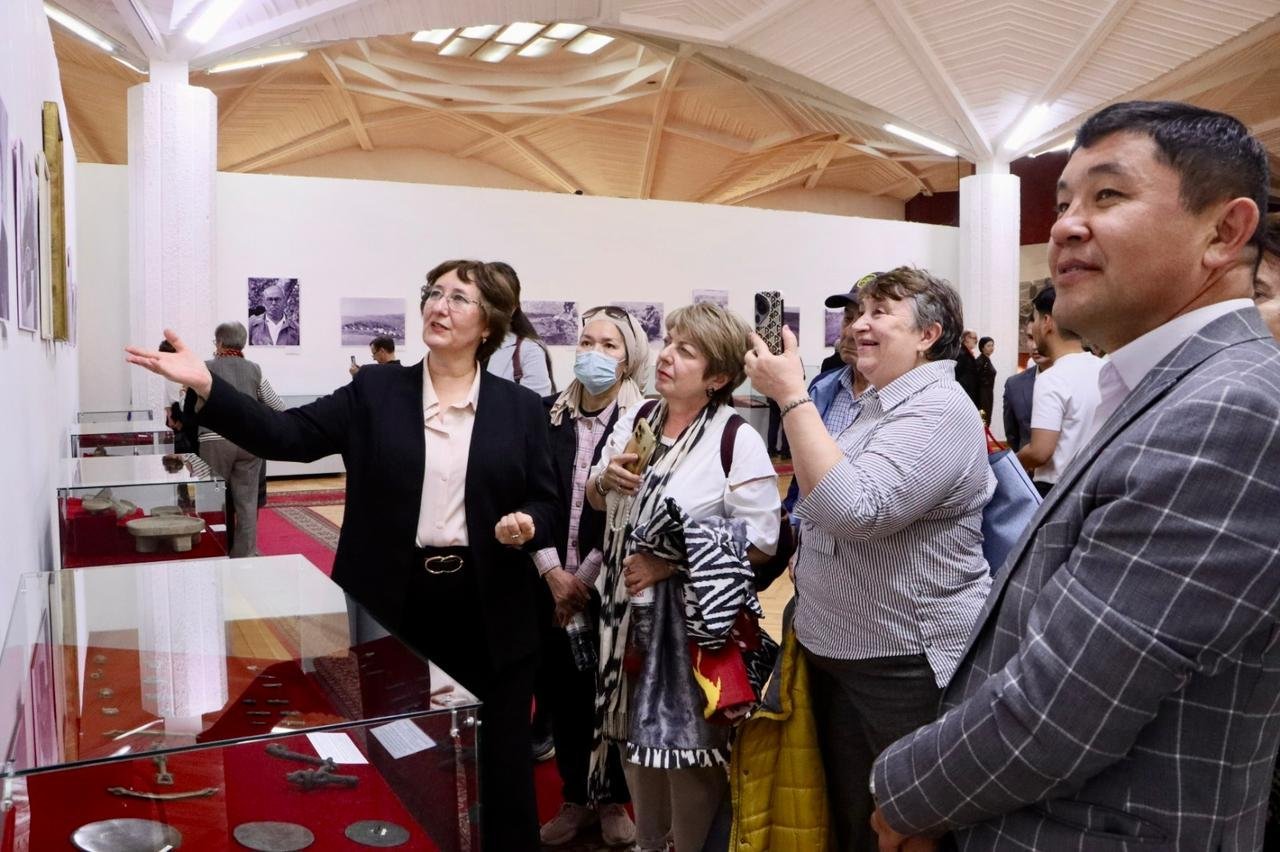
It was this expedition that for the first time provided a complete picture of the region’s ancient history, from the Bronze Age to the Middle Ages. The first finds, about 500 items, were transferred to museum collections in 1957. Later, the collection was expanded with thousands more objects.
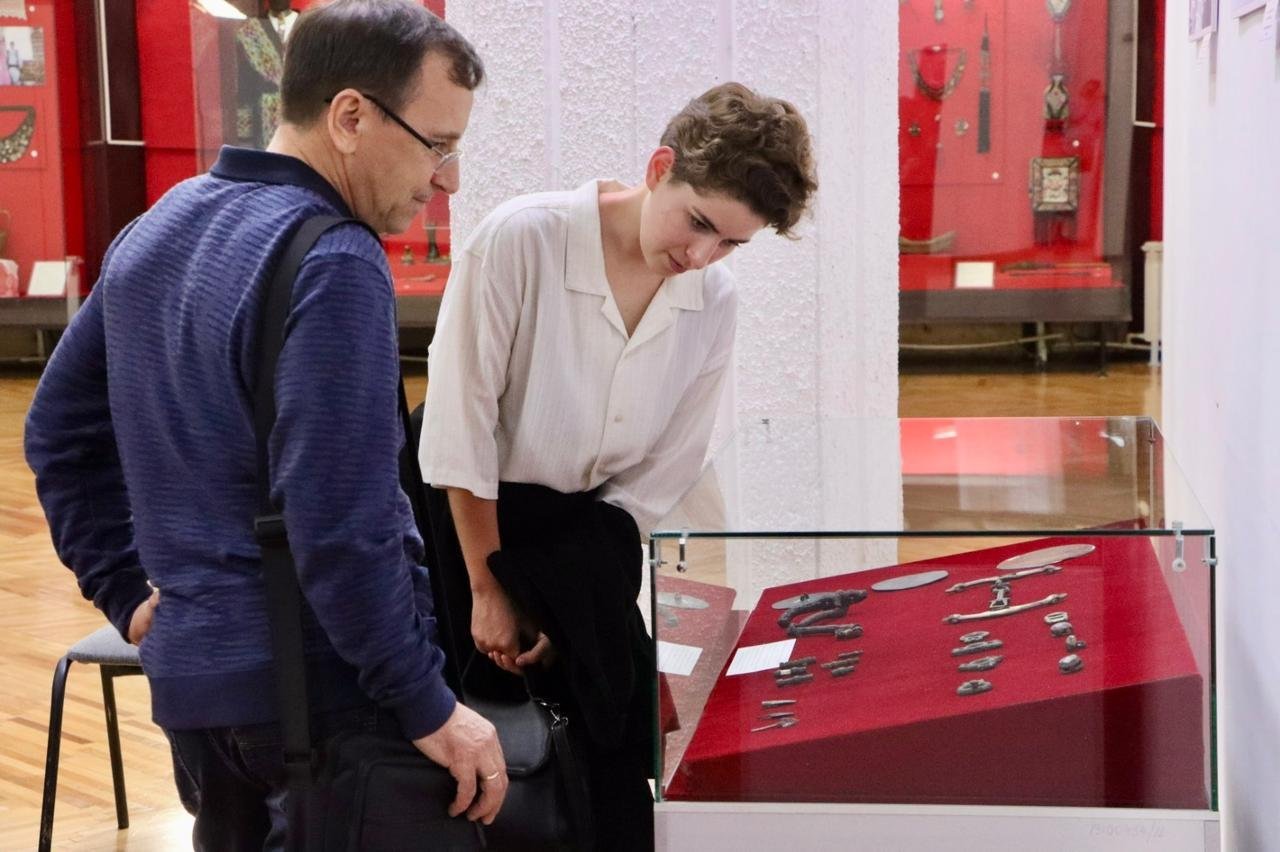
The exhibition is divided into three chronological blocks: the Bronze Age, the Early Iron Age, and the Middle Ages. Among the exhibits are tools, ceramics, jewelry, horse harnesses, and architectural elements. Particular attention is drawn to traces of ancient metallurgy: casting molds, tools, and reconstructions of smelting furnaces.
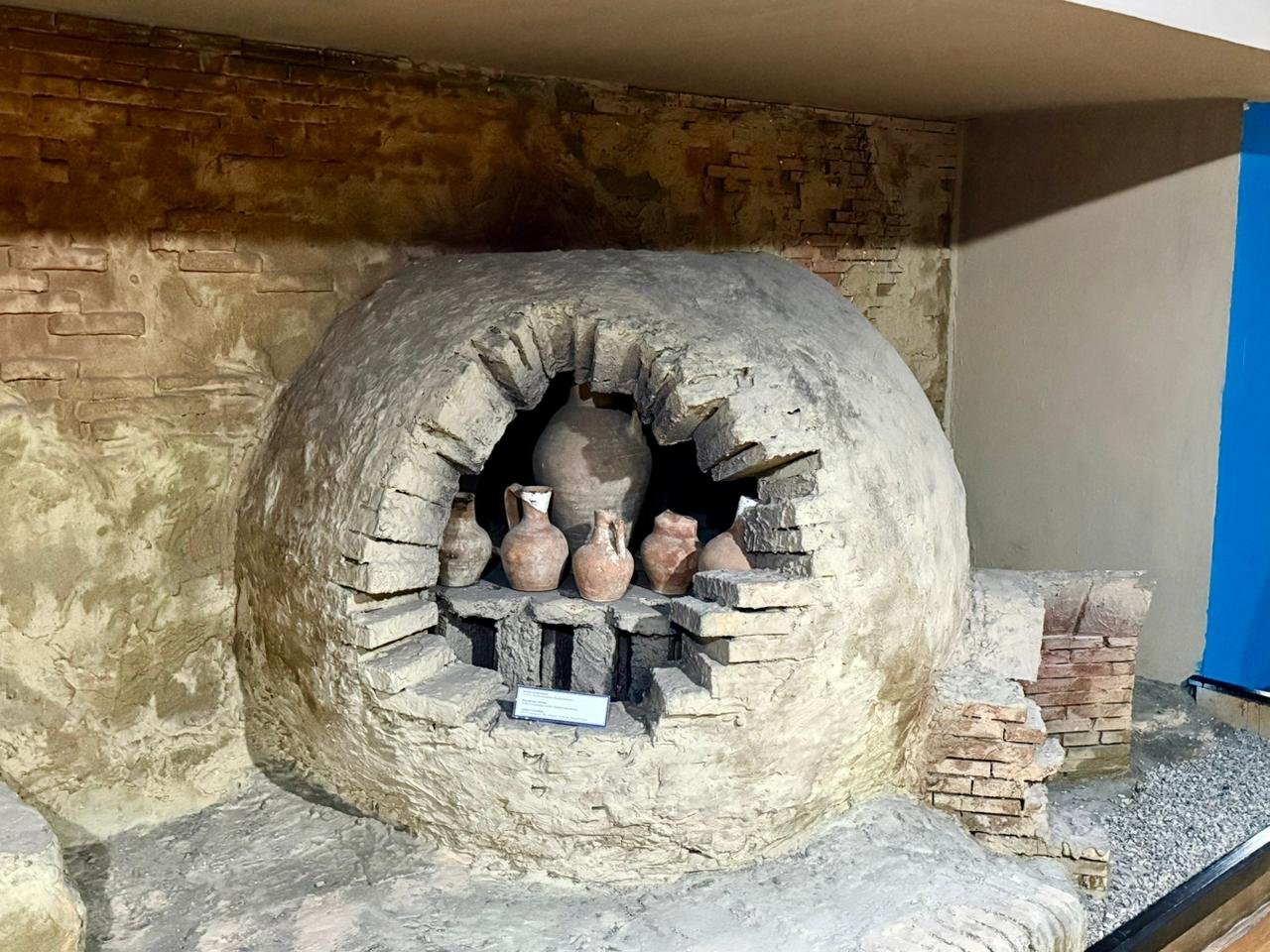
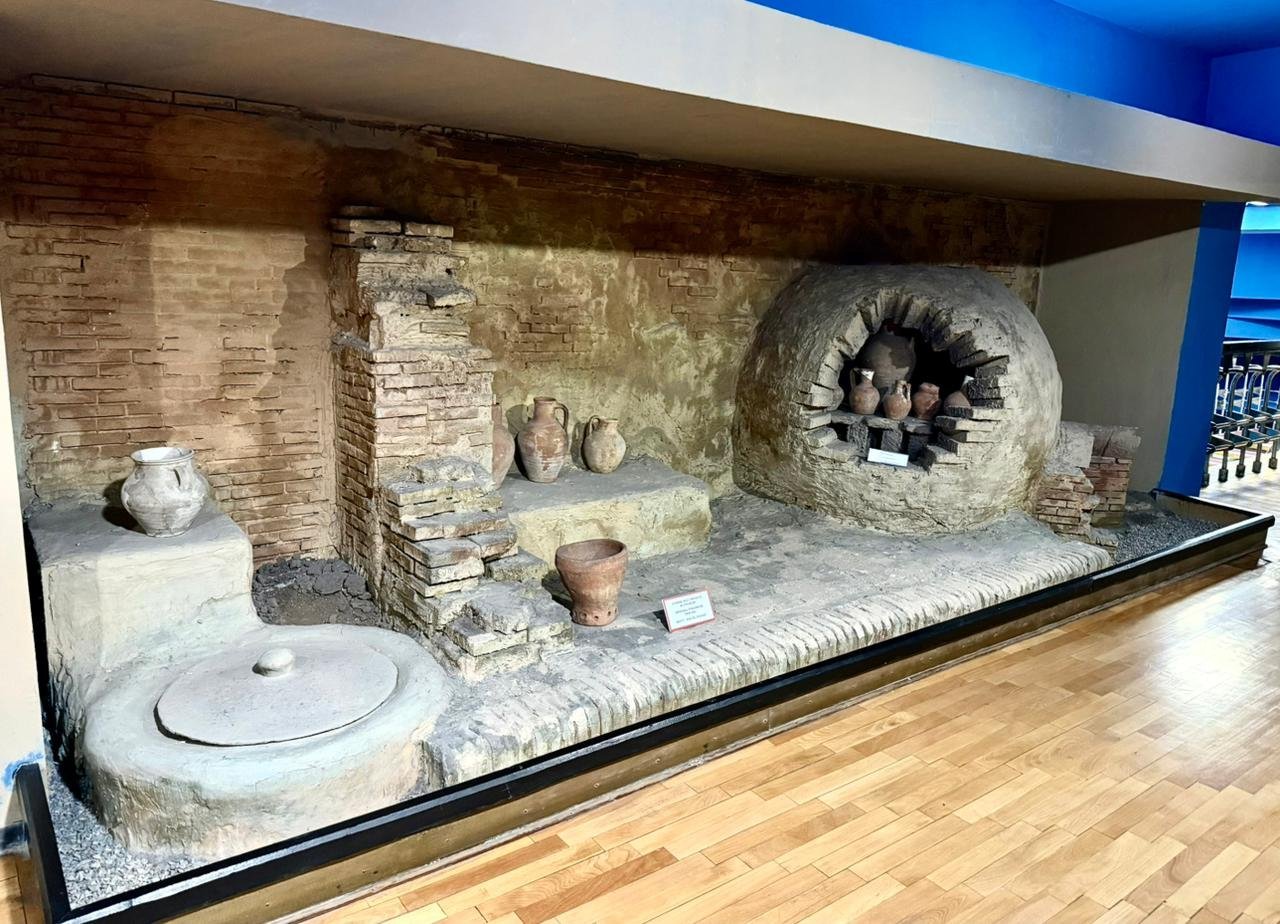
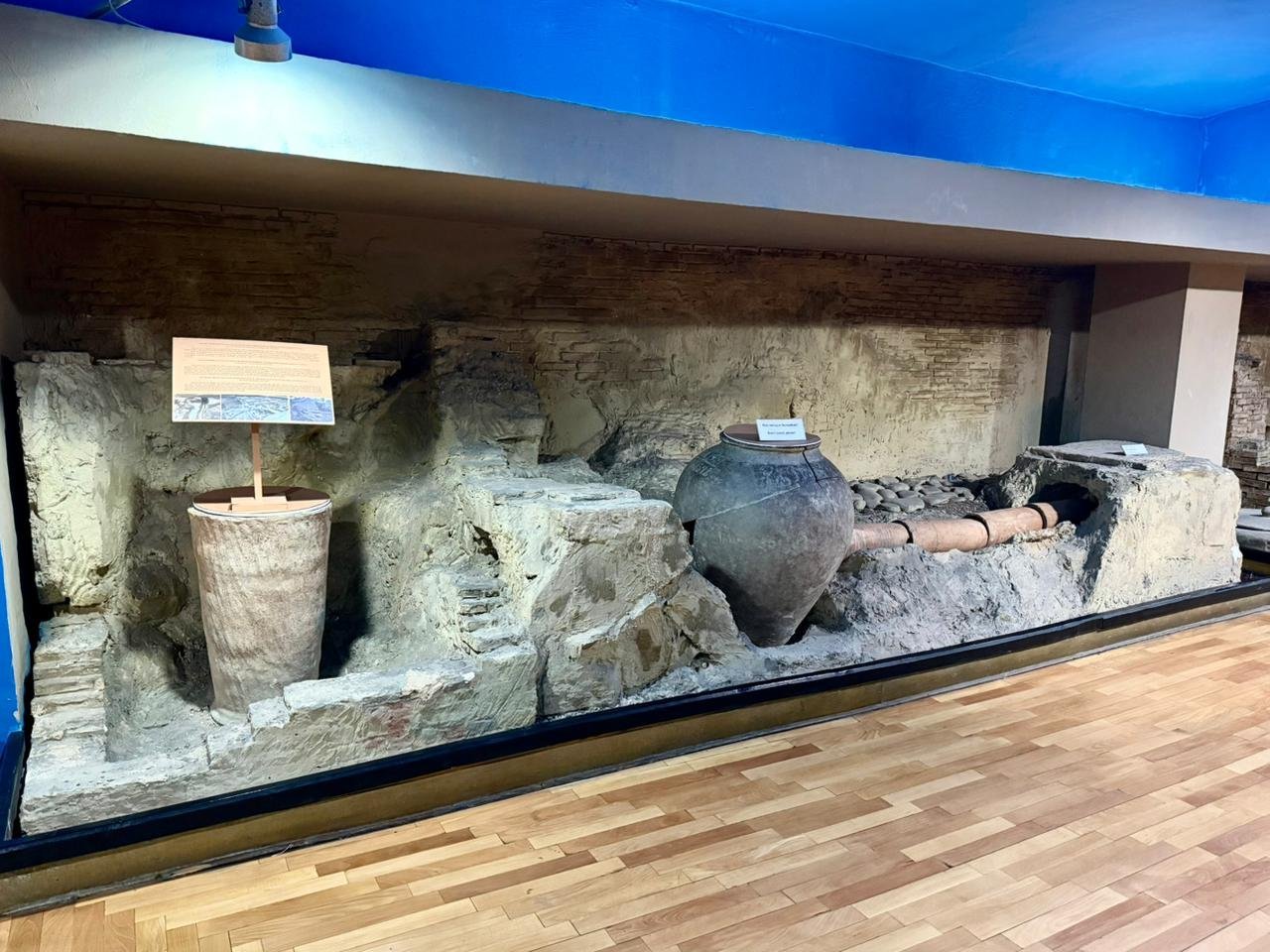
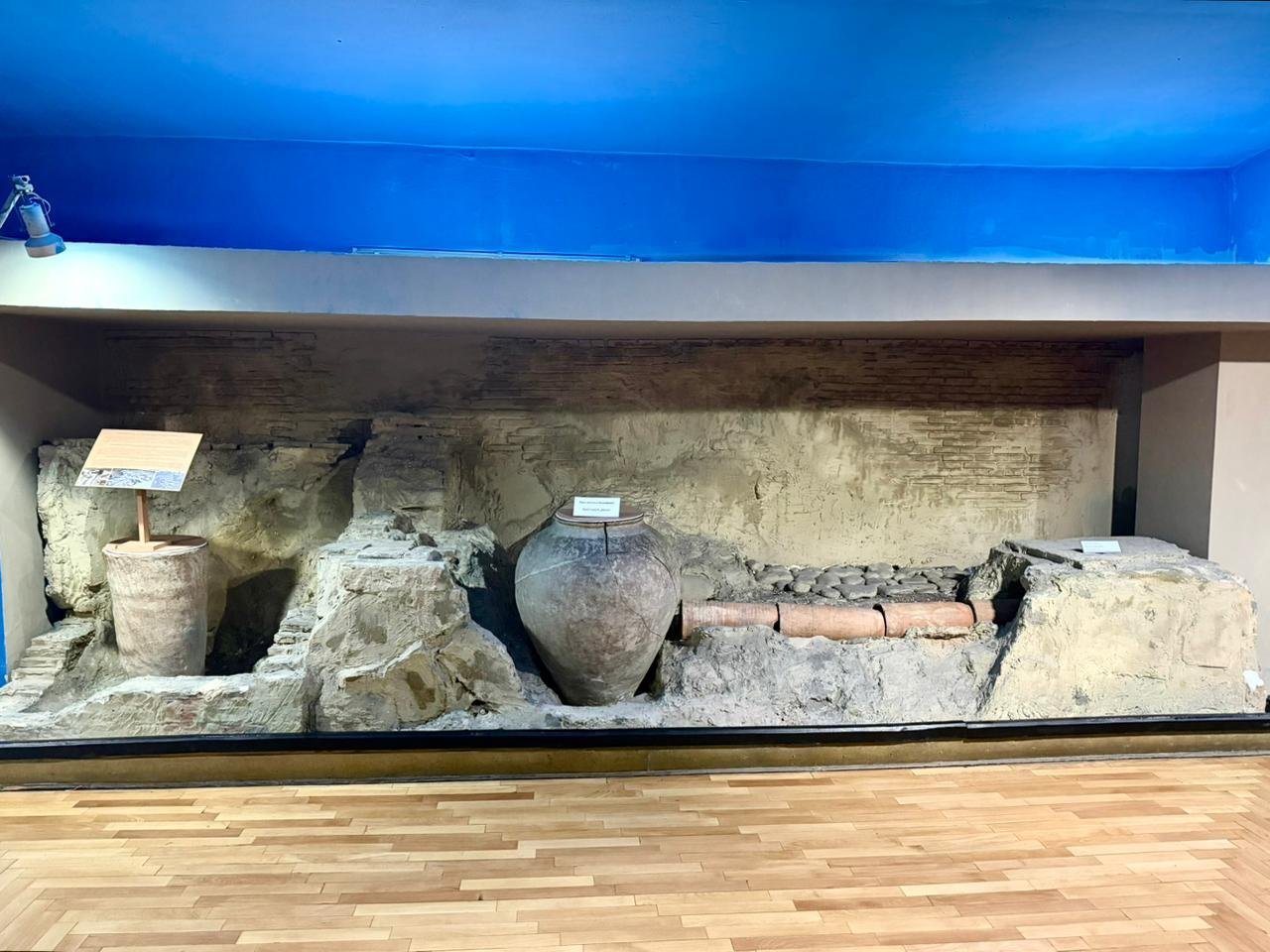
Yes, even at that time there were primitive production complexes in the steppe — in a sense, the first factories. And their metalworking technology was sophisticated enough to preserve artifacts to this day. Zholdosbek Kurmankulov said.
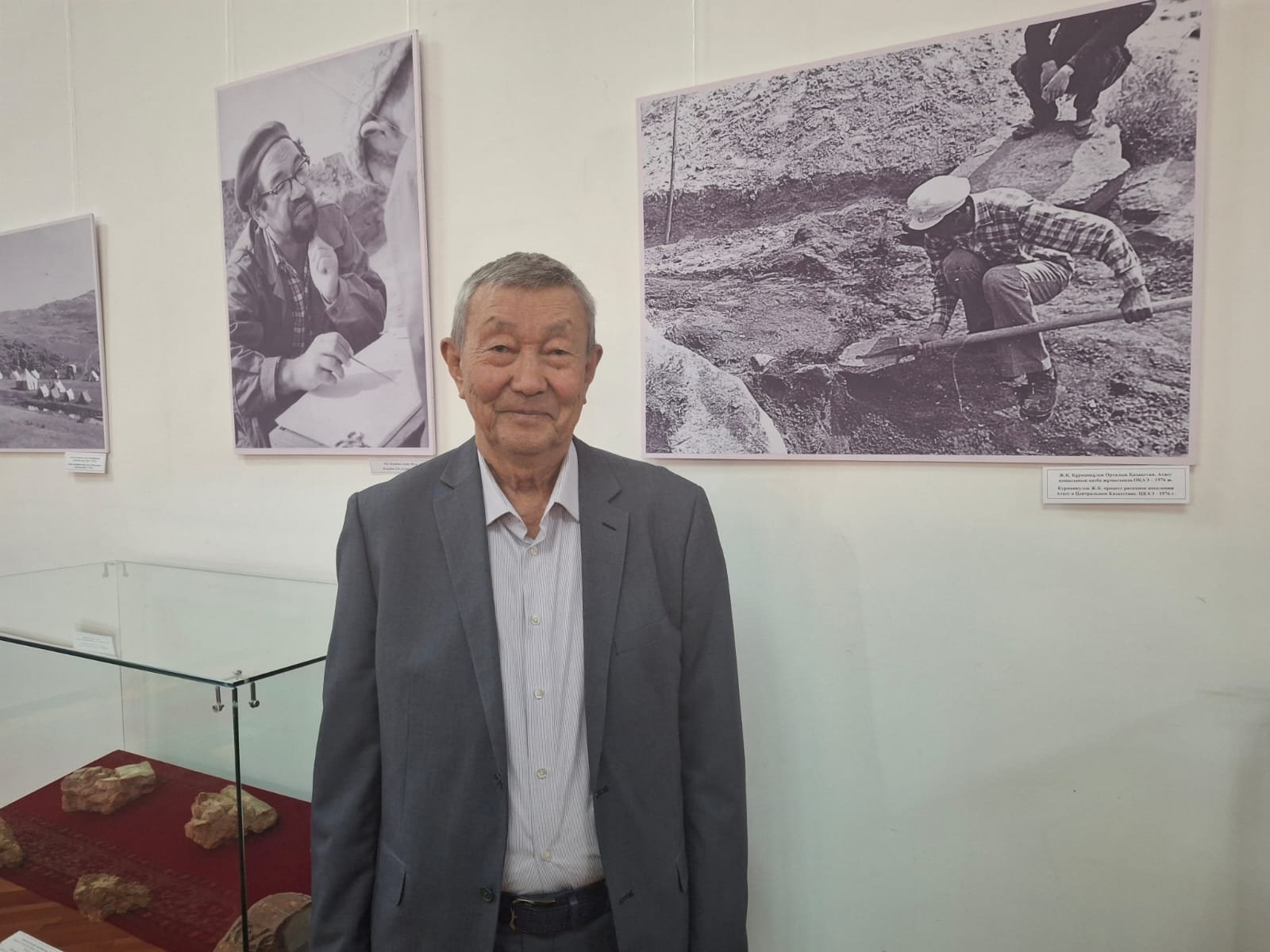
Kurmankulov is a candidate of historical sciences and a specialist in the Bronze Age and Early Iron Age. Since 1990, he has led the Central Kazakhstan archaeological expedition, discovered more than 400 archaeological sites, and taken part in international excavations, including the study of the Chirik-Rabat settlement. According to him, research in the Kazakh SSR had been conducted before 1946, but it was carried out by outside institutions.
Before that, expeditions from the Hermitage and various Russian universities worked here. But the first purely Kazakh expedition was organized only in 1946 thanks to Satpayev and Margulan.
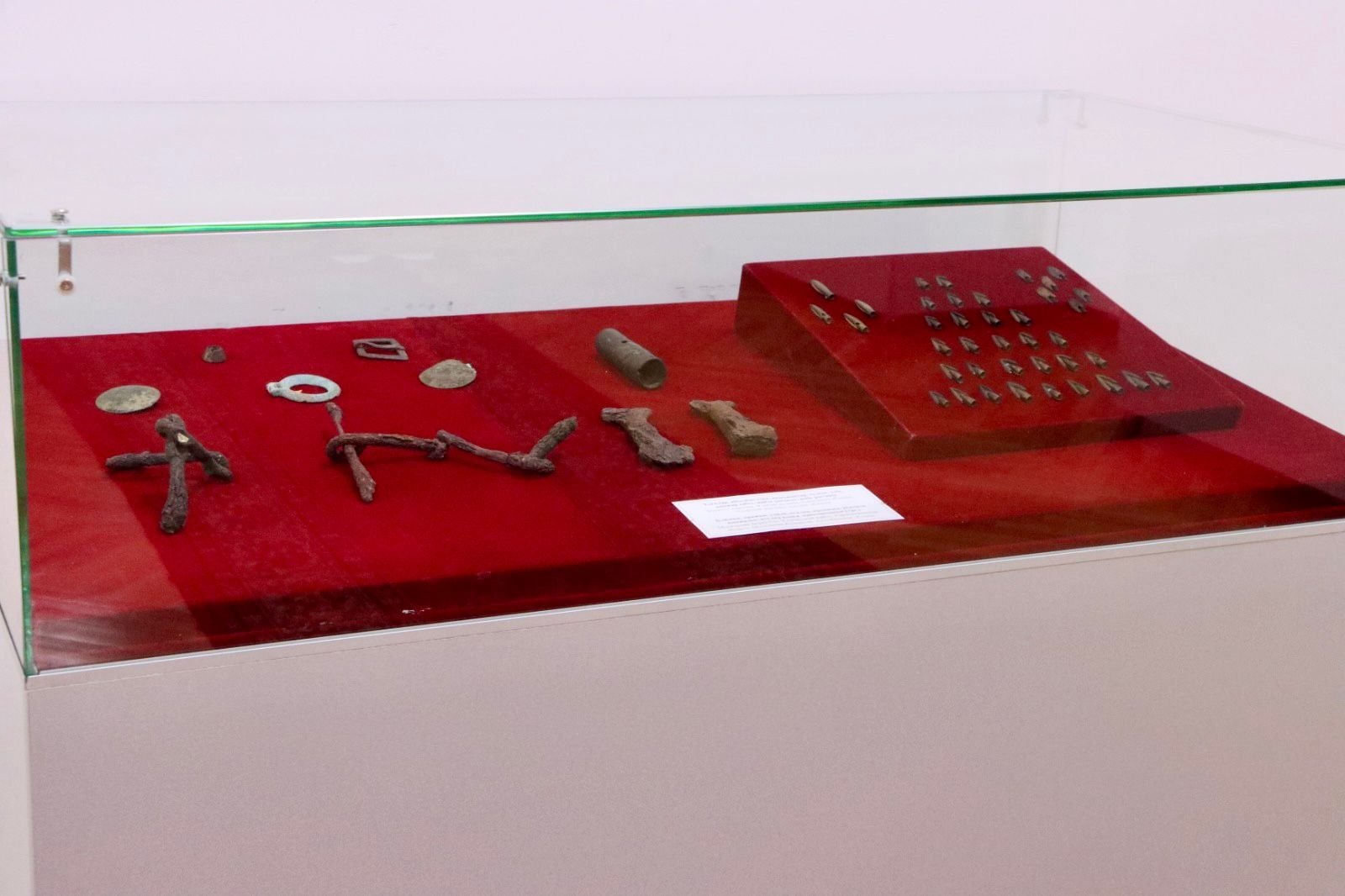
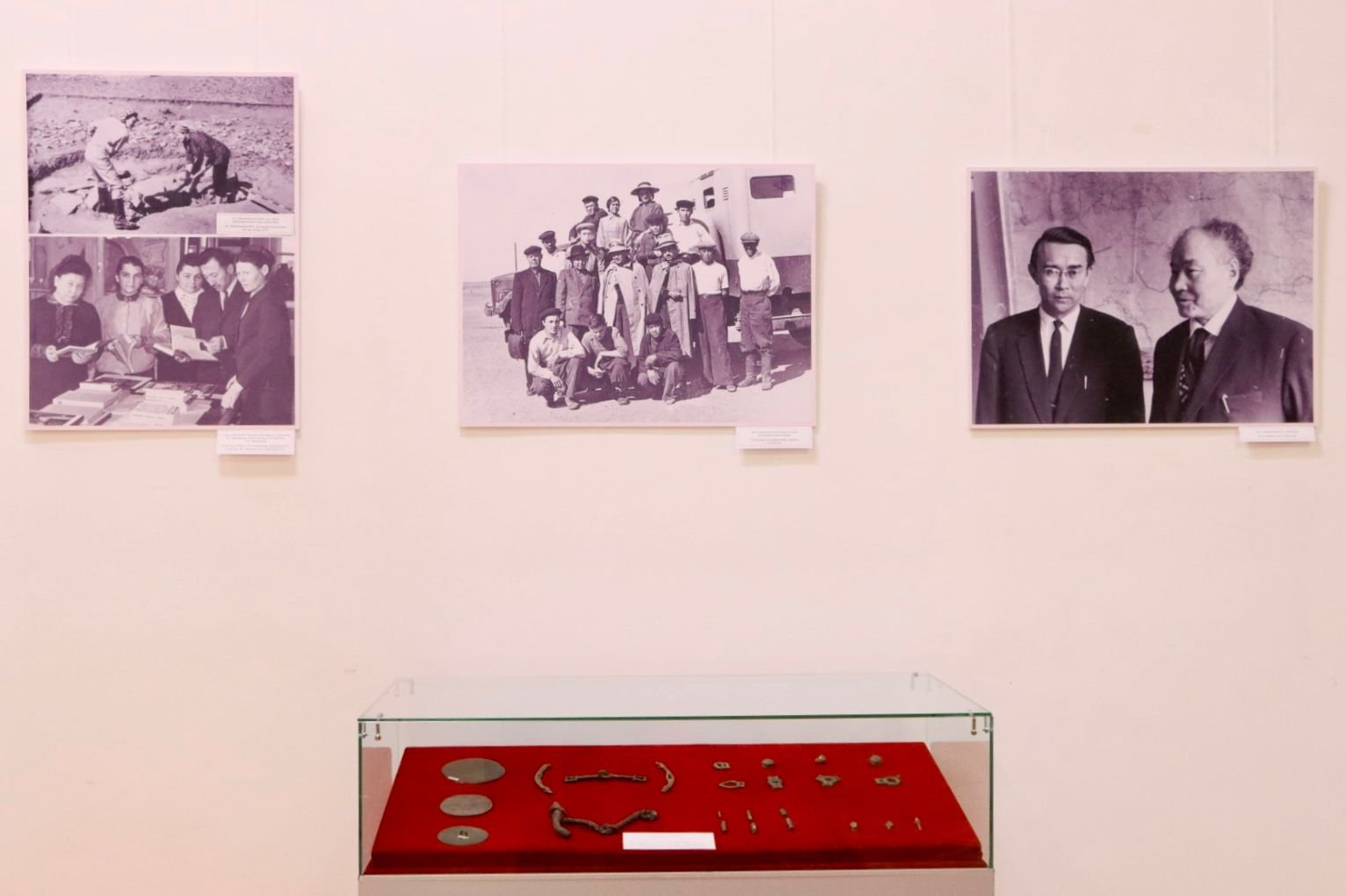
A key area of research was ancient metallurgy and the study of Bronze Age settlements.
We found many places where people lived. But in science, it is customary to speak not about peoples, but about cultures — and these cultures were almost homogeneous despite distances of hundreds of kilometers. This can be seen in the similar layout of dwellings and the similarity of ritual practices
It was during these studies that the Begazy-Dandybay culture was discovered. Archaeologists established that its carriers lived in the second millennium BC, practiced metallurgy, agriculture, and cattle breeding, and had technologies that allowed them to produce high-quality metal.
Some of the exhibits are not just finds, but evidence of everyday life.
Household items and utensils were valuable possessions. They were protected and passed down from generation to generation. Here, for example, are ceramic vessels with metal brackets. When a pot broke, it was not thrown away, but repaired.Olga Myakisheva said.
There are also metal mirrors from the fifth to sixth centuries BC, polished to a shine.
This mirror is unique. At that time, there was no glass yet, and it was made of metal, covered with a special compound, and polished. People of that time looked into it. Centuries have passed, and it still shines. Kurmankulov said.
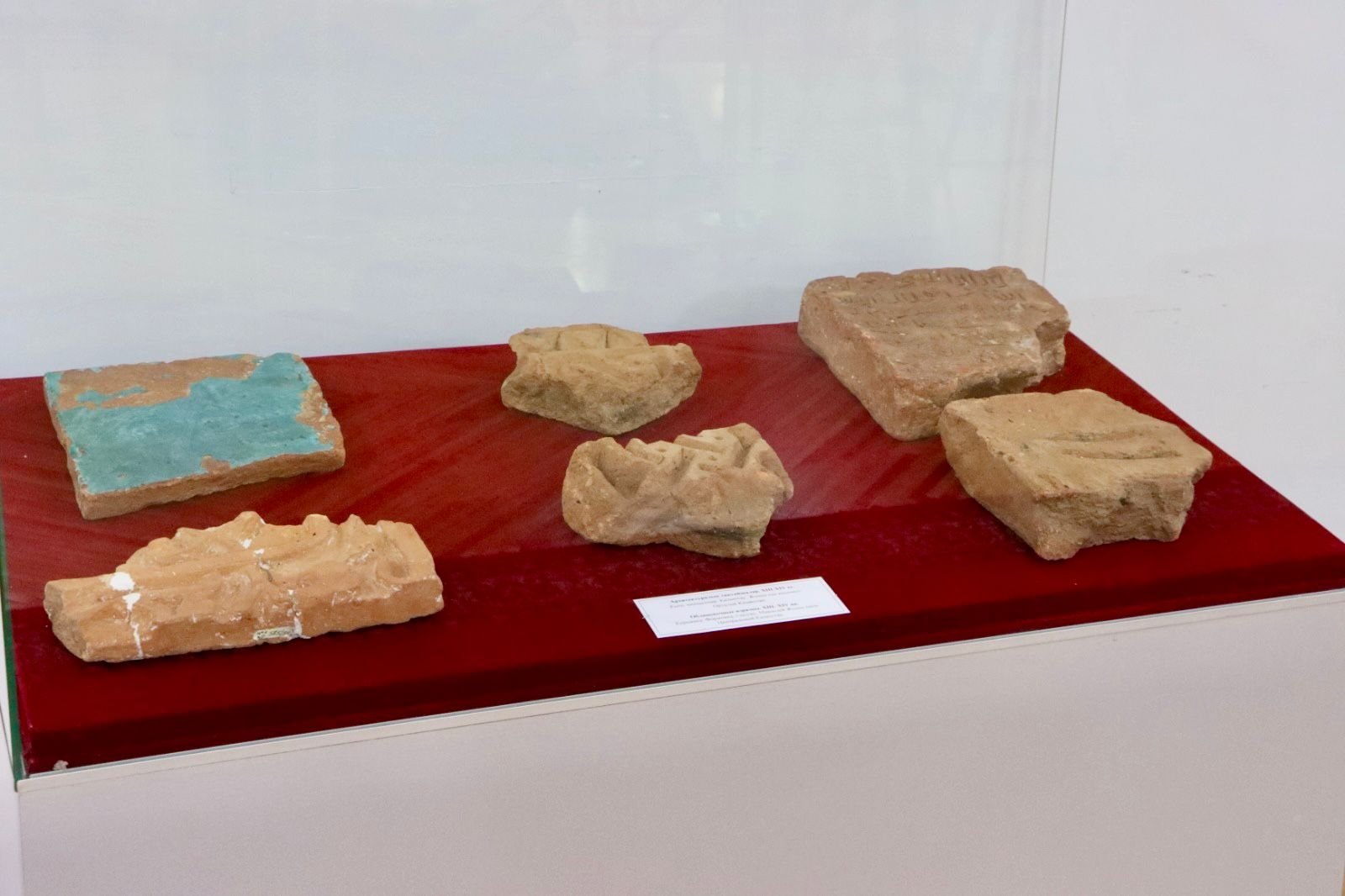
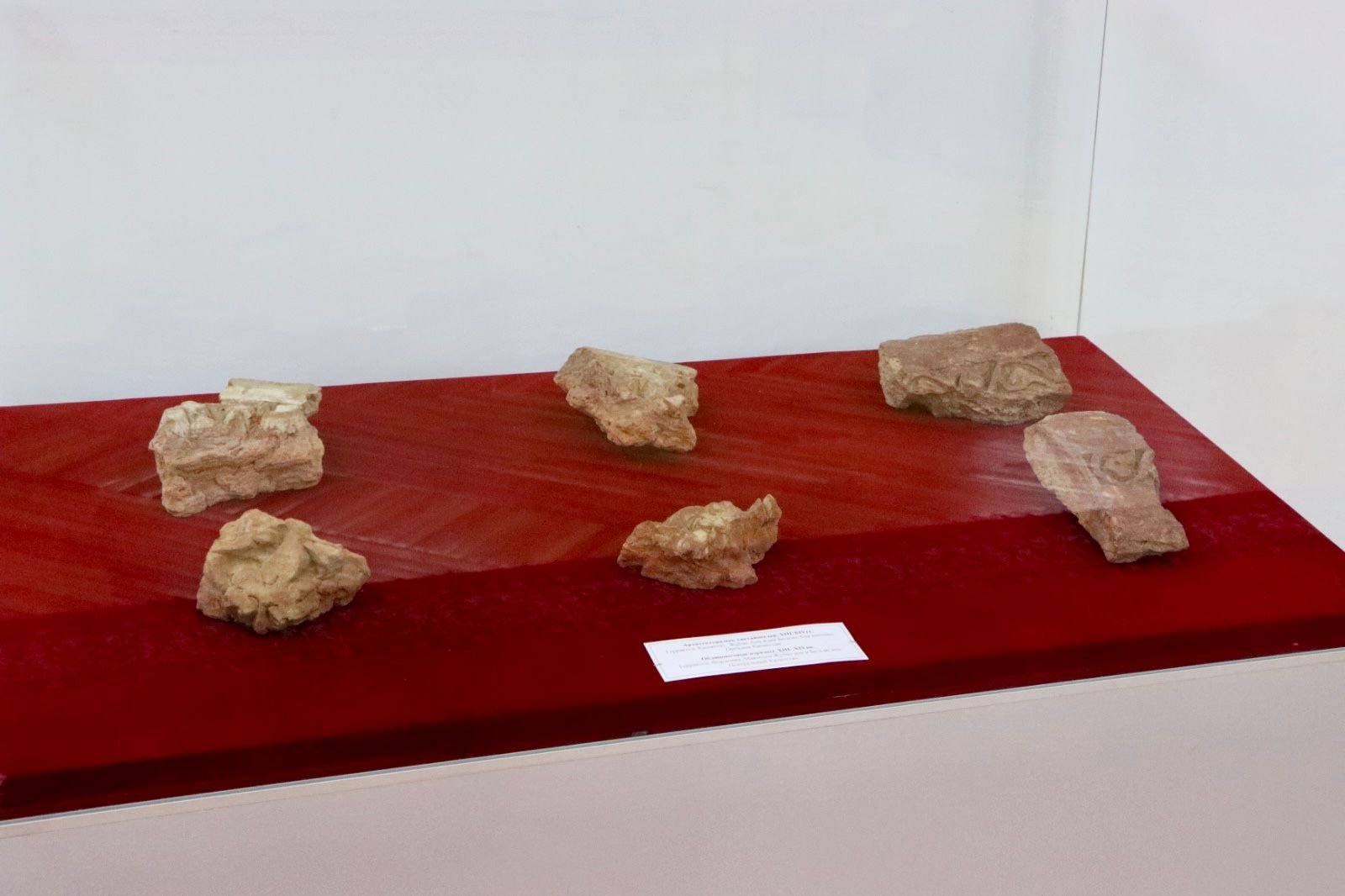
A separate section is devoted to the Middle Ages. It includes facing tiles and architectural elements from mausoleums, including the Golden Horde period. According to the archaeologist, these finds refute the stereotype that the steppe was exclusively nomadic.
"This proves that we also had a settled culture, with architecture and complex structures."
Notably, the Central Kazakhstan archaeological expedition has never truly ended. It has, as Kurmankulov puts it, become a kind of brand, and new research is still carried out every year under the auspices of the Margulan Institute of Archaeology.
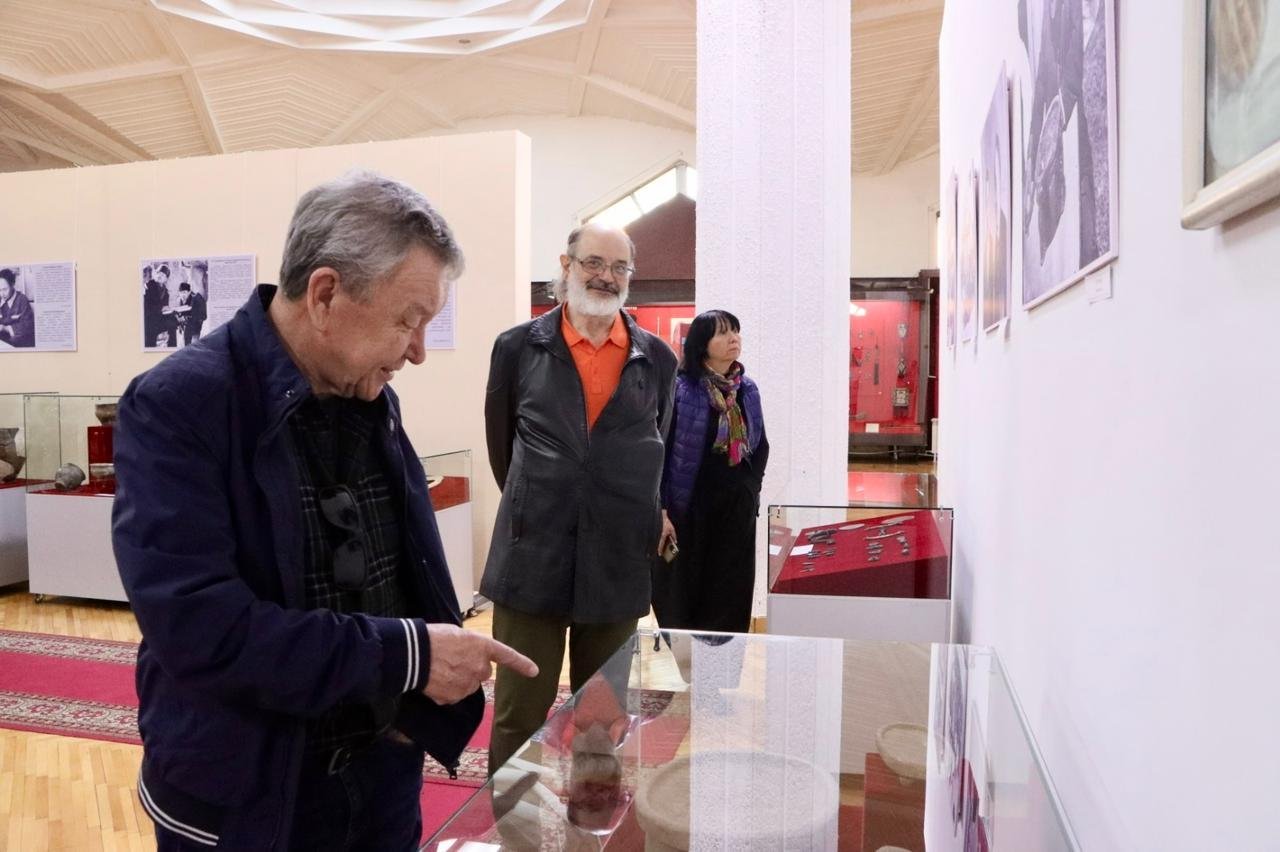
In recent years, thank God, archaeology has received support. Now the creation of a separate archaeological center is being discussed. It would not be just a museum, but a full-fledged complex with laboratories, collections, and, most importantly, a single storage facility. Kurmankulov said.
According to him, the main problem today is the fragmentation of finds. Materials are stored in different regions, and this complicates scientific work.
We excavate, for example, in one region, and then disputes begin: ‘You excavated it here — give it back to us.’ As a result, some of the items stay on site, some go to other museums. Sometimes everything is transferred to large centers, and then the integrity of the complex is simply lost
This practice, the scientist says, makes research difficult because once finds are scattered, they can no longer be studied as a whole.
That is why we want to gather everything in one place, so specialists can work with the material systematically: take it, study it, or display it in an exhibition, and then return it. This is normal scientific practice.
According to the historian, the creation of a single center would also attract international researchers.
Scientists from all over the world will be able to come here to study our culture. And we ourselves will be able to understand our roots more deeply. After all, nothing disappears without a trace — much of what our ancestors created has reached us and continues to live today.
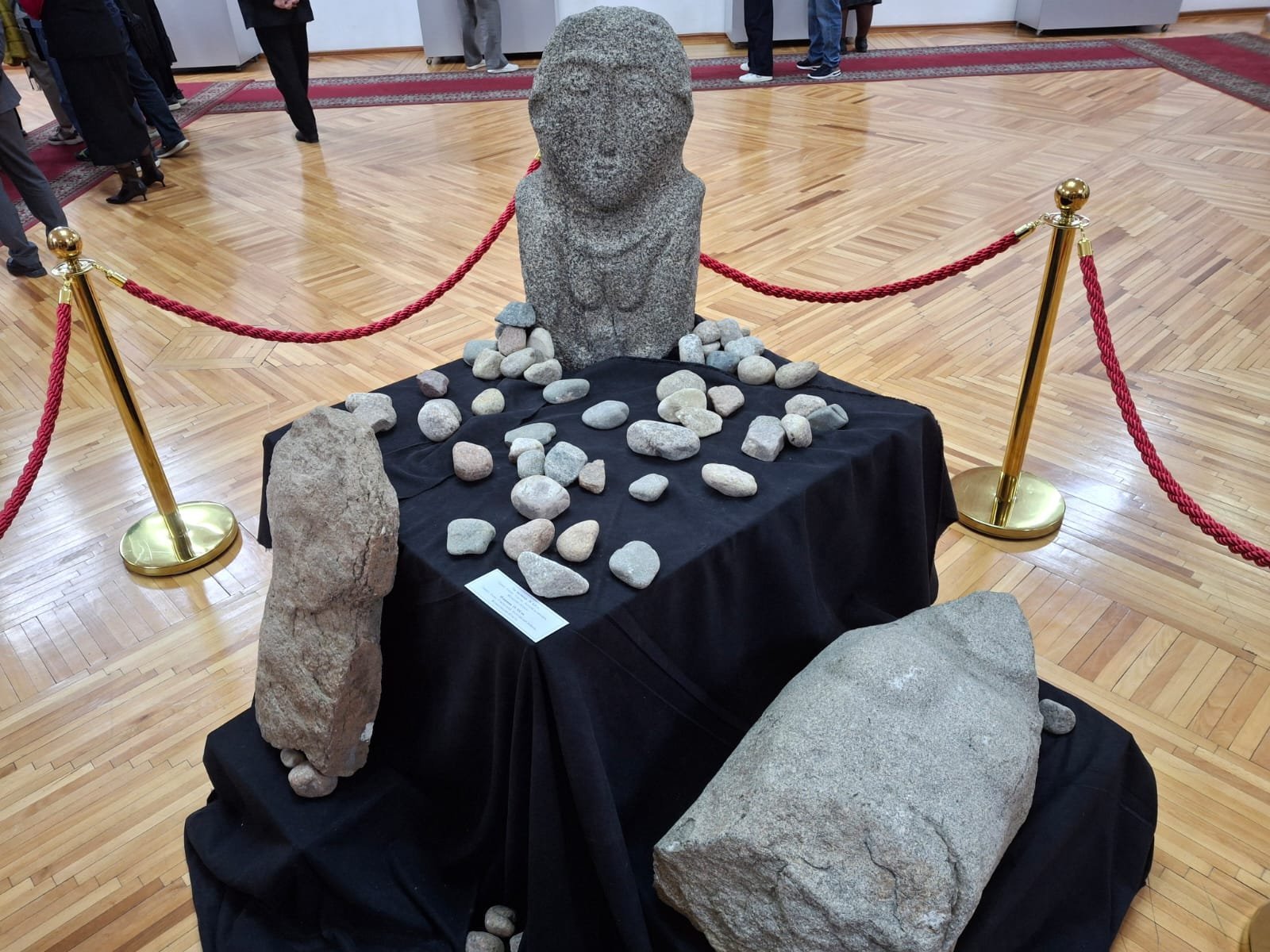 The exhibition will run until April 21.
Original author: Natalya Ovchinnikova
Read also:
Latest news
- Tenge Strengthens, Grain Market Sees Price Imbalance, Analysts Say
- $288 Per Person: Kazakhstan Leads Central Asia in Military Spending
- Repeat Drone Attack Hits Novorossiysk Port, Raising New Risks for Kazakh Oil
- Ministry Of Labor Reveals Where And What Unemployed Kazakhstanis Choose To Study
- Kazakhstan Launches Plants Turning Industrial Waste Into Building Mixes
- Interior Ministry Open To Easing Liability for Returnees From Foreign Conflict Zones
- Kazakhstan Moves To Simplify Oil Exploration Rules
- What Books Are Considered a Crime in Kazakhstan?
- Where Kazakhstan Will Upgrade Major Power Plants
- Police Name East Kazakhstan’s Most Drink-Affected Village
- How the First Central Kazakhstan Expedition Changed Archaeology in the Steppe
- Caspian Sea Unlikely to Disappear in the Foreseeable Future, Scientist Says
- Nazarbayev-Linked Villa in Spain Agrees to Fund New Coastal Path
- Magnus Carlsen Complained to Referees After Selfie With Kazakh Chess Player
- Why Kazakhstan Is Restricting Foreign Goods in Public Procurement
- Kazakhstan Has the Lowest Level of Dependence on China in Central Asia
- Noise, Construction and Cameras: What Astana Residents Are Saying About the LRT Tests
- Marshrutka vs. Shuttle: Why Kazakhstan Is Reinventing the Main Public Transport of the 1990s
- Several Border Checkpoints With China to Close for One Day
- Laser Guidance Systems Begin Testing on Kazakhstan’s Highways
