

The War in Iran Opens a Window of Opportunity for Kazakhstan’s Oil Sector, Analysts Say
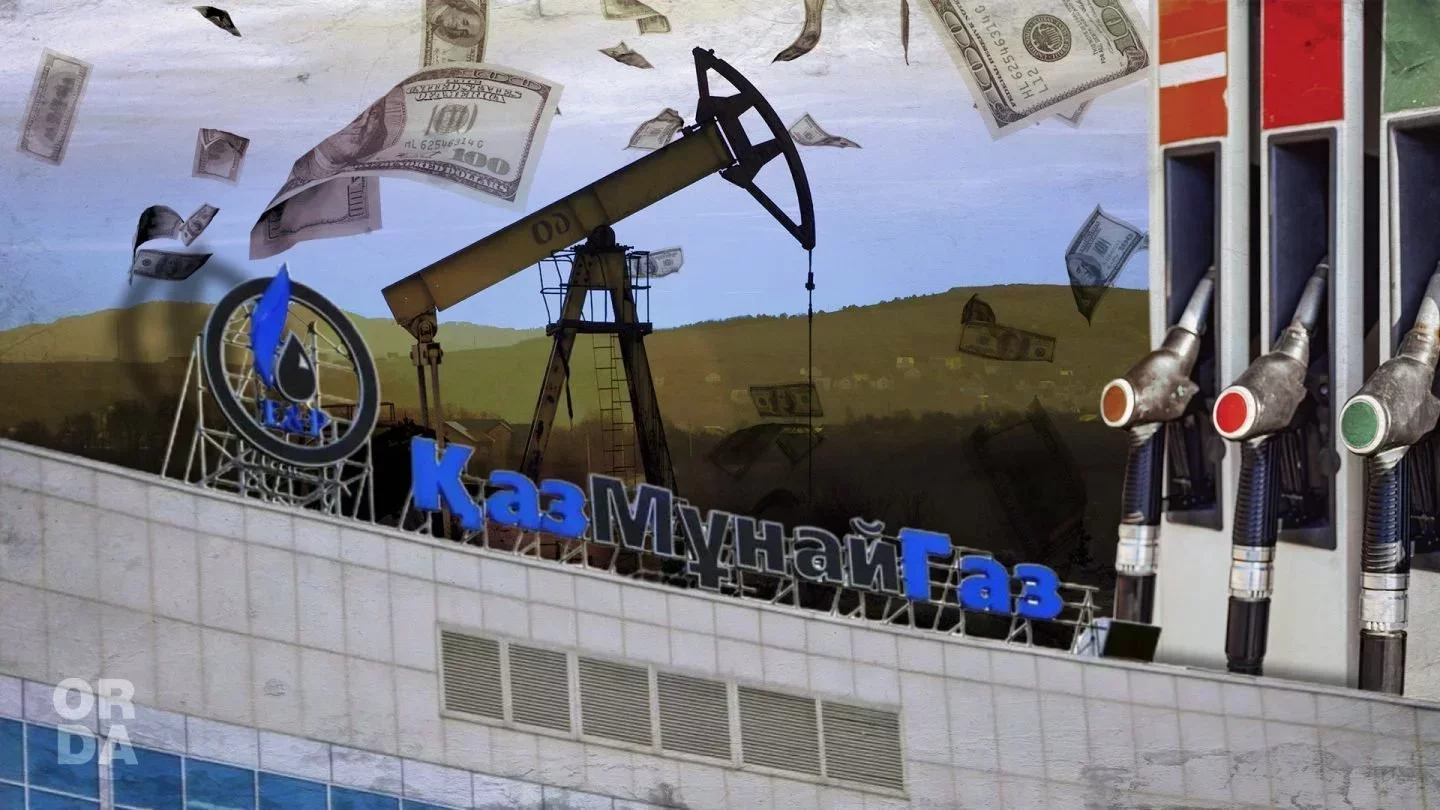 Photo: Orda.kz
Analysts at brokerage firm Teniz Capital have outlined how the new Middle East war — sparked by U.S. and Israeli strikes on Iran — could affect Kazakhstan and its economy. Excerpts from the review were published by the Kazakhstan Association of Minority Shareholders (QAMS). As expected, the oil market is at the centre of attention, Orda.kz reports.
The analysts highlight the strategic importance of the Strait of Hormuz for global logistics, especially oil transportation. It accounts for about a third of global crude shipments and roughly 90% of oil transported from the region, mainly by Persian Gulf producers. Over the weekend, Iranian authorities announced the strait would be closed. Tehran had warned for more than a year that it could take such a step in the event of an attack.
However, the government reversed that decision shortly afterwards. Even so, shipping through the Strait of Hormuz remains risky, with reports that several civilian vessels have been hit.
Teniz Capital says that if the conflict drags on, Brent could rise to $90 per barrel. In the first days of the war, May Brent futures briefly surged to $82.40 — the highest level since autumn 2023 — before giving back some of the gains. At the time of publication, they were trading around $78.60.
The note also emphasizes that a blockade would damage Iran’s own exports. Although years of sanctions have sharply limited foreign trade — including energy exports — Iran still ships around 1.6 million barrels per day overseas, just under half of its total output. The analysts contend that the war turns supply risks from a short-term concern into a structural one.
They say that Kazakhstan could benefit from the situation, as its role as an alternative oil supplier would grow. China could be the biggest buyer of Kazakh oil, given that it traditionally purchases large volumes from the Middle East. Companies based outside the conflict zone, such as KazMunayGas (KMG) and KazTransOil (KTO), could also benefit. Increased investor interest could make it easier for them to raise capital.
Teniz Capital also outlines the potential advantages for KMG and KTO in greater detail. KMG could benefit if OPEC+ decides to accelerate production increases. Participants have already agreed to raise output by 206,000 barrels per day (Kazakhstan’s quota increased by 10,000 barrels to 1.58 million), but analysts say this would still be insufficient to offset losses tied to the disruption of passage through the Strait of Hormuz. Teniz Capital argues that higher prices combined with higher production would boost KMG’s investment appeal.
For KTO, global supply tightness and rising transit volumes could support earnings. This year, the company plans to gradually raise tariffs for its services, which would improve margins. One option for China could be to increase the transit of Russian oil through Kazakhstan to 12.5 million tonnes per year — a proposal currently under discussion. Teniz Capital believes that these factors could lead to faster growth in KazTransOil’s share price.
At the time of publication, KMG shares on the Kazakhstan Stock Exchange (KASE) were trading at 28,633 tenge, up 10% from the end of last week. KTO shares rose by 5.5%, reaching 1,100 tenge per share.
On 1 March, economist Almas Chukin discussed how the war in the Middle East could affect the global economy and Kazakhstan. If power in Iran shifts to a democratic, pro-American government, sanctions could be lifted, which he believes would give Kazakhstan additional access to the sea and 'a fairly rich, educated neighbour with great potential'.
Original author: Alexey Afonsky
Read also:
- Government Reveals When Kazakhstan Will Launch a New Oil Refinery
- KazTransOil to Boost Oil Supplies to Kyrgyzstan, Resume Transit to Uzbekistan
- US warns Ukraine against strikes affecting CPC oil exports
Latest news
- Tashkent–Atyrau Flight to Be Launched From March 29
- Tokayev and Erdogan Exchange Congratulations and Discuss Upcoming Meetings
- Tengiz, Kashagan and Export: What Kazakhstan and Oil Giants Agreed on in the United States
- Atyrau After the Rain: Power Outage and Two Injured by Electric Shock
- Kazakhstani Tennis Player Shevchenko Beats World No. 9
- Shepherd Lay in the Steppe for Five Days With Broken Leg and Survived
- Fogs, Rain, And Storms Expected Across Kazakhstan On March 24
- About 80 Children Got Lost In Atyrau During Nauryz Celebrations
- Where in Kazakhstan Is It Most Profitable to Cook Pilaf for Nauryz?
- Rocket With Cargo for ISS Launched From Baikonur
- Labor Market to Be Cleared of Fictitious Contracts
- Three World Records Set in Almaty During Nauryz Celebrations
- Nauryz And Diplomacy: Tokayev Receives Dozens Of Congratulations
- Yurt, Tulip and Sun: Drones Light Up Astana Sky for Nauryz
- Tokayev Congratulates Kazakhstanis on Nauryz and Reminds About "Taza Kazakhstan"
- Kazakhstan’s Most Polluted Cities Identified In February Report
- New City of Alatau to Operate as Independent Ecosystem With Own Tax Rules
- Putin Congratulates Tokayev on New Constitution, Confirms Importance of State Visit in May
- New Regulations May Allow Drone Taxis Over Almaty This Summer
- Prime Minister Responds to Blood Service Concerns as Donor Numbers Lag
