

Russia Hits Ukraine with Mass Air Attacks
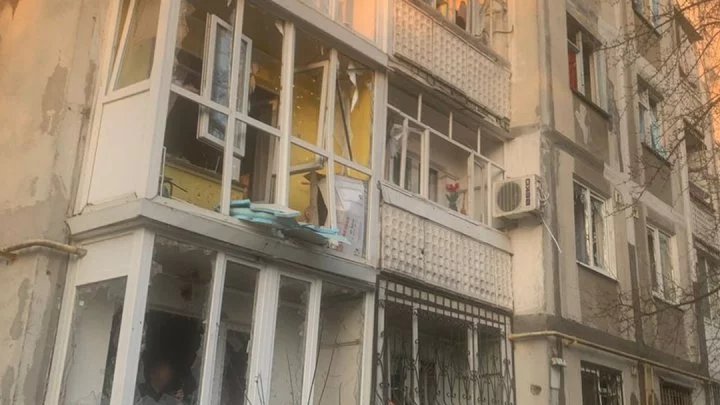 Photo: Telegram channel of the State Emergency Service of Ukraine
For the first time since August, Russia launched a combined missile and drone strike on Ukraine on the night of November 17, the BBC writes.
An emergency power outage was introduced in the country. Five people are known to have died.
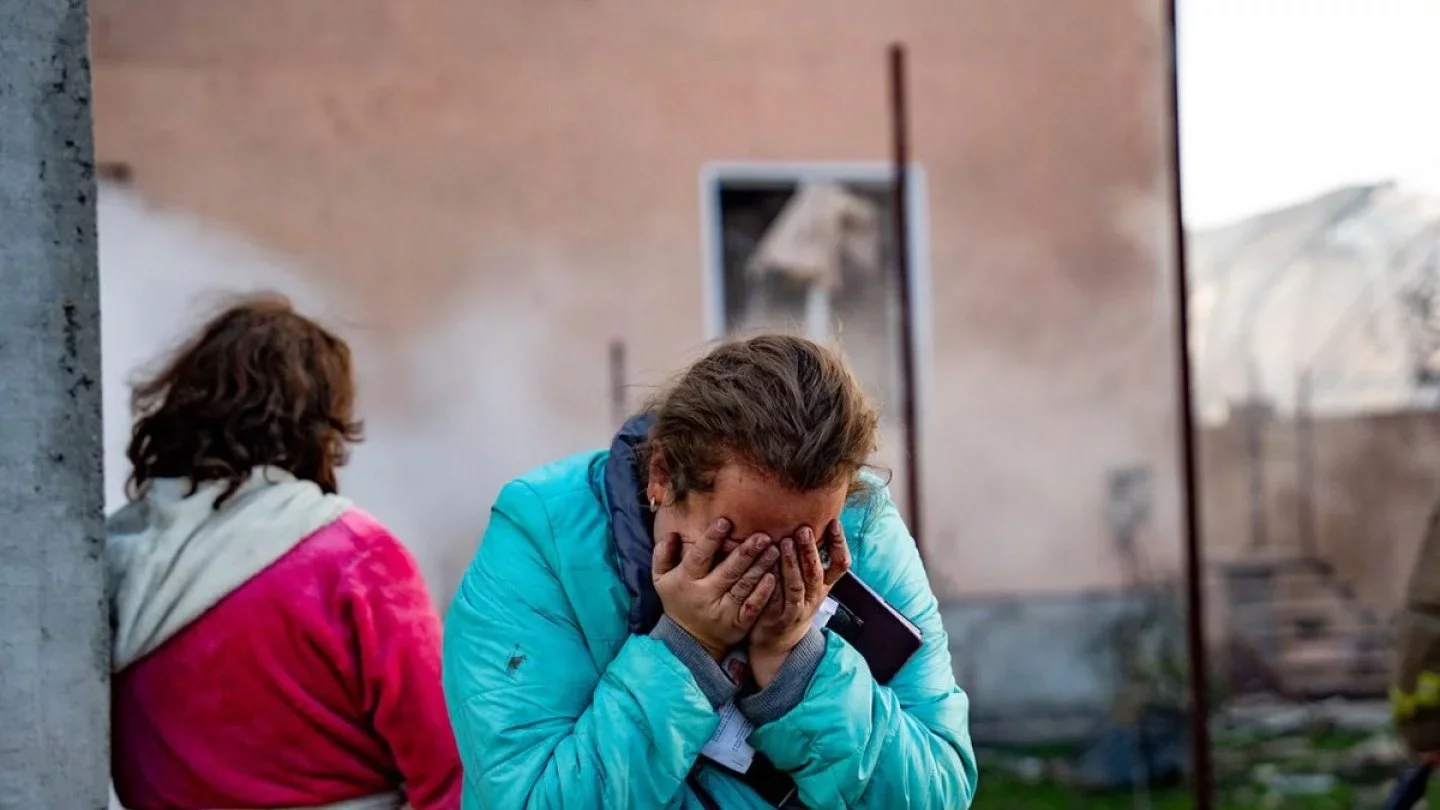
President Volodomyr Zelenskyy says the Russian military used about 120 missiles and 90 drones to attack Ukraine on Sunday.
The enemy’s target was our energy infrastructure throughout Ukraine. Unfortunately, there is damage to objects from hits and falling debris, Zelenskyy said
Andriy Sybiga, Ukraine's foreign minister, said Russia had carried out "one of the largest air attacks" since the war began.
Amid Kyiv's routine calls for allies to boost air defenses, the Ukrainian Air Force reports to have shot down seven of the eight hypersonic Kinzhal missiles and one Tsirkon, as well as another 89 cruise missiles and five aircraft missiles. The Kyiv military administration stated that "almost the entire territory of Ukraine was under attack. The Ukrainian authorities had assumed the attacks would resume with the onset of cold weather.
The attack involved two long-range and seven strategic bombers, as well as other aircraft.
At the same time, the Russian Defense Ministry claims the Russian military "delivered the massive strike with high-precision weapons" and drones on "critically strategic energy infrastructure facilities." The Ministry also claims these facilities supported the operation of the military-industrial complex.
The ministry labeled the strikes as targeting "military production enterprises."
Russia has been attacking Ukraine's energy infrastructure since late 2022. The energy complex has sustained significant damage.
Meanwhile, the Russian opposition organized a mass protest in Berlin.
The protest's slogan is "Against the war. Against Putin. For the freedom of political prisoners." Participants demand an end to the war against Ukraine, the release of political prisoners, and the prosecution of President Vladimir Putin as a war criminal.
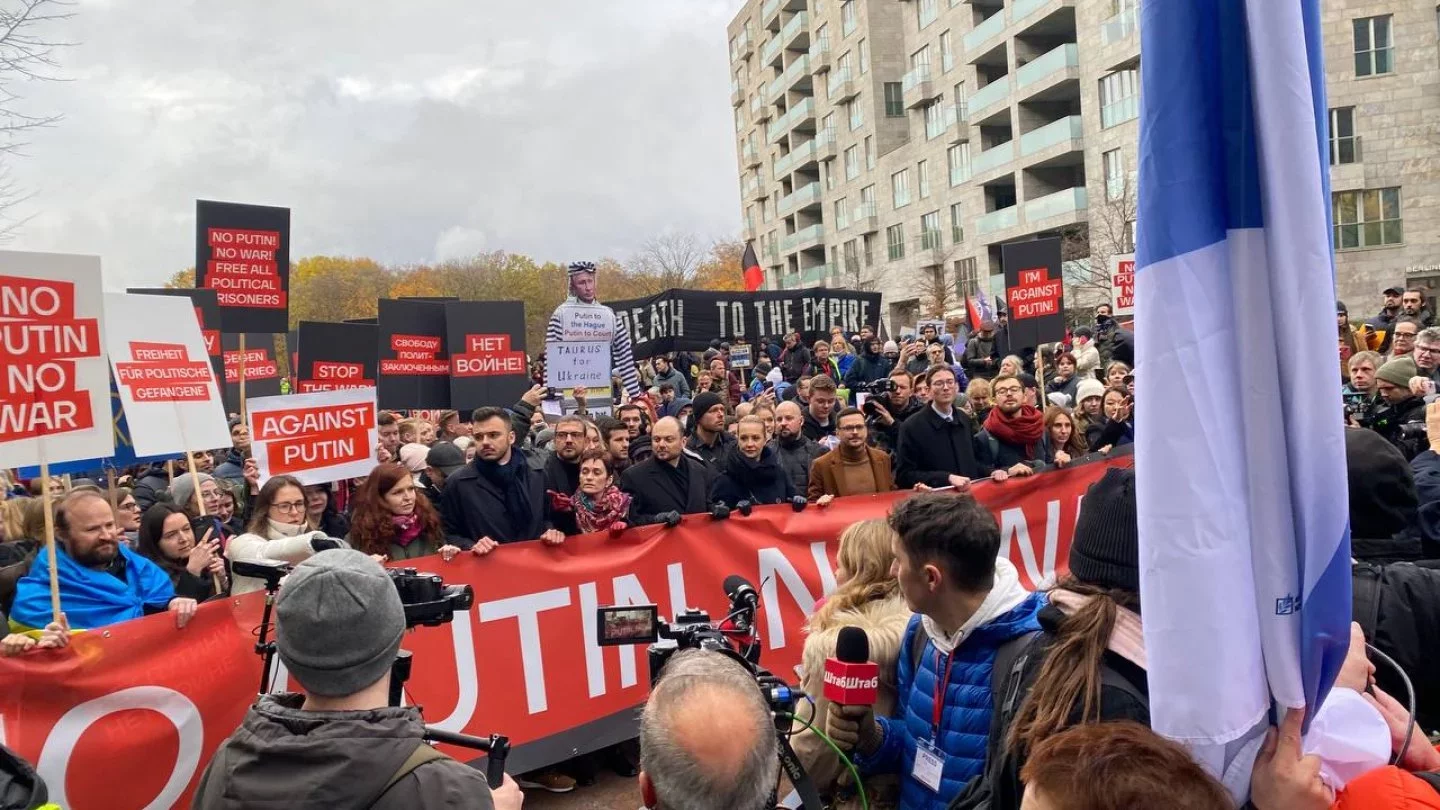
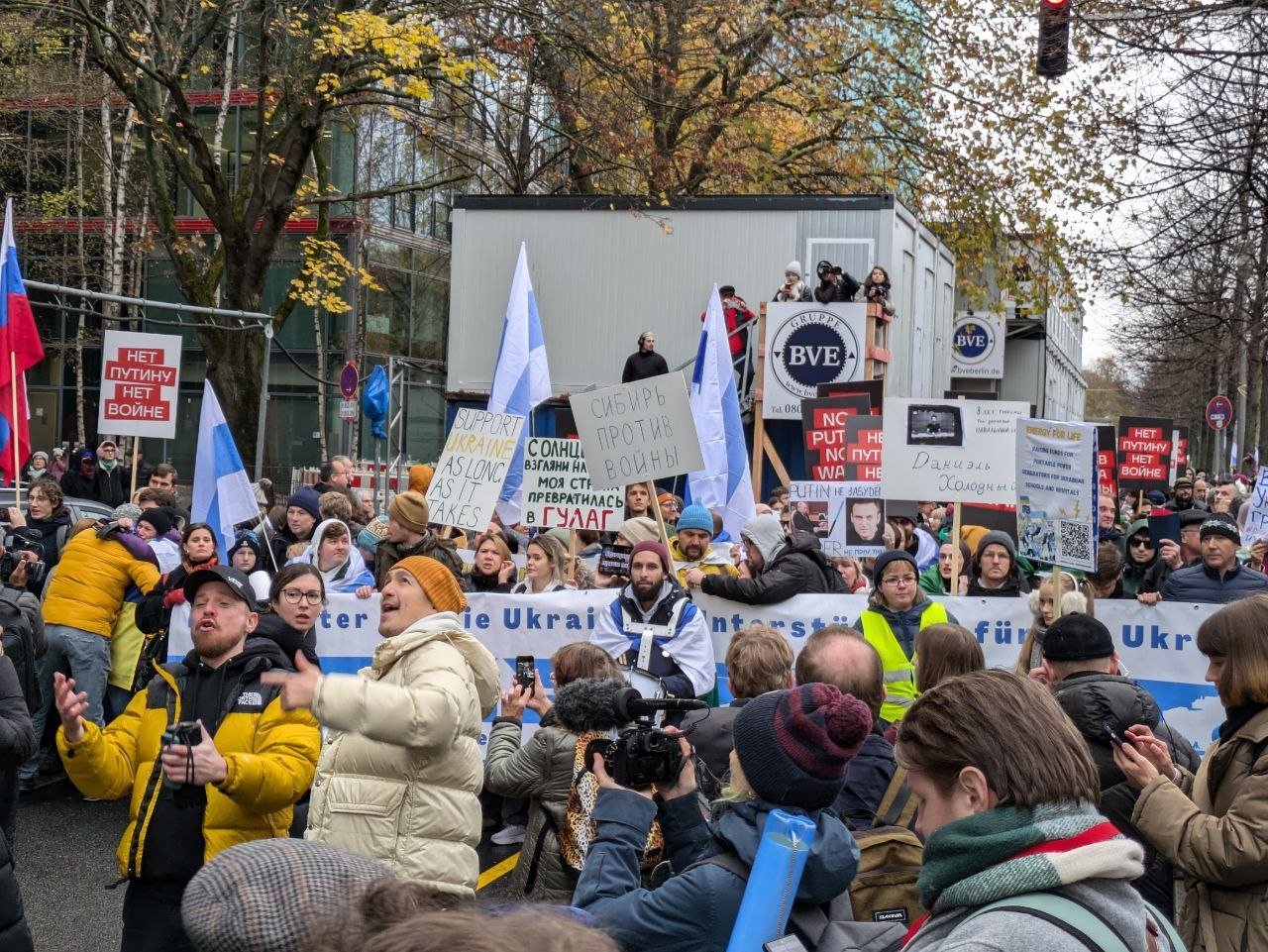

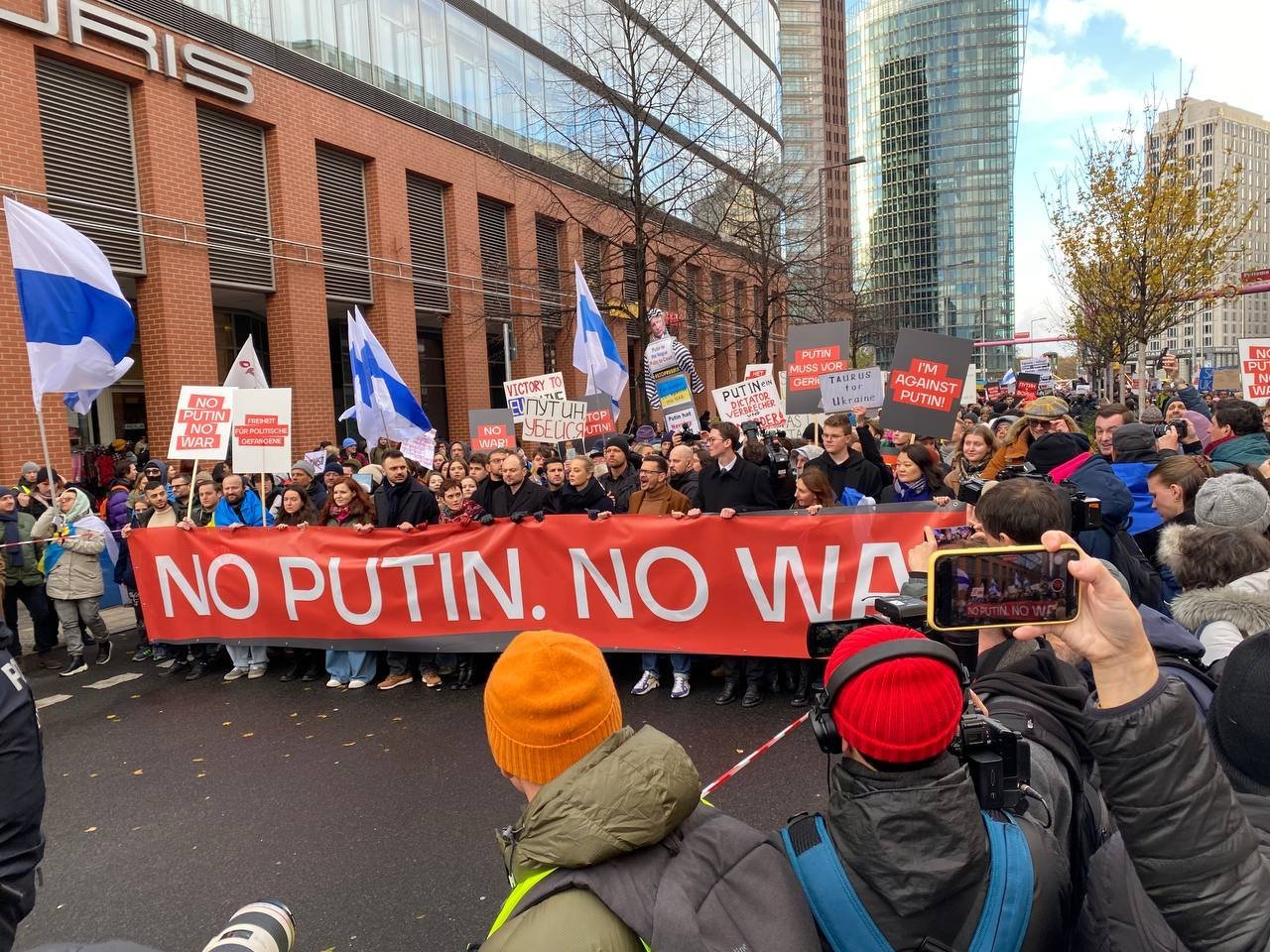
Well-known opposition politicians, including Ilya Yashin, Yulia Navalnaya, and Vladimir Kara-Murza, organized the event. Several thousand people gathered in Berlin for the march, which ended at the Russian embassy next to the Brandenburg Gate.
Original Authors: Rimma Karatayeva, Rustam Muratov
Latest news
- Orda.kz Editorial Team to Cease Operations on September 1
- The Price of a Degree: How Students in Kazakhstan Pay for University
- Second Przewalski’s Horse Foal Born as Species Returns to Kazakhstan
- Kazakh Mining Companies Can Recalculate Purchases if Tenge Weakens
- Kazakhstan Names First Vice President in Three Decades
- What Almaty’s Bus Shelters Are Missing
- 400-Truck Queue Builds at Kazakh–Kyrgyz Border
- Kazakhstan Ready to Help Feed and Rebuild Gaza
- Tokayev Establishes New Presidential Security Body
- Almaty Takes Back Its Nearly Century-Old Hippodrome
- No More Guesswork on Savings: Kazakhstan Tightens Energy Audits for Businesses
- Public Money Could Be Used to Rescue Failing Kazakh Banks
- Third Kazakh Woman Reported Missing in Nepal-China Flood Zone
- Falconer Convicted Over 35 Protected Birds, Spared Punishment Under Amnesty
- Kazakh Citizen Detained in Yakutia in Phone Fraud Case
- Yuan Instead of Dollars? KazMunayGas Draws Record Demand in Asia
- China Gains Oil-Market Influence as OPEC+ Weakens
- Kazakhstan to Divide Smartphones Into White, Gray and Black Lists
- Kazakhstan’s Government Formally Resigns as First Kurultai Session Opens
- Rare Lynx Sighting Recorded in Northern Kazakhstan
