

Qostanay Doctors Frustrated Over Delivery of Outdated Ambulances to Rural Areas
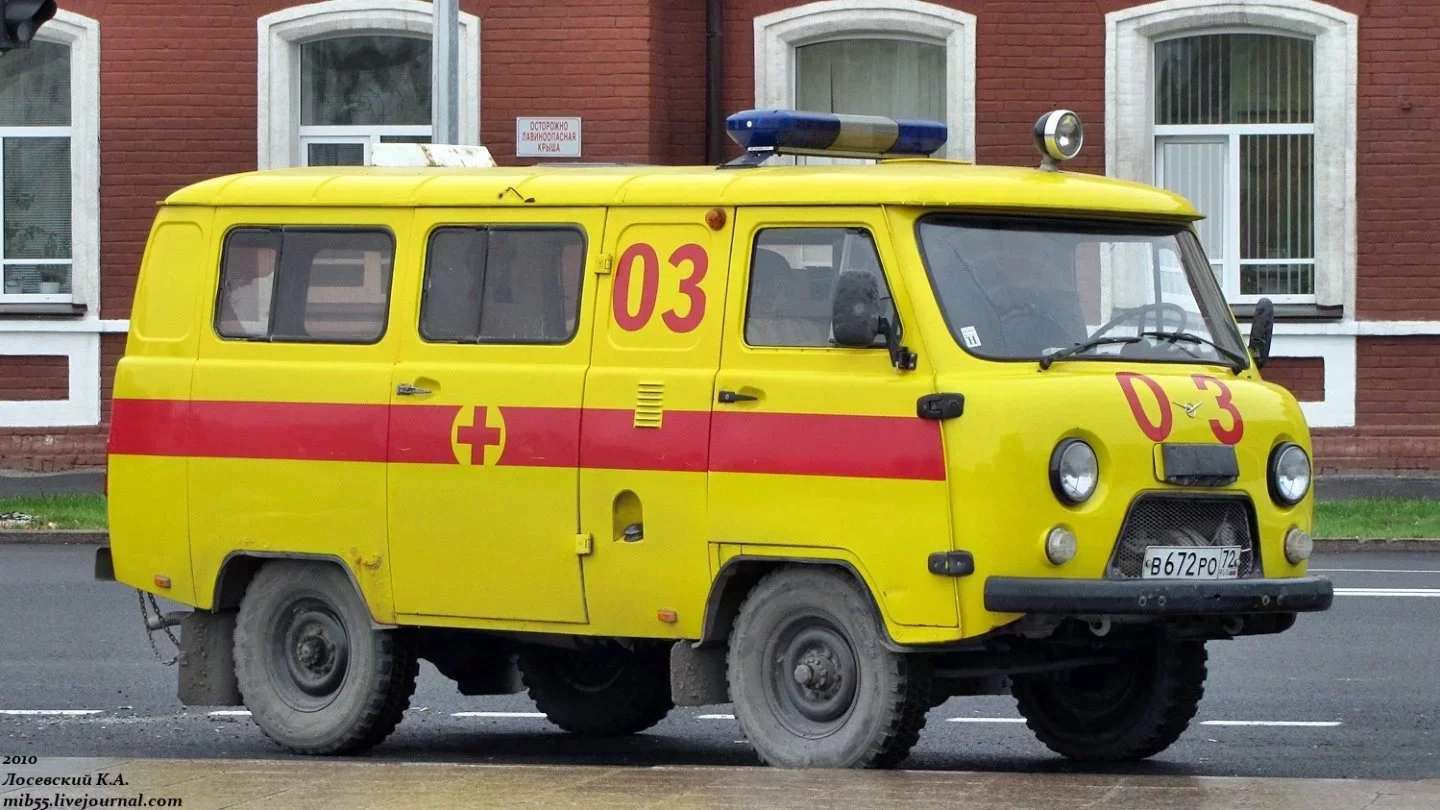 Photo: livejournal.com, Ill. Purposes
In Kazakhstan’s Qostanay region, the ceremonial delivery of 20 new ambulances — based on the decades-old UAZ-452 model — to rural hospitals has caused backlash, Orda.kz reports.
The vehicles, popularly known as "loaves" for their boxy shape, have drawn criticism from medical workers who question their suitability for modern emergency care.
The bright yellow vehicles were produced by Russia’s Ulyanovsk Automobile Plant in partnership with the company Avtodom. The purchase, timed for Medical Worker Day, cost the regional budget 320 million tenge (around $700,000).
Regional Deputy Akim Gulbaram Musagazina officially handed over the keys, stating that the new fleet would enhance the availability and quality of rural healthcare services.
Some paramedics voiced strong concerns. Maria, a paramedic from Qostanay, said the new vehicles fall short of the demands of emergency care:
This ‘loaf’ is basically a tin box on wheels. There’s no space for equipment or even a patient on a stretcher. We’re used to vehicles like Hyundai or Ford — spacious and fitted with life-saving tools. This new model might work for transporting someone with a mild fever, but it’s not an ambulance by today’s standards.
Her colleagues echoed similar concerns, noting that the layout is impractical and could endanger both patients and staff.
If you load up medical equipment — ventilators, oxygen, monitors — there’s literally no room left for the patient. If two medics go with a bedridden person, where do they sit? On the floor? It just doesn’t make sense,
said another member of the emergency response team.
Many questioned why the region didn’t invest in repairing the approximately 15 higher-quality ambulances that currently sit unused in the yard of the regional station. Some vehicles were damaged in accidents; others have mechanical issues that doctors believe could be fixed for the same cost as the new fleet.
We switch from one broken vehicle to another just to keep working. Sometimes we go through two or three in one shift. These older models have their problems, but at least they’re built for emergencies,
Maria added.
Doctors also raised concerns about the new vehicles' performance in winter, when equipment can freeze and outdated models often struggle with heating issues.
Staff said they were never consulted before the purchase.
Deputy Akim Musagazina, however, defended the decision on her official page:
The new equipment was purchased using local budget funds and is intended to improve the availability and quality of medical care, especially in remote rural communities. Developing regional healthcare and improving its infrastructure remain our key priorities.
The new ambulances are set to be dispatched to district hospitals, but healthcare workers remain skeptical.
Their biggest concern: that those expected to save lives in these vehicles were left out of the decision entirely.
Original Author: Olga Ibraeva
Latest news
- Laser Guidance Systems Begin Testing on Kazakhstan’s Highways
- Kazakhstan Plans Mandatory Labeling for Dietary Supplements and Jewelry
- Chinese Influencer Tao Mingxiu Receives Presidential Award in Kazakhstan
- Kazakhstan Ranks Sixth In the World By Agricultural Land Area
- Uzbekistan Breaks Regional Record In Public Debt Market
- “They Are Not Cattle, You Don’t Vaccinate Them”: Why Zoologists Cannot Save Caspian Seals
- Did The Digital Economy Stumble Over PPP? How The Minister Reacted to the IT Industry’s Problems
- Private Investors to Help Build Juvenile Correctional Facilities in Kazakhstan
- “Like Rotten Eggs”: Residents of Atyrau Again Complain About the Stench in the City
- Digital Passport and Admission Benefits: Kazakhstan Wants to Change Volunteering
- Infected Sunflower Seeds From the U.S. Barred From Entering Kazakhstan
- Almaty Drivers Offered Free Emissions Checks Without Penalties
- Croatia Will Finance Oil Exploration In Aktobe Region
- Half of Kazakhstanis Earn Less Than $1,000 a Month
- Is The Era Of Easy Extraction Over? Resource Development Is Being Rebuilt In Kazakhstan
- How a Kazakhstani Tried to Change His Ethnicity Through the Courts — and What Came of It
- Economist Names Kazakhstan Regions Lagging in Investment Transparency
- 14-Year-Old In Tesla Tries To Flee Police In Astana
- When a Michelin-Recognized Restaurant Will Open in Almaty, Akimat Says
- Transfers To China From Kazakhstan Fall To Six-Year Low
