

Planned Thermal Power Plant Projects with Russia at Risk, Analyst Says There’s Nothing Positive About It
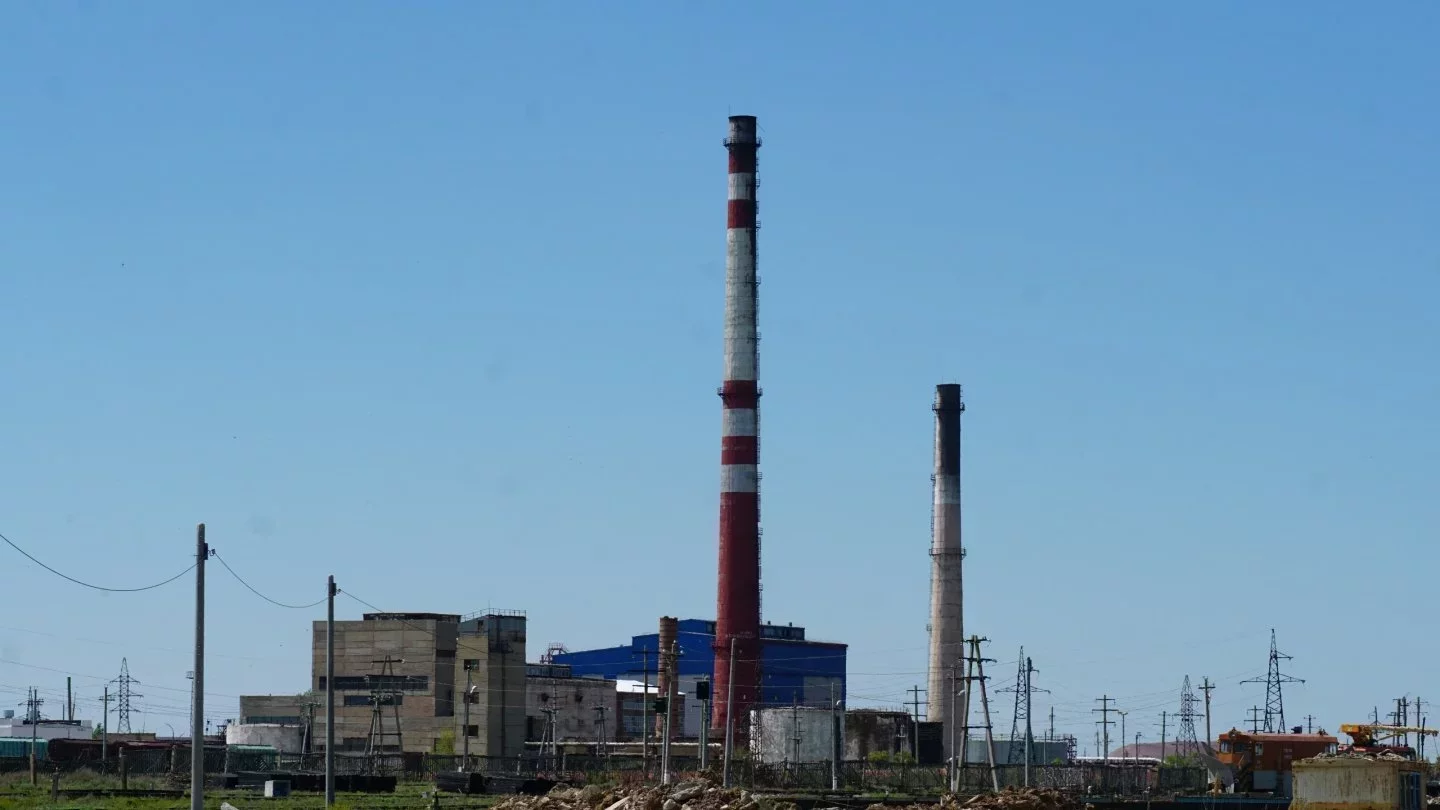 Photo: Olga Ibraeva / Orda.kz, Ill. purposes
At the end of May, it became known that plans to construct three coal-fired thermal power plants in Kazakhstan, with anticipated participation from Russia, could face challenges, Orda.kz reports.
Another investor may take on the projects. Oil and gas analyst Olzhas Baidildinov believes this development is cause for concern.
Baidildinov noted that the Russian company Inter RAO is facing financing difficulties. Given Kazakhstan’s lack of financial and technical capacity to build thermal power plants independently, he views this as a serious issue.
The memorandum on the construction of three thermal power plants was signed in November 2023. The partners were Inter RAO – Export and Samruk-Energo. The thermal power plant in Kokshetau: electric capacity of 240 MW, thermal capacity of 520 Gcal/h, preliminary cost of about 800 million dollars. The thermal power plant in Semey: 360 MW, thermal capacity of 742 Gcal/h, about 950 million dollars. The thermal power plant in Oskemen: 360 MW, thermal capacity of 1007 Gcal/h, about 1.1 billion dollars. They planned to build it by 2028. But now, I believe, these projects will go beyond 2030–2032. Investment projects worth almost three billion dollars are being disrupted, but various figures and the media are happy that ‘Russia won’t succeed.’ They are not very concerned about how the energy systems of the three cities will cope in the winter,
said Baidildinov.
He emphasized that Russia has limited incentive to pursue the project. Kazakhstan imported 4.7 billion kilowatt-hours of electricity from Russia in 2023, and since 2017, imports have increased by a factor of 3.6. The country often imports electricity during peak demand and sells surplus at a significantly lower rate.
From an economic standpoint, Baidildinov argues it would be more logical for Russia to invest in domestic energy infrastructure.
Nevertheless, only Russia had expressed serious interest in the project. Baidildinov questioned why that is the case.
A tender was announced for the construction of three coal-fired thermal power plants. Even twice. No one except the Russian state corporation submitted an application. Because coal is banned from financing in the world as a polluting energy. A Turkish company also wanted to take part in the tender. But then it withdrew,
he pointed out.
In an exclusive comment to Orda.kz, Baidildinov suggested the three thermal power plants may have been tied to broader agreements between Russia and Kazakhstan, specifically related to the planned construction of Kazakhstan’s first nuclear power plant.
I believe that these stations were ‘in addition’ to the NPP. Despite the fact that this is still a separate lot, and different legal entities will perform the work, there is probably an agreement on this. Otherwise, the construction itself under a preferential Russian loan does not look very logical. The construction of coal-fired thermal power plants in itself is of no interest to anyone at the moment – the tender was held twice, no one came. Therefore, my assumption is that this is ‘in addition’, that such a volume must be completed "socially." Why socially? Because it is obvious that the cost of construction of three billion dollars in three cities will be returned by their residents through the tariff. And it is unlikely that this tariff will be such that it will allow to recoup all investments in ten years,
Baidildinov explained.
Regarding the potential withdrawal of Russia from the project, the analyst cautioned against assuming the development is beneficial for Kazakhstan.
One major concern is the currency in which financing from a new investor might be offered.
Why is the financing currency so important? Because it is in the currency that the residents of the three cities will repay the loans for the construction of the thermal power plant. Through the tariff. Unfortunately, our citizens and the media do not understand this. But they will understand when electricity tariffs begin to grow, taking into account the built renewable energy sources and the benefits / tariff adjustments to the dollar exchange rate provided to them. It would be beneficial for us to attract a loan in rubles,
he stated.
Baidildinov also raised concerns about whether Kazakhstan can handle such financial burdens. With the Russian central bank’s key interest rate at 21%, a loan for the project would likely carry an interest rate of 25%.
Initially, there was an expectation that Russia might subsidize part of the construction costs. However, following Russia’s exit from the capital of the Eurasian Development Bank, no clear financing mechanism remains.
In the end, it is not Russia that has ‘lost’ in this situation, it is we who are losing. On the other hand, if the state-owned China National Nuclear Corporation (CNNC) has already been selected to build the first nuclear power plant, then these thermal power plants may end up going to the Chinese side as a ‘bonus,’
Baidildinov concluded.
Original Author: Nikita Drobny
Latest news
- Astana Could Become An International Aviation Leasing Hub
- Kazakhstan’s First Tagged Eurasian Black Vulture Found Dead in India
- Kazakhstan Replaces Russian Turbines With Chinese Equipment for Ekibastuz Power Plant No. 2
- How Kazakhstan, Uzbekistan, And Azerbaijan Will Export Electricity To Europe
- Kazakhstan Explains How Russians Who Fled Mobilization Can Be Deported
- Kazakhstan and Japan discuss hydrogen partnership with export potential
- Russia Thanks Tokayev for Initiative to Support Russian Language
- Almaty Could Restrict Cars Under Beijing-Style Anti-Smog Plan
- Tigers in Kazakhstan Are in No Rush to Breed
- What Changes Are Being Prepared Under the New Tax Code
- Alcohol and Tobacco Prices in Kazakhstan See Sharpest Monthly Rise in 15 Years — Analysts
- Middle East Conflict Will Not Lead to Higher Gasoline Prices in Kazakhstan — Minister
- Five Regions of Kazakhstan Face Higher Flood Risk This Spring
- Kazakhstan Ratifies Turkic States Civil Protection Deal
- Astana Enters Top 100 Safest Cities as Smart City Project Expands
- Almaty Cameras to Record New Driver Violations Starting March 12
- Kazakhstan Suspended 11 Polling Stations Abroad Due to Middle East Escalation
- Kazakhstan’s Foreign Ministry Comments on Disappearance of Citizen After South Korea Factory Fire
- ChatGPT Among AI Tools Recommended for School Lessons in Kazakhstan
- Missing Kazakh Woman Found in Vietnam Four Days Later
