

KNB Chief Sagimbayev: From Terrorism to Cybercrime, Kazakhstan Faces Complex and Evolving Security Threats
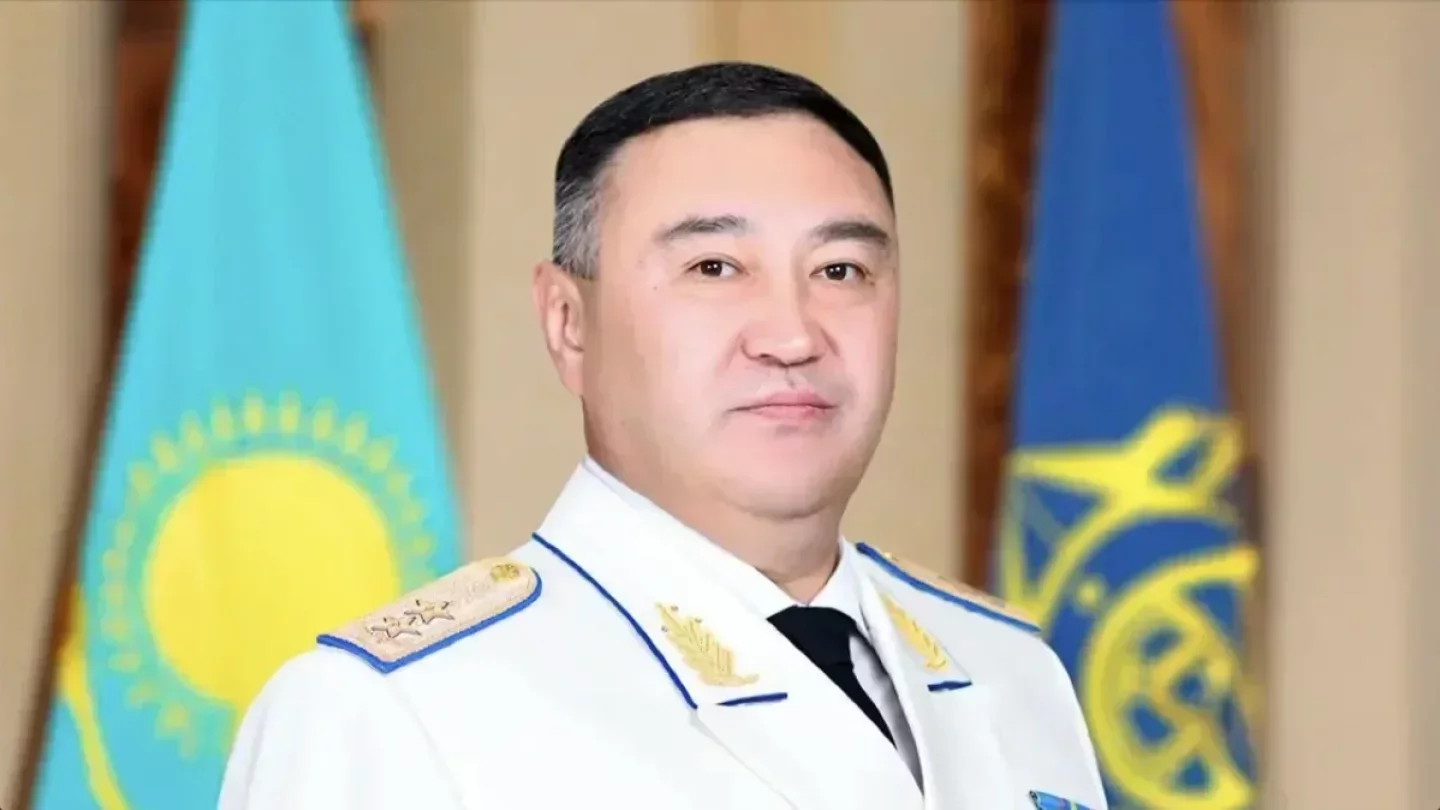 Photo: KNB RK
In a rare interview timed with Kazakhstan's National Security Day on July 13, KNB Chair Yermek Sagimbayev spoke with Kazinform, offering an overview of the country's evolving security landscape.
Orda.kz summarizes the key points.
The topics of the main challenges in the area of national security were touched upon, as well as the role of the KNB in solving them.
According to Sagimbayev, the modern world has become much more complex and less predictable:
On the one hand, traditional challenges remain, such as international terrorism and religious extremism, illegal migration, transnational crime and drug trafficking. On the other hand, new threats are emerging, related to the widespread use of digital technologies, including the introduction of artificial intelligence, which is actively used by criminal and terrorist groups. We also cannot ignore the general geopolitical situation. What happens in one region immediately affects the security of other countries.
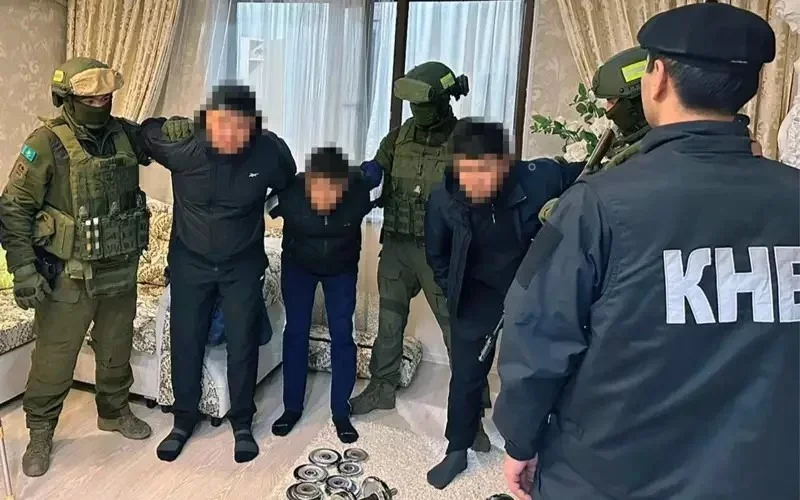
He emphasized the quiet nature of successful intelligence work. But it is important to talk about this work so that society understands: even in peacetime, national security is under constant threat and its protection requires continuous, meticulous, and professional effort.
The problem of international religious terrorism remains relevant. Individual citizens fall under the influence of destructive propaganda, becoming vulnerable to the ideology of terrorism and religious extremism. For example, this year, by decisions of the courts in the Aqtobe and Atyrau regions and the city of Shymkent, residents of these regions were found guilty and sentenced to various terms of imprisonment for the propaganda of terrorism, recruitment of persons to organize terrorist activities and illegal possession of firearms. Since the beginning of the year alone, 59 people have been detained and more than 60 people convicted for such crimes.
He also detailed the agency’s work in safeguarding economic stability:
For example, based on the materials of the National Security Committee, the illegal activities of the company "Eleas" and a number of officials of the Ministry of Health were recently stopped. They organized the smuggling of finished medicines of unknown origin from abroad under the guise of raw materials. Then, their fictitious production and sale on the territory of the republic were carried out. The damage was determined to be 26 billion tenge.
He also reported results of efforts against transnational organized crime:
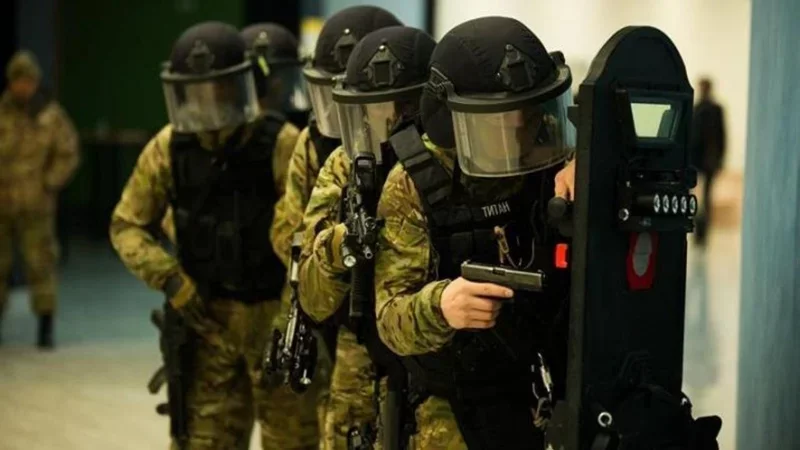
If we talk about specific results, since the beginning of this year, together with the Ministry of Internal Affairs, the activities of 15 criminal groups have been stopped, 218 of their members have been detained, 73 individuals have been arrested. In cooperation with the police and prosecutor's office, 351 units of firearms, 57 grenades and more than 5.5 thousand rounds of ammunition have been seized, including those stolen during the January events.
Much effort is also being put into combating drug proliferation:
I can cite as an example the anti-drug operation conducted in May this year jointly with the State Security Service of Uzbekistan. The arrival of a particularly large consignment of opium and hashish, which was traveling from an Asian country through the territory of Uzbekistan to Kazakhstan, was stopped. Four participants in a transnational drug structure were detained, 82 kg of opium and 130 kg of hashish were seized. The cost of the seized drugs on the black market could be about two million US dollars. In total, over 3.4 tons of narcotics and about 7.5 tons of precursors were seized in the first half of the year.
He also discussed cybercrime:
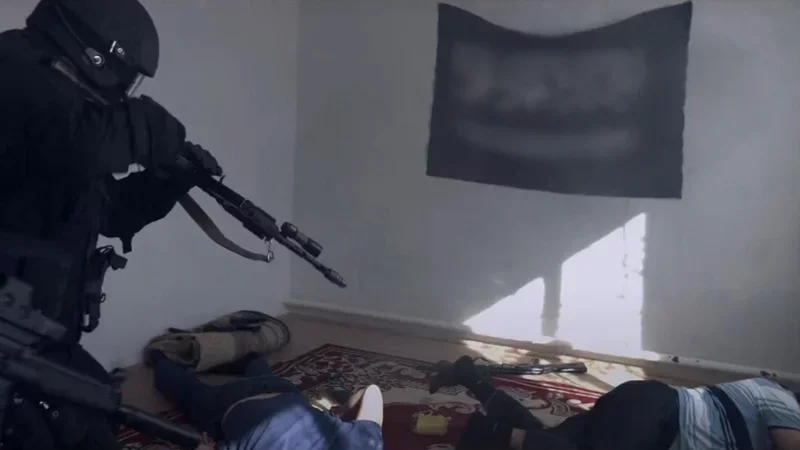
Since the beginning of the year, we have carried out a number of events in 12 cities together with the Ministry of Internal Affairs. In particular, people from among our and foreign citizens have been detained, from whom more than 76 simbox devices used in fraudulent schemes have been confiscated. In the field of information security, in the first half of the year alone, 965.4 million cyberattacks and over 3.5 thousand DDoS attacks on critical infrastructure facilities of the country have been repelled, and about a thousand phishing Internet resources have been identified. 66 users of the Telegram messenger involved in the distribution of narcotic and psychotropic substances have been identified. 49 users involved in the propaganda of suicide and incitement to suicide through Internet resources have been identified.
On the role of intelligence and counterintelligence services, Sagimbayev remarked:
"Spies and counterintelligence agents do not seek recognition. Their mission is to ensure peace, stability, and confidence in the future. Kazakhstan's citizens live and work in safety — this means our objectives are being met."
He also credited border guards, who work closely with intelligence and counterintelligence services, for their contributions.
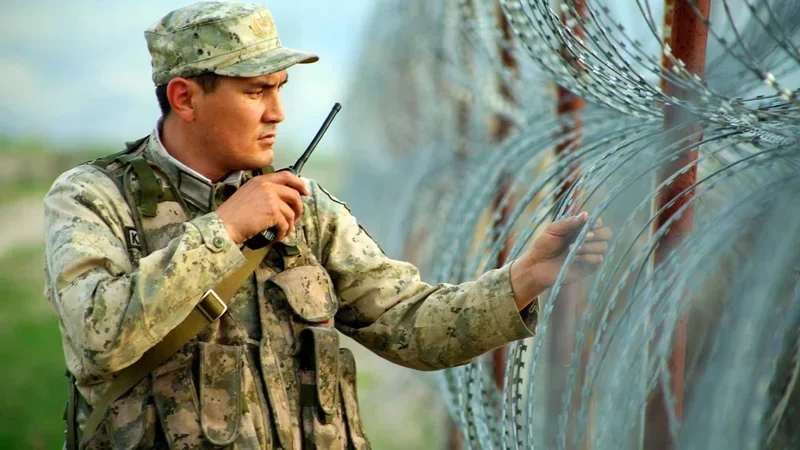
Since the beginning of this year, border guards have detained over 14.6 thousand border violators, prevented 475 attempts to smuggle weapons and ammunition, and stopped the illegal movement of currency worth over 14 billion tenge. At the same time, advanced technologies are being introduced. Automated border control systems have been launched at the Astana and Almaty air checkpoints and the Qorday automobile checkpoint, and control has been strengthened using artificial intelligence and automated databases. All checkpoints are being integrated into a single digital system. This will allow for prompt detection of violations and speed up the passage of citizens.
The interview also addressed the newly created Anti-Corruption Service, now merged with the KNB.
As of July 30, the Anti-Corruption Agency was officially incorporated into the KNB, although some functions have been reassigned to the Civil Service Agency.
We have developed a step-by-step algorithm of actions arising from the Decree, including the preparation of a regulatory framework. Interaction is underway with the government and the Agency for Civil Service Affairs on the transfer of functions and powers of the reorganized agency. The process is labor-intensive and multi-stage.
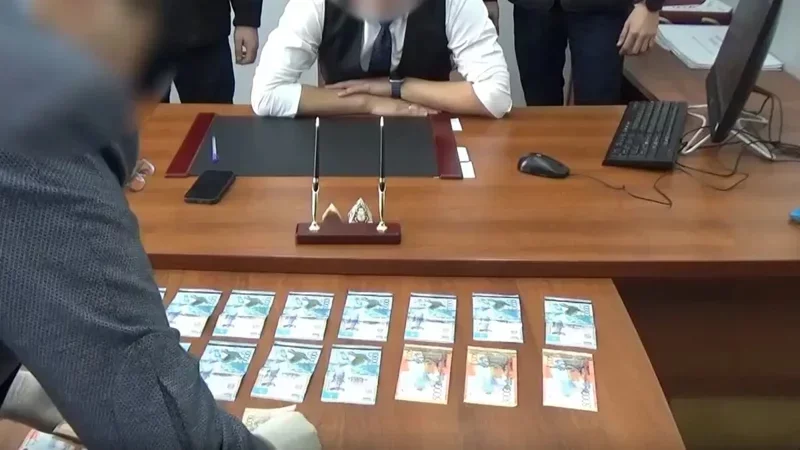
He concluded by congratulating his colleagues: "Thanks to their efforts, we maintain stability and peace in society, prevent threats, and create conditions for the sustainable development of the state."
Original Author: Natalia Ovchinnikova
Latest news
- MP Calls for Prosecutor Review of Kazakhstanis’ Dubai Property
- Kazakhstan Moves to Legalize Private Detective Work
- Kazakhstan to Extend Gas Export Ban for Six More Months
- Majilis MP Calls to Soften Liability for Kazakhstanis Drawn into Foreign Wars for Pay
- The Delivery of 51 Stadler Passenger Coaches Has Been Delayed
- Kazakhstan Returns Nearly 1,000 Citizens From the Middle East
- Damaged Baikonur Launch Pad Facility Restored After 2025 Collapse
- A Rare Black Melanist Wolf Was Shot in Eastern Kazakhstan
- Kazakhstan Maintains Neutral Stance on Middle East Escalation
- Kazakh MFA: Citizens Evacuated from the Middle East via Oman and Saudi Arabia
- Kazakhstan to Spend 4.6 Trillion Tenge on Road Projects Through 2029
- Central Asia Competes for the Skies: Why Kazakhstan Risks Falling Behind Uzbekistan on Jet Fuel
- The War in Iran Opens a Window of Opportunity for Kazakhstan’s Oil Sector, Analysts Say
- Iran Conflict Escalates Beyond the Gulf: What Kazakh Experts Say About Risks for Central Asia and Kazakhstan
- Kazakhstan Prepares Possible Evacuation of Its Citizens From Iran
- LRT in Astana Is Reaching the Finish Line: The Launch Is Expected in the Coming Months
- Kazakhstan Ready to Help the UAE Amid Escalation in the Region
- Tokayev Discusses Middle East Escalation With Qatar’s Emir
- Airlines Ready to Bring Kazakhstanis Home From the Middle East
- Tokayev Sends Support Messages to Gulf Leaders Amid Regional Escalation
