

Kazakhstan and Russia Strengthen Railway Cooperation, Sign New Logistics Protocol
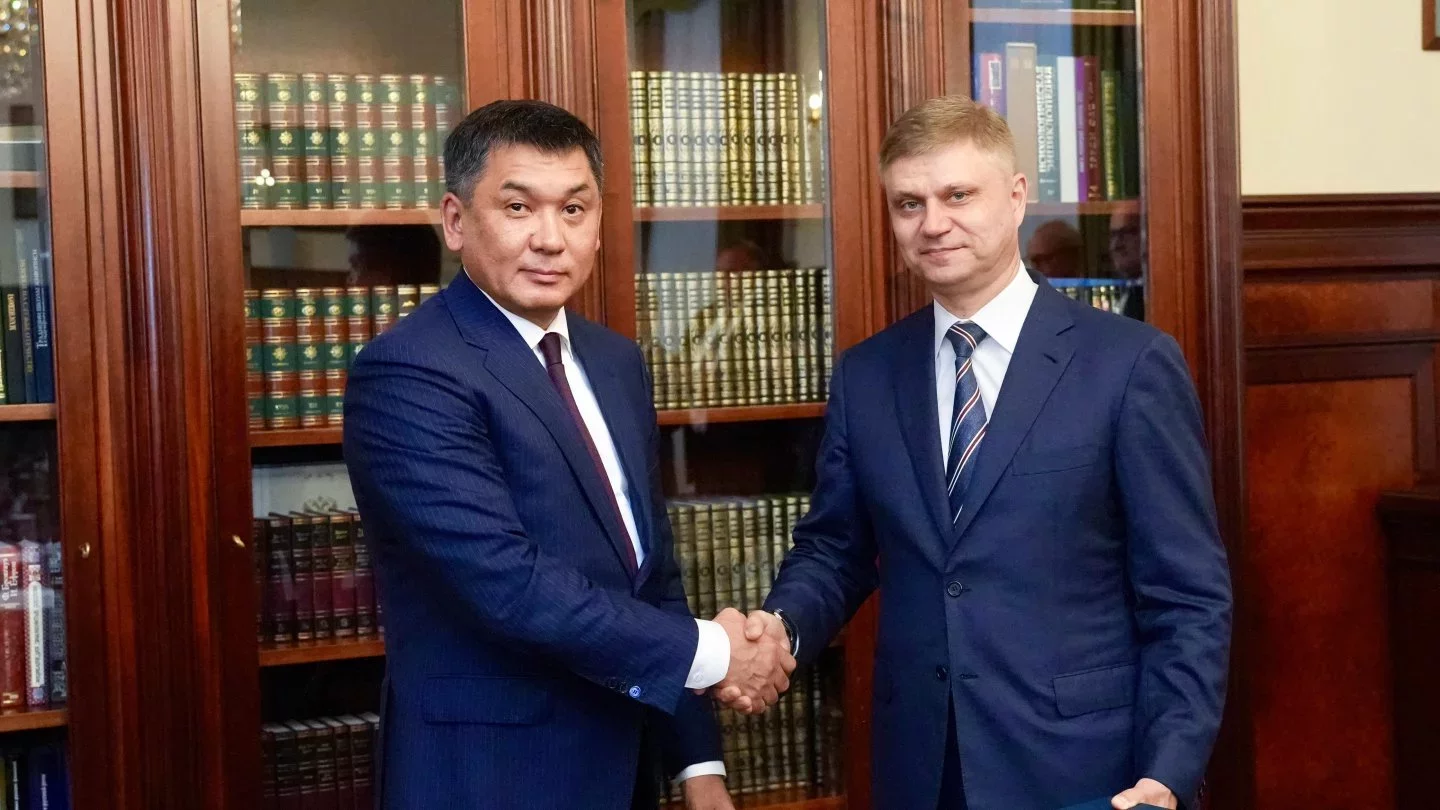
On July 21 in Moscow, the heads of “Kazakhstan Temir Joly” and “Russian Railways,” Talgat Aldybergenov and Oleg Belozerov, discussed the strategic partnership agreement signed in November 2024, Orda.kz reports.
The two sides agreed to develop intergovernmental rail junctions for 2025–2026.
A protocol was signed, outlining improvements to logistics systems, including changes in wagon flow direction, train handover technologies, and the extension of guaranteed service distances.
I am confident that our constructive cooperation — including the implementation of the strategic partnership agreement and joint work within the MGSP — will not only ensure sustainable growth in transportation volumes and increase the train exchange by 30% to 85 pairs per day compared to the first half of 2025. We are also actively implementing large-scale infrastructure projects, digitalization, and automation of rail transport, including the automatic processing of transit declarations, which lays a strong foundation for transparency, future growth, and integration of our transport information systems,
said Talgat Aldybergenov, Chairman of the Board of Kazakhstan Temir Joly.
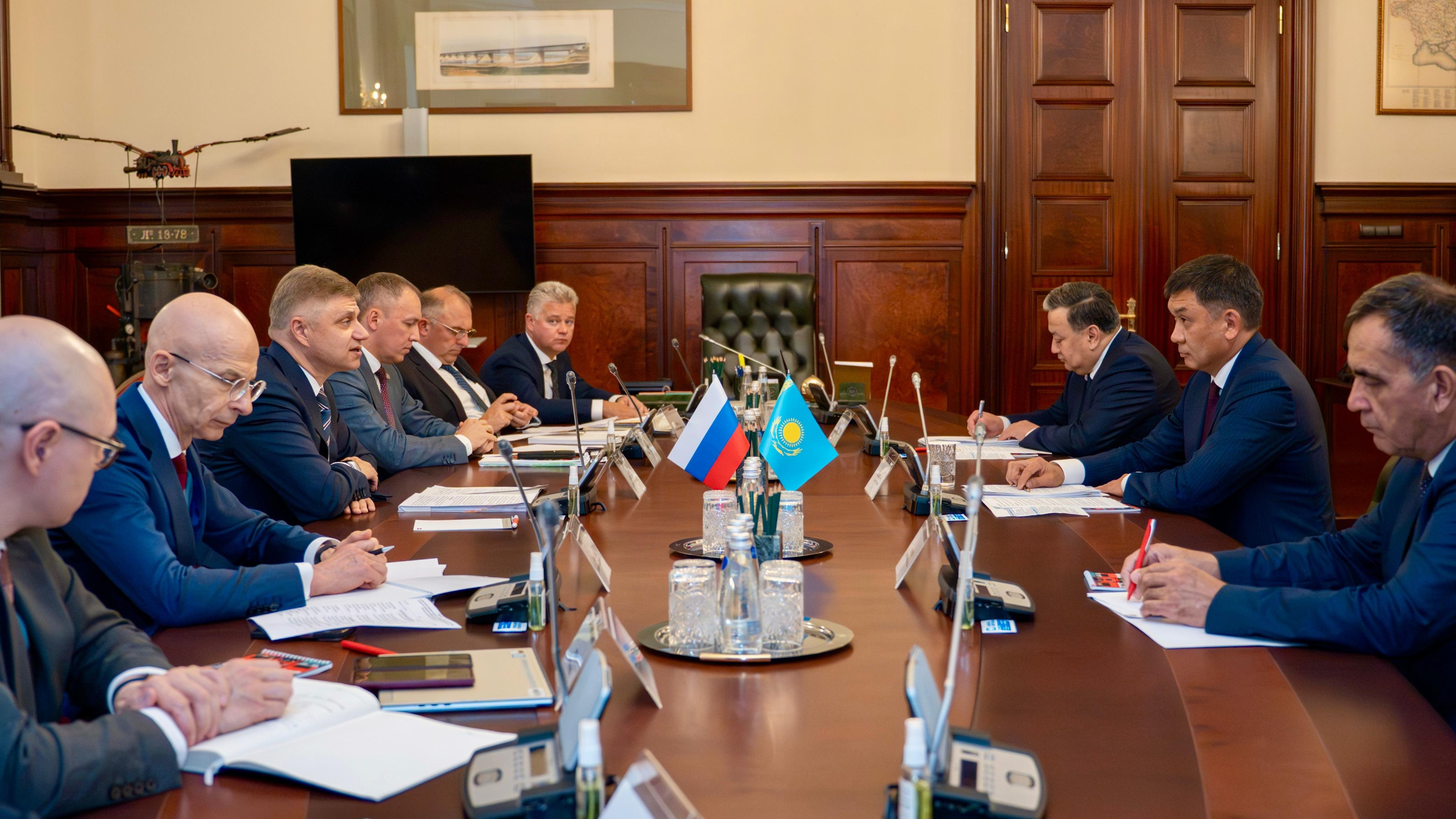
During the meeting, both sides agreed to increase freight volumes along the eastern branch of the North–South corridor, integrate information systems under the ASOUP-2 project (automated transport operations management system), and automate the processing of transit declarations for China–Europe cargo, ensuring compatibility with Russian and Belarusian railway systems.
The heads of the railway administrations of Kazakhstan and Russia will further address plans to increase freight volumes and train exchanges for 2026 during a joint working group session this fall.
The Kazakh side noted that several major infrastructure projects are nearing completion this year, including the Dostyq–Moyynty line, a bypass around the Almaty rail hub, and the modernization of more than 3,000 kilometers of existing lines — all of which will significantly increase the throughput capacity of KTZ’s network.
The company reported continued growth in freight traffic. In the first six months of this year, volumes exceeded 45 million tons — 4.1% higher than the same period last year.
Container transit reached 273,300 TEU, up 18% compared to 2024.
Original Author: Mariya Kravtsova
Latest news
- Tokayev Congratulates Saudi Leaders on Founding Day
- Undocumented Kazakhstanis in South Korea Can Leave Without Penalties Until Late February 2026
- Kalkaman Metro Station Construction Continues in Almaty
- Kazakh Peacekeepers on the Golan Heights Receive UN Medals
- Only Names Left: More Than 80 Villages Disappeared in Kazakhstan in a Year
- Environmental Safety to Be Added as Constitutional Principle
- Russian Fighter Jet Makes Emergency Landing in Atyrau
- Kazakhstan’s Banks See First Early-Year Profit Drop Since the Pandemic
- Cyclone to Bring Snow, Rain, and Blizzards to Kazakhstan
- Investments, Aviation and Healthcare: Tokayev Holds Series of Meetings With U.S. Company Chiefs in Washington
- Kazakhstan Ready to Send Military to Gaza — Results of the «Board of Peace»
- Ex-Prince Who Sold a Mansion to Kulibayev Arrested in Epstein Case
- Almaty Will Not Build New Sports Facilities for the 2029 Asian Games
- Earthquake Recorded in Kazakhstan in 2020 May Have Been China’s Nuclear Test
- Kazakhstan May Move Constitution Day to March 15
- Kazakhstan’s Cinema Market: Kazakhfilm Fined, Kinopark Under Antitrust Scrutiny
- Kazakhstan Extradites Tax Fraud Suspect from Kyrgyzstan
- New 5.3-km Hiking Trail to Big Almaty Lake Planned for 2026
- Kazakhstan Introduces New Rules for Parcels Ordered from Foreign Marketplaces
- FlyArystan Appoints Executive from European Airline as CEO
