

It's Worse in Kyzylorda than in Prison – Exclusive Interview with Former Guantanamo Prisoner
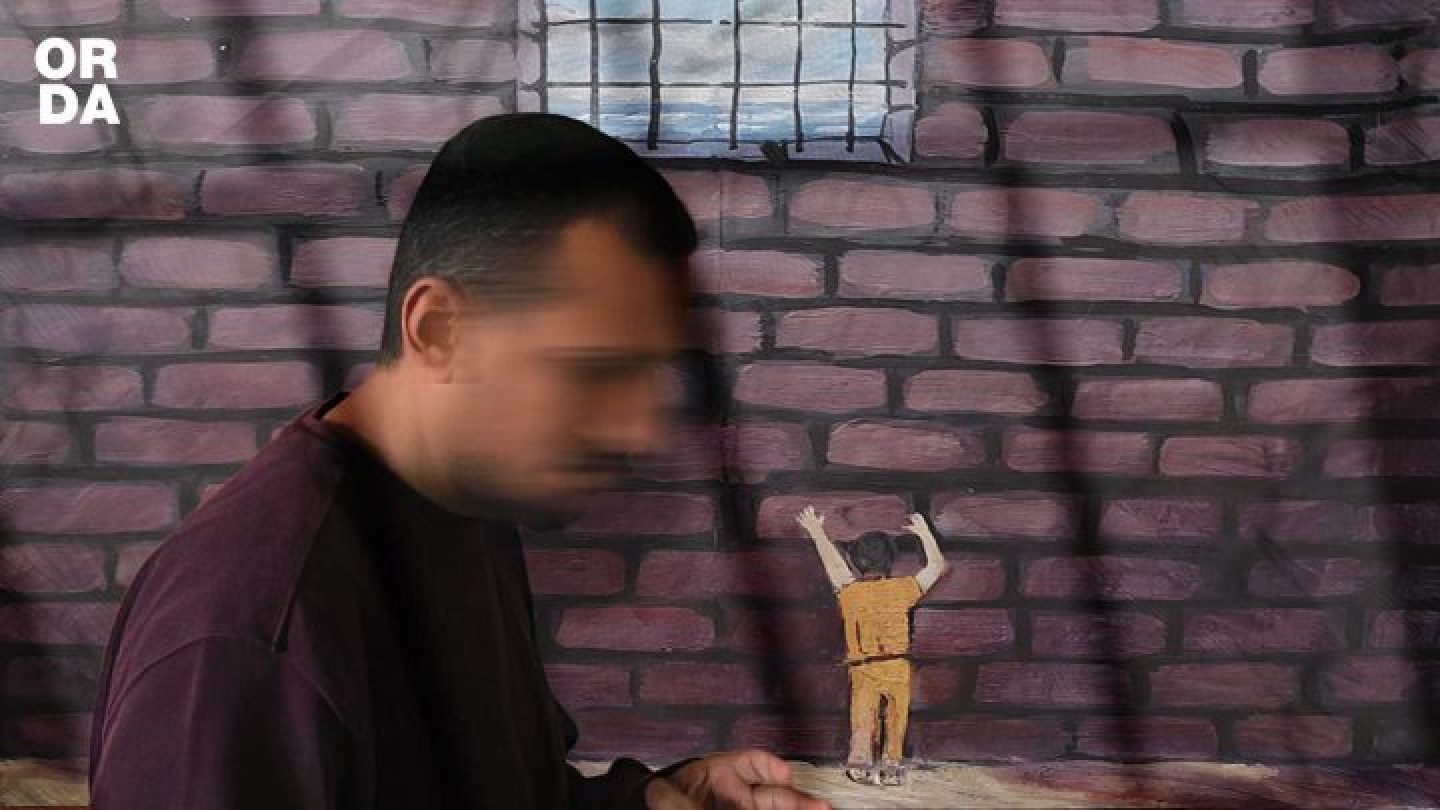
Sabri Al-Qurashi is a Yemeni citizen. He spent 13 years in one of the most notorious prisons in the world: Guantanamo. A long trail of scandals, outrages and criticism of legal organizations stretches behind the secret American prison.
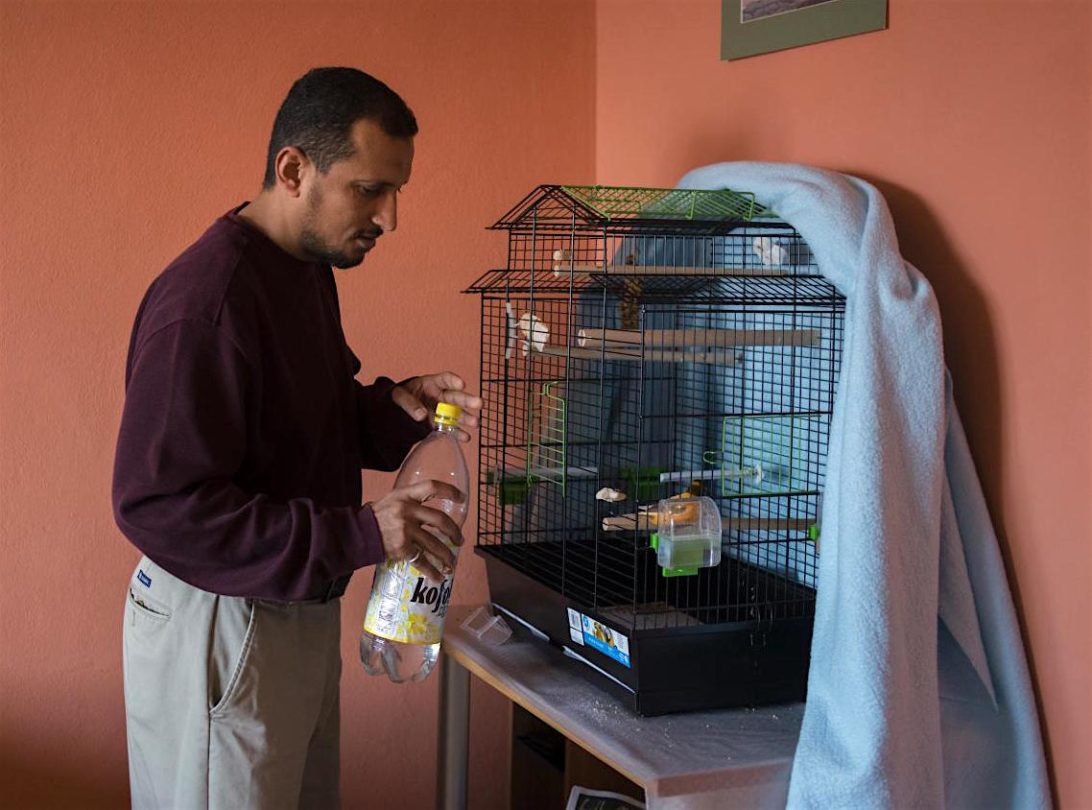
Guantanamo is known for keeping prisoners without charges and interrogations using torture. Its notoriety is a dark page in American history.
Sabri Al-Qurashi ended up in Guantanamo on terrorism charges. After 13 years, all charges against him were dropped. The man was sent to Kazakhstan, where he was promised a new life, refugee status and rights.
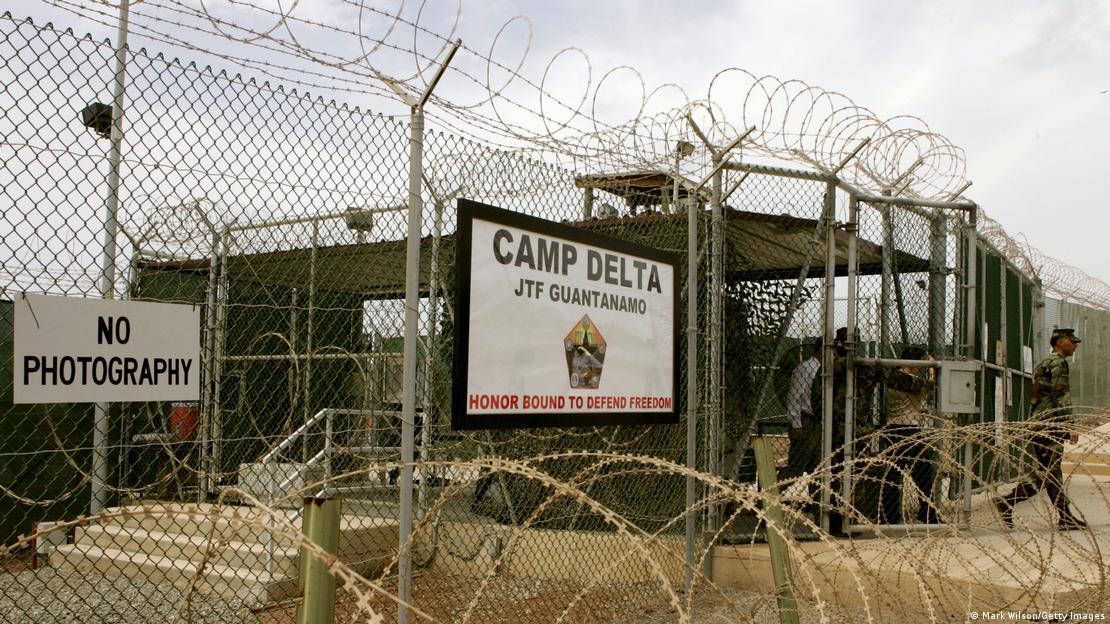
Sabri was one of five former Guantanamo prisoners who Kazakhstan brought in. But why did Kazakhstan take this step?
The message of the Ministry of Foreign Affairs of the Republic of Kazakhstan stated that Kazakhstan decided to do so "on the basis of their personal appeals and the relevant petition of the Office of the United Nations High Commissioner for Refugees, as well as guided by its international obligations, including the 1951 Refugee Convention, and based on humanistic considerations." The Kazakh Foreign Ministry did not announce any details of the agreements. All the details of the residence of former Guantanamo prisoners are classified under the Law of the Republic of Kazakhstan "On Refugees".
However, in Kazakhstan, famous for its hospitality, the Yemeni man found himself in conditions worse than the scandalous prison. The native of Yemen, a former Guantanamo detainee, and freelance artist, Sabri Al-Qurashi told an Orda correspondent for the first his story.
Touches to the Portrait
According to US intelligence agencies, Yemeni Sabri Muhammad Ibrahim al-Qurashi supposedly received military training at the Al-Qaeda base in Afghanistan, Al-Farouk. Sabri Al-Qurashi, however, does not give the impression of a hardened criminal.
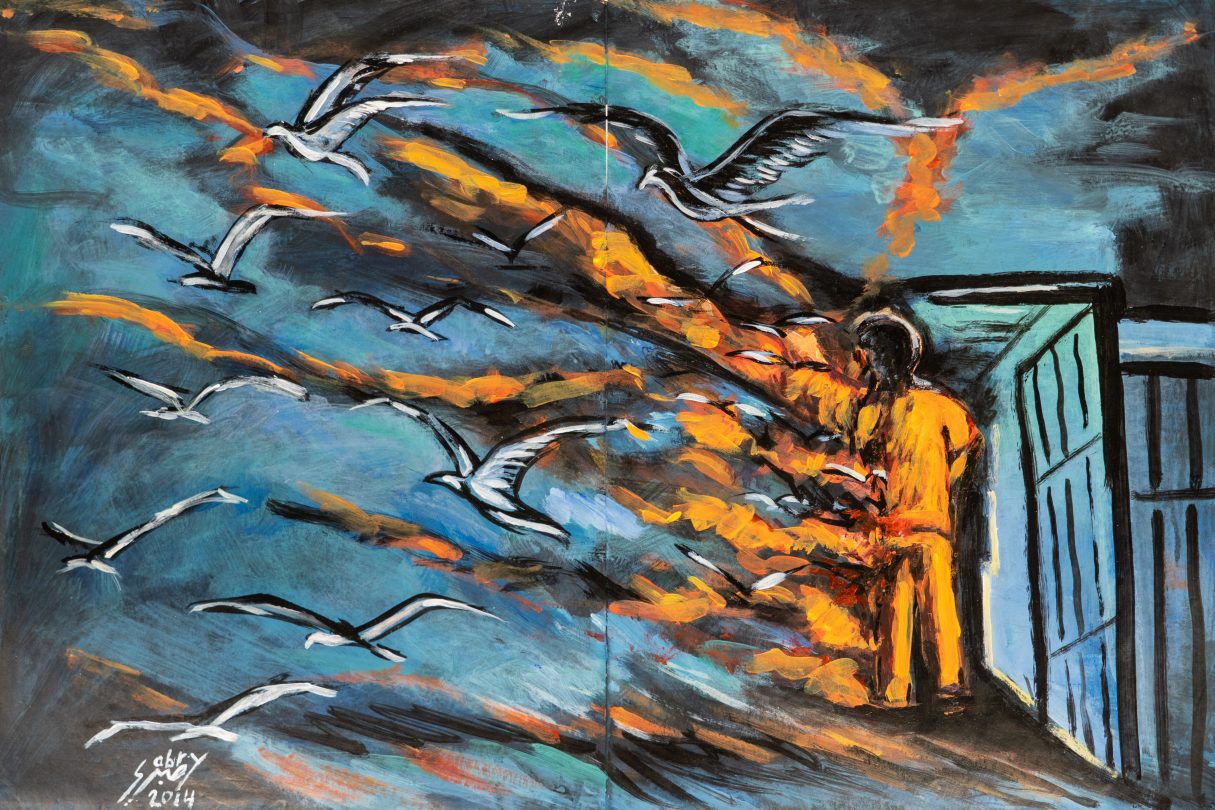
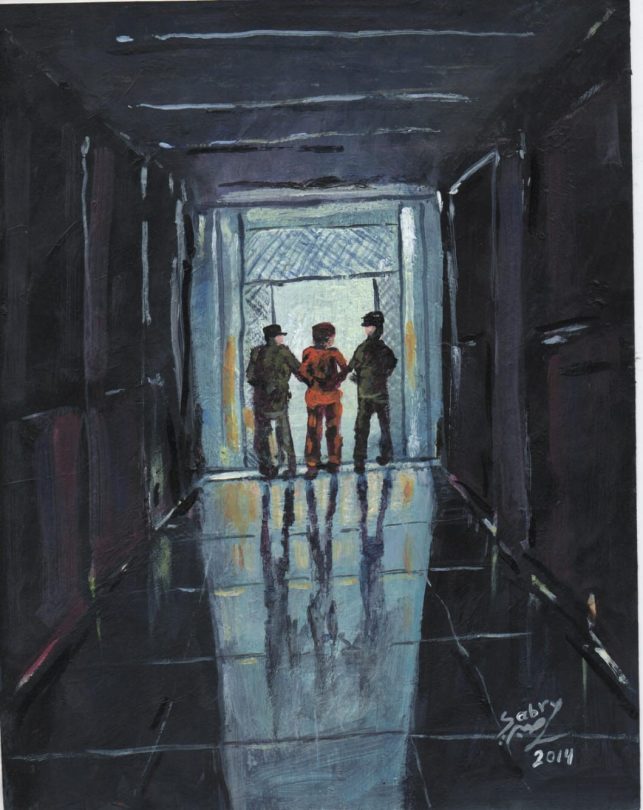
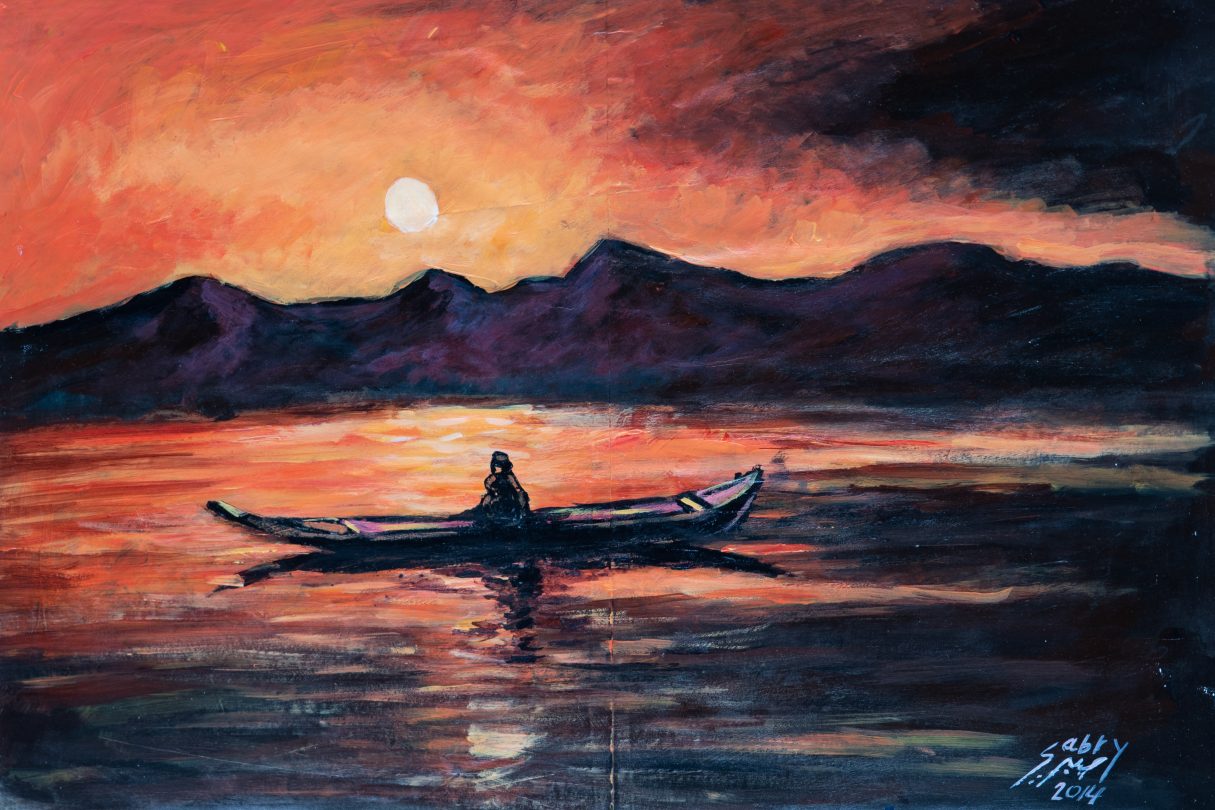
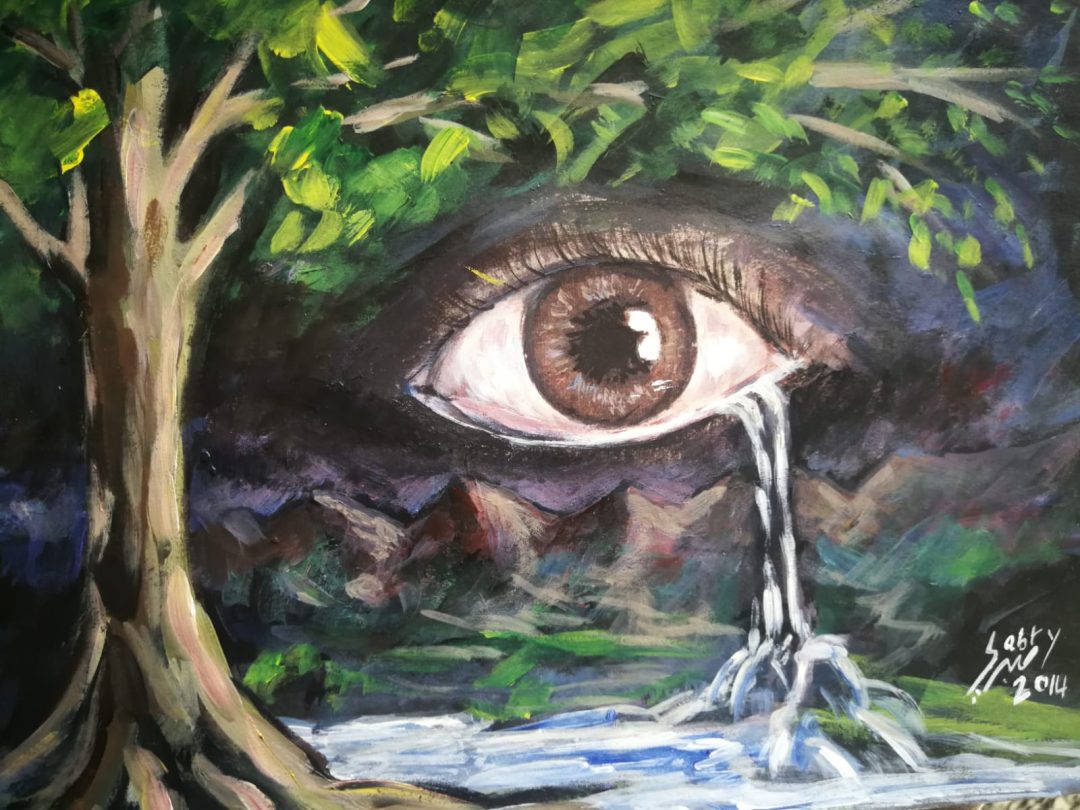
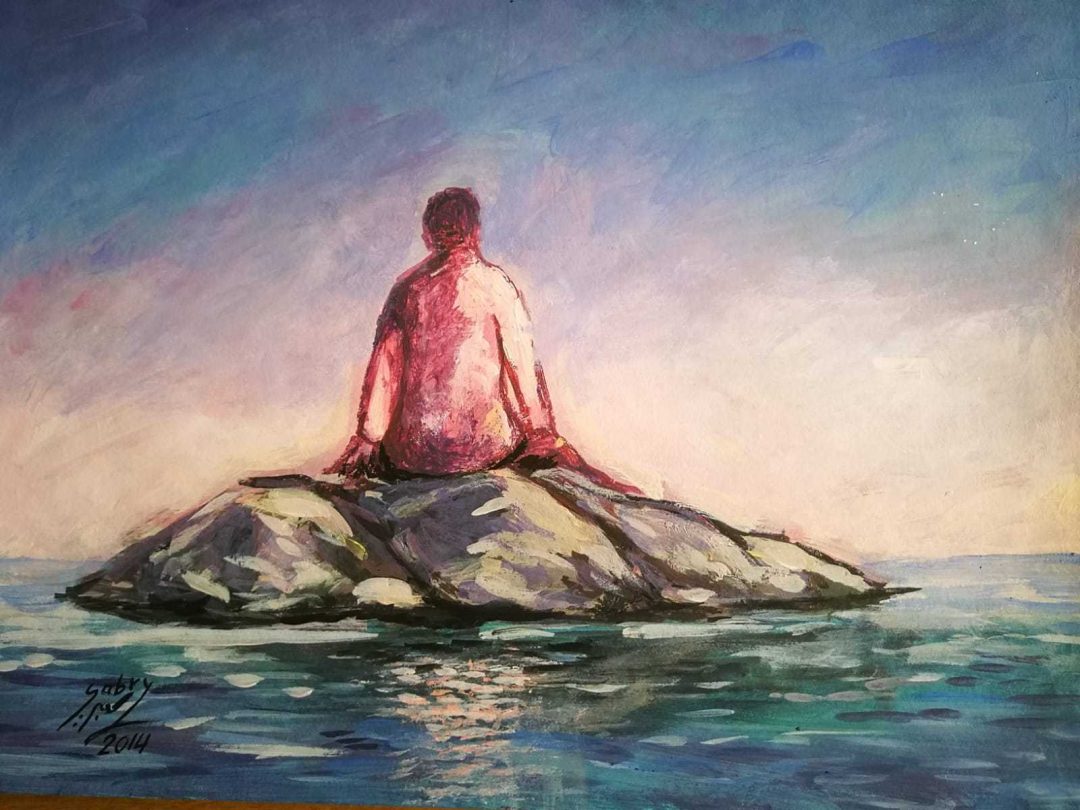
He was eventually acquitted. Sabria has been painting for more than ten years. In his work, he portrays life in Guantanamo as well as his dreams of freedom.
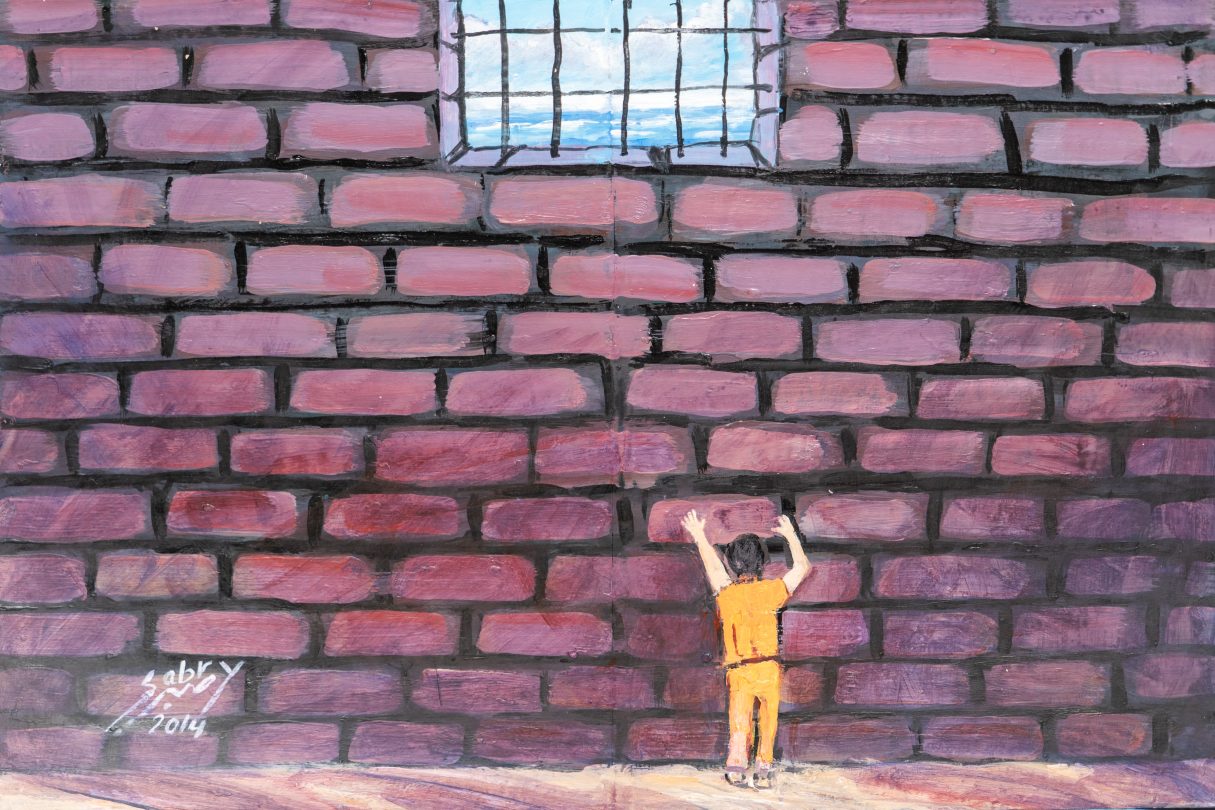
The native of Yemen began to master this craft during his imprisonment in Guantanamo.
Our somewhat shy, poorly speaking Russian and English interlocutor claims that this helps him forget all the things that had happened to him and lose himself in creating art. He is happy to show his paintings but tells little about them. Well-drawn still life and pastorals depicting distant Yemen cannot leave you indifferent. His paintings dedicated to imprisonment in Guantanamo and dreams of long-awaited freedom, for a long time, if not forever, are etched into one’s memory.
An Unsuccessful Trip to Pakistan. The Raid and The Beginning of Imprisonment
Orda.kz: How did you end up in Guantanamo?
Sabri Al-Qurashi: Back in Yemen, I wanted to do business. When I was young, one of my friends told me about a perfume company in Pakistan. So, I got a visa and went there for work. I spent about two weeks there, I can't say for sure, since it was 20 years ago.
My visit to Pakistan coincided with 911 (the terrorist attacks of September 11, 2001 in New York - Ed.), and my visa expired. The situation was terrible: the military and the police took any foreigners from the streets. But I was in my apartment when I was arrested.
Orda.kz: Were they policemen?
Sabri Al-Qurashi: Yes. They told me that there would be no problems, as they knew that I had a visa. They said that everything would be fine. I was told that after the questions I would go home. During the questioning, they said that I was connected with Al-Qaeda and I was a terrorist. I was surprised and asked who told them this. They just said I was a liar. There were Americans and several Pakistanis with them. I told them they could look at my business visa. But they sent me to jail. Nobody cared about me there.
After a while, I said that I wanted to contact my ambassador. I was told that this opportunity would be given to me later. A month later, I was transferred to Guantanamo. At the same time, I was told that I was being sent back to my country because I was pure before justice and everything was fine.
Orda.kz: How did you know that you were sent to prison and not home?
Sabri Al-Qurashi: I realized this when I saw Americans on the plane.
Time in Guantanamo
Orda.kz: How many years did you spend in Guantanamo?
Sabri Al-Qurashi: Thirteen years.
Orda.kz : Can you tell us about the conditions?
Sabri Al-Qurashi: I was very ill when I ended up in Guantanamo. Back in the Afghan prison during a walk, it was so cold that I got sick. I couldn't breathe and everyone thought I was going to die.
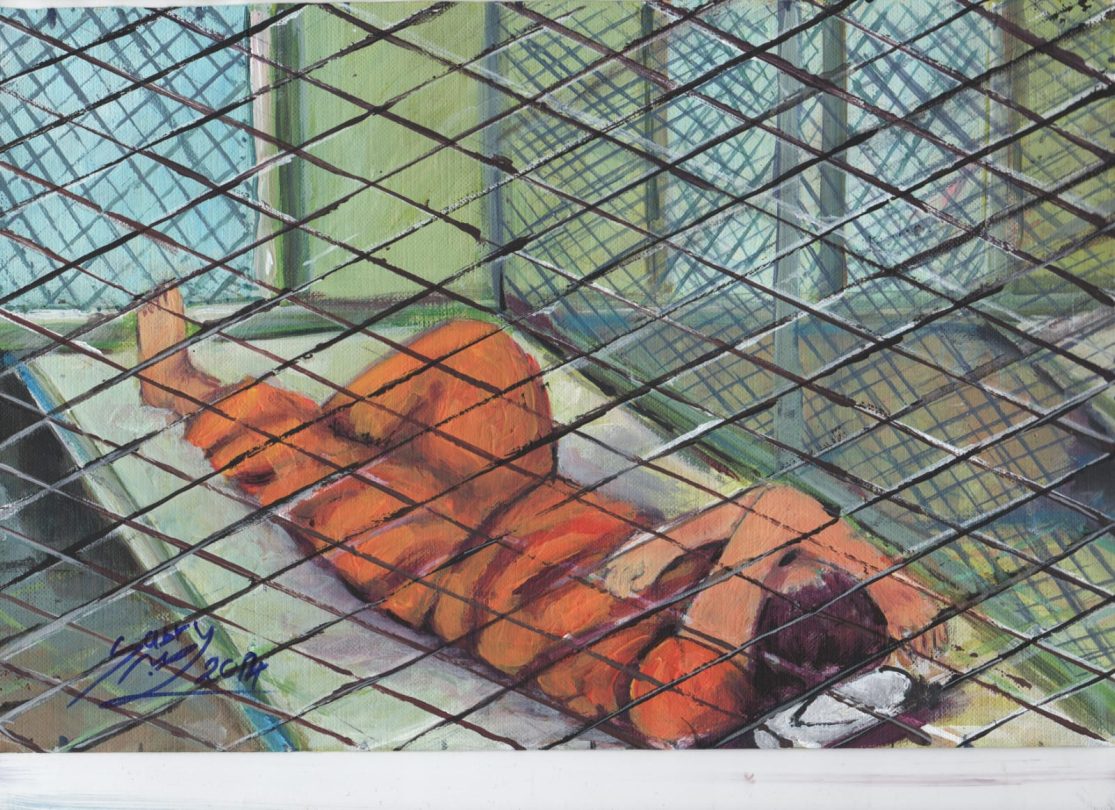
But in Guantanamo, they immediately put me in a clinic, which turned out to be an ordinary tent, there was no real clinic there. After keeping me (Ed. there) for a month, they sent me to a small cell.
Orda.kz: Had you been given the right treatment?
Sabri Al-Qurashi: No. Only alcohol and simple medicines. The most important thing is that I didn't die.
Orda.kz: What do you remember about Guantanamo?
Sabri Al-Qurashi: Guantanamo collects information from people. About 800 people from different countries around the world were kept there. I do not know what they wanted from me.
Orda.kz: Have you been told why you ended up in Guantanamo?
Sabri Al-Qurashi: The USA took people there from different countries of the world: Afghanistan, Pakistan, Türkiye, the Philippines. From anywhere. I think they wanted to say to the American people, "Look, now we're going to find out who was behind 911."
When the line of questioning reached me, they asked: "What were you doing in Pakistan?" I replied again that it was a business trip. But they started talking about my connection to Al-Qaeda. I asked for proof. They said there are people there who knew about it. But I never found out who they were. I was an ordinary guy who wanted to do business. They said "no" to my answers, and it was repeated over and over again.
So, it was difficult. Very difficult.
In Guantanamo, people have no rights. During the first four years of my imprisonment, I could not contact any of my relatives. My family didn't even know where I was. They might have thought I was dead. But During the fourth year of my imprisonment, I unexpectedly received a letter from my father. I don't even know how he knew where I could have been. But when I asked him, my father said he had a “feeling”.
One-way Ticket. Uruguay or Kazakhstan?
Orda.kz : Tell us about the day of your release.
Sabri Al-Qurashi: It was in 2010 or 2009. Most likely, it was in 2009, when Obama became President of the United States. The judge told me that there are no charges against me and I was free. But I couldn't leave the prison until they found a country that would accept me. The way to Yemen, which is at war, is closed to me. So I was told to wait and then only in 2015…
Orda.kz: So you'd been waiting for a few years?
Sabri Al-Qurashi: Four or five years. In prison, I was told that I had to talk to some people from Uruguay. To my question: "What do they want?", they answered that they didn't know for sure. However, they were the ones who could give me a new life in Uruguay.
A couple of months later, they came to me with another offer. I was told that I had to meet people from Kazakhstan. I met 15 people who asked questions about my life. Finally, they asked if I would agree to go to live in Kazakhstan. I asked what kind of life awaits me there. I was told that I would be free there.
I told them that the most important thing for me is to live like others. They said ok, but with a certain condition; that I should not get involved in politics and just live. I said that's what I want. They promised that they would give me everything: documents, the opportunity to work, see my family and study.
The conversation lasted three hours, at the end of which I was told that they would answer me soon. They asked me to wait.
Orda.kz: And how long did it take?
Sabri Al-Qurashi: Six months. When I was still in Guantanamo, my lawyer called me and said that Kazakhstan was ready to accept me. He asked: Are you sure you want to go there? I said yes if life will be as I was told. He asked what about Uruguay? I turned (Ed. it down) because I didn't want to talk about it.
Orda.kz : It turns out that you had no other choice and offers to other countries.
Sabri Al-Qurashi: I was contacted only from Uruguay and Kazakhstan. I told my lawyer that Kazakhstan is better and closer.
Exile to Kazakhstan, or the Promise of a new life
Orda.kz : Tell us about your life in Kazakhstan? What was the first day in Kazakhstan like?
Sabri Al-Qurashi: The first day was very difficult. It was harder than Guantanamo. (Five people from Guantanamo ended up in Kazakhstan. Three from Yemen and two from Tunisia – Ed.). When we were at the airport, Kazakhstani soldiers treated us as terrorists. They ordered us not to move and to keep our mouths shut. I asked: was if I had been sent to another prison. After all, I became free. But then I could only communicate with them in English. They didn't understand me and ordered me not to talk, to look down.
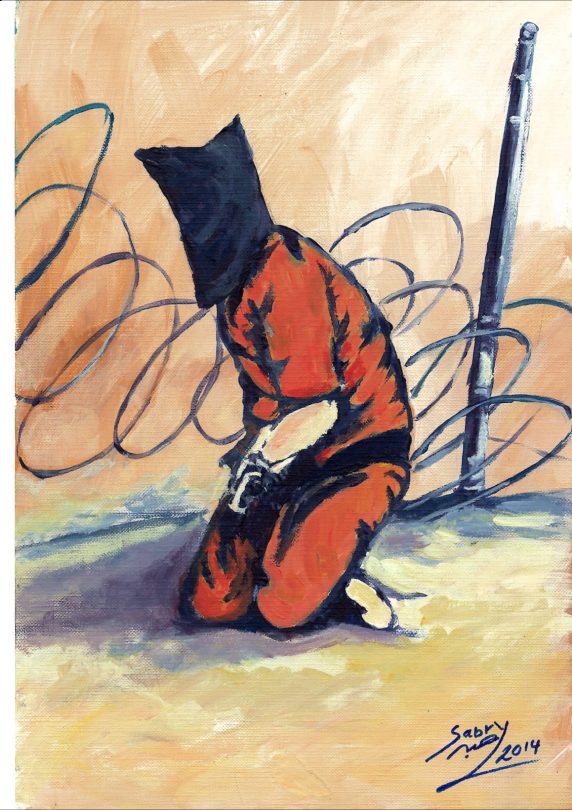
I asked why. We didn't even have time to get new clothes, and I was still wearing my uniform from Guantanamo.
Orda.kz Q: When you met with representatives from Kazakhstan, were you given any documents stating that you had become a free person? Or was it just words?
Sabri Al-Qurashi: Just words, and it remains so to this day. I haven’t seen the people from Kazakhstan whom I met at Guantanamo. I tried to find out something, to talk to someone, but it was all in vain, I was ignored.
Walking Through Torment
Sabri says that because of his health condition, he ended up in the hospital. The attending physician told him that she did not know where the people were, or by whose decision he ended up in Kazakhstan. He was asked to stay in the hospital, and his questions were ignored. So he decided to go on a hunger strike. A KNB officer threatened to beat Sabri, while the doctor told him that his death would fall on her shoulders.
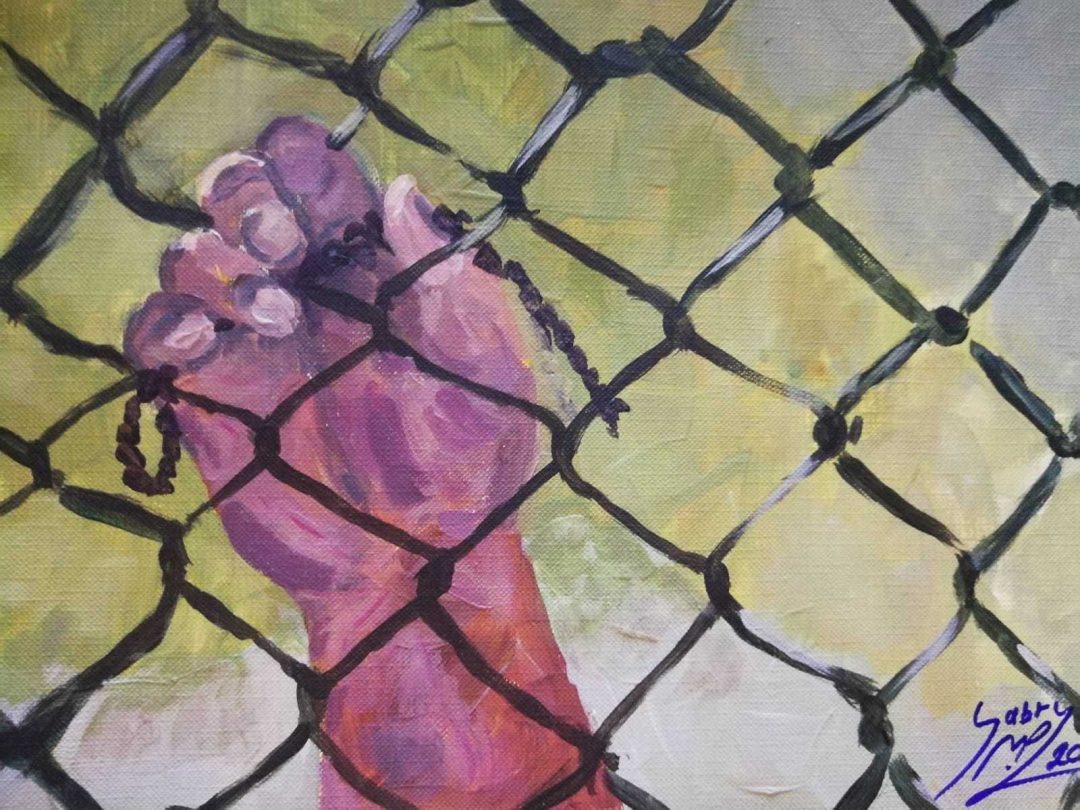
As a result, he succumbed to her persuasions. He received a phone call for "good behaviour”, a means of communication with a limit of 11 minutes for the first time in many years. He managed to get through to his brother and lawyer, quickly burning up the time limit.
Orda.kz : How many years have you been in Kazakhstan?
Sabri Al-Qurashi: Nine years. When we first came here, the Red Cross made it clear to me that I would undergo a two-year adaptation program in Kazakhstan. After that, I could go wherever I wanted to. They also said I would receive documents within these two years.
During the first year of my life in Kazakhstan, I was able to contact my relatives. My family even found me a girl to marry. We both agreed, and the girl said she could come and live with me. The Red Cross gave me consent to the marriage after asking for my passport.
We were told that everything would be ready in three months. This was in 2016.
Our interlocutor said that he and his fiancee managed to exchange all the necessary documents. But the state rejected the visa request. Their meeting did not happen. The decision was motivated by the fact that it would be possible only after two years after the adaptation program ends.
Sabri got married via video link. And that was the only way he saw his fiancee. Yet the reunion with her never happened.
Two years after the expiration of the adaptation program, Sabri was again denied documents, including the issuance of a Yemeni passport. While there is a war going on in his homeland, he is only required to "eat and sleep" in the country that denies him said documents. At least that was the answer, according to Sabri. His lawyer from the USA, who wrote to the government of Kazakhstan about the documents, also met rejection.
Then Sabri was advised to contact the International Red Cross and Red Crescent Movement. But there the emigrant's requests came across indifference. Getting documents and other bureaucracy is “not their problem”.
Nine years have passed since his arrival in Kazakhstan. He says that his situation is getting worse not even from year to year, but from day to day. Despite years of isolation, Sabri was the victim of attacks three times. He claims that each time people attacked him and each time it ended with the arrival of the police. The authorities did not react to this in any way by not detaining suspects and not accepting Sabri's statements.
"Those who are following me sent him," he says of one of the attackers, suspecting that all these attacks were organized by law enforcement agencies.
That is why Sabri is reluctant to be photographed. He is afraid that people on the streets of Kyzylorda will recognize him.
"Where Is My Freedom? Where Are My Rights?”
At the end of the interview, Sabri Al-Kurashi addressed the society and government of Kazakhstan.
I have an appeal to the people and the government of Kazakhstan.
First of all, people, don't believe what they say about me. Yes, some people say I'm a bad guy. But since Pakistan, I have been saying the opposite. And since then, no one has provided proof that I am a terrorist. I want to tell the Government of Kazakhstan: enough is enough!
Where is my freedom? Where are my rights? If I want to go to another city, I can't do it. I can't even walk around in my city. I have serious health problems. A month ago I asked for permission to go to Almaty for treatment, but they turned me down again.
I don't understand why they treat me like an animal? I am being denied the rights that everyone has. And I'm not asking for more than what others rightfully have!
For more than 20 years Sabri Al-Qurashi has been wandering in foreign lands. Faith in God and passion for painting are the few things that save him. His name in Arabic means "patience", a word familiar to many Kazakhstanis. His fate seems to live the meaning of the name. But he wants and has the right to be heard. Especially in a country that has agreed to accept him.
Hundreds of appeals to all instances and almost zero responses – this is the status in the Sabri Al-Qurashi case at the moment. His story is a case of despair in the progressive 21st century.
Whether the New Kazakhstan will hear Sabri Al-Kurashi's appeal and whether it will do anything remains unanswered.
Original Author: Tamerlan Salyq
DISCLAIMER: This is a translated piece. The text has been modified, the content is the same. Please refer to the original piece in Russian for accuracy.
Latest news
- Why Kazakhstan Is Restricting Foreign Goods in Public Procurement
- Kazakhstan Has the Lowest Level of Dependence on China in Central Asia
- Noise, Construction and Cameras: What Astana Residents Are Saying About the LRT Tests
- Marshrutka vs. Shuttle: Why Kazakhstan Is Reinventing the Main Public Transport of the 1990s
- Several Border Checkpoints With China to Close for One Day
- Laser Guidance Systems Begin Testing on Kazakhstan’s Highways
- Kazakhstan Plans Mandatory Labeling for Dietary Supplements and Jewelry
- Chinese Influencer Tao Mingxiu Receives Presidential Award in Kazakhstan
- Kazakhstan Ranks Sixth In the World By Agricultural Land Area
- Uzbekistan Breaks Regional Record In Public Debt Market
- “They Are Not Cattle, You Don’t Vaccinate Them”: Why Zoologists Cannot Save Caspian Seals
- Did The Digital Economy Stumble Over PPP? How The Minister Reacted to the IT Industry’s Problems
- Private Investors to Help Build Juvenile Correctional Facilities in Kazakhstan
- “Like Rotten Eggs”: Residents of Atyrau Again Complain About the Stench in the City
- Digital Passport and Admission Benefits: Kazakhstan Wants to Change Volunteering
- Infected Sunflower Seeds From the U.S. Barred From Entering Kazakhstan
- Almaty Drivers Offered Free Emissions Checks Without Penalties
- Croatia Will Finance Oil Exploration In Aktobe Region
- Half of Kazakhstanis Earn Less Than $1,000 a Month
- Is The Era Of Easy Extraction Over? Resource Development Is Being Rebuilt In Kazakhstan
