

Experts Comment on Recently Signed Military Cooperation Plan with UK
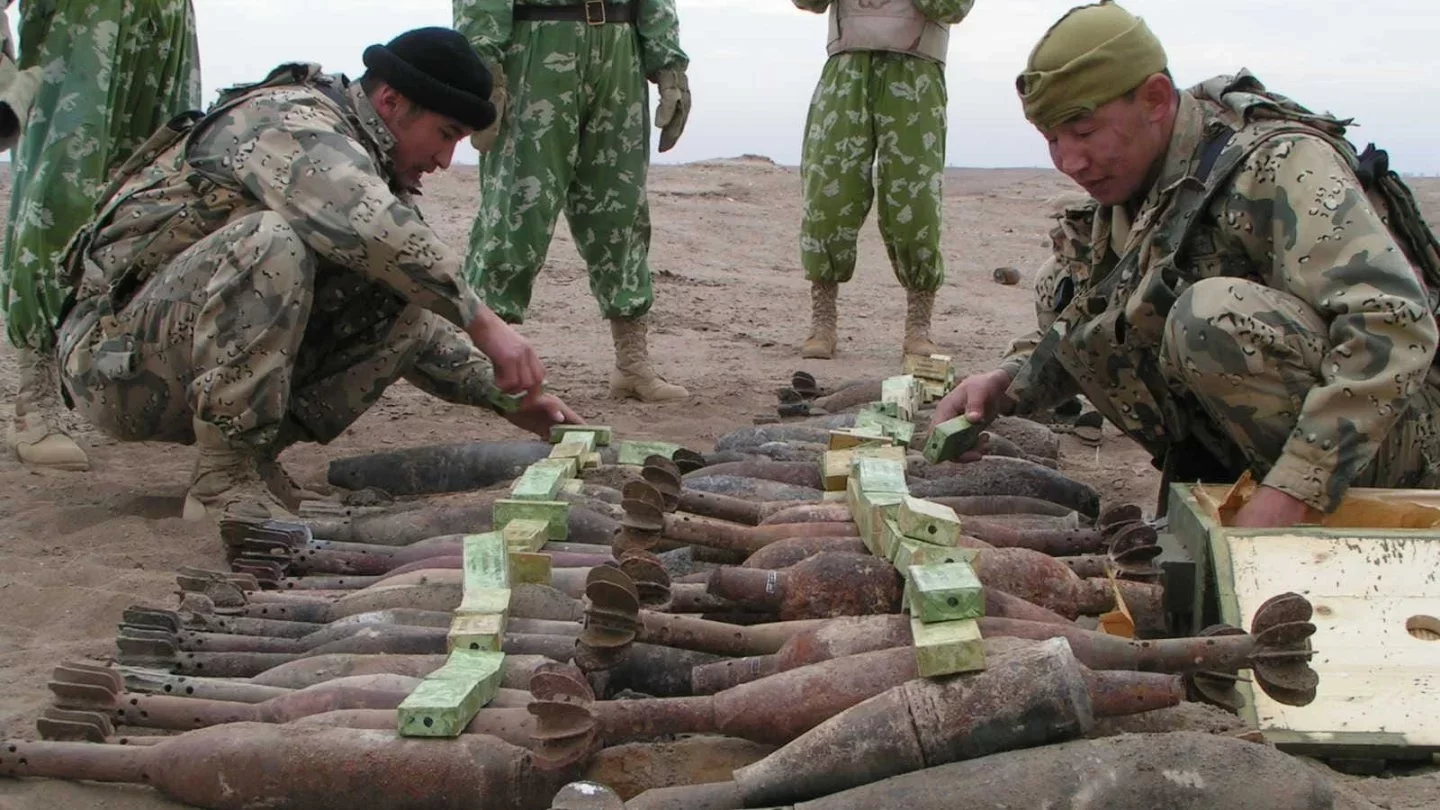 Photo: KAZTSENT press service
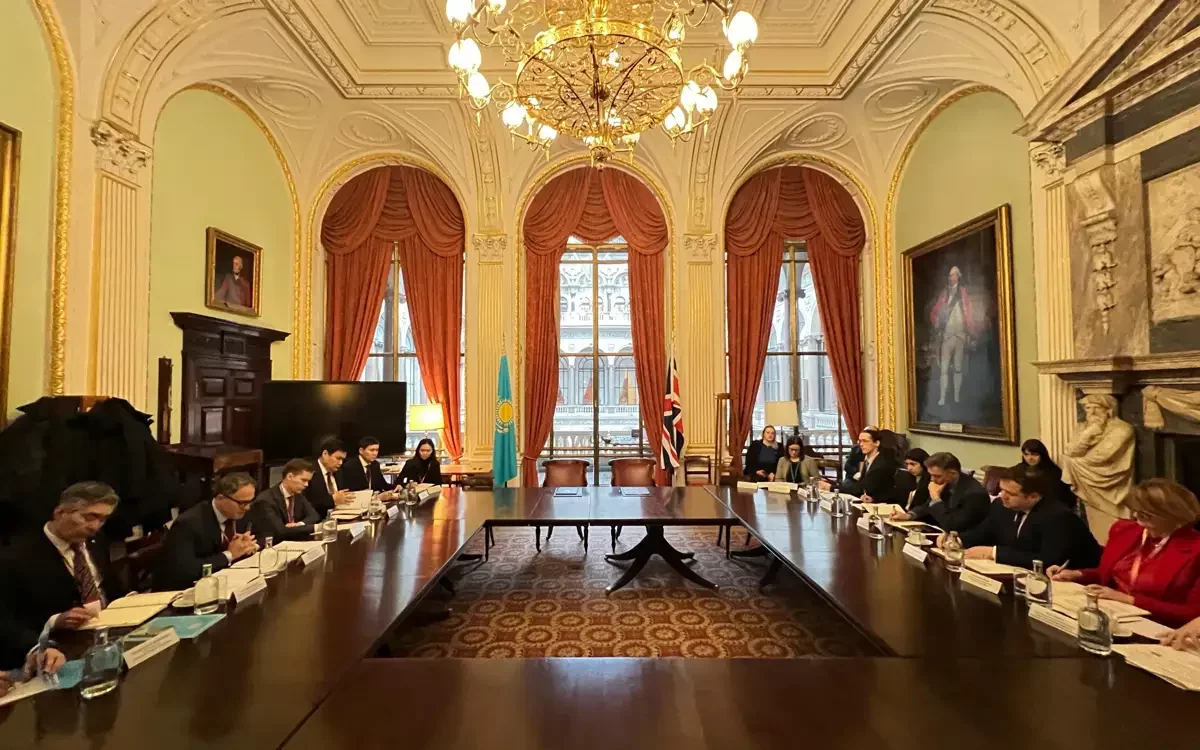
The signing of a military cooperation plan between Kazakhstan and the United Kingdom on June 6 might have passed without much attention if not for a series of developments that followed.
Two days later, Defense Minister Ruslan Zhaqsylyqov was dismissed unexpectedly.
Anonymous resources claimed he had moved forward with the agreement without the knowledge of the country's leadership. Soon after, a press release from the Ministry of Defense about the agreement was removed from its website.
The document appeared standard, outlining officer training, language instruction, and participation in UN-backed exercises.
The Agreement Explained
Military expert and lawyer Daulet Zhumabekov says the agreement reflects Kazakhstan's intent to enhance military expertise and international cooperation.
This is a routine agreement between the defense departments of the two countries. The Defense Ministry has signed similar agreements with a variety of countries, including NATO members Türkiye and Italy. A similar document was signed with the British side in 2020. It covered peacekeeping, engineering and military medical training, says Zhumabekov.
Nonetheless, the idea that Zhaqsylyqov had acted unilaterally gained traction. According to Zhumabekov, these claims are unsubstantiated and unlikely:
No official source voiced such a version. I think it was picked up primarily because the reasons for the Minister's resignation were not officially announced, which is why various conspiracy theories began to appear. I believe that the signing of such an agreement and the subsequent resignation are simply a coincidence in timing. This is supported by the fact that after the signing of the previous military cooperation plan with Great Britain in 2020, the Minister of Defense was not removed from his post.
He further suggests that speculation around the agreement may have been influenced by external narratives:
Initially, these conspiracy theories appeared in Russia. These are rather signals from outside to our elites that Russia continues to jealously monitor our every step in the foreign policy space. And it is suspicious of military agreements with any countries other than those concluded within the framework of the CSTO.
Industry expert Nurlan Aselkan adds that military collaboration with the UK is not new, pointing to a longstanding training exchange and historical precedents:
The British side, in essence, simply extended the existing agreement. The interaction between Astana and London has long been linked, among other things, to the training of Kazakhstan's military personnel in higher military educational institutions in Great Britain.
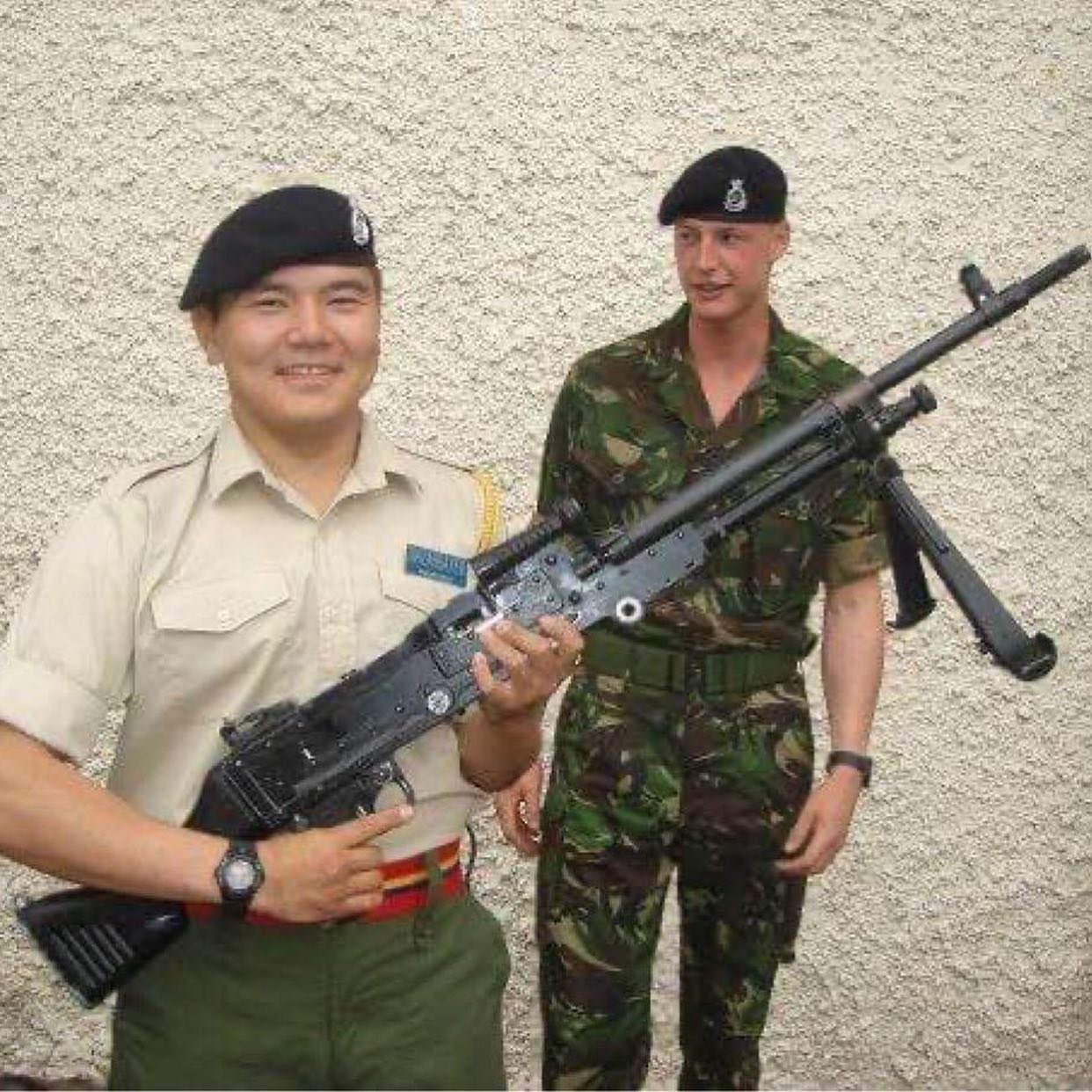
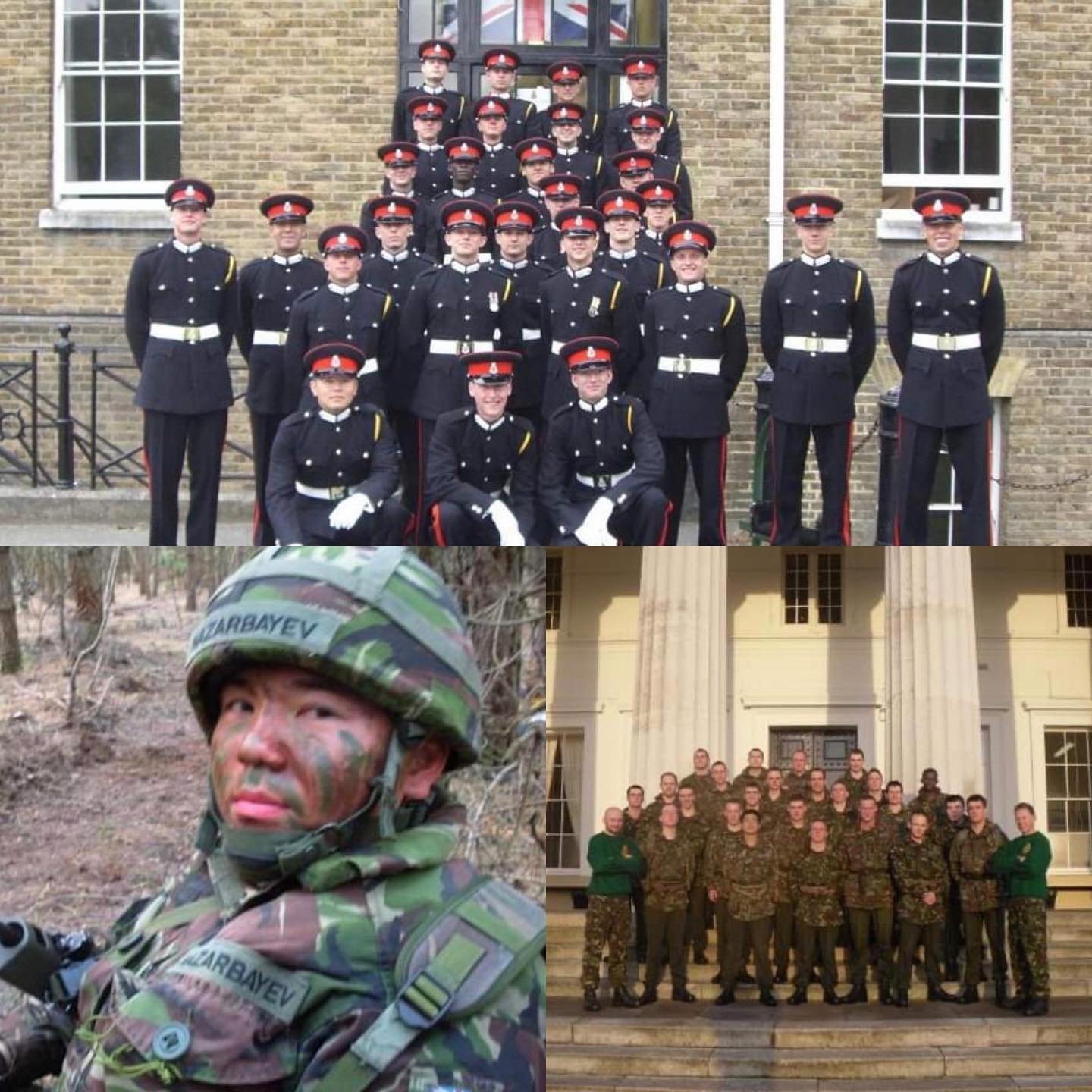
He notes, for example, that Aisultan Nazarbayev, the former first President's grandson, studied at the Royal Military Academy Sandhurst.
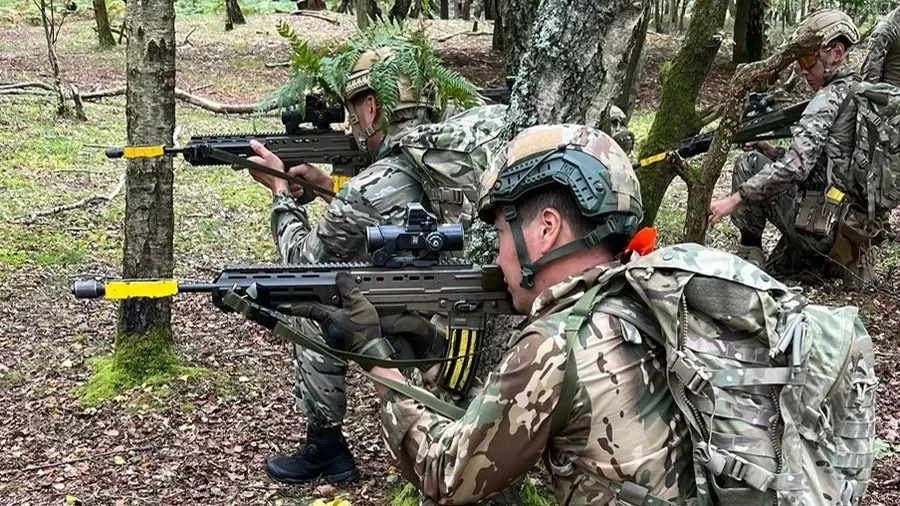
From 2006 to 2019, Kazakhstan participated in the Steppe Eagle joint exercises with the U.S. and the UK.
It looked like this: a military transport plane - American or British - would arrive at a training ground somewhere near Qapchagay. Then the Green Berets or British commandos would land, and joint combat training would be conducted with the participation of Kazakh specialists, Aselkan says.
He characterizes the current agreement as a return to familiar and practical cooperation.
"Britain is a permanent member of the UN Security Council, a nuclear power. And its participation in such agreements is important in itself and does not require justification. There is nothing wrong here."
Aselkan also dismisses any link between the agreement and ministerial changes:
I don't think that the resignation of Defense Minister Ruslan Zhaqsylyqov should be linked to publications on this topic. Relations with Great Britain are smooth and constructive. All relevant agreements were discussed and agreed upon with the leadership of Kazakhstan and the Foreign Secretary of the United Kingdom following recent visits. Therefore, there is no reason for concern here.
He also commented on UK's consistent support for Ukraine:
The UK remains one of the most consistent and confident supporters of Ukraine in the current conflict. Unlike the United States, where we see certain fluctuations, there have been no such changes in position in Britain. This is also due to internal political changes. The height of the war occurred during the period of the Conservative Party's rule: Boris Johnson was in power then, then Rishi Sunak. After the recent elections, the Labour Party came to power with its leader Keir Starmer. But, importantly, the country's position on the Ukrainian conflict has not changed one iota.
Aselkan concludes:
Kazakhstan's relations with Great Britain are stable and systemic. This is a partnership with one of the most important states - a member of the UN Security Council. And the noise that has been raised sounds as if Great Britain sold Kazakhstan a nuclear bomb. In fact, we are talking about personnel training, joint exercises, military coordination, discussion of technical and procedural issues, including preventing conflict situations - for example, in border areas or in airspace.
Zhumabekov stresses that cooperation does not equal alliance:
"And this is not the same as an agreement to create a military alliance (or joining an existing military alliance). These are completely different things."
Although Kazakhstan maintains control over its air defense, it remains part of the CIS joint air defense system under agreements dating back to 1995.
He cites examples of Russia entering defense partnerships:
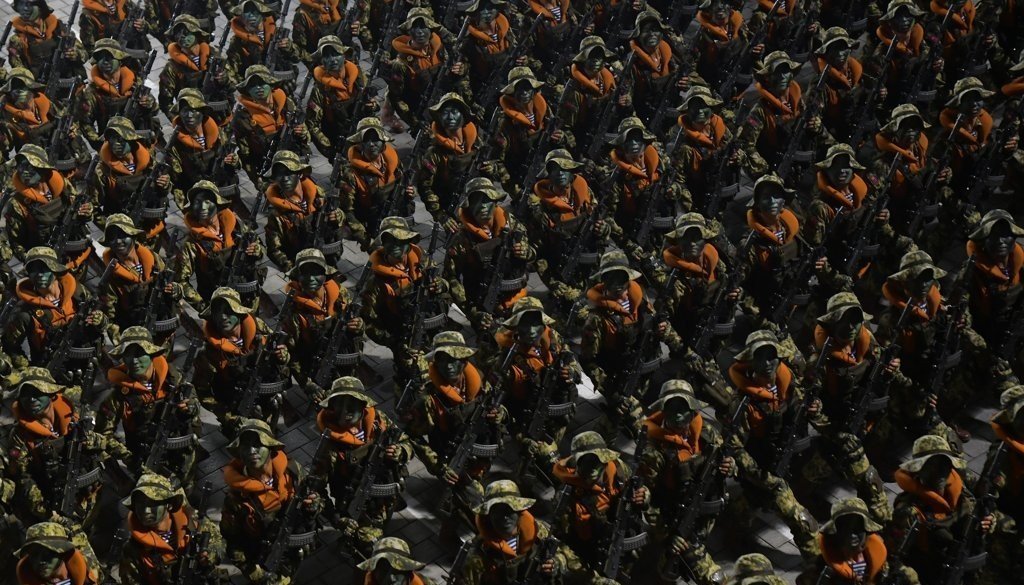
Military cooperation agreements with China, Iran, North Korea and many other countries were not coordinated with Kazakhstan. Moreover, the agreement with North Korea even assumes direct participation of military personnel in military conflicts of the second party. That is, in essence, this is already a military alliance, which Russia joined, being a member of the CSTO, without coordination with its other members.
In his view, Kazakhstan should expand its own network of defense cooperation:
A country can be a member of different military alliances at the same time - this does not contradict international norms. Therefore, I believe that Kazakhstan should not limit itself to the CSTO framework, but participate in the creation of other military alliances. For example, a Military Union of Central Asian States or a Military Union of Turkic States.
Kazakhstan's relationship with British defense institutions dates back to the early 2000s, when BAE Systems played a role in developing civil aviation and proposed air defense solutions.
When Air Astana was being created, BAE Systems proposed its own version of a national air defense system. For various reasons, this project was not implemented. But, as far as I know, as a conditional compensation for the efforts made, BAE Systems received a share in the new airline.
Aselkan underscores that the British approach was based on practical, regional considerations:
Incidentally, the UK's approach to air defense was based on a rather convincing argument: if you build an air defense system, you will have to do it not against Britain or NATO, which are far away - thousands of kilometers overseas - but against those who are nearby. Against potential violations from the south, north, from the Caspian, from China, Iran, or anywhere else.
On the issue of Zhaqsylyqov's resignation, Zhumabekov sees the need for more facts:
There is too little information at the moment to draw any conclusions about the reasons for the resignation of the former Minister of Defense. Given the rumors about his detention, although they were later refuted, it is possible that this is a case of banal corruption. As one famous person said about Kazakh officials: 'I can take any of you by the hand and bring you to court.' Unfortunately, little has changed since then.
He adds that decision-making remains centralized:
We have a presidential or even super-presidential republic, so the agenda in any significant areas is formed by the President. Naturally, when making decisions, he has to take into account the strong influence of international partners.
The newly appointed minister, Dauren Kosanov, is viewed curiously:
He is a man of the system, a conscientious executor of orders from above. Other people, as a rule, do not advance in the existing system. I do not expect any radical reforms from him, as well as any serious independent steps.
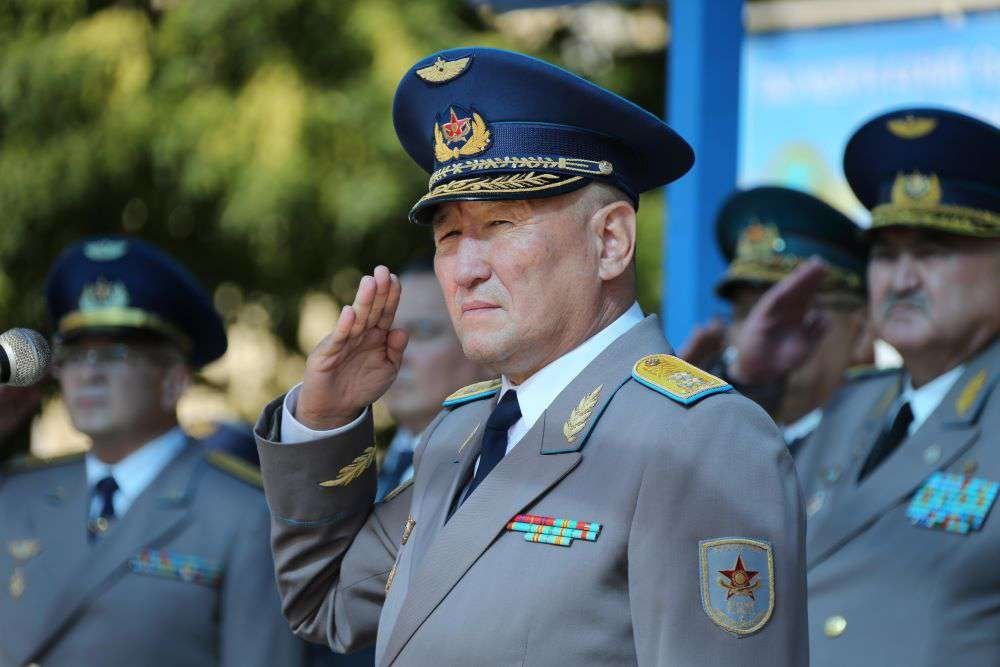
Aselkan offers historical context for the leadership shift:
The topic of professional pilots in the Kazakh defense system is a long-standing and well-known one. For a long time, the Defense Ministry was headed by Mukhtar Altynbayev, a professional pilot. It is believed that it was under him that the army focused on aviation and airmobile forces. Now this approach is criticized, and there is an opinion that the army should be led by a combined arms general, a representative of the ground forces. But historically, pilots are the foundation of the defense department, if you do not count the political leadership.
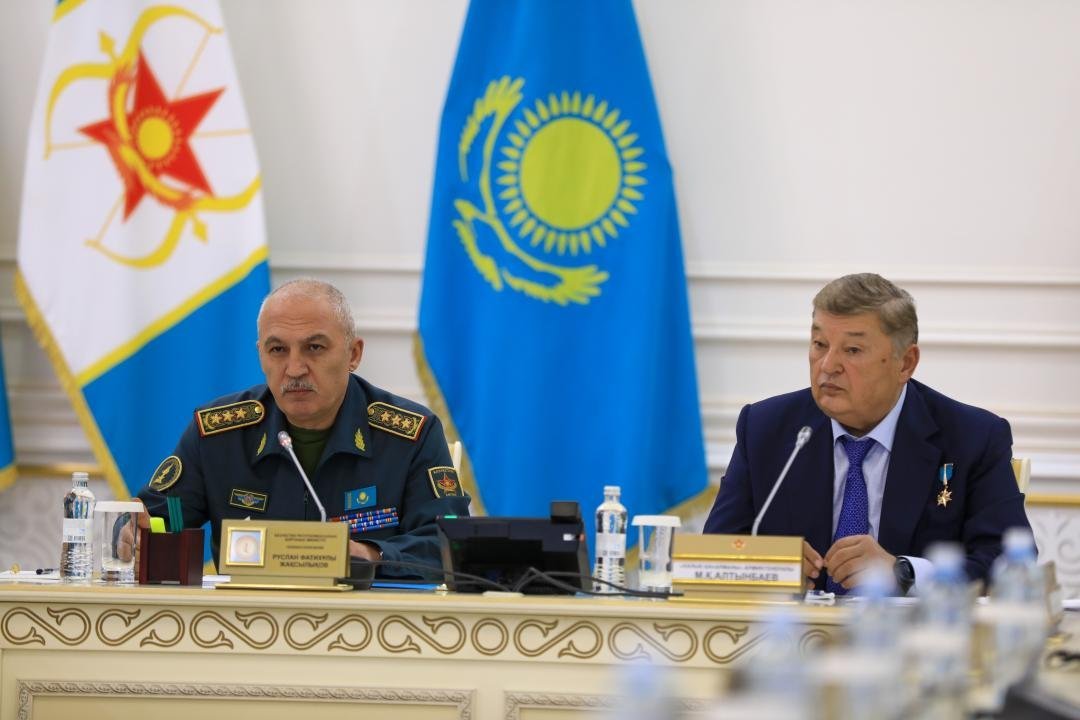
Ultimately, the change may reflect a focus on operational reliability:
Most likely, they appoint a military man who is capable of ensuring order, the normal functioning of the army and - what is especially important - minimizing losses in soldiers, in incidents, suicides and so on. Apparently, now we need a more effective leader with a new approach.
Regional Dynamics
Political analyst Arkady Dubnov interprets the developments through the lens of regional geopolitics:
These same days in Tashkent, in honor of Russia Day, Ambassador Oleg Malginov quoted Uzbek President Mirziyoyev: 'Russia and Uzbekistan have been and will always be together.' A statement that should, as they say, determine the course for the distant and near future. Like a spell. Such sworn assurances - with even greater intensity, with greater suspicion of them - are taking place between Russia and Kazakhstan. But Kazakhstan is not Uzbekistan. This is a much more acute and 'toxic' history of relations. They need to be constantly moderated, adapted to reality. Every time new challenges arise
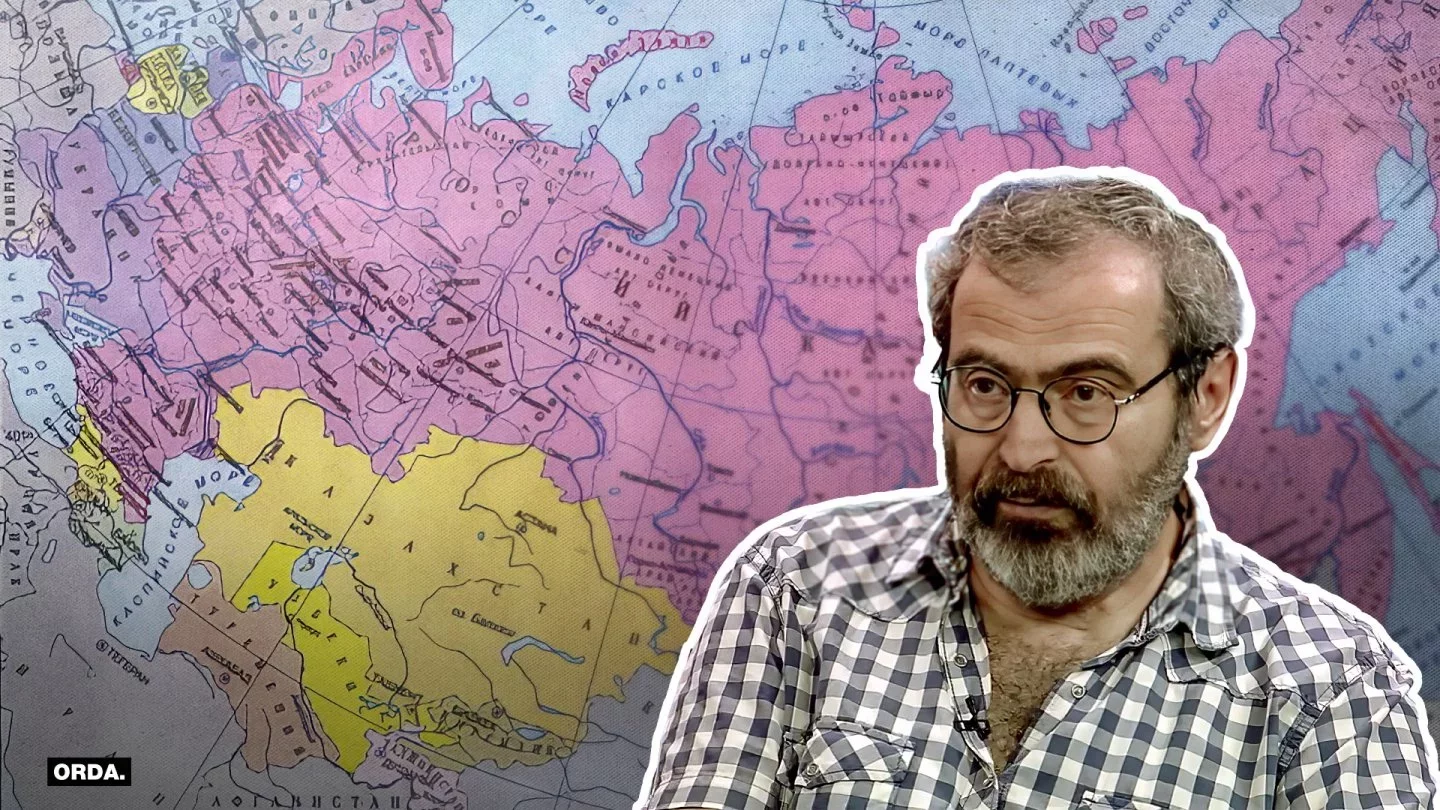
Dubnov connects the timing of Kosanov’s appointment to broader policy shifts:
Dauren Kosanov was still a deputy minister of defense who moved to a higher level. The President's explanations in this regard seem much more interesting - what tasks he sets for the new minister. Since this coincided with the decision to create territorial defense forces. We are also talking about increasing the level of digitalization and creating reservist forces in the army, civil defense structures.
He adds:
Because - let's think: why is it necessary to strengthen territorial defense? From whom and in what directions does some kind of danger threaten Kazakhstan, which requires strengthening the armed resistance forces on a huge territory. And will want to aggressively, so to speak, exert influence on Kazakhstan?
Dubnov believes the motivation is precautionary:
Looking back, I, and you probably understand that we have in mind only one possible threat, which we must counter just in case. Decisions on the creation of territorial defense must be partly considered, tying them to the characteristics of the current Kazakh-Russian relations.
In his view, the international context demands preparedness:
The world order is being re-divided. Global militarization is growing at a terrifying rate. Everyone is feeling a little uneasy because no one can see a picture of the future. And that is exactly how I see Toqayev's decision. I can neither approve nor criticize it - that is not my way. I am trying to understand it. We are not in for easy times. We are in for, generally speaking, times of uncertainty.
He concludes by pointing out the geographic realities:
"In this sense, it is easier for Uzbekistan. They do not have a common border with the former metropolis. But here it is a different story. Seven and a half thousand kilometers of common border, and with the Caspian - all eight."
President Qasym-Jomart Toqayev dismissed Ruslan Zhaqsylyqov on Sunday, June 8. The next day, reports emerged claiming the former Minister had been detained. These claims were later denied.
Responding to Orda's official inquiry, the KNB confirmed that it was not investigating Zhaqsylyqov.
Original Author: Kamila Yermakhanova
Latest news
- Damaged Baikonur Launch Pad Facility Restored After 2025 Collapse
- A Rare Black Melanist Wolf Was Shot in Eastern Kazakhstan
- Kazakhstan Maintains Neutral Stance on Middle East Escalation
- Kazakh MFA: Citizens Evacuated from the Middle East via Oman and Saudi Arabia
- Kazakhstan to Spend 4.6 Trillion Tenge on Road Projects Through 2029
- Central Asia Competes for the Skies: Why Kazakhstan Risks Falling Behind Uzbekistan on Jet Fuel
- The War in Iran Opens a Window of Opportunity for Kazakhstan’s Oil Sector, Analysts Say
- Iran Conflict Escalates Beyond the Gulf: What Kazakh Experts Say About Risks for Central Asia and Kazakhstan
- Kazakhstan Prepares Possible Evacuation of Its Citizens From Iran
- LRT in Astana Is Reaching the Finish Line: The Launch Is Expected in the Coming Months
- Kazakhstan Ready to Help the UAE Amid Escalation in the Region
- Tokayev Discusses Middle East Escalation With Qatar’s Emir
- Airlines Ready to Bring Kazakhstanis Home From the Middle East
- Tokayev Sends Support Messages to Gulf Leaders Amid Regional Escalation
- Kazakhstan Bans Its Airlines From Flying Over Several Middle East Countries
- Astana Strengthens Security Measures Amid Escalation Around Iran
- Tokayev Meets U.S. Ambassador Stufft, Discusses Board of Peace Cooperation
- Mangystau Launches AI-Assisted School Monitoring to Prevent Teen Suicidal Behavior
- Kazakhstan to Supply UK With Critical Minerals
- AI Faculties for Educators to Open in Kazakhstan: What Other Changes Are Coming to the Education Sector
