

Expert Comments on Oil Projects Worth billions of Tenge
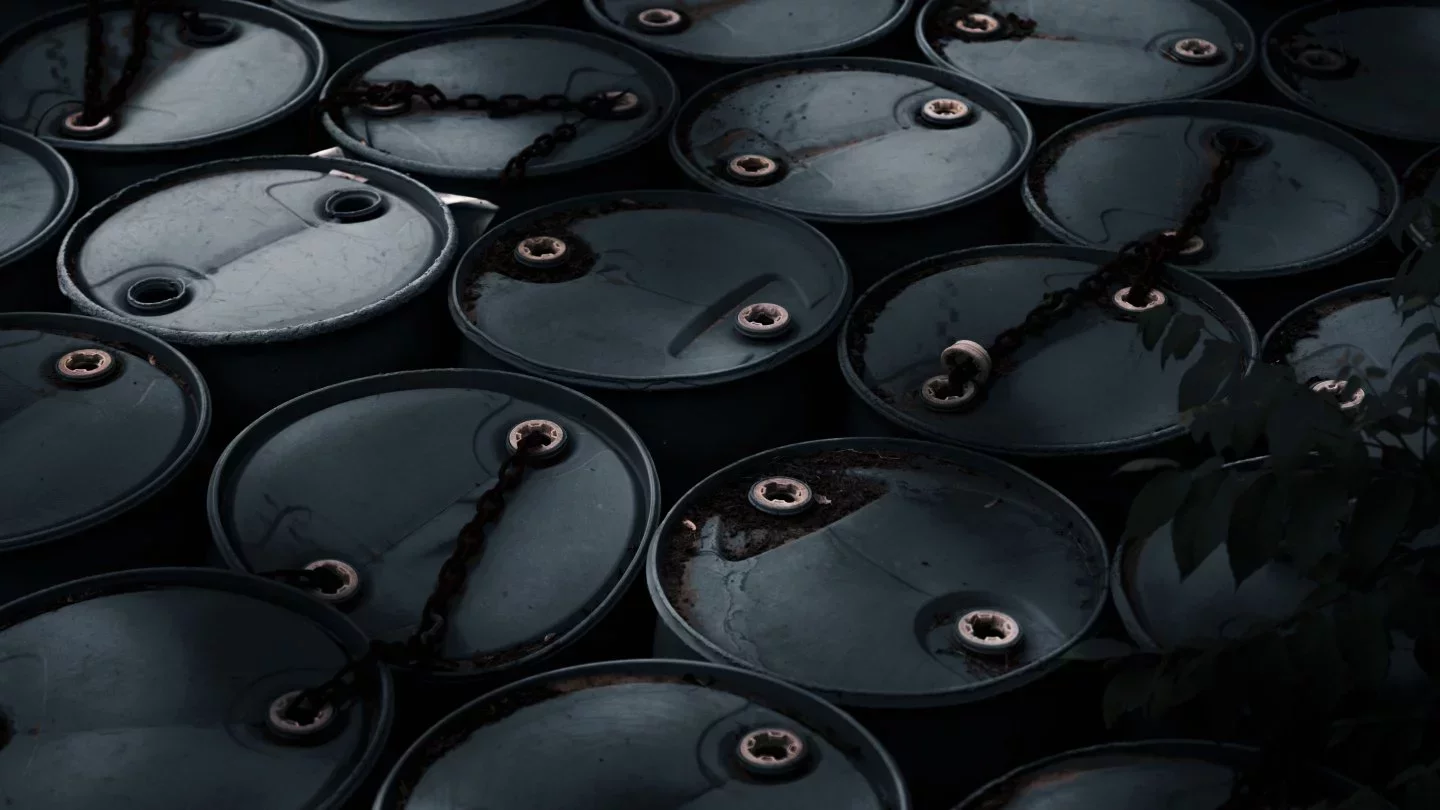
Oil and gas industry expert Nurlan Zhumagulov cautions that some oil sector projects with significant investments may ultimately prove unnecessary, Orda.kz reports.
The director of the public foundation Energy Monitor noted that the project to build the Yeskene-Kuryk oil pipeline, which has been discussed for over 15 years, entered the world's top 10 planned oil pipelines.
The cost of its implementation is estimated at 1.5 billion dollars. However, Yeskene-Quryq may ultimately be irrelevant.
In July 2022, when problems with pumping oil through the CPC pipeline began, the Head of State instructed the shareholders of the Tengiz project to resume construction of Yeskene-Quryq. At that time, we wondered what Tengiz had to do with it if Yeskene was located next to Kashagan. After all, the Caspian Oil Transportation System (COST) project (a new pipeline to Aqtau, a huge tanker fleet, pumping through BTC) was planned precisely for the big oil of Kashagan, notes Nurlan Zhumagulov.
Meanwhile, Chevron management reported that "big oil" from Tengiz would be transported via the CPC.
The capacity of its pipeline was increased for this purpose. Currently, oil from Tengiz and Kashagan is transported by rail to the Aqtau port. From there, it is transported by tankers to Baku.
The expert says there are serious doubts about the future of the Prorva port on the Caspian Sea, which has also received notable sums for development. At least two million tons of oil per year were planned to be transported through Prorva.
Is the Yeskene-Quryq oil pipeline necessary? After all, a number of projects in the Caspian Sea are already being closed before they even started: two projects with Eni (Isatay and Abay) and two projects with Lukoil (Jenis and Al-Farabi). The reason is dry exploratory wells, Nurlan Zhumagulov points out.
In late October, it was reported that a joint venture between KazMunayGas and Italy's Eni had failed to find oil at the Abay site. In 2023, the same company had been unable to find oil at another promising site.
While oil production in the Qyzylorda region declines, it is more expedient to increase the reverse flow of the oil pipeline from six to 20 million tons per year from west to south and further to China.
The analyst believes that increasing the Shymkent Oil Refinery's production capacity from six to 12 million tons per year is also crucial.
I would also like to know the status of the implementation of the President’s order to build a large oil storage facility in the Atyrau region (exactly two years have passed),
the expert recalled.
Original Author: Nikita Drobny
Read also:
Latest news
- Almaty Drivers Offered Free Emissions Checks Without Penalties
- Croatia Will Finance Oil Exploration In Aktobe Region
- Half of Kazakhstanis Earn Less Than $1,000 a Month
- Is The Era Of Easy Extraction Over? Resource Development Is Being Rebuilt In Kazakhstan
- How a Kazakhstani Tried to Change His Ethnicity Through the Courts — and What Came of It
- Economist Names Kazakhstan Regions Lagging in Investment Transparency
- 14-Year-Old In Tesla Tries To Flee Police In Astana
- When a Michelin-Recognized Restaurant Will Open in Almaty, Akimat Says
- Transfers To China From Kazakhstan Fall To Six-Year Low
- Chinese Company To Build $1.2 Billion Steel Plant In Kazakhstan
- Moldova Finally Leaves The CIS And Bets On The EU
- Kazakhstani Scientists Develop Feed From Meat Processing Waste
- Why Large Families Face the Highest Poverty Risk in Kazakhstan
- Kazakhstan Schoolboy First in Central Asia to Receive Google Grant
- Kazakhstan Prosecutor General’s Office Checks Possible Ties Between Officials and Epstein Case
- After Farmers' Complaints, Kazakhstan Changes Potato Trading Rules
- Officials Accused Of Legalizing Thousands Of Migrants For Bribes In Astana
- Almaty Zoo Names Triplet Tiger Cubs
- Only One Loss-Making Bank Remains In Kazakhstan
- Cormorants To Be Shot In Pavlodar Region
