

Why Did Washington Bring the Five Central Asian Leaders to The White House?
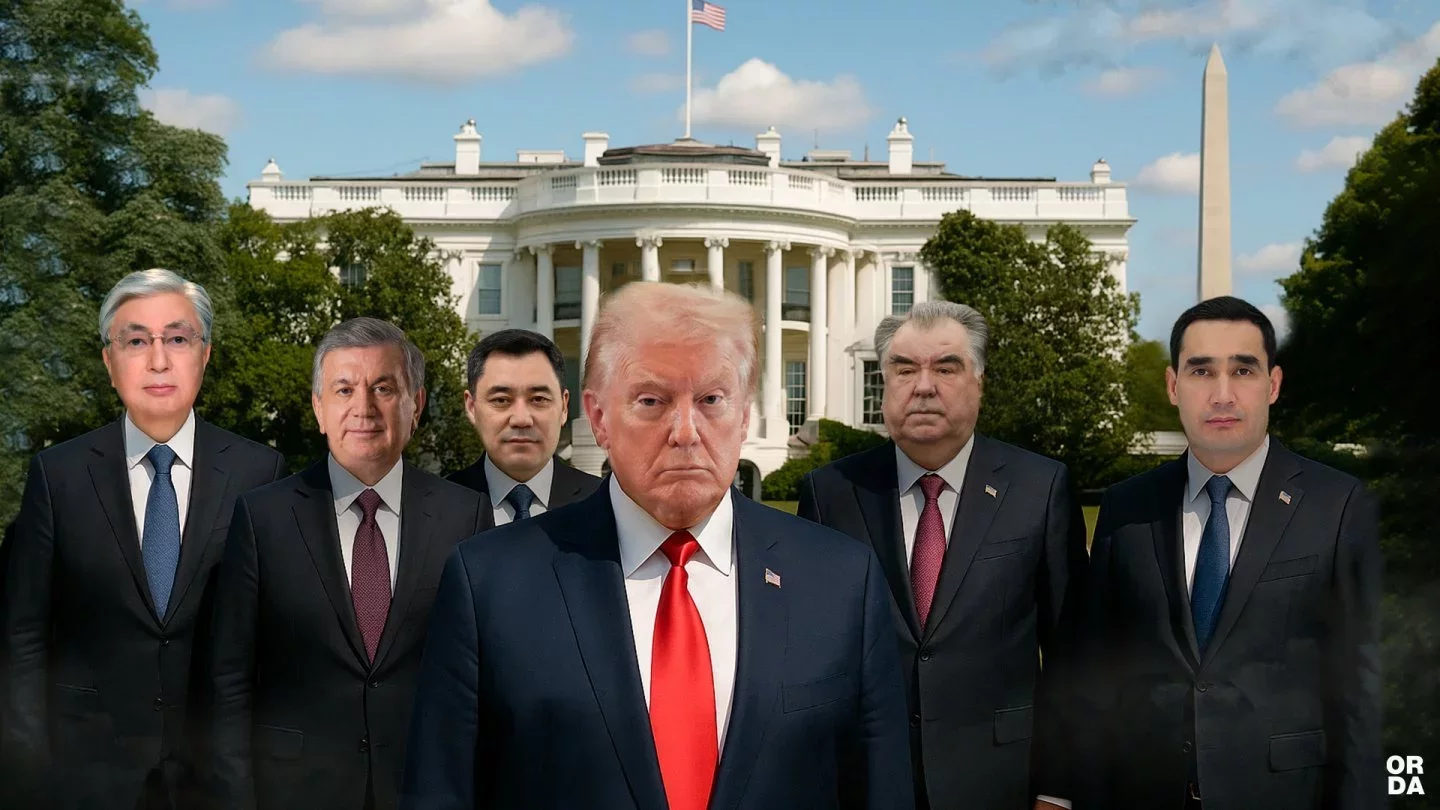 Photo: Orda collage
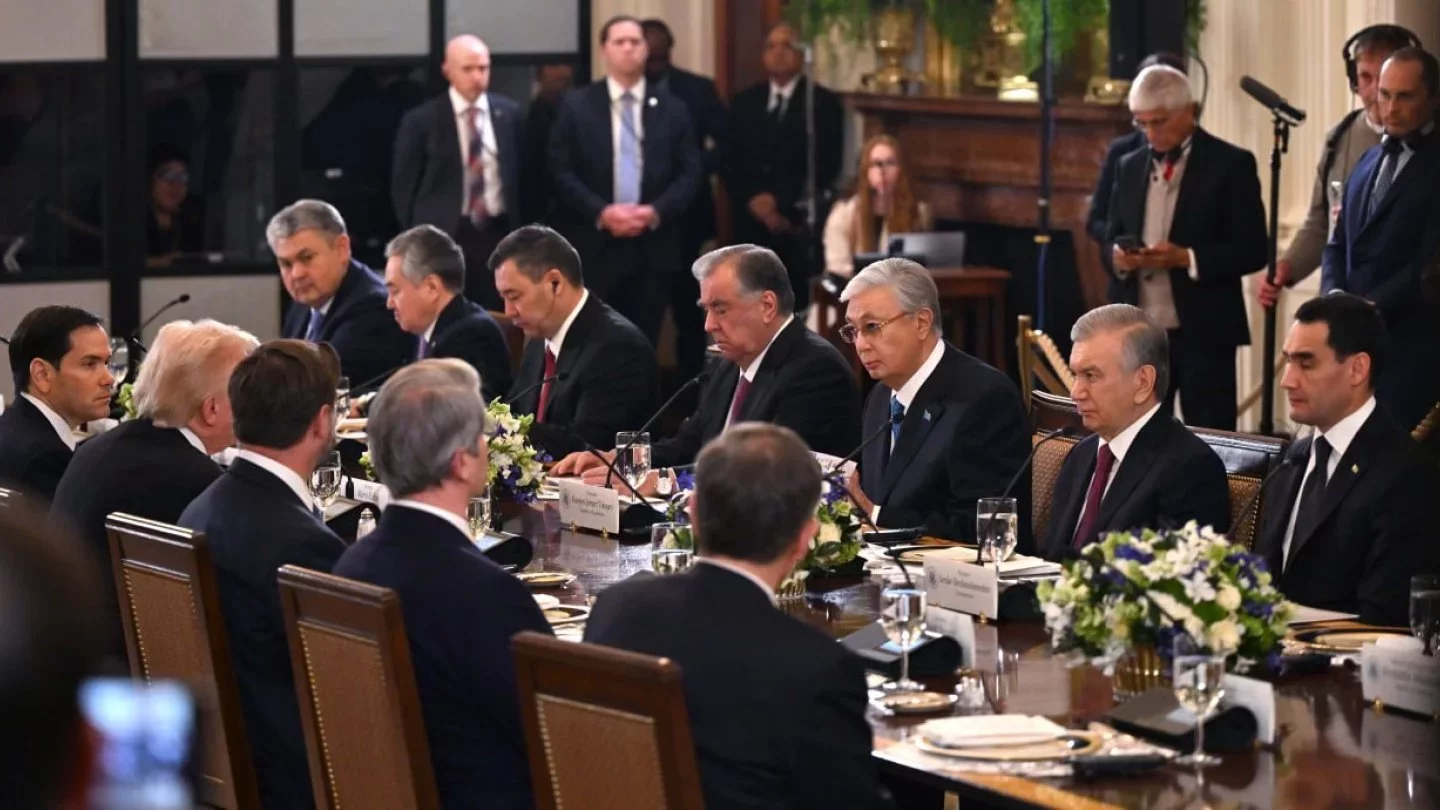
The C5+1 summit, held on November 6, 2025, in Washington, D.C., brought together the presidents of all five Central Asian states — Kazakhstan, Uzbekistan, Kyrgyzstan, Tajikistan, and Turkmenistan — for the first time at the White House, at the invitation of the U.S. President.
Orda.kz columnist Islam Kurayev has analyzed the event.
More Than Symbolism?
The United States is re-entering Central Asia with a focused agenda: critical minerals, energy, digital transformation, infrastructure, and logistics.
It’s a pragmatic response to China’s and Russia’s growing regional roles and shifting global supply chains. With its natural wealth and geography, Central Asia is once again a contested hub — not only diplomatically but also through investment and technology.
China promotes its “Belt and Road Initiative,” seeking to integrate the region economically and use transit routes as leverage. The U.S., meanwhile, aims not to rebuild infrastructure but to set the rules, defining standards and influence points.
Why The Summit’s Format Mattered
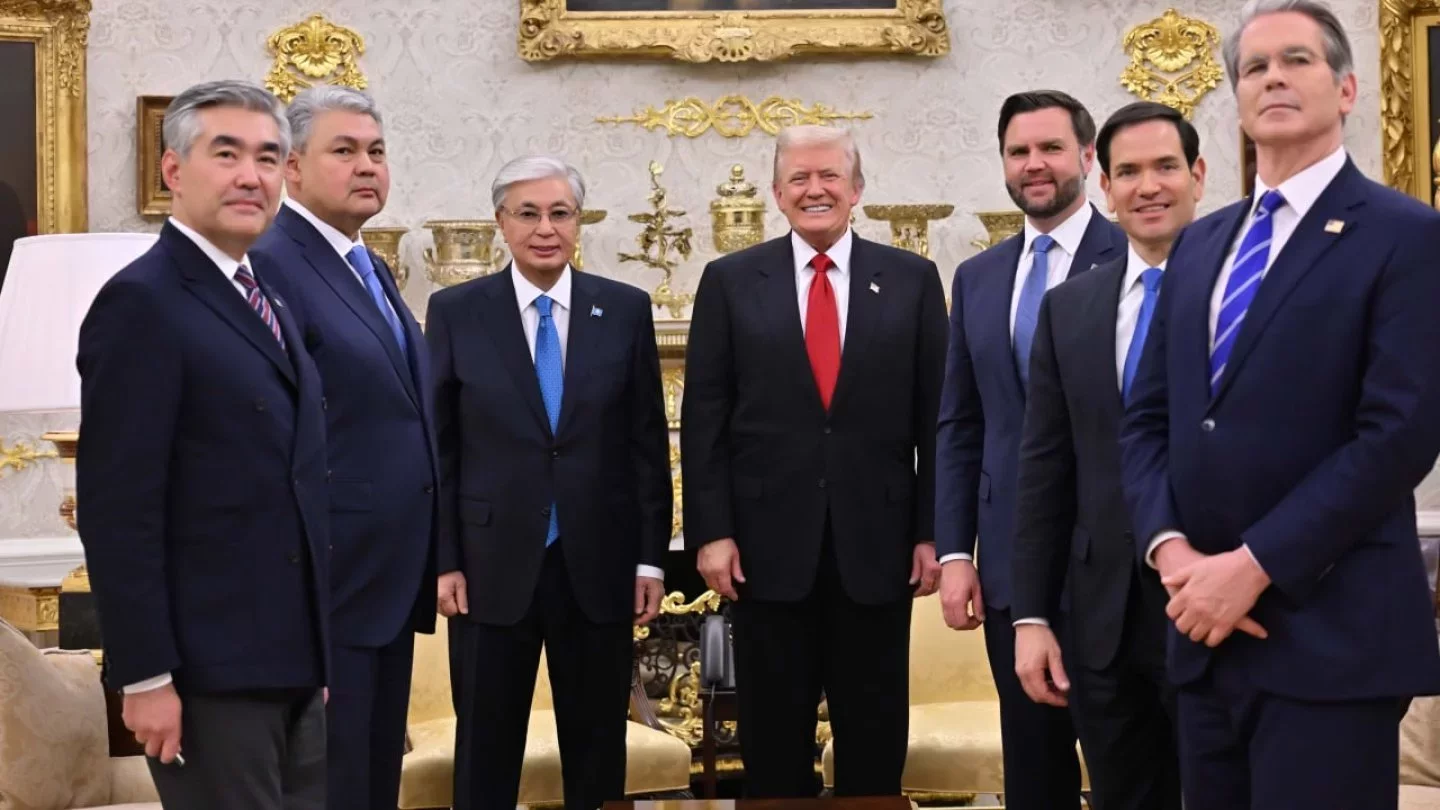
For the first time, all five leaders were received formally at the White House, not on UN sidelines or via video link. The symbolism was deliberate: in Central Asia, protocol signals respect, and for Donald Trump, optics are part of strategy.
Kazakhstan and Uzbekistan stood out, receiving particular attention and praise.
From Security to Economics
Originally launched in the mid-2010s to support U.S. military logistics during the Afghanistan withdrawal, the C5+1 format is being reborn as a platform for economic and political influence.
While the format once lacked depth, Washington is now attempting to build it.
Still, most agreements remain framework-level — statements of intent rather than concrete projects. The U.S. is signaling its return, but whether it will invest in ports, roads, and energy systems remains uncertain.
National Agendas
Each country arrived with distinct priorities:
- Kazakhstan — transit, rare-earth minerals, and geopolitical balance
- Uzbekistan — reforms, investment, and regional leadership
- Kyrgyzstan — water management and employment
- Tajikistan and Turkmenistan — energy and security
The summit was not a bloc meeting but a coalition of interests — a start toward coordination rather than integration.
What Kazakhstan Gained
For Kazakhstan, the meeting was especially productive. Agreements were signed with the U.S. on critical minerals, including tungsten and rare earth elements, with $1.1 billion already pledged for development.
Cooperation on the Middle Corridor — the key trade route linking China, the Caspian, and Europe — was also strengthened. U.S. support offers both financial and political protection for the route.
On November 5, a freight train carrying nearly 1,000 tons of wheat from Kazakhstan to Armenia via Azerbaijan departed — the first in decades.
This test run highlights a thaw in regional transit and Kazakhstan’s role in new trade chains.
The Balancing Act
For Astana, benefits are clear: geopolitical weight, diversified routes, and long-term U.S. investment interest. Yet the risks are equally real — potential backlash from Russia and China, pressure for political transparency, and expectations tied to human rights and reforms.
Turning symbolic diplomacy into infrastructure will be crucial. The next stage is not about handshakes but about “kilometers of road and tons of freight.”
On social media, Trump emphasized that the deals will create “tens of thousands of American jobs,” covering sectors from mining to aviation and agriculture. His framing — prioritizing U.S. domestic gains — underscored that America’s engagement is strategic, not charitable.
A Symbolic Step, Not a Strategy?
The protocol, the flags, the historic photos in the White House — all looked impressive, but many of the memoranda lacked clear implementation plans, deadlines, or funding. The summit felt more like a political spectacle than a working meeting on infrastructure.
Geoeconomics without geostrategy: The U.S. has shown interest in the region but offered no coherent strategy — not on security, resources, or Afghanistan. It seemed more a reaction to events than a systemic pivot toward Central Asia.
Personalized diplomacy: The focus on Trump, personal ties, and handshakes carries risks. If power in Washington changes, will the commitments hold? Without institutional mechanisms, the format remains vulnerable to political shifts.
Ignored issues: The summit sidestepped what truly concerns the region — migration, water scarcity, cross-border energy, and pressure from old powers. Transit and minerals dominated the agenda, while people, the environment, and humanitarian ties were barely mentioned.
Asymmetry remains: The U.S. acts as provider, the Central Asian states as recipients. This is not yet an equal dialogue but a form of political patronage. Without horizontal cooperation, such dynamics risk deepening dependence rather than building a partnership.
Original Author: Islam Kurayev
Latest news
- Earth Hour: Kazakhstan Will Turn Off The Lights
- Vet Service in Turkestan Caught Making Fictitious Purchases
- Barriers Block Animal Migration in Zhetysu, Residents Demand Action
- Kazakhstani Citizens May Be Detained After Mass Brawl at Facility in Russia
- Egypt Removed From List of Countries Not Recommended for Kazakhstani Travelers
- Where in Kazakhstan People Live the Longest
- Three Red Book Tiger Cubs Born at Almaty Zoo
- Ministry of Health Reveals Leading Causes of Death Among Kazakhstanis
- Smell of Feces and Flooded Offices: The Conditions KTZ Employees Work In
- “We Are Less Prone to Corruption”: NSDP Members Discuss Women in Power and “Men’s Clubs”
- Auditors Reveal How Officials Diverted Tens of Billions of Tenge in Kostanay Region
- Kazakhstanis Cool on Dollar Despite Favorable Exchange Rate
- EAEU Looks to Speed Up Transportation Using AI
- Astana Resident Who Posted Story About Harassment in Army on Social Media Detained
- National Bank Allows Use of Old 10,000‑Tenge Bills Until 2027
- Parliament Adopts Law on Special Status of City of Alatau
- From Electric to Hybrid: Kazakhstan’s Changing Auto Market
- Kazakhstan Proposes Changes to Structure of Pension Contributions
- Three New Hydroelectric Power Plants to Be Built in Kazakhstan
- Life Up to 77 Years: New Healthcare Strategy Presented in Kazakhstan
