

Tragedy at KazAzot: What Happened to the Welders?
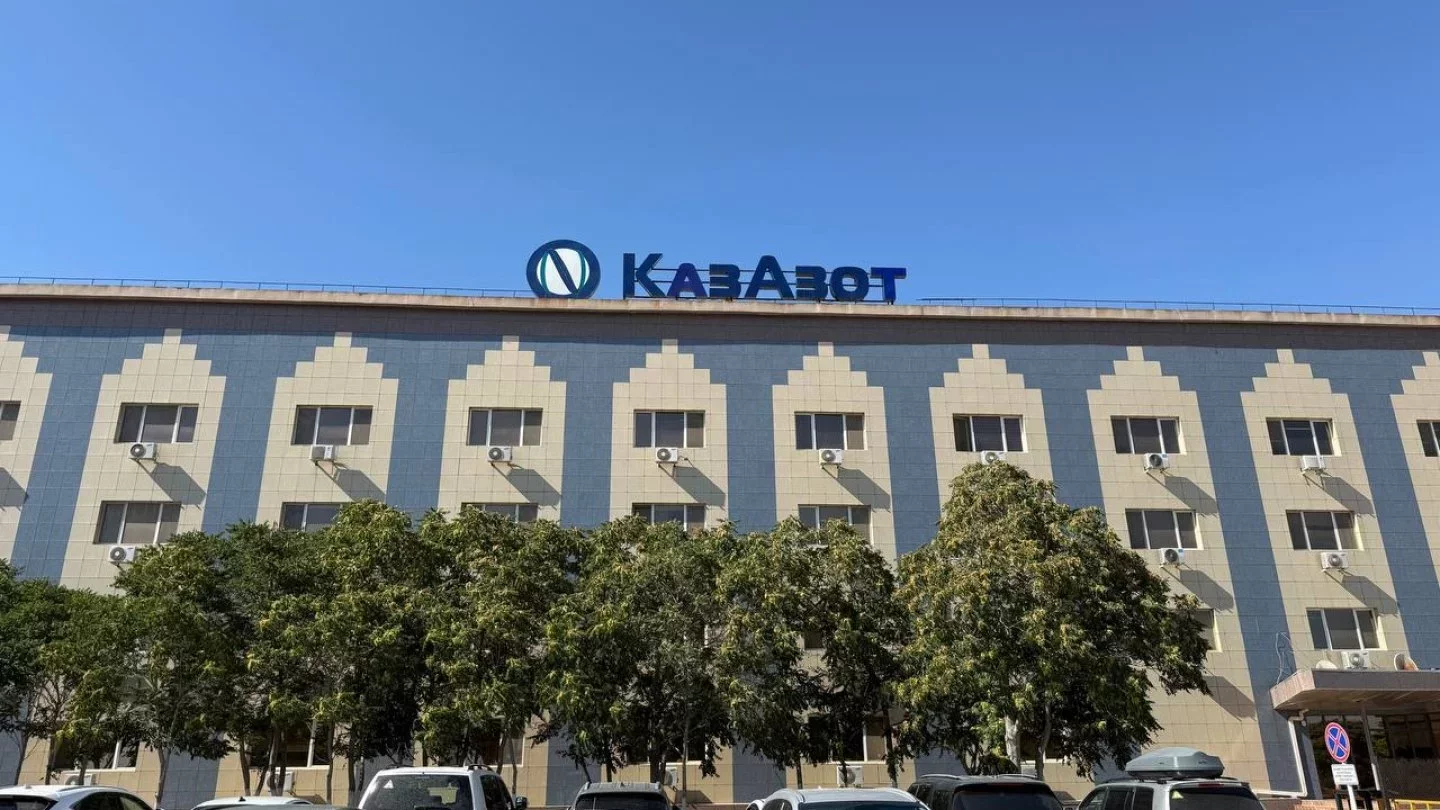 Photo: Orda.kz
Four workers at the KazAzot chemical plant in Aqtau recently sustained severe burns during welding work, Orda.kz reports.
One of them, who sustained burns over 90% of his body, died after 10 days in intensive care. Two others, with burns over 50% and 60% of their bodies, were transferred by air ambulance to a hospital in the capital.
A fourth worker, with 20% burns, is in stable condition.
A criminal case has been opened under Article 156 of the Criminal Code of Kazakhstan — “Violation of labor protection rules.”
Authorities have not disclosed further details.
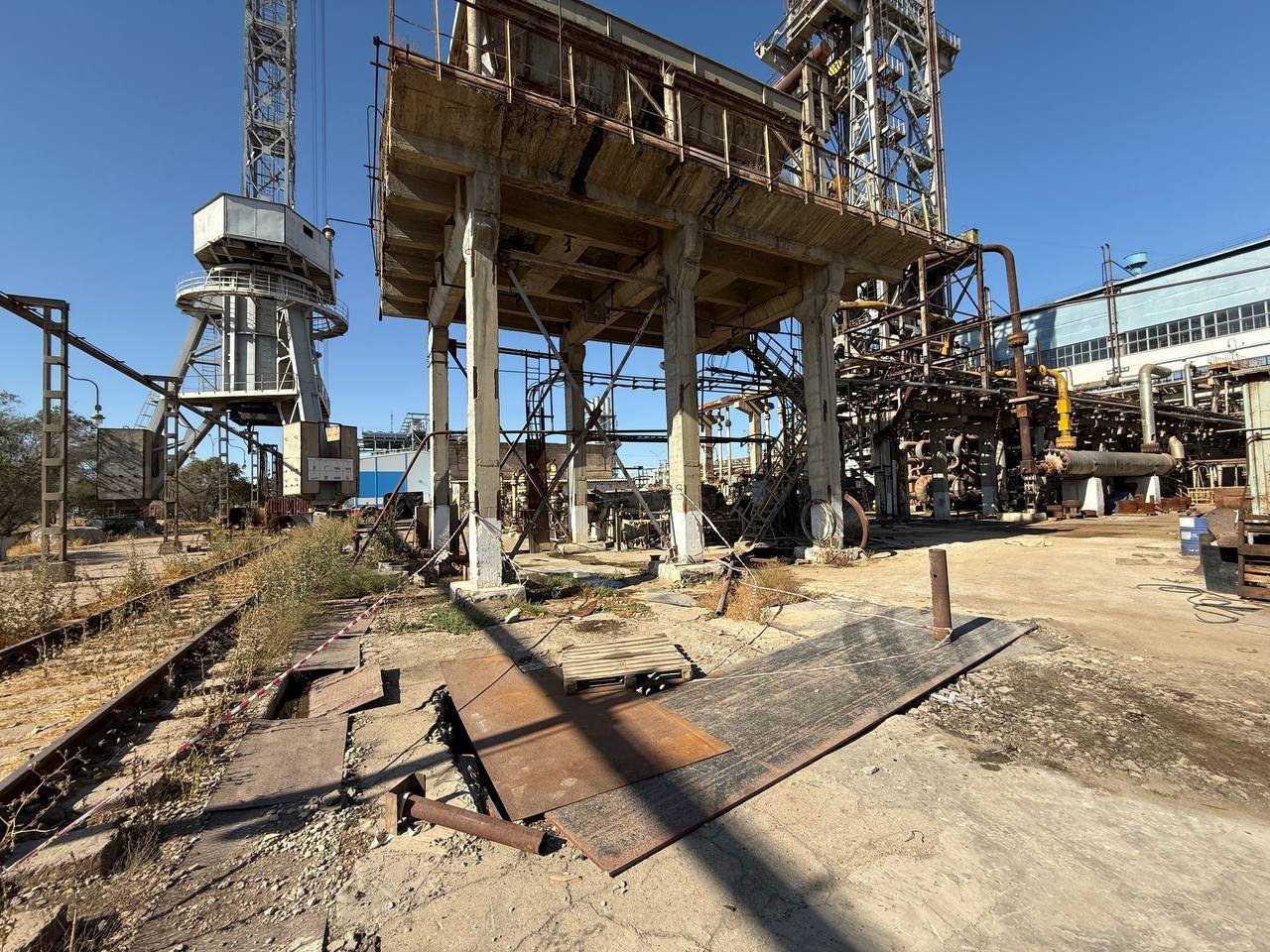
Preliminary findings suggest a gas explosion occurred in an underground tunnel, where welding work was being carried out. The confined space left workers little chance to escape. The 57-year-old crane operator, who died, was a father of six.
According to the Mangystau region’s labor inspectorate, the number of victims could have been higher.
One welder reportedly refused to enter the tunnel without a formal work permit — a document required for high-risk tasks.
To perform work in a dangerous area, a work permit is required. Because there may be risks underground: gases or unstable structures. All this must be checked before starting work. The workers did not wait for permission and went down into the tunnel. But one of the welders refused to go with them, saying that he would wait for a work permit, and went to smoke. And the rest decided to finish the work quickly. And then there was a bang underground,
said Bauyrzhan Kemalov, head of the regional labor safety department.
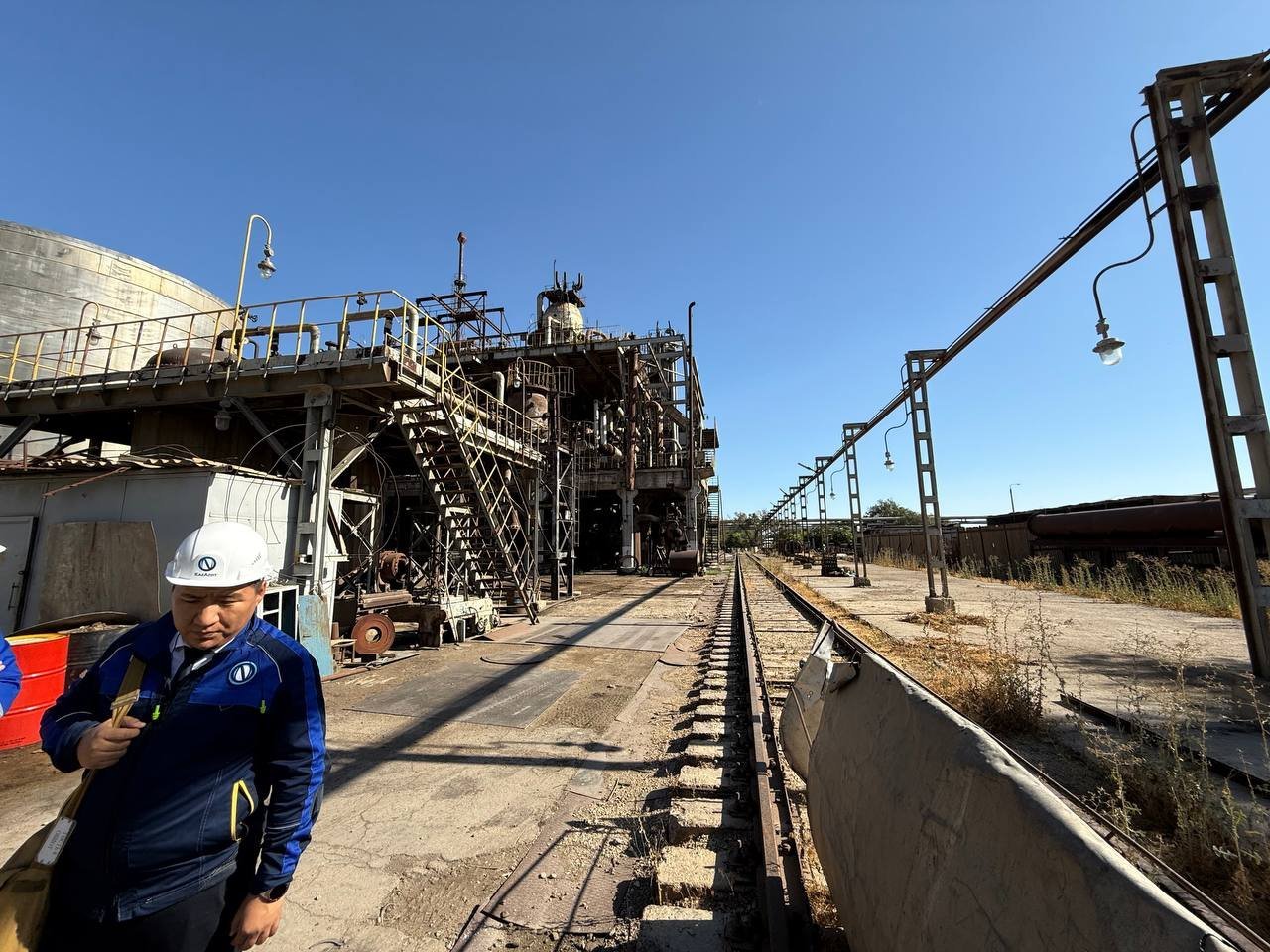
A special commission is now investigating the incident. The injured include a mechanic, an electric and gas welder, the deceased crane operator, and a foreman responsible for overseeing the safety protocols and ensuring the necessary permit was in place.
Following the explosion, KazAzot sealed off the area, covering the tunnel entrance with metal sheets.
Company officials have described the incident as an accident:
When they came to the work site, according to our preliminary data, they allegedly wanted to inspect the area and the work process. But during the inspection, they apparently decided to cut off missing or interfering objects. One of the workers ignited a gas cutter, and at that moment there was a gas-air mixture explosion in the tunnel,
said Amanzhol Kuanysh, Director of the Production Control Department at JSC KazAzot.
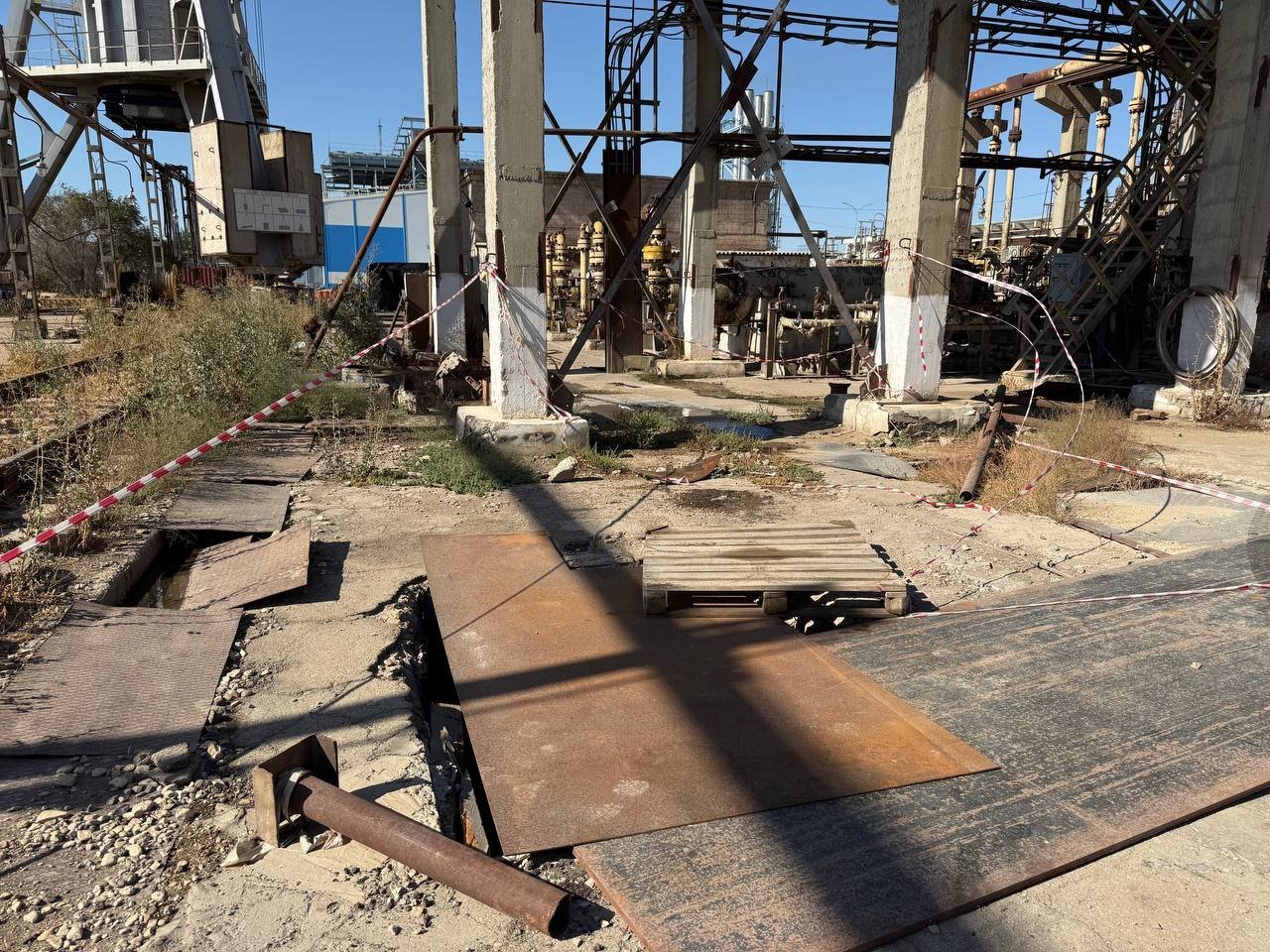
According to Kuanysh, methane gas can accumulate in enclosed spaces like basements or tunnels.
Before going underground, workers had to carry out work per the requirements of technical safety regulations, namely, by issuing a high-risk work permit, as well as issuing a permit for work involving flammability. According to our information, such work was not carried out, and a work permit was not issued,
he noted.
The incident reportedly occurred during start-up work after an emergency shutdown caused by a city-wide power outage on July 16, linked to failures at the aging MAEK thermal power plant.
On July 16, there was a power outage on the MAEK side, and at that time our plant stopped. After that, on the 17th and 18th, we were carrying out start-up work. And it was during this period that this accident occurred. The management of the fuel assembly shop, whose workers were injured, was informed in advance that start-up work would be carried out, and a ban on fire work was conveyed. Since during start-up work we collect all kinds of liquid, this is a complex technological process,
explained Kuanysh.
The company says it is assisting the victims and the family of the deceased worker.
This is not the first such incident at KazAzot. In 2012, an explosion occurred at the ammonia purification reactor in the nitric acid workshop. That event caused no casualties.
KazAzot produces ammonia, ammonium nitrate, nitric acid, and natural gas. The plant has operated since 2005. Ownership details are not available on official government portals, but Forbes Kazakhstan lists Bakharidin Ablazimov — ranked No. 36 among Kazakhstan’s richest — as the main shareholder.
According to the publication, until 2016, the company was formally owned by a single entity, Kazazot BV.
That year, well-known business figures including Timur Kulibayev (50%), Dinmukhamet Idrisov (30%), and Yerzhan Dostybayev (5%) became shareholders. In December 2021, all three divested their stakes, leaving Ablazimov as the sole remaining owner.
Original Author: Dinara Bekbolayeva
Latest news
- The Delivery of 51 Stadler Passenger Coaches Has Been Delayed
- Kazakhstan Returns Nearly 1,000 Citizens From the Middle East
- Damaged Baikonur Launch Pad Facility Restored After 2025 Collapse
- A Rare Black Melanist Wolf Was Shot in Eastern Kazakhstan
- Kazakhstan Maintains Neutral Stance on Middle East Escalation
- Kazakh MFA: Citizens Evacuated from the Middle East via Oman and Saudi Arabia
- Kazakhstan to Spend 4.6 Trillion Tenge on Road Projects Through 2029
- Central Asia Competes for the Skies: Why Kazakhstan Risks Falling Behind Uzbekistan on Jet Fuel
- The War in Iran Opens a Window of Opportunity for Kazakhstan’s Oil Sector, Analysts Say
- Iran Conflict Escalates Beyond the Gulf: What Kazakh Experts Say About Risks for Central Asia and Kazakhstan
- Kazakhstan Prepares Possible Evacuation of Its Citizens From Iran
- LRT in Astana Is Reaching the Finish Line: The Launch Is Expected in the Coming Months
- Kazakhstan Ready to Help the UAE Amid Escalation in the Region
- Tokayev Discusses Middle East Escalation With Qatar’s Emir
- Airlines Ready to Bring Kazakhstanis Home From the Middle East
- Tokayev Sends Support Messages to Gulf Leaders Amid Regional Escalation
- Kazakhstan Bans Its Airlines From Flying Over Several Middle East Countries
- Astana Strengthens Security Measures Amid Escalation Around Iran
- Tokayev Meets U.S. Ambassador Stufft, Discusses Board of Peace Cooperation
- Mangystau Launches AI-Assisted School Monitoring to Prevent Teen Suicidal Behavior
