

The Iconic Tselinny: A Report From the Opening of the Art Space
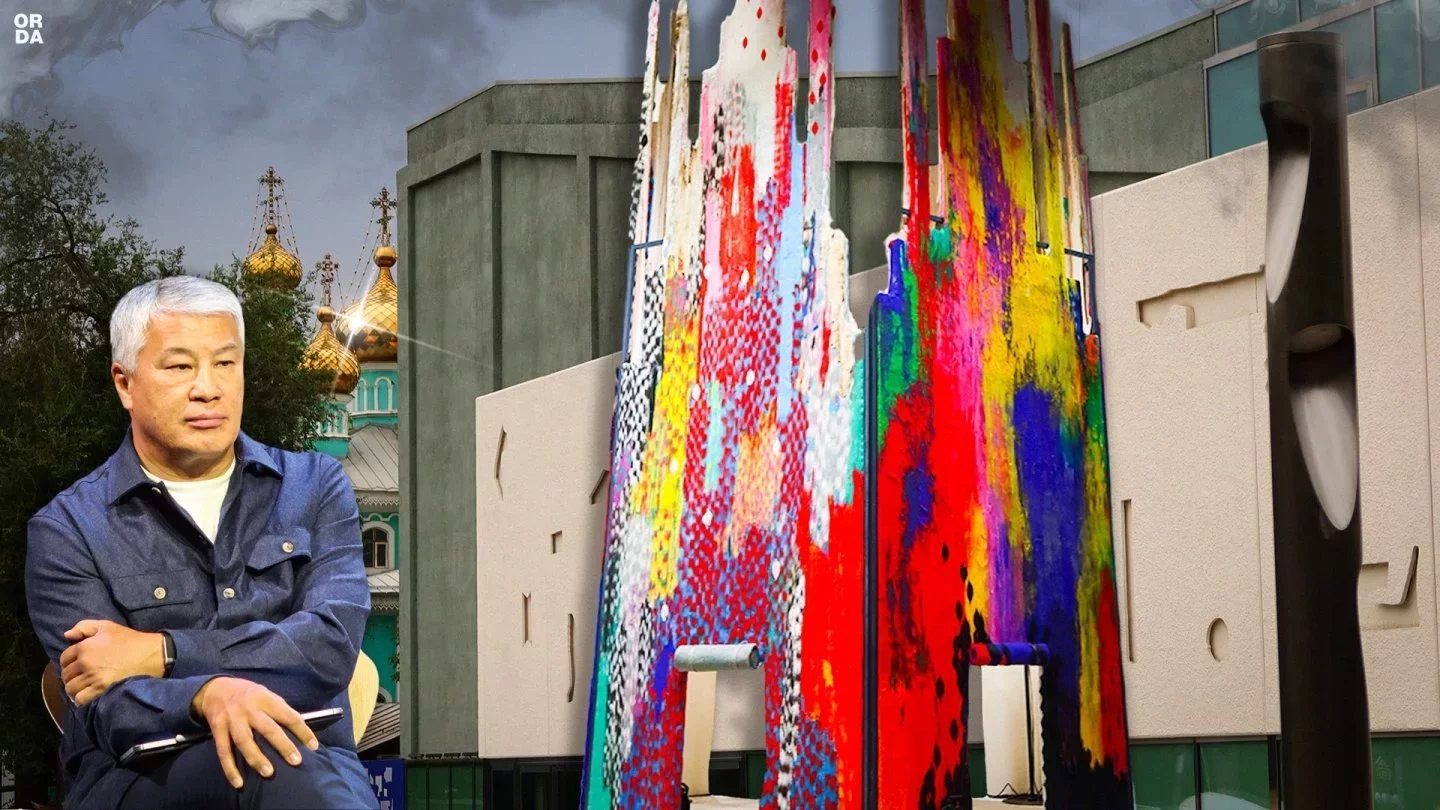 Photo: Orda.kz
Once an iconic Soviet movie theater, later a smoky hookah lounge and nightclub for the city’s youth, Tselinny has now reopened as a modern art space. Orda.kz reports on how the transformation looks through the eyes of an ordinary visitor.
According to staff, more than 12,000 people have already visited the new Tselinny in just the first few days since its doors opened.
From Cinema to Art Space
Tselinny’s story began in 1964. As its new owner, businessman Kairat Boranbayev, noted, the December film program at the venue will now trace the path of cinema from the year of its foundation to the present.
The theater was originally one of the city’s finest—1,500 seats, a huge screen. In 2000, the pavilion was divided into two parts. In 2014, the owners mortgaged the building but could not redeem it. A year later, Boranbayev acquired the property and announced his vision of transforming Tselinny into an art space.
Reconstruction began in 2018.
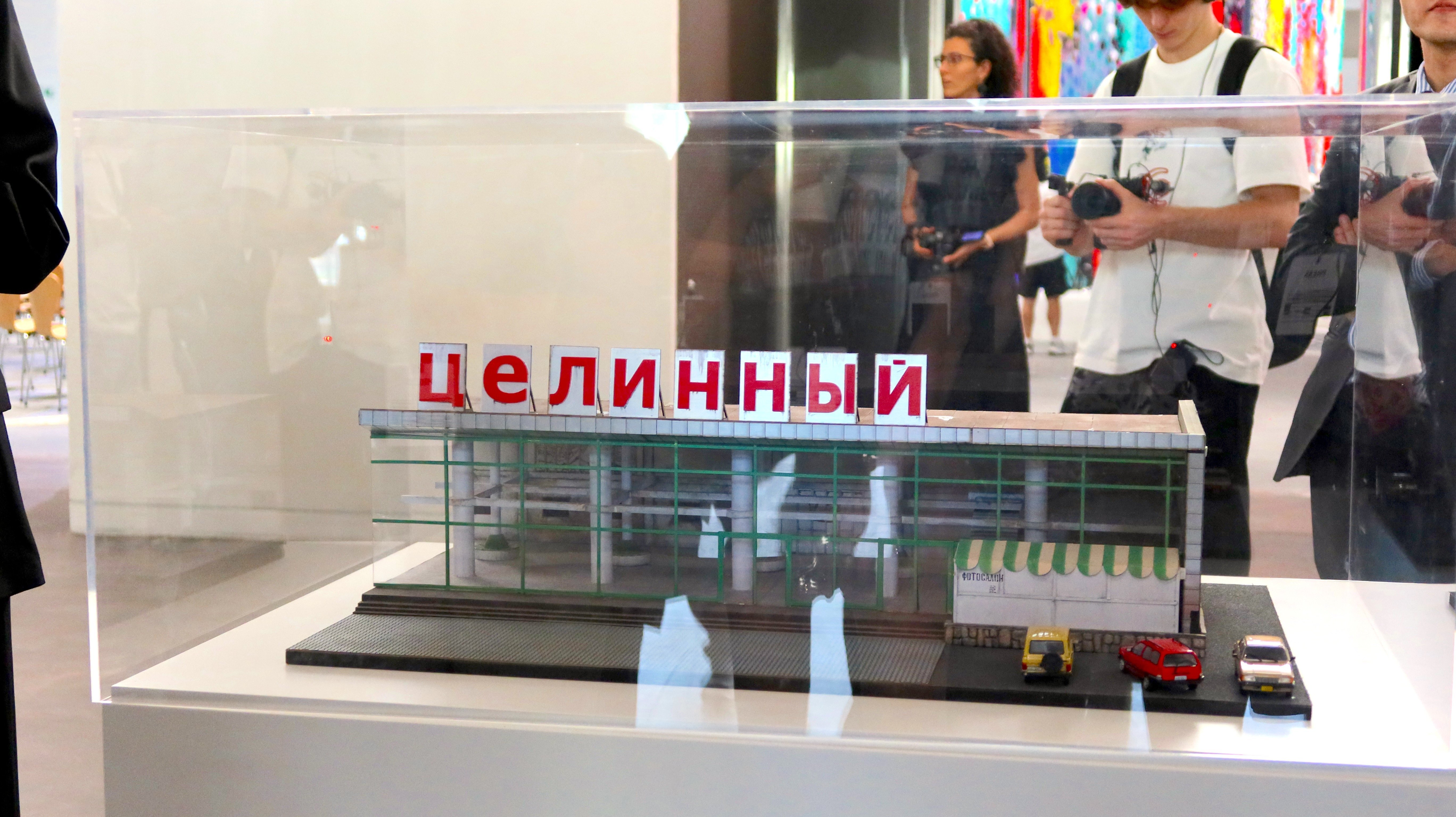
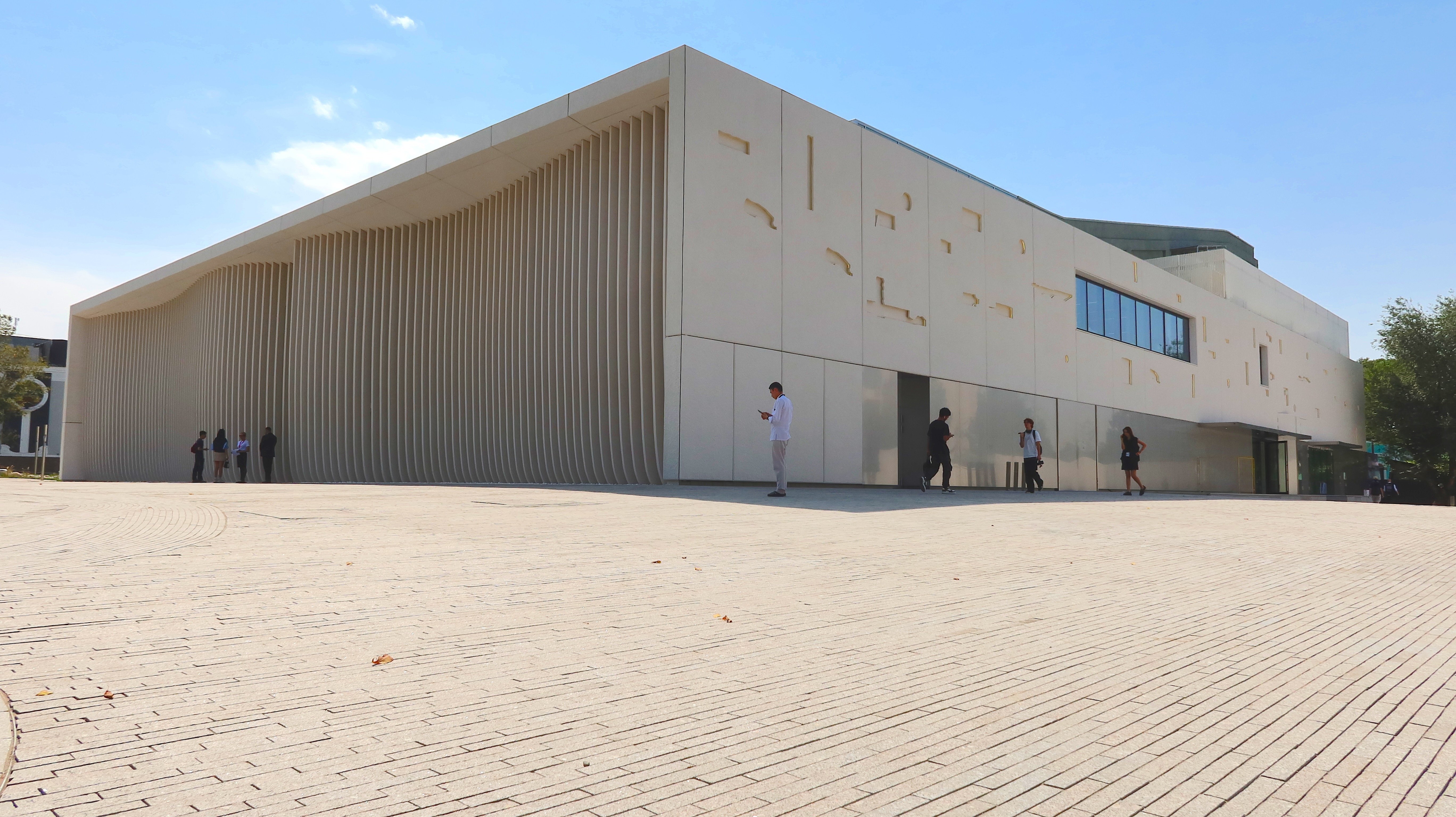
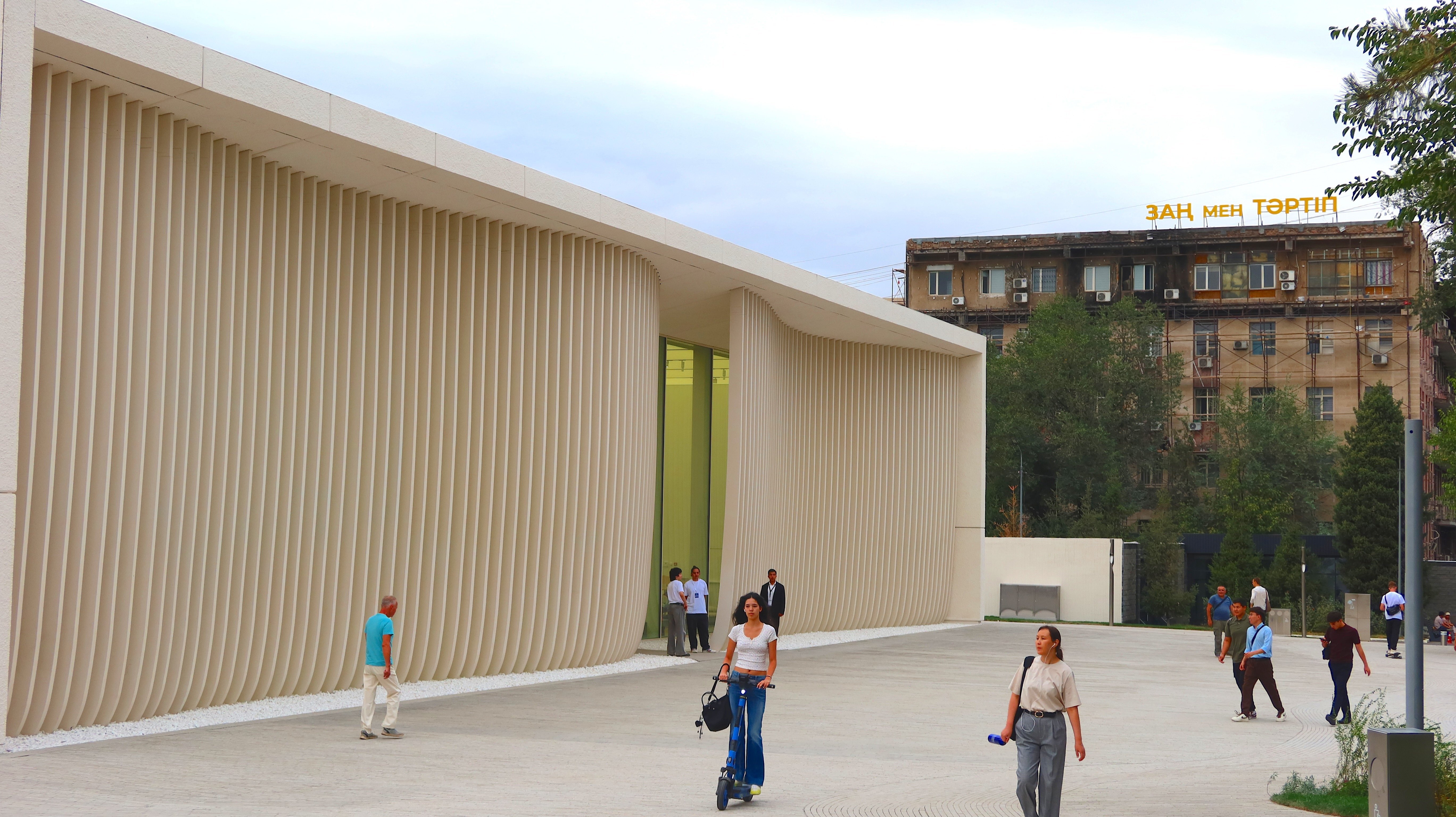
The project, however, took shape only seven years later, delayed by the pandemic, the January 2022 unrest, and the imprisonment of the project’s original designer. Despite these obstacles, Tselinny has matured into a space that is architecturally bold yet warm and welcoming, greeting its guests behind a vast curtain.
Inside, high ceilings and open, light-filled halls recall the ambition of the original idea. Along the walls, restored sgraffito — a hallmark of Soviet design often seen at bus stops and mosaics — links the past to the present.


Much of the original work by artist Evgeny Sidorkin had been lost during decades of repurposing. To restore it, designers used a system of shades: darker tones mark the original fragments, while lighter sections indicate reconstructed parts. T
he approach ensures Tselinny is not a mere monument to Sidorkin, but a respectful reinterpretation.
In the hall, there was something resembling a souvenir exhibition.


On the other side, visitors encounter a giant glass dastarkhan, ringed by soft stones. The round tabletop holds fragments of Tselinny’s history—photographs, sketches, and remnants of the original building.
More than an art object, it serves as a symbolic negotiating table.


Director Jamilya Nurkaliyeva explained that the team debated for a long time how best to restore and reinterpret Tselinny. Public demand for architectural preservation, she said, was immense.
They chose British architect Asif Khan, best known in Kazakhstan for designing the UK pavilion at EXPO-2017 in Astana.
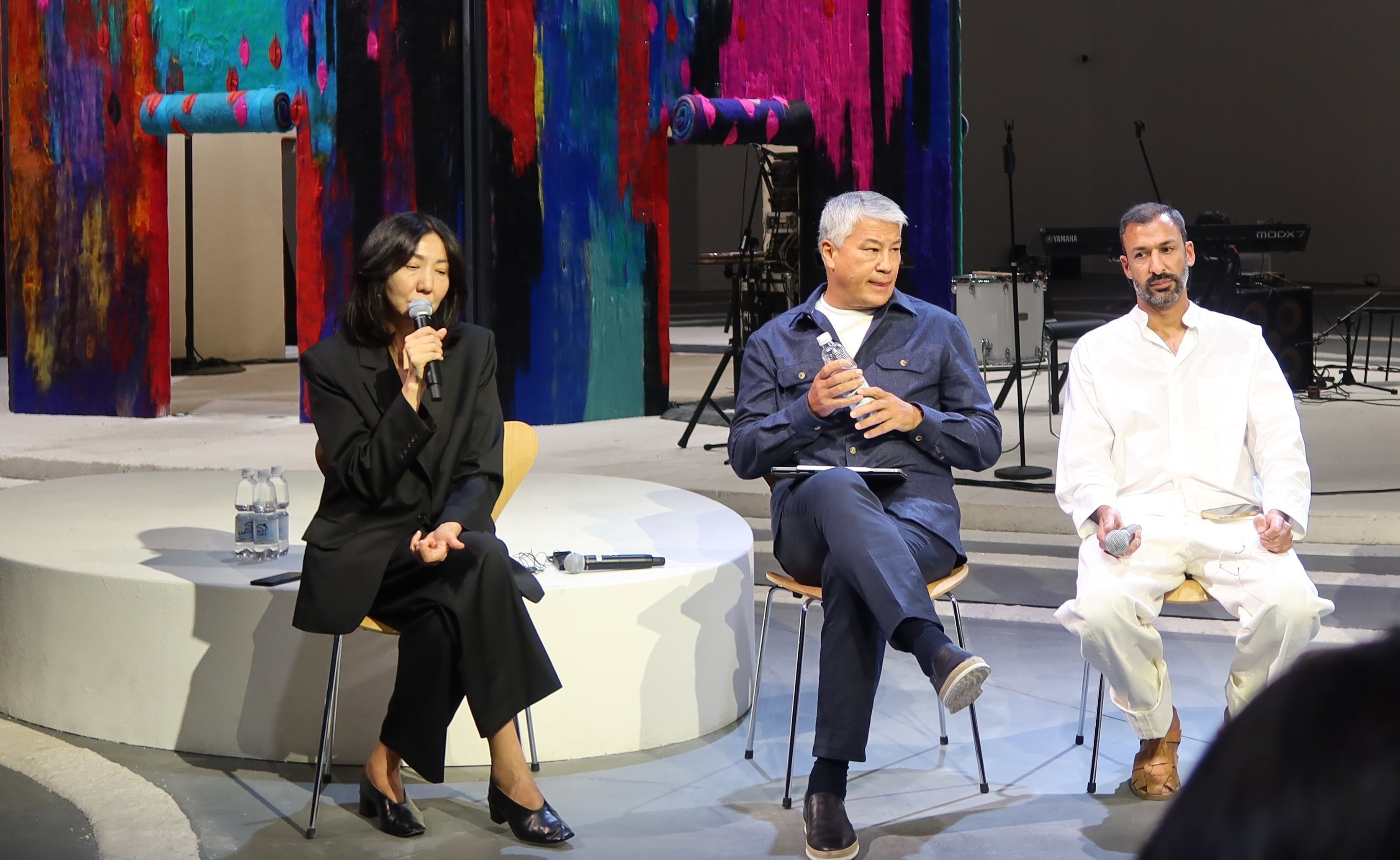
We chose Asif because he was at the right stage in his career — not yet some unattainable star, but already a well-established and very interesting practitioner with his own methodology. It was important for us to see that Asif knows how to preserve modernity while showing special respect for history. He never builds projects based only on the principle of ‘here is a new technology — let’s apply it and forget the rest.’ In the case of reconstructing this building, it was crucial for us to combine these two approaches, because it had already undergone a monumental reconstruction, and we could not go back,Nurkaliyeva said.
Asif Khan, it turns out, grew so attached to Kazakhstan during his work here that he later met his wife, Zaure, in the country.
He recalled that his first visit to Kazakhstan was in 2017, and since then, he had returned many times, always accompanied by his wife and fellow architect, Zaure. Together they began and completed the story of Tselinny, working side by side for seven years and traveling across the country.
He said it was Zaure who introduced him to Kazakhstan and its people, and that being called a “son-in-law” had become symbolic for him — he felt like one not only to her family but to the country itself. The years of working with architecture, he noted, had changed them, teaching that the task was not to impose on a place but to evolve together with it. The path that began in 2017 was decisive for them, as that was also the year they married in Almaty.
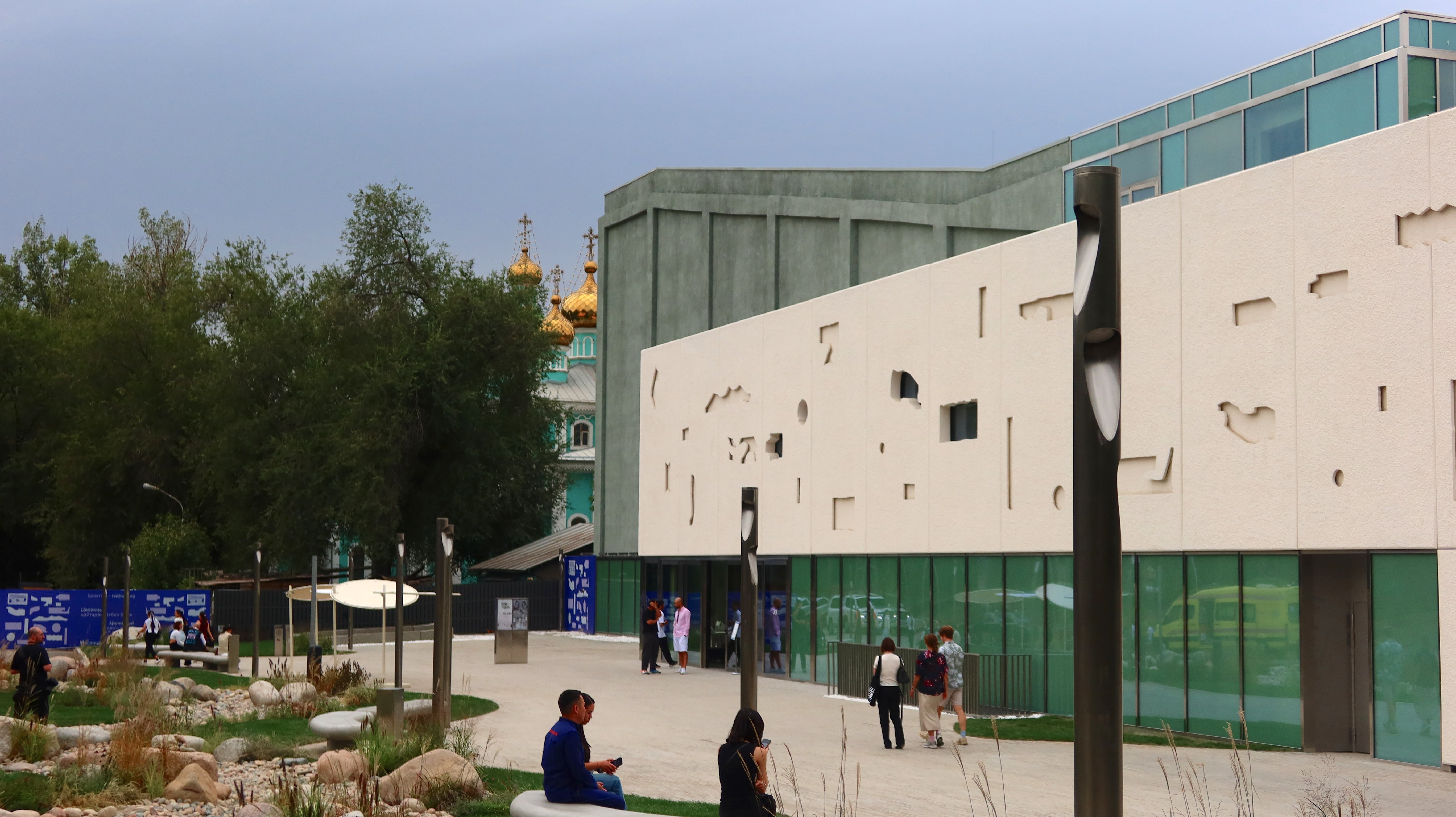
Tselinny occupies a unique location in Almaty. Right next to it stands the Almaty Choreographic School named after Alexander Seleznev, as well as the school’s dormitory, whose windows look out onto the square. Nearby are the St. Nicholas Cathedral, a police department, and even a karaoke bar.
According to owner Kairat Boranbayev, plans are underway to bring the square itself under economic management as part of a memorandum.
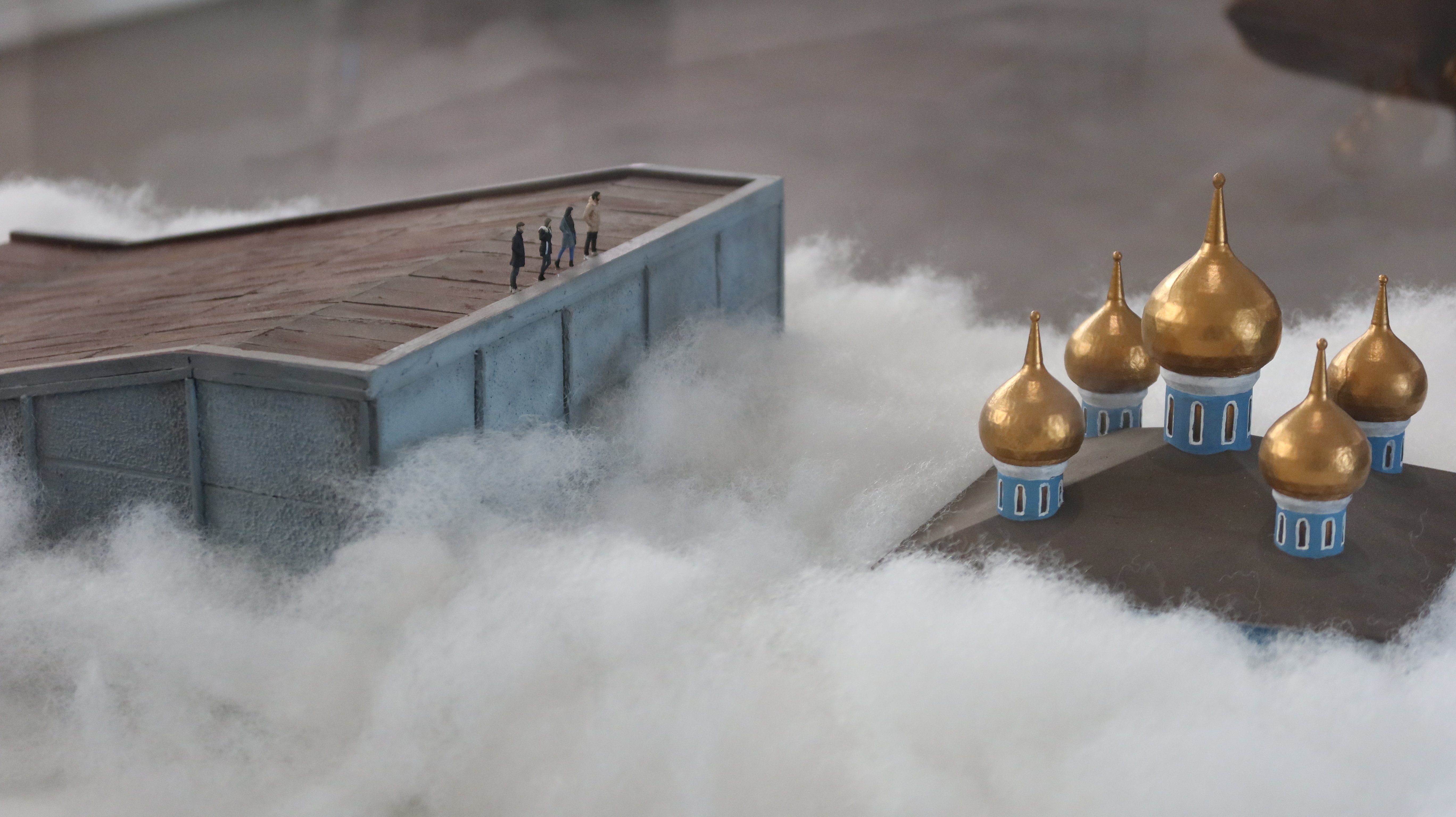
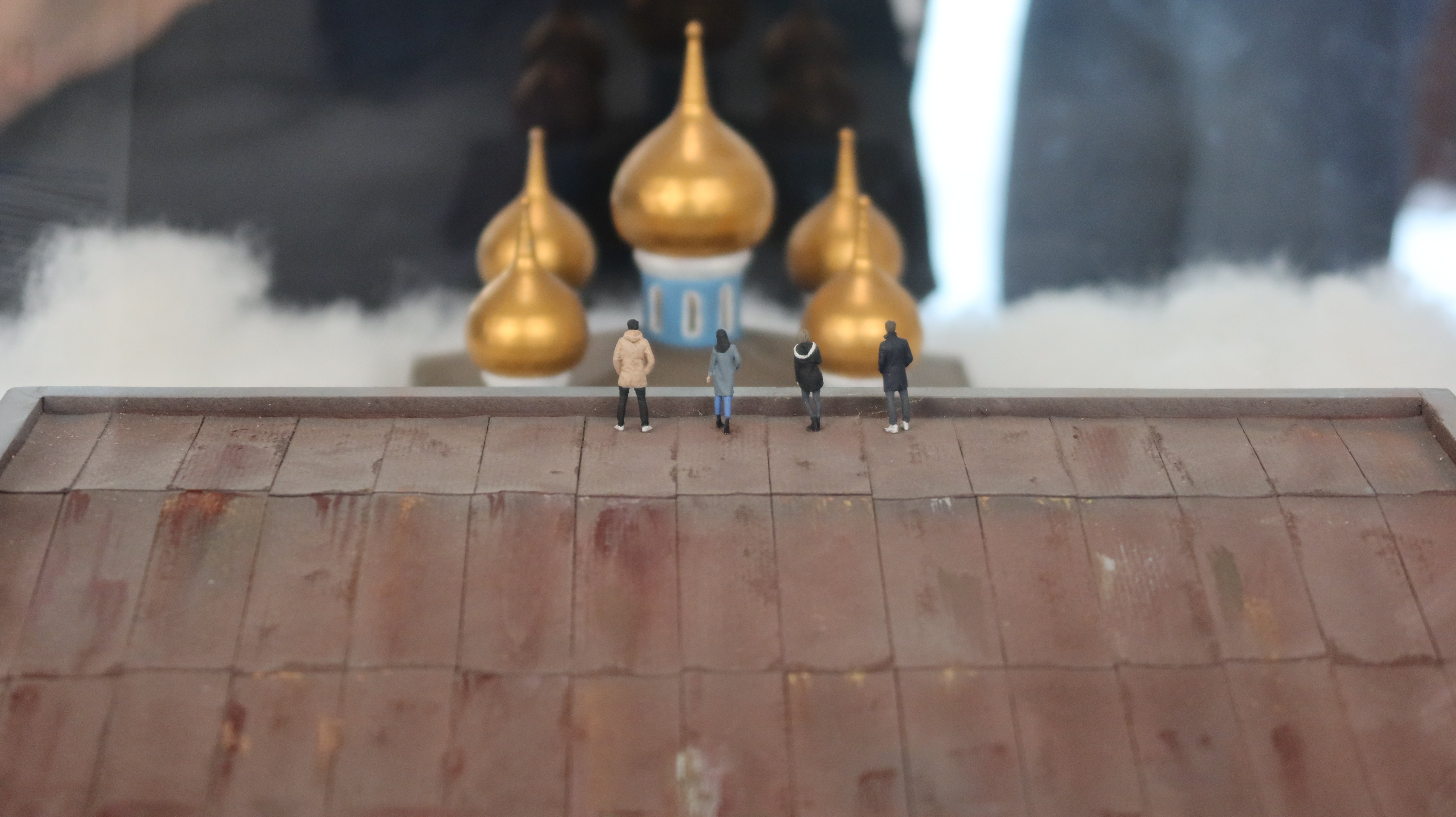
At one point, the team considered turning the roof of Tselinny into an observation deck with a view of the Cathedral’s golden domes.
Ultimately, the plan proved unworkable. Still, the architectural model of the idea drew attention — though clouds seldom descend low enough for a dramatic effect, the vision was striking.
Capturing Time: The Capsule Project
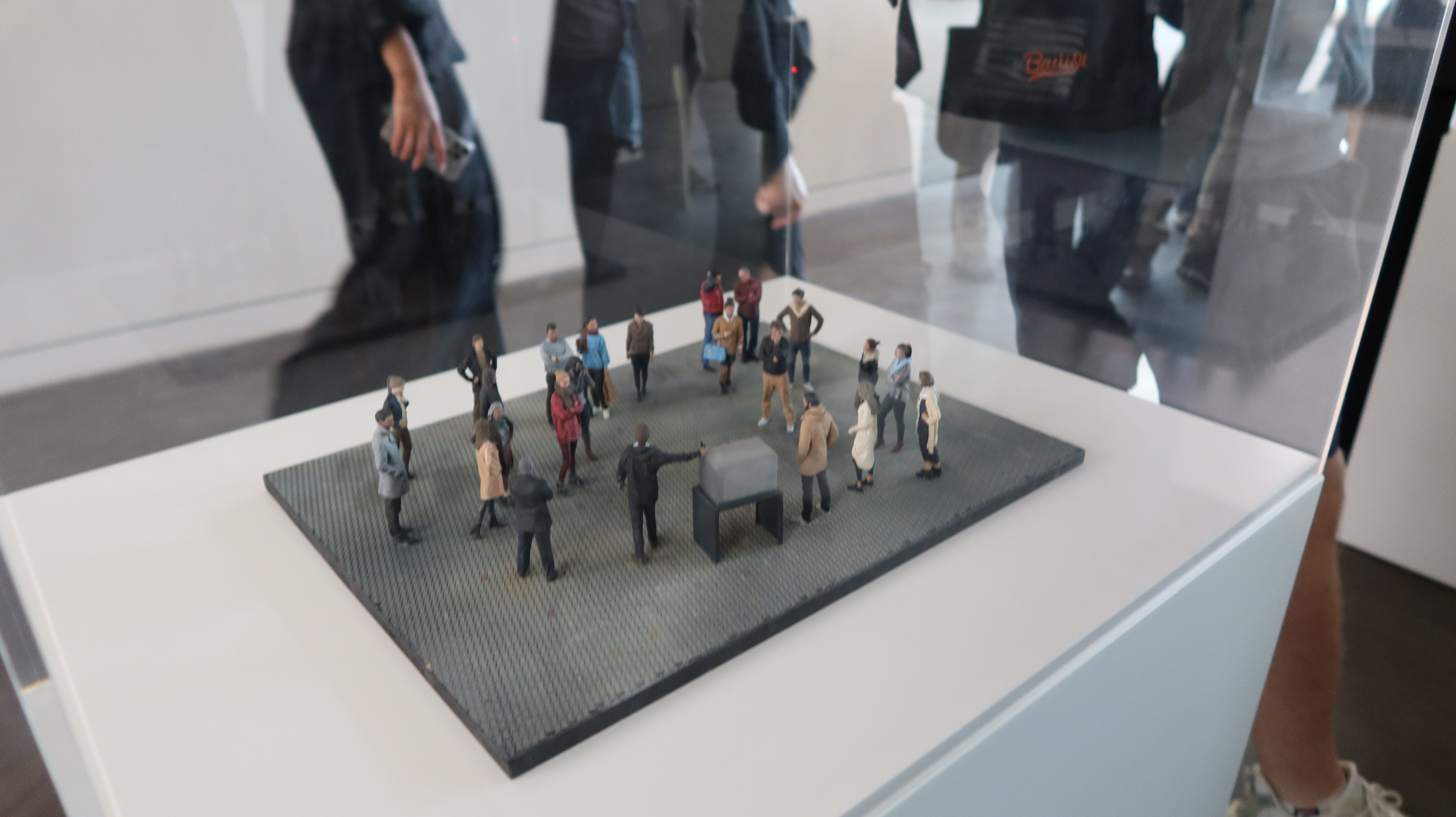
Another notable project within Tselinny was a “time capsule.” As director Jamilya Nurkaliyeva explained, the idea took shape at the very start of reconstruction:
When reconstruction began in 2022, we launched a project called 12 Seconds. It was a time capsule. We invited contemporary artist Alexander Ugay to curate it, and he came up with the idea of distributing 52 film cameras to people so they could photograph themselves, their families, and their friends. We announced an open call on Instagram, and 52 people responded. Each received a camera and took 27 shots. We collected all the films and placed them in a capsule. Each participant also wrote a small note with their name and added it inside. The idea was that the total exposure time of these 52 cameras was 12 seconds. In essence, 12 seconds of life were captured by many different people. We expect the capsule will be opened in 27 years—future generations will then see how we lived.
Bright Disappeared Aral
In the vast central hall, visitors were greeted by a vibrant yet tender artwork:
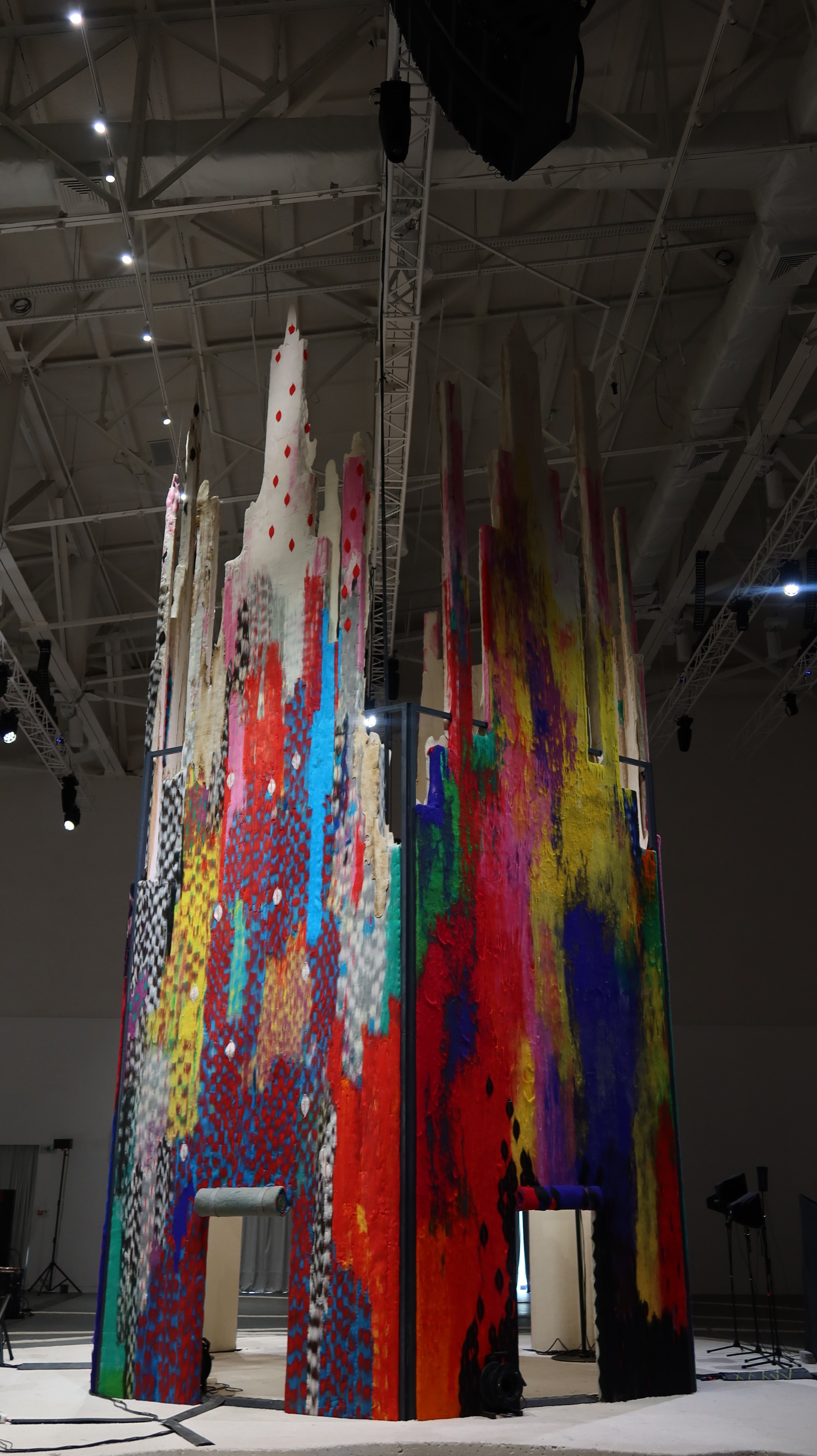
Performance Barsakelmes, created by artist Gulnur Mukazhanova with the help of several dozen assistants over the course of three months. For the first time in her career, Mukazhanova fully entrusted the process to a team, and she described the experience as deeply rewarding.
The work is dedicated to the disappearance of the Aral Sea. Its name, Barsakelmes, translates as “If one goes there, one won’t return.”
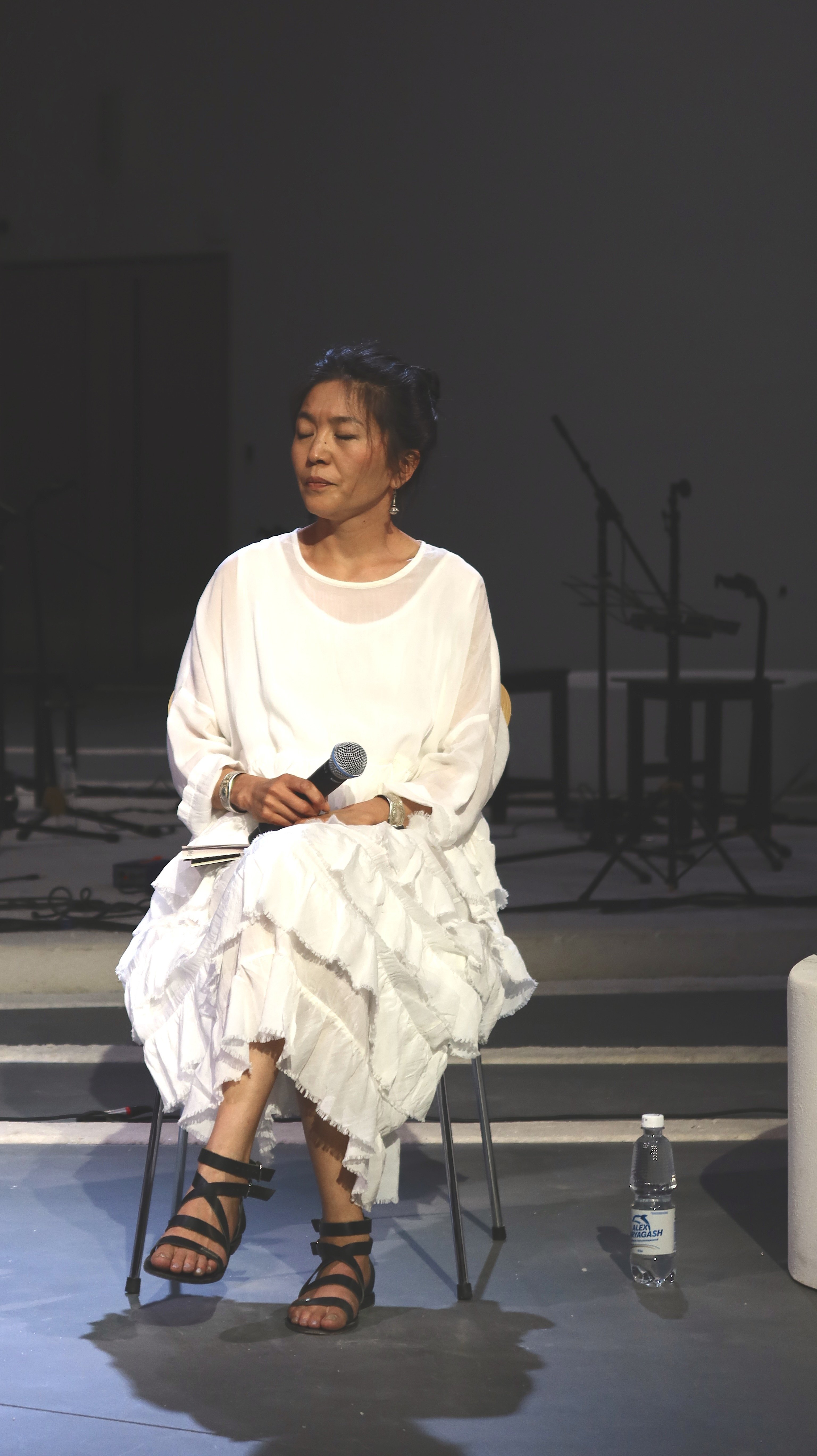
It’s a surge of emotions when we speak about tragedy. But it also reflects our present time, everything happening in society today. What we experience cannot be quiet or monotonous. The bright colors here are a kind of hope — hope for the good, for the best, for something new. And in essence, this hope is what we ourselves create. Working with felt is a tribute to Kazakh heritage and tradition,the artist explained.
Details of the piece included stripes of salt at the base of the structure — at once a reminder of the Aral Sea’s fate and a symbol of inclusiveness and interconnection.


Owner Kairat Boranbayev emphasized that accessibility was central to the reconstruction:
During construction, we completely removed barriers. This was very important for us. When we discussed it with Asif Khan, he supported the idea, and we raised the entrance by one and a half meters. That way, we ensured access for people with disabilities and other limitations. For us, this was a matter of principle, because when we initially carried out research related to the reconstruction, I was surprised to learn that in the Soviet Union people with disabilities essentially ‘did not exist,’ so buildings were always designed with staircases. I am very glad that Asif supported us.
How Red Caviar Drew Boranbayev to Art
During the opening, one journalist asked Boranbayev a personal question: when did he first fall in love with contemporary art, and was there a turning point?
He recalled his student years:
My interest in art began when I was a student. My father’s younger brother was an honored artist of Kazakhstan and held an important post in the theater. When I came to Alma-Ata as a student, I lived with him. Almost every Friday, Saturday, and Sunday, I went to the theater with him. He didn’t lecture me, he just said: ‘If you have time, listen to what’s happening on stage.’ I was lucky: I saw all the backstage life. I went with him through the service entrance. And I was a student—like all students, always hungry. So I was always the first to run off, to catch the chance to eat red caviar. That was the first time in my life I ate red caviar. Maybe that family memory stayed with me. Of course, in the 1990s, life was different — we thought about how to survive, how to do business. But over time, you come to understand there are other important things. I knew many artists, including musicians, and at some point I asked myself: why not create something that could bring all these people together in one place?
Tselinny Is Not About Fashion
Kairat Boranbayev has been clear about his vision for the art space.
“We believe we have created a venue for events that are not necessarily tied to exhibitions or anything of that kind. The idea is for people to come here not because it’s fashionable, but consciously — to see and feel the changes taking place within each of us. It’s a very philosophical question,” Boranbayev said.
As is customary, he avoids discussing finances.
“Honestly, I am not interested in talking about money,” he said modestly.
The project was fully funded by Boranbayev. Admission tickets alone will not cover the costs anytime soon, but the venue also has a café, which the businessman encourages everyone to visit.
Tselinny functions without a rigid hierarchy. Artists are not approached with demands, and shareholders exert no pressure. Instead, the space is meant to breathe with the ideas of both Kazakhstani and international creators.
Much has been said about the lack of education in this area: art as a commercial industry in Kazakhstan is only beginning to develop. People still need to learn how to support it. The founders hope Tselinny can become a place for that — a potential cultural jewel of Almaty.
For now, the art space is opening cautiously, operating only a few days a week, with plans to expand gradually.
Upcoming Program
The installation Barsakelmes will remain on view until December 7. In mid-December, a long-awaited film program will begin, featuring stories about Tselinny itself, screenings of landmark films, and retrospectives of popular titles from its early years as a cinema. A new exhibition is planned for January.
In addition to the open press preview, Tselinny also hosted a private event. Among the invited guests was Dariga Nazarbayeva.
Original Author: Alexandra Mokhireva
Latest news
- Malaysian Automaker Proton Eyes Kazakhstan Production With Allur
- A Russian Teen Who Crossed Into Kazakhstan on Foot Wins Appeal Against Expulsion
- Regional Revenues, Global Instability, And The Referendum: What Tokayev Told Deputies
- Digitalization Of Customs Or New Barriers? What Entrepreneurs Fear In Kazakhstan’s New KEDEN System
- Astana Could Become An International Aviation Leasing Hub
- Kazakhstan’s First Tagged Eurasian Black Vulture Found Dead in India
- Kazakhstan Replaces Russian Turbines With Chinese Equipment for Ekibastuz Power Plant No. 2
- How Kazakhstan, Uzbekistan, And Azerbaijan Will Export Electricity To Europe
- Kazakhstan Explains How Russians Who Fled Mobilization Can Be Deported
- Kazakhstan and Japan discuss hydrogen partnership with export potential
- Russia Thanks Tokayev for Initiative to Support Russian Language
- Almaty Could Restrict Cars Under Beijing-Style Anti-Smog Plan
- Tigers in Kazakhstan Are in No Rush to Breed
- What Changes Are Being Prepared Under the New Tax Code
- Alcohol and Tobacco Prices in Kazakhstan See Sharpest Monthly Rise in 15 Years — Analysts
- Middle East Conflict Will Not Lead to Higher Gasoline Prices in Kazakhstan — Minister
- Five Regions of Kazakhstan Face Higher Flood Risk This Spring
- Kazakhstan Ratifies Turkic States Civil Protection Deal
- Astana Enters Top 100 Safest Cities as Smart City Project Expands
- Almaty Cameras to Record New Driver Violations Starting March 12
