

Tenge and Ruble: Currency Twins?
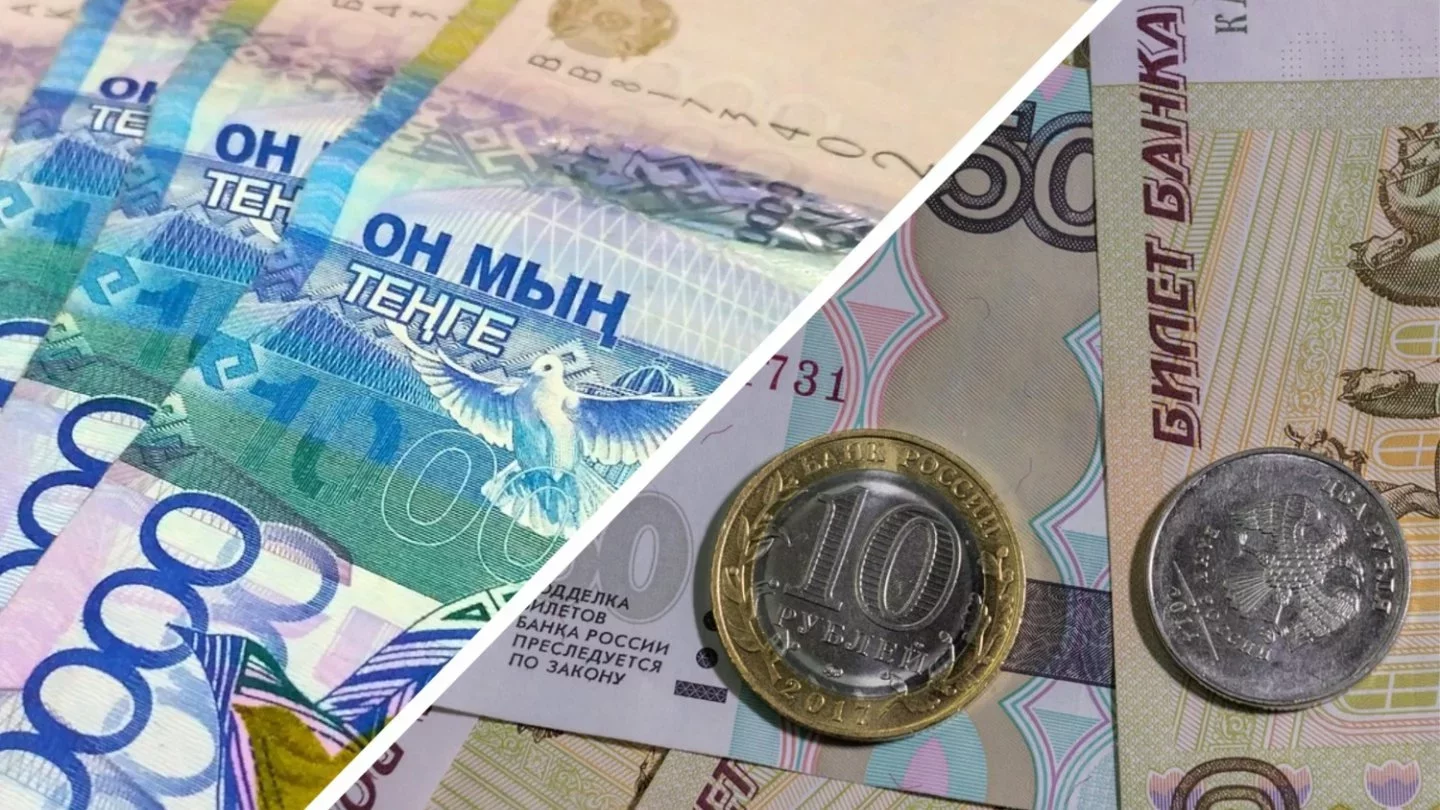 Photo: Pixabay, illustrative purposes
Kazakhstan’s Vice Minister of National Economy, Arman Kasenov, has explained why the tenge often mirrors the ruble’s movements against the dollar. According to him, this connection has persisted for over twenty years, Orda.kz reports.
The key reason lies in the structural similarities between the economies of Kazakhstan and Russia.
Both countries have significant mining industries, each contributing about 9–10% to GDP.
Additionally, their exports are heavily reliant on oil, making both currencies sensitive to global oil price fluctuations.
Our currency reacts similarly to the Russian ruble because our export structures are nearly identical. Exports and imports primarily influence exchange rates, and since we depend on the same factors — especially oil prices — the tenge tends to strengthen or weaken in sync with the ruble, Kasenov explained.
Another contributing factor is inflation. The Vice Minister noted that Kazakhstan and Russia have roughly the same inflation rates, which helps maintain relative parity between their currencies.
In Türkiye, inflation is much higher, while in Japan, it’s significantly lower. But in Russia and Kazakhstan, inflation levels are similar, which supports the stability of our currencies in relation to each other,he added.
However, beyond macroeconomic factors, market expectations play a crucial role. Kasenov pointed out that exchange rates are not driven by economics alone but also by public sentiment.
For instance, when the ruble weakens, many in Kazakhstan anticipate a similar drop in the tenge, which increases demand for U.S. dollars.
He cited an example from late November 2024, when the Russian ruble depreciated to 120 per dollar. Expecting a parallel decline in the tenge, Kazakhstanis rushed to buy dollars.
When the ruble fell, Kazakhs started purchasing U.S. dollars en masse, multiplying the ruble’s exchange rate by five and bracing for a similar tenge devaluation. As a result, dollar demand in Kazakhstan soared past a billion dollars in just two days — far exceeding the usual daily trading volume of 150–200 million. This surge in demand inevitably pushed the dollar’s price up, he explained.
Original Author: Zhadra Zhulmukhametova
Latest news
- Damaged Baikonur Launch Pad Facility Restored After 2025 Collapse
- A Rare Black Melanist Wolf Was Shot in Eastern Kazakhstan
- Kazakhstan Maintains Neutral Stance on Middle East Escalation
- Kazakh MFA: Citizens Evacuated from the Middle East via Oman and Saudi Arabia
- Kazakhstan to Spend 4.6 Trillion Tenge on Road Projects Through 2029
- Central Asia Competes for the Skies: Why Kazakhstan Risks Falling Behind Uzbekistan on Jet Fuel
- The War in Iran Opens a Window of Opportunity for Kazakhstan’s Oil Sector, Analysts Say
- Iran Conflict Escalates Beyond the Gulf: What Kazakh Experts Say About Risks for Central Asia and Kazakhstan
- Kazakhstan Prepares Possible Evacuation of Its Citizens From Iran
- LRT in Astana Is Reaching the Finish Line: The Launch Is Expected in the Coming Months
- Kazakhstan Ready to Help the UAE Amid Escalation in the Region
- Tokayev Discusses Middle East Escalation With Qatar’s Emir
- Airlines Ready to Bring Kazakhstanis Home From the Middle East
- Tokayev Sends Support Messages to Gulf Leaders Amid Regional Escalation
- Kazakhstan Bans Its Airlines From Flying Over Several Middle East Countries
- Astana Strengthens Security Measures Amid Escalation Around Iran
- Tokayev Meets U.S. Ambassador Stufft, Discusses Board of Peace Cooperation
- Mangystau Launches AI-Assisted School Monitoring to Prevent Teen Suicidal Behavior
- Kazakhstan to Supply UK With Critical Minerals
- AI Faculties for Educators to Open in Kazakhstan: What Other Changes Are Coming to the Education Sector
