

Putin: Gas Pricing for Power of Siberia-2 Will Follow European Formula, Experts Say China Holds Stronger Position
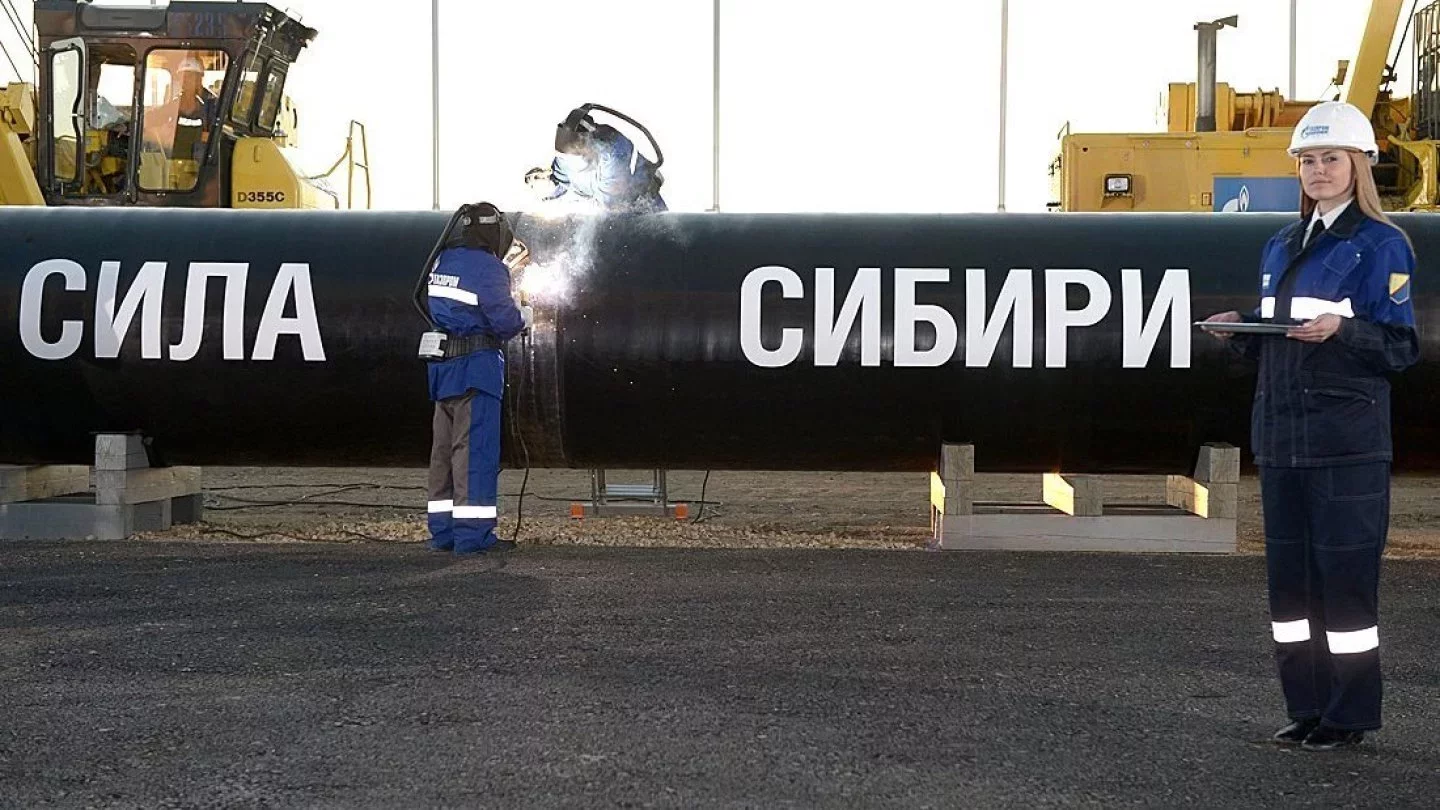 Photo: Kremlin.ru
Russia plans to apply the same pricing formula used for European gas deliveries exported via the future Power of Siberia-2 pipeline to China through Mongolia, President Vladimir Putin said during the Eastern Economic Forum in Vladivostok, Orda.kz reports, citing Interfax.
The mechanism is identical. What differs are the underlying price indicators for energy products in different regions. In Europe they are one level, in Asia another. But the way the final gas price is calculated remains fully market-based, Putin explained.
On September 2, Gazprom and China’s CNPC signed a memorandum to move forward with Power of Siberia-2 as well as the Soyuz-Vostok transit line through Mongolia.
Russian Energy Minister Sergey Tsivilyov later noted that the project is still undergoing a preliminary feasibility study, adding that clearer timelines may emerge next year.
Energy economist Tatiana Lanshina told The Insider that Beijing will ultimately set the terms:
China doesn’t really have an immediate demand for extra gas, and a memorandum won’t change that. Beijing holds the stronger position in talks, with the ability to select among suppliers and dictate price and conditions. It has no intention of becoming dependent on Russian energy. Russia, on the other hand, has little room to maneuver. Until that changes, prices for Chinese deliveries will be much lower than what Europe used to pay — and by 2027, European purchases are scheduled to stop altogether.
She added that the second pipeline is designed to redirect flows currently going westward:
Power of Siberia-1 draws from Eastern Siberian fields located near China’s border. The second line would tap Western Siberian reserves that historically supplied Europe. Running the route through Mongolia is the most direct option, and the terrain makes it more practical as well.
Following the initial announcement, experts cautioned that Moscow’s announcement was premature — it outlines intentions rather than a final commitment.
As noted by Viktor Gao and Alexander Gabuev, a memorandum lacking these details can’t be considered a completed deal, according to The Financial Times.
Latest news
- Kazakhstan Seeks Solutions to Ease Pressure on Uzbek Terminals Amid Export Surge
- Georgia’s Security Service Says No Evidence of “Kamit” After BBC Report
- Kadyrov Confirms Drone Damage to Grozny City
- Russia Temporarily Blocks Kazakhstan's Grain Transit, Threatening Flax Exports to Europe
- Assets of Businessman Dulat Kozhamzharov Seized Following Halyk Bank Claim
- Georgian Opposition Calls December 6 March Over Alleged Use of Chemicals at 2024 Protests
- Severe Smog Covers Oskemen
- Fire and Structural Damage Reported at Grozny City Tower Amid Drone Threat
- Pashinyan Says Foreign Influence Networks Exposed
- Kazakhstan-Based Lukoil Assets Could End Up in Hungarian Hands
- Strong Tenge Pushes Some Banks to Temporarily Stop Issuing Dollars
- Investigation Links Baimsky Project to Nazarbayev's "Wallet," Vladimir Kim
- Three Kazakhstani Nationals Arrested in Georgia Over Alleged 10,000-Ton Oil Theft
- Turkistan Region Contract for 100 Million Tenge Video Project Triggers Scrutiny
- Gennady Golovkin Becomes First Kazakhstani Honored by the International Boxing Hall of Fame
- Former Majilis Deputy Says She Was Stripped of Mandate After Criticizing Authorities
- Mangystau Authorities Investigate Death of Worker Who Fell Into Elevator Shaft
- Golovkin at World Boxing: How Kazakhstan and Saudi Arabia Are Building a New Power Structure in Boxing
- Taraz: Sentences Extended for Defendants in Group Sexual Assault Case
- Taliban Carry Out Public Qisas Execution After Teenager’s Family Killing
