

Kazakhstan: Ruble Strengthens Amid Cash Surplus But Non-Cash Shortage — Economist Warns of Liquidity Split
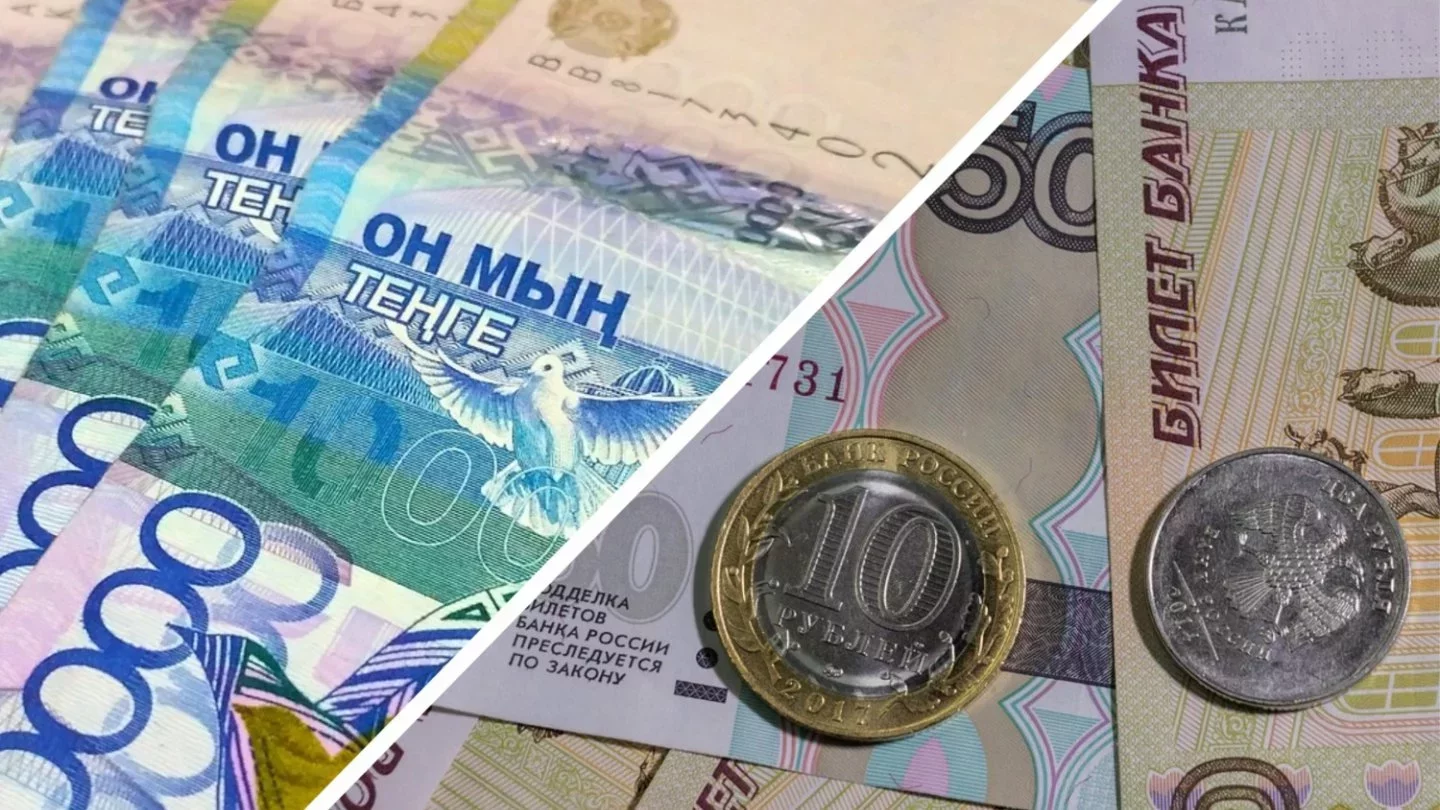 Photo: Pixabay, illustrative purposes
Kazakhstan has an unusual currency imbalance: rubles are abundant in cash form, but almost unavailable electronically — a situation that is now pushing the Russian ruble upward on the exchange, Orda.kz reports.
Economist Yeldar Shamsutdinov notes that despite households and small traders actively circulating cash rubles, the exchange rate continues to grow, exceeding 6.6 tenge per ruble. He calls this a result of a “crisis of heterogeneous liquidity,” where the supply of banknotes does not translate into the supply of non-cash currency.
In October, exchange offices sold far fewer rubles than they bought. Net sales plummeted to minus 32 billion tenge. Nevertheless, the exchange rate didn't decline; on the contrary, it remained at its highs,
Shamsutdinov wrote on Telegram.
The core driver is what the economist describes as an import trap. Kazakhstan remains heavily dependent on Russian goods — including food, electricity, machinery, and equipment — meaning importers must purchase non-cash rubles to settle contracts regardless of exchange rate pressure.
Cash rubles circulating among foreign visitors or workers and shadow importers do not enter the official market due to compliance limits and a lack of banking conversion channels.
Shamsutdinov notes that this makes importer demand inelastic, allowing the ruble to rise even under the National Bank’s record-high 18% interest rate. Cross-rate dynamics add to the pressure — when the tenge weakens against the dollar, the ruble strengthens automatically as a result.
Kazakhstan now finds itself with both a surplus of cash rubles and a sharp deficit of non-cash rubles, keeping the rate elevated for the foreseeable future.
For context, Kazakhstan’s budget deficit has reached 5.8 trillion tenge this year, prompting the government to borrow 6.5 trillion. External debt has climbed to a record $172.8 billion.
Original Author: Ruslan Loginov
Latest news
- Ministry of Health Reveals Leading Causes of Death Among Kazakhstanis
- Smell of Feces and Flooded Offices: The Conditions KTZ Employees Work In
- “We Are Less Prone to Corruption”: NSDP Members Discuss Women in Power and “Men’s Clubs”
- Auditors Reveal How Officials Diverted Tens of Billions of Tenge in Kostanay Region
- Kazakhstanis Cool on Dollar Despite Favorable Exchange Rate
- EAEU Looks to Speed Up Transportation Using AI
- Astana Resident Who Posted Story About Harassment in Army on Social Media Detained
- National Bank Allows Use of Old 10,000‑Tenge Bills Until 2027
- Parliament Adopts Law on Special Status of City of Alatau
- From Electric to Hybrid: Kazakhstan’s Changing Auto Market
- Kazakhstan Proposes Changes to Structure of Pension Contributions
- Three New Hydroelectric Power Plants to Be Built in Kazakhstan
- Life Up to 77 Years: New Healthcare Strategy Presented in Kazakhstan
- Kinopark Demanded "Entry Fees" for Film Distribution in Kazakhstan
- Could Kazpost Be Closed in Kazakhstan's Villages? Prime Minister Responds to Deputies' Concerns
- Kazakhstan Seeks to Introduce Compulsory Employment for IDPs and Kandas
- Residents of Almaty Demand Return of Baum Grove to Specially Protected Natural Area Status
- A Drone Again? Object Similar to UAV Found in Western Kazakhstan
- Problems of the Caspian Sea and Projects Worth Billions of Dollars – What Bektenov and Mishustin Discussed in Astana
- Senate Ratifies Protocol to Simplify Alimony Collection Abroad
