

Kazakhstan Revives Wheat Exports to Non-Traditional Markets
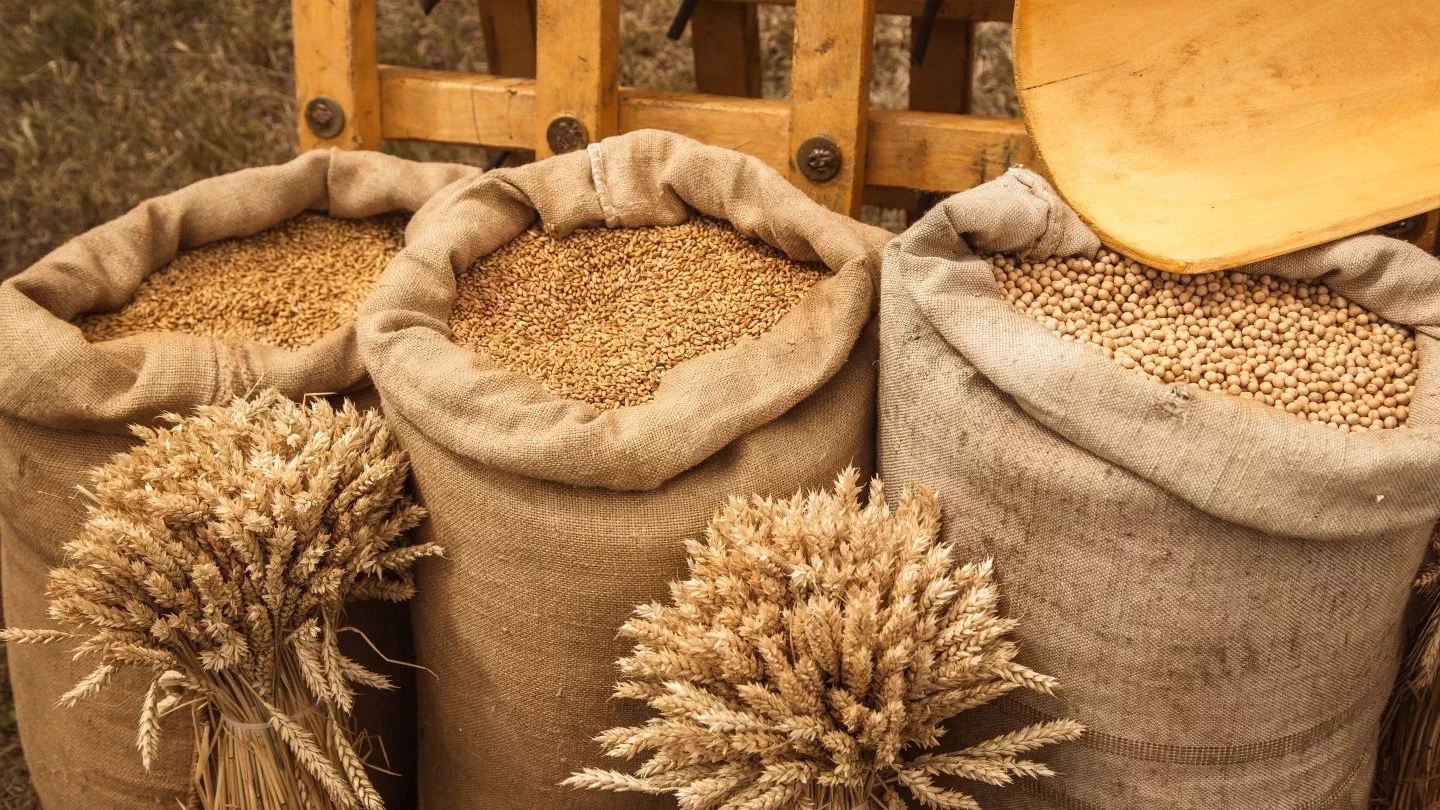 Photo: Elements.envato.com, ill. purposes
Kazakhstan has resumed wheat shipments to destinations for the first time in 15 years. The first installment of compensation for transportation costs from the promised 40 billion tenge has already been allocated from the government reserve, Orda.kz reports.
In 2024, farmers faced the challenge of producing grain and finding buyers at acceptable prices.
On March 3, the government announced new subsidies for exporters to help move surplus grain. This week, the first five billion tenge was allocated for compensation.
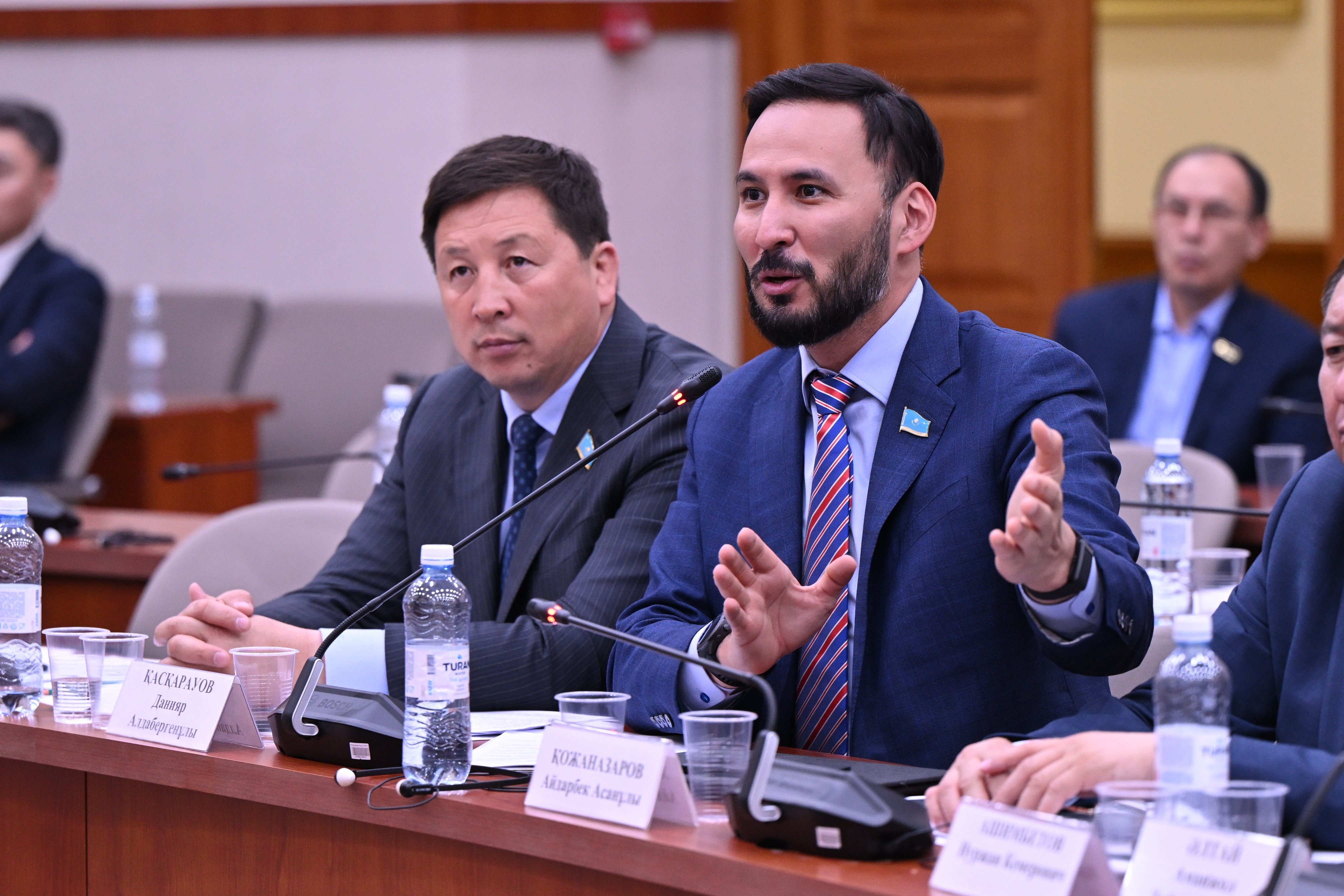
Majilis deputy Aidarbek Khodzhanazarov, a member of the Committee on Agrarian Issues, commented:
In the last two years alone, logistics costs have increased by 30–40%, and without compensation, our producers risked losing their positions in key export destinations. Therefore, it is important that Prime Minister Olzhas Bektenov does not postpone, but launches real support mechanisms.
Subsidies for grain transportation abroad took effect on January 1, 2025.
However, the rules were only finalized on March 3, when the Ministry of Agriculture signed an order to pay up to 20,000 tenge per ton of wheat exported outside Central Asia, targeting non-traditional markets such as North Africa and the Middle East, including Egypt, Morocco, Algeria, Tunisia, Saudi Arabia, and others.
The first shipments of Kazakhstan's soft wheat had already been sent to Norway and Morocco, and contracts had been signed with the UK and Scotland. Negotiations are underway to enter additional markets in the UAE, Nigeria, Senegal, Côte d'Ivoire, and Sudan.
I would like to note that Kazakhstan's soft wheat has not been supplied to these countries for over 15 years. We are developing new export directions — this is a breakthrough not only in logistics, but also in foreign economic strategy,
added Khodjanazarov.
The subsidies cover both rail and sea transport. Over 200,000 tons of grain — including wheat, barley, and other crops — have already been exported. According to the Ministry of Agriculture, applications for compensation have surpassed nine billion tenge, demonstrating strong interest from farmers.
Previously, authorities announced a comprehensive support package for the grain sector: of the total 40 billion tenge, funds will also go toward spring fieldwork, unloading elevators, and improving the competitiveness of Kazakhstan's grain in global markets.
It appears that Kazakhstan's wheat is again making its presence felt internationally.
At the same time, this Ministry of Agriculture order has raised concerns among the country’s flour millers, who fear there may soon be no flour left for export.
Original Author: Alina Pak
Latest news
- Nauryz Celebrations In Almaty To Last Nearly 10 Days
- Kazakhstanis Were Fined for Online Polls on the New Constitution
- 217 New Schools Built In Kazakhstan Over Three Years
- Erbol Khamitov Brings Kazakhstan Gold At The 2026 Paralympics
- Why Are Kazakhstanis Leaving Southern Regions In Large Numbers?
- Tokayev Criticizes Banks For Delaying QR Payments
- Kazakhstan Launches New Preferential Loans For Livestock Breeders
- Rare New Guinea Monitor Lizards Arrive At Almaty Zoo
- Malaysian Automaker Proton Eyes Kazakhstan Production With Allur
- A Russian Teen Who Crossed Into Kazakhstan on Foot Wins Appeal Against Expulsion
- Regional Revenues, Global Instability, And The Referendum: What Tokayev Told Deputies
- Digitalization Of Customs Or New Barriers? What Entrepreneurs Fear In Kazakhstan’s New KEDEN System
- Astana Could Become An International Aviation Leasing Hub
- Kazakhstan’s First Tagged Eurasian Black Vulture Found Dead in India
- Kazakhstan Replaces Russian Turbines With Chinese Equipment for Ekibastuz Power Plant No. 2
- How Kazakhstan, Uzbekistan, And Azerbaijan Will Export Electricity To Europe
- Kazakhstan Explains How Russians Who Fled Mobilization Can Be Deported
- Kazakhstan and Japan discuss hydrogen partnership with export potential
- Russia Thanks Tokayev for Initiative to Support Russian Language
- Almaty Could Restrict Cars Under Beijing-Style Anti-Smog Plan
