

Kazakhstan Is Losing Big Export Revenues: Why Railcars Are Stuck at Chinese Border
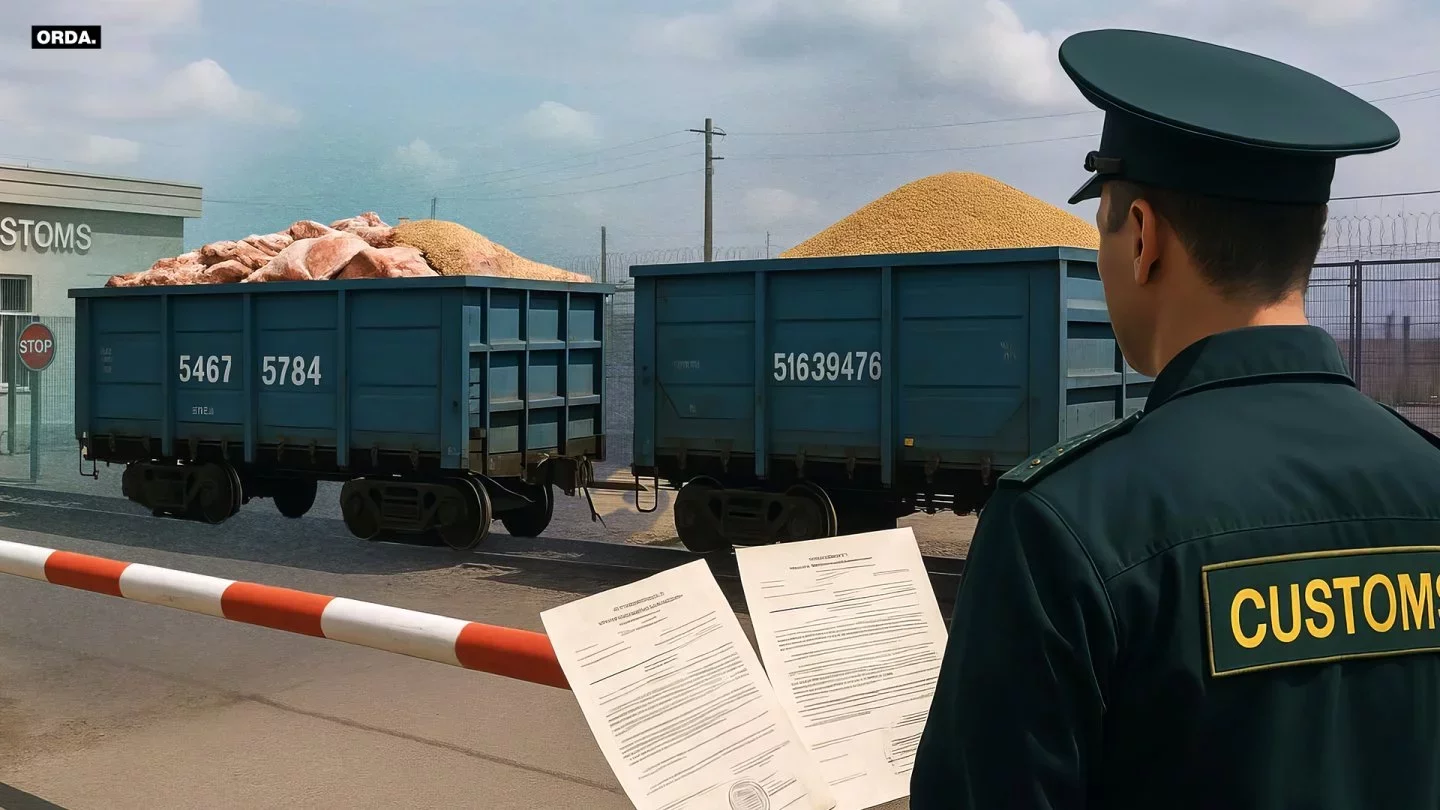 Photo: Orda.kz
On paper, Kazakhstan’s agricultural exports are booming: animal feed heads to China, and meat is shipped to Russia and neighboring countries. But in reality, wagons are idling at the border, contracts are falling through, and millions of tenge are at risk.
Exporters warn that the whole system could grind to a halt — all because of a shortage of veterinary certificates. So why are domestic goods stuck at the border, and who is to blame?
Orda.kz spoke with Vice Minister of Agriculture Azat Sultanov to find out.
Skyrocketing Exports, Stalled Deliveries
From September 2024 to February 2025, Kazakhstan shipped 748,000 tons of animal feed to China by rail, up nearly fivefold from the same period a year earlier. Demand from China is surging, and Kazakhstan has the supply.
But at the border, that success is meeting unexpected roadblocks.
A key problem is the limited availability of veterinary certificates — official documents proving the safety of goods, required for customs clearance. Without them, shipments cannot cross, wagons back up, and financial losses mount. One exporter told us about this, contacting the editorial team via Telegram bot:
As for the veterinary certificates in the Almaty region, it turns out they periodically run short. Each region is allocated a certain amount, but because northern shippers often cannot find containers or cannot load them locally, they reroute shipments through the Almaty hub, mainly via the Aksengir and Baiserke stations. All the customs processing happens here, creating an imbalance — the forms are not used in the north as planned but get used up here, driving up demand and causing shortages.
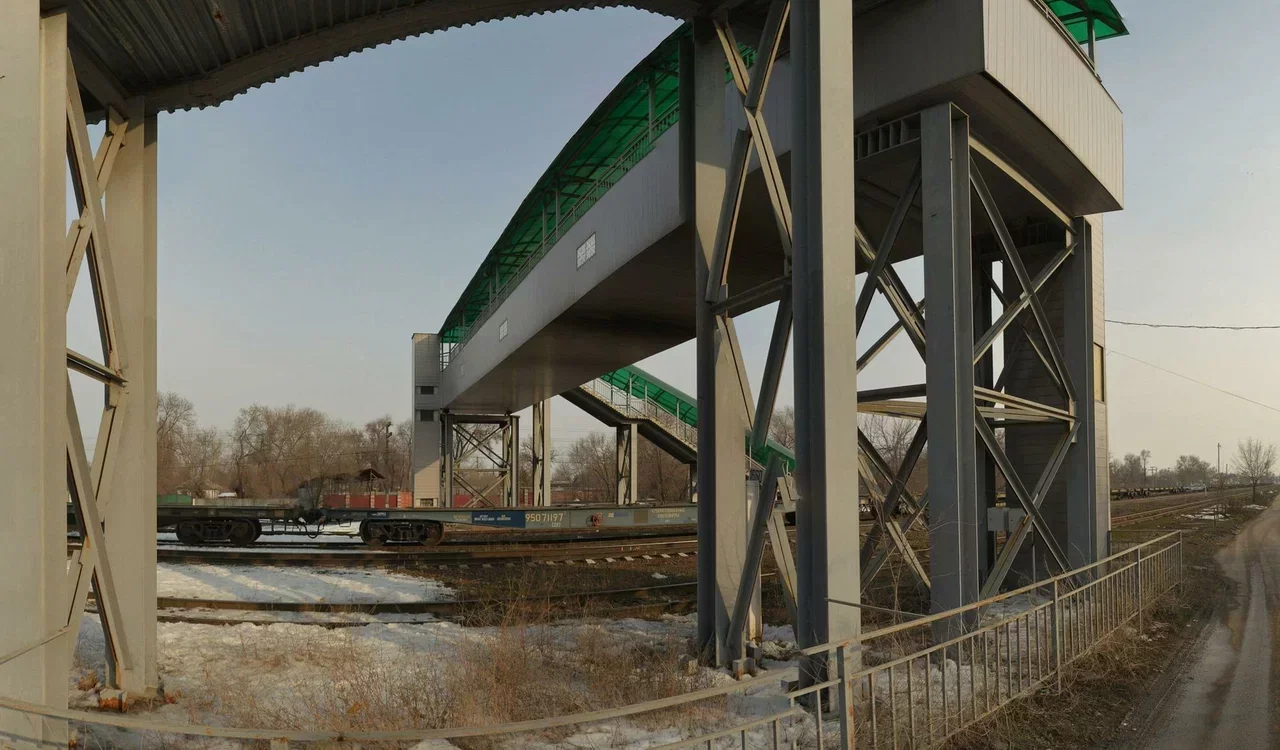
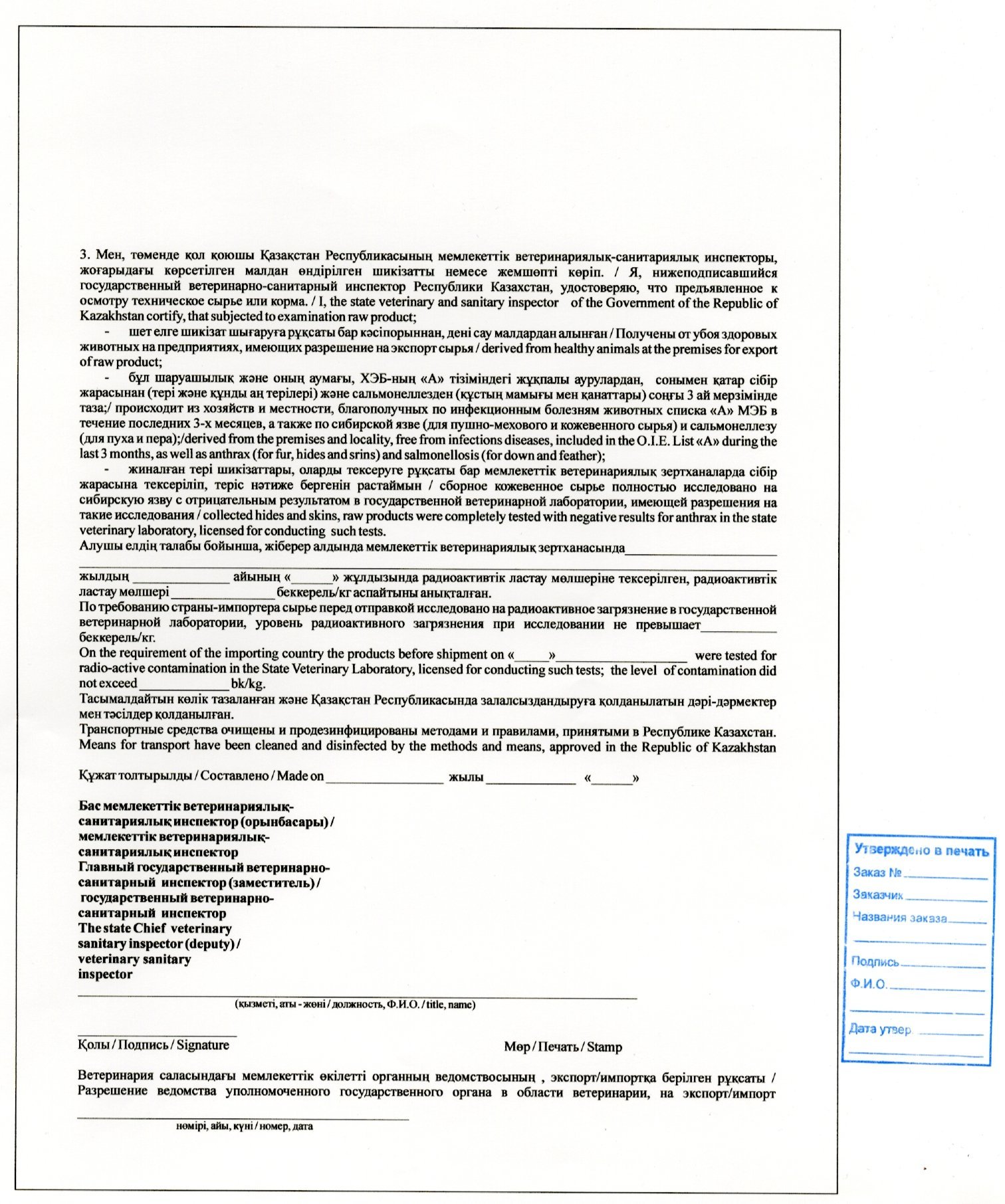
The certificates are no simple paperwork. Issued within four working days and valid only within Kazakhstan, they come with watermarks, special codes, microtext, and security frames, making them highly controlled documents.
A sample of the document is available on the Rosselkhoznadzor website.
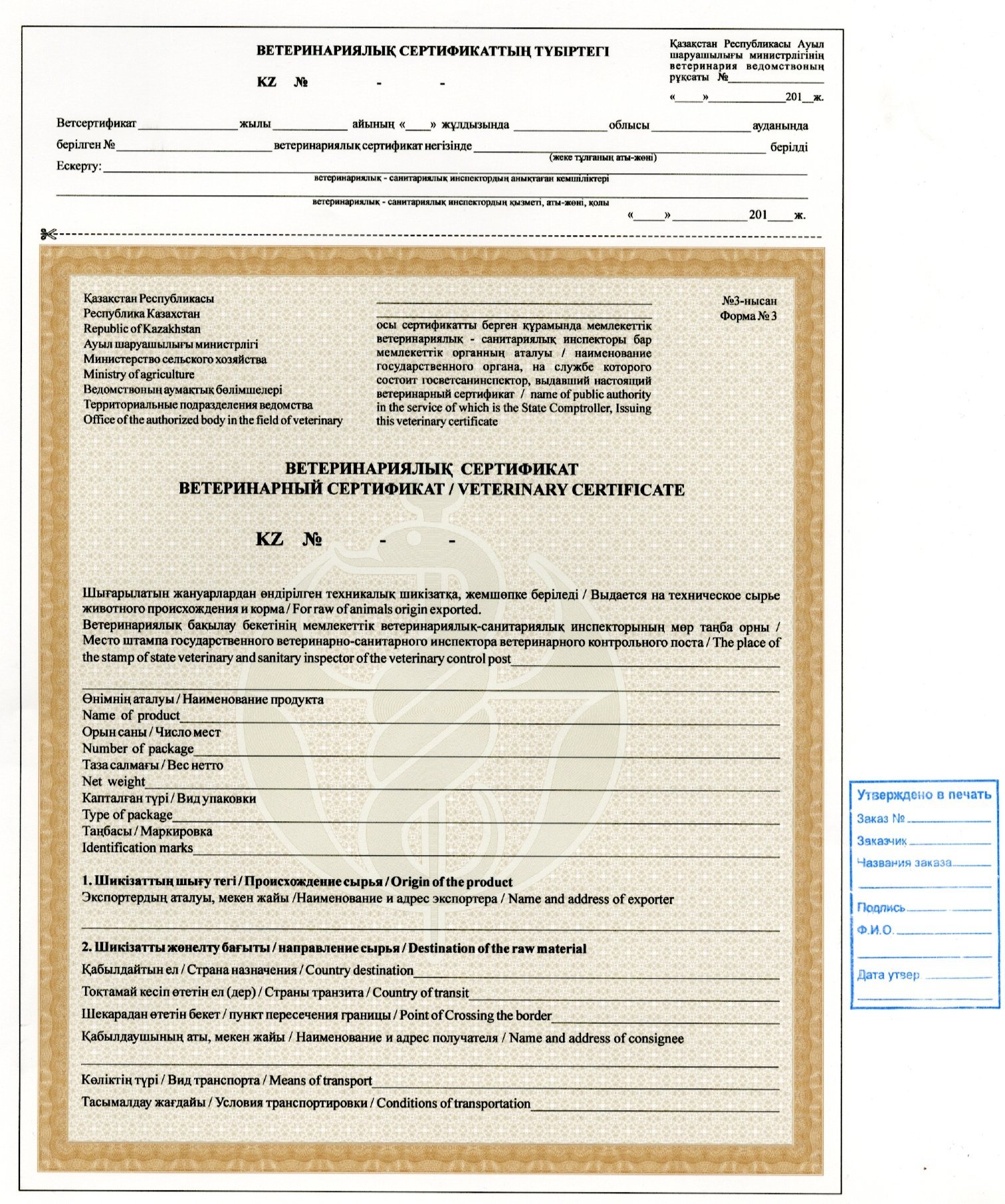
Besides that, the exporter says it is not just paperwork that is slowing things down. The rail system itself is strained. Qazaqstan Temır Joly (QTJ) limits crossings to 10 trains per day at the border, while regional branches each push through up to five trains. That means as many as 70 trains may be ready, but only a handful make it across, leaving products to spoil and deadlines to slip.
QTJ sets certain limits, which means the border’s clogged, and trains cannot get through. They constantly delay plans, hold up the approvals, and set daily processing limits. Each department is allowed to send no more than one or two trains per day.
Why The System Depends on Printed Forms
Orda.kz asked Vice Minister Azat Sultanov why, in the 21st century, the entire system still hinges on paper certificates.
His answer: it is not the veterinary service’s fault — it is about how the forms are produced.
We’re aware of the problem. The issue is no longer about the competence and quality of services (veterinary services - Ed.), the issue is in the forms themselves. These are strict reporting forms, printed at the National Bank’s banknote factory in Almaty. Such a collapse happens when we place orders for these forms. For example, when we request state-standard printed forms, a production queue builds up. Since these are strictly regulated reporting documents, there is a set process for their purchase, production, and storage. As a result, there are times when the forms temporarily run out because they were not printed in time, Sultanov explained.

According to Sultanov, Almaty frequently faces shortages, but the Ministry works around them:
We quickly transfer the missing volumes from other regions. For example, we may have a reserve elsewhere, and we urgently send it by plane to the regions in need. It takes just half a day, and that is how we resolve the issue. The underlying problem is that all the forms are printed in just one place.
Sultanov said that the government is not opposed to decentralizing production, but there is the matter of meeting strict standards.
If there are business structures that can ensure compliance with the conditions for safety, licensing, and security, of course, we will be able to purchase these forms from them on a competitive basis, so there is no problem here. The real question is whether these private firms can obtain a license and meet the National Bank’s requirements.
Switching to electronic veterinary certificates is not an option for Kazakhstan, at least not yet.
That is because importing countries, including China, require high-security paper certificates.
Countries like China offer good export prices but have strict product quality standards. Thus, there are questions of trust in accompanying documents. Since they are the largest importers of agricultural products in the world, they, accordingly, set the terms. One of those is the need to eliminate any risk of counterfeit forms. That is why we ensure that these accompanying documents are provided on highly secure paper, explained Vice Minister of Agriculture Azat Sultanov
Sultanov emphasized that Kazakhstan currently has a high level of trust from its major trading partners, including China, Russia, and Belarus, which accept its agricultural products under the guarantee of Kazakhstan’s veterinary services, without demanding extra testing.
But that trust comes with serious responsibility.
If tomorrow we let through some products that do not meet quality standards or carry health risks, there will be big consequences for us. These products may not be accepted in the future, Sultanov said.
Importantly, the bottleneck is not only on the veterinary side. Transportation issues like congestion, priority shipments, and wagon shortages also contribute to the delays. As Sultanov put it, it is wrong to blame just one side — the key is to create a system where services, logistics, and businesses work together.
Efforts to Unblock the System
The Ministry of Agriculture is actively working to ease the situation:
- Certificate issuance times have been cut to three days
- Inspectors are now stationed at border posts alongside customs officials, allowing parallel inspections and reducing delays and spoilage
- Negotiations are underway with China to launch a “green corridor” — a fast-track system for agricultural goods with guaranteed quality to speed them across the border without long queues
The products will be specially marked and sealed, with stickers placed on the windshield or vehicles themselves to indicate they qualify for the ‘green corridor’ — meaning they meet the standards of our quarantine services and won’t have to wait in line. We’re currently negotiating this arrangement with China,Sultanov explained.
Kazakhstan has also started integrating its systems with Russia’s, which is already being tested in real time. Certificates can now be exchanged electronically through secure channels, eliminating the need for paper duplicates in some cases.
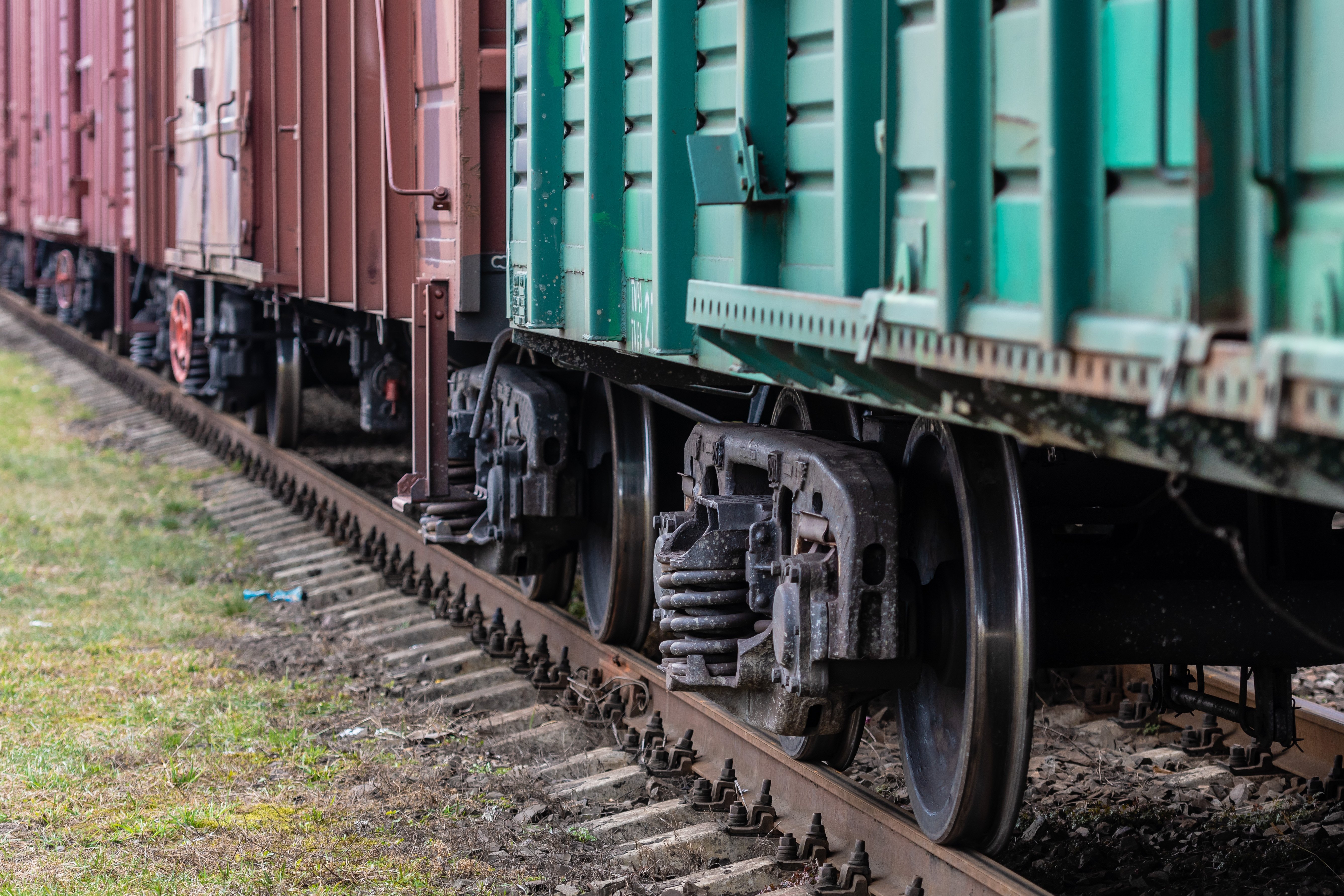
The issue of idle railcars has become a litmus test for the entire export system. Yes, businesses are facing financial losses, and wagons are backed up at border stations.
But, as Sultanov’s comments make clear, the government isn’t ignoring the problem and is actively searching for solutions.
If the green corridor agreement with China is finalized and Kazakhstan expands beyond a single printing facility, exporters will finally have a real chance to move beyond talk and build a stable, profitable export flow. For now, though, the wagons continue to line up at the China border — and the country waits for the paperwork logjam to clear.
Orda.kz will continue to monitor the situation.
Original Author: Alina Pak
Latest news
- Almaty Drivers Offered Free Emissions Checks Without Penalties
- Croatia Will Finance Oil Exploration In Aktobe Region
- Half of Kazakhstanis Earn Less Than $1,000 a Month
- Is The Era Of Easy Extraction Over? Resource Development Is Being Rebuilt In Kazakhstan
- How a Kazakhstani Tried to Change His Ethnicity Through the Courts — and What Came of It
- Economist Names Kazakhstan Regions Lagging in Investment Transparency
- 14-Year-Old In Tesla Tries To Flee Police In Astana
- When a Michelin-Recognized Restaurant Will Open in Almaty, Akimat Says
- Transfers To China From Kazakhstan Fall To Six-Year Low
- Chinese Company To Build $1.2 Billion Steel Plant In Kazakhstan
- Moldova Finally Leaves The CIS And Bets On The EU
- Kazakhstani Scientists Develop Feed From Meat Processing Waste
- Why Large Families Face the Highest Poverty Risk in Kazakhstan
- Kazakhstan Schoolboy First in Central Asia to Receive Google Grant
- Kazakhstan Prosecutor General’s Office Checks Possible Ties Between Officials and Epstein Case
- After Farmers' Complaints, Kazakhstan Changes Potato Trading Rules
- Officials Accused Of Legalizing Thousands Of Migrants For Bribes In Astana
- Almaty Zoo Names Triplet Tiger Cubs
- Only One Loss-Making Bank Remains In Kazakhstan
- Cormorants To Be Shot In Pavlodar Region
