

From Mansions to Factories: Where Do Oligarchs’ and Corrupt Officials’ Assets End Up?
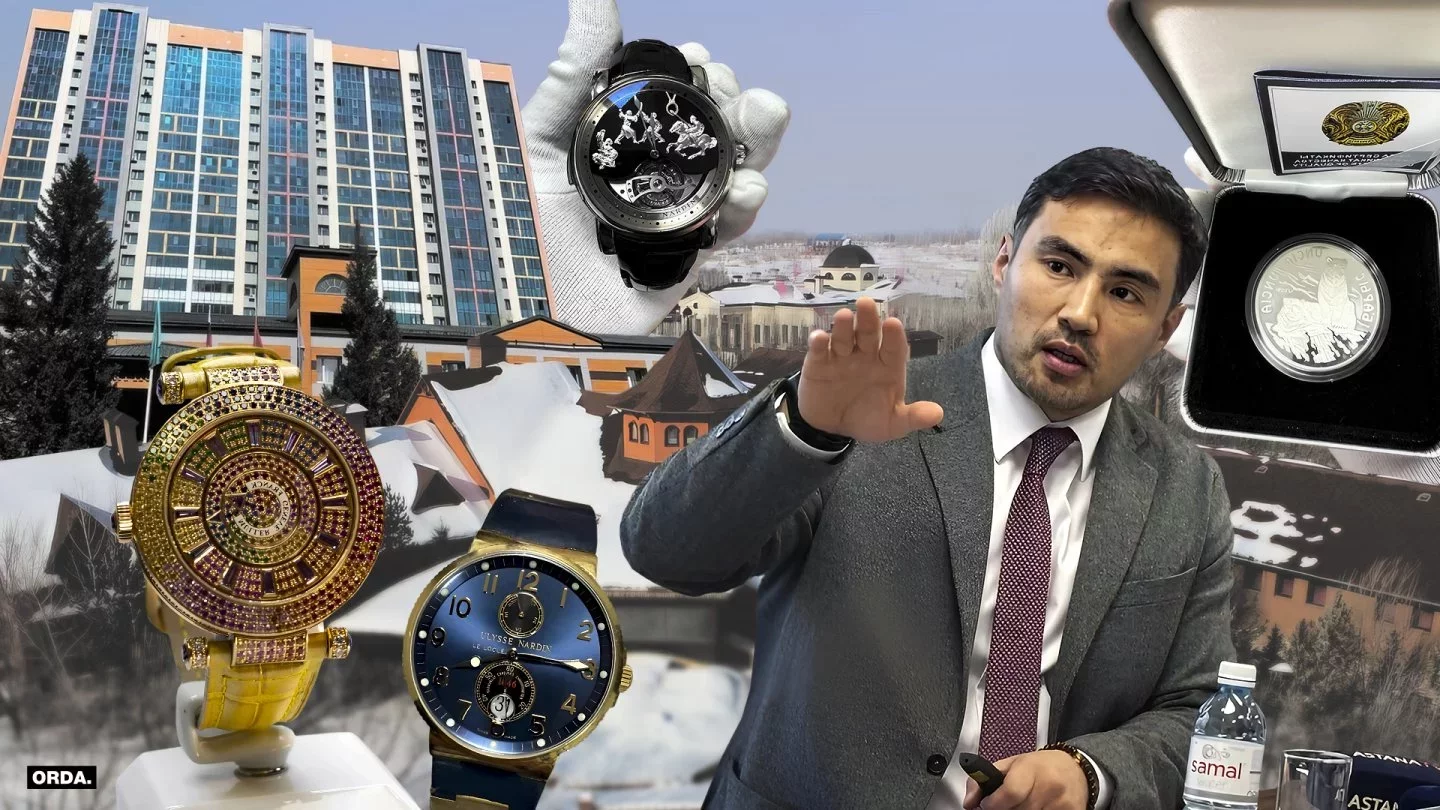 Photo: Orda.kz
Since recovering from the January 2022 events, Kazakhstan has intensified efforts to reclaim illegally acquired assets, primarily from oligarchs and corrupt officials.
Some assets were returned following high-profile investigations, while others were surrendered voluntarily. However, they all end up in the hands of the Recovered Asset Management Company (RAMCO).
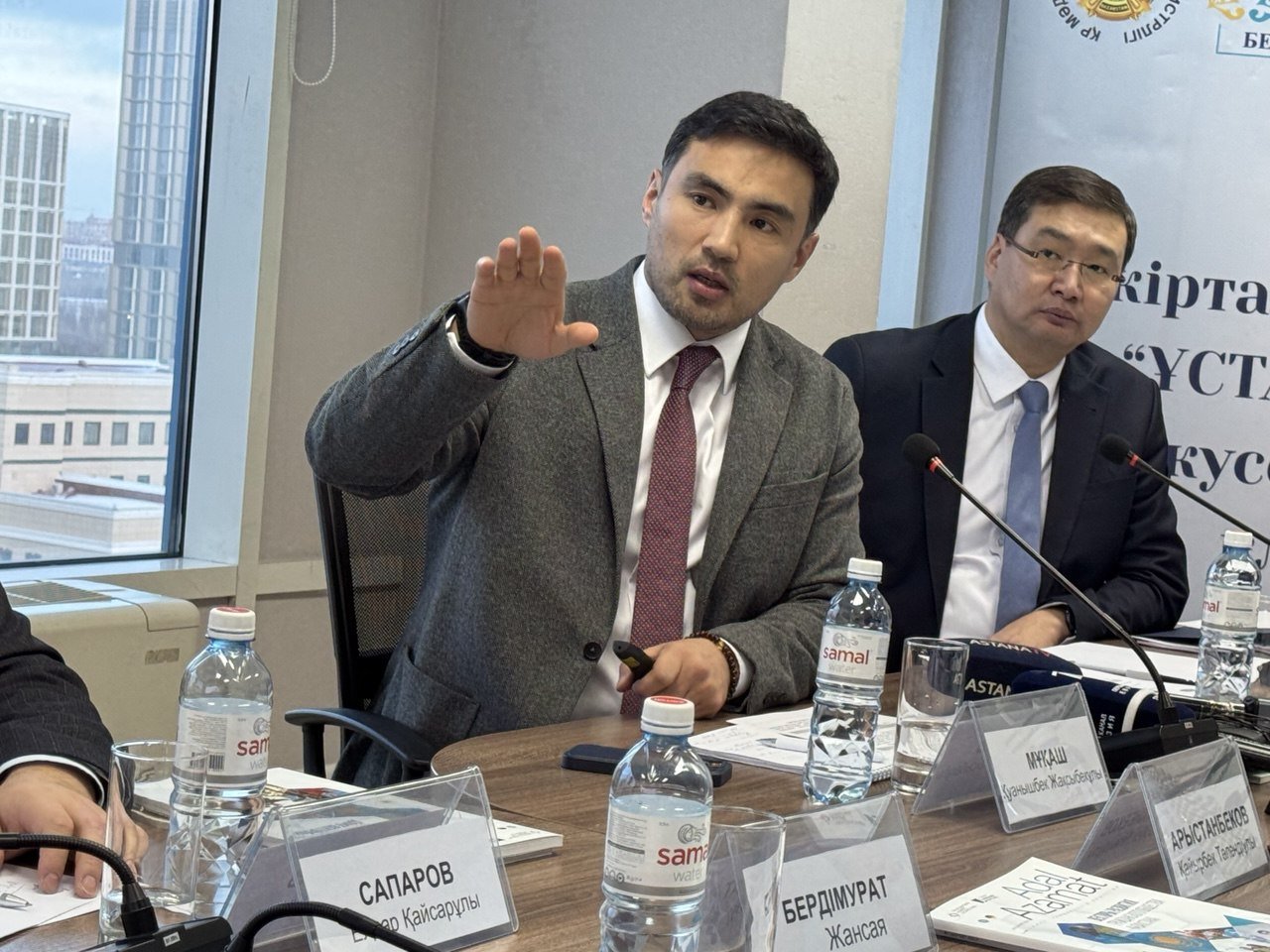
In an interview with Orda.kz, RAMCO director Kuanyshbek Mukash explained how the organization operates, the scale of funds it handles, and the process of selling confiscated properties.
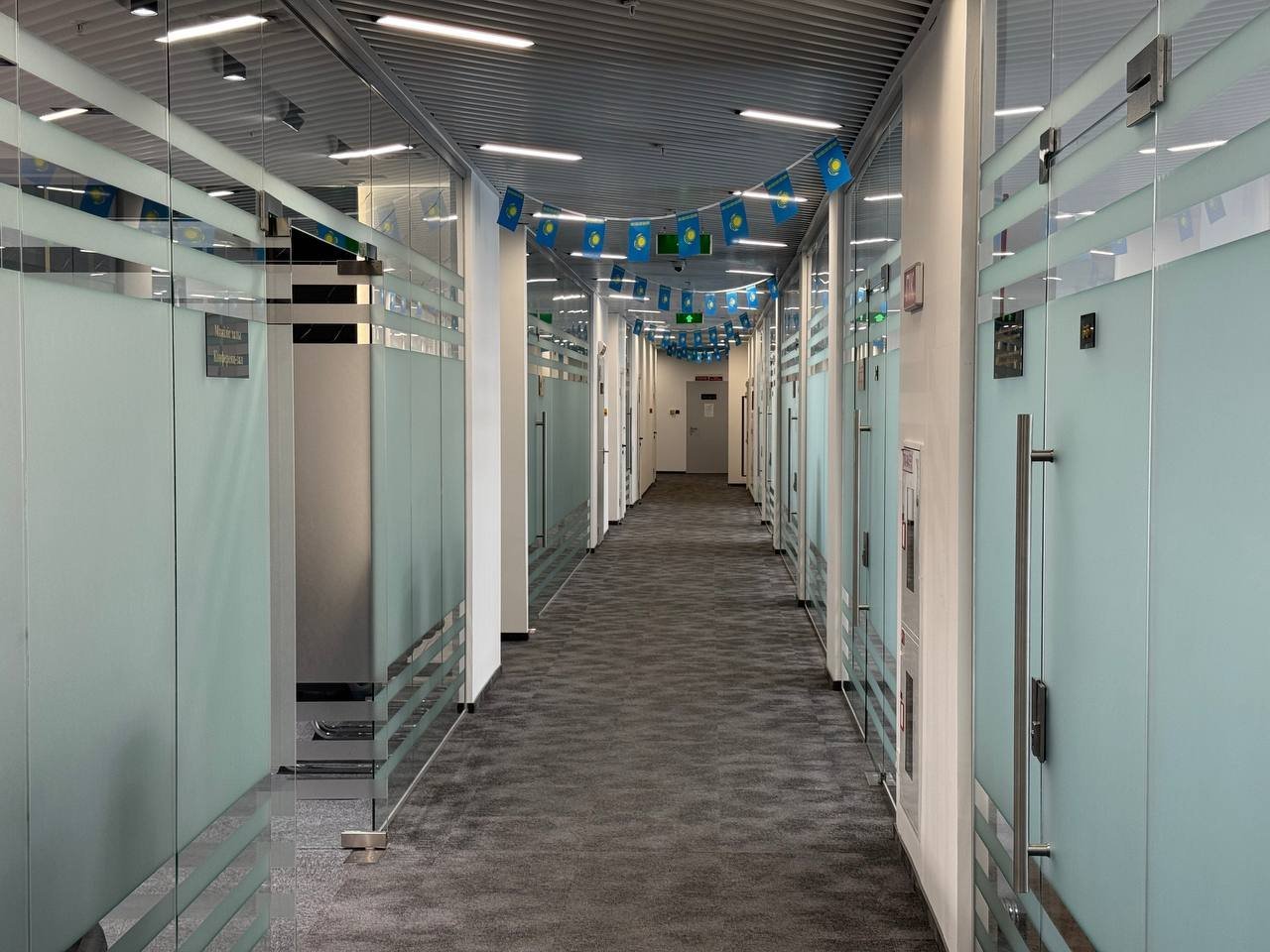
RAMCO’s headquarters is located in a modern business center on the left bank of Astana, surrounded by upscale offices and restaurants.
The office is a confiscated asset itself — once privately owned, it is now repurposed to manage the sale of other seized properties. The building belongs to BI Group, but RAMCO does not pay rent.
Orda: How is the interaction between the RAMCO and you structured now?
RAMCO is key in Kazakhstan’s asset recovery system. The Committee is generally engaged in the search and analysis of all entities subject to inclusion in the register. The register is formed considering that, for example, a person has more than $100 million in assets. This is done in a desk manner; without contact, it is first investigated, and then, if questions arise, the process begins. The results are presented to the commission in front of the Prime Minister. One such case of a recovered asset was the Duman Hotel.
If assets are deemed illegally acquired, authorities push for voluntary return rather than lengthy legal battles, which can harm the involved individuals' reputations. There is no need to punish everyone. The assets must be returned to the state and serve the benefit of the people.
Initiating criminal cases could lead to international litigation, resulting in additional state expenses. If an asset's illegal acquisition is proven, the individual may sign an agreement on voluntary return, allowing our company to accept the asset on behalf of the state.

How does the asset then end up in your hands?
The committee reports that an asset transfer agreement was signed. We meet with the subject to execute the transfer agreement, or if a civil court is involved, we receive the court decision and initiate the asset transfer process.
Do you only receive property or money, too?
The money goes directly to the Special State Fund under the Ministry of Finance. We only receive real estate, land plots, and any material assets. Like, for example, the Duman Hotel. It can take a very long time to sell, but it continues to operate.
The Comfort Hotel was returned before our company appeared, so it was given directly to the Astana Akimat. If I'm not mistaken, it has already been given into trust management for 3.5 billion tenge.
Side note: the Duman Hotel is currently managed by the company. And RAMCO receives income from this. Every quarter, about 100 million tenge goes to the company's accounts. All the money is sent to a special state fund.
If we fail to sell Duman at the current price, then according to our rules, we must put it up for sale with a 15% discount; if that doesn't help, then put it up for sale again with a 30% discount. But in any case, the bidding will be upward.
Side note: RAMCO has completely ruled out the option of reverse auction.

What assets are currently available for auction?
The assets about to be auctioned off are land plots in the Almaty region, each designated for different purposes. We also have two 100% stakes in two energy companies, which we are trying to sell.
These self-sustaining companies generate quarterly dividends of 30–40 million tenge.
Side note: one company is in Almaty, and the second is in the Jetisu region.
There are jewelry items, but they have not been sold yet, likely due to their previous use. Generally, branded items like jewelry and Swiss watches attract interest and will eventually sell. I think potential buyers have read our rules and seem to be waiting for price reductions.

Can the original owners buy back their assets?
– We have not had such cases yet, but there are no restrictions in this regard. If the owner pays for them and the funds go toward building social facilities, then what’s the issue? The key thing is that they pay.
Where do you keep all these valuables?
Jewelry is kept in safe deposit boxes in Astana. I will not name the bank.
What are the main difficulties in selling assets?
There aren’t many challenges, aside from a few nuances — like the E-Qazyna portal being somewhat outdated and primarily used for selling illiquid assets. Buyers there typically aren’t looking for luxury items or high-end real estate.
That’s why we also list our ads on our website and Krisha.kz, and we use targeted advertising to create a sales funnel and attract buyers. The media is also a great help to us. As a result, competition drives up prices — like when a plot of land in Almaty, initially listed at 175 million tenge, ultimately sold for 656 million.
Did you have recovered any cars?
There were no cars in Kazakhstan, but two were in the Emirates. We successfully sold them through local car dealerships. There is no point in bringing such things here. The cost of transportation and payment of customs duties greatly increase the price.
What is the main difficulty in selling assets abroad?
Taxes. To take some assets, you need to re-register them in your name. And this is expensive. In Europe, any notary or legal service is very expensive. In France, a notary takes 7% to certify a purchase and sale agreement. These additional costs must be factored into the final price, which can make selling more difficult.
What is the most expensive thing you have sold abroad?
Two houses in Bodrum and an apartment in Istanbul, Türkiye. We sold it through real estate companies, but it was difficult. After all, the value we set needs to be transferred to the state fund. Therefore, all commissions for transactions and real estate services cannot simply be included in the price. Consequently, we had to look for a long time for clients willing to take on all these costs.
Side note: As of January 31, 2025, RAMCO had 61 assets on its balance sheet. These are mainly real estate, shares in LLPs, land plots, and a pool of jewelry (196 items). The total value of assets is 86.66 billion tenge.
Where is the money from the Special State Fund spent?
The Special State Fund is essentially a treasury control account managed by the State Property Committee under the Ministry of Finance.
It operates outside the budget and is denominated in tenge. Each year, local executive bodies submit requests to the ministry for funding specific projects — such as building a school in a remote area — when the regular budget falls short.
If the request remains pending in the relevant ministry, the Ministry of Finance can step in, recognize the need, and allocate money from the fund.
Side note: Using the money received from asset sales, it was promised to build a 300-seat nursery for children with special needs in Aqtobe, a sports complex in the Almaty region, a boarding school in the Atyrau region, a 300-bed dormitory for an auxiliary boarding school in Shymkent, a hospital complex in the East Kazakhstan region and other facilities.
How many people do you employ?
We employ 57 people. Four departments, three supervising deputies. The Department of Acceptance and Management of Objects accepts assets, studies title documents, registers them and conducts an inventory.
Accepting an asset is also a big task. Recently, a house was transferred to us, and inside this house are more than five thousand interior items: paintings, tables, chairs, porcelain vases, exercise machines, swimming pools, and all that. All this needs to be accepted, sealed, and inventoried. This is our daily work.
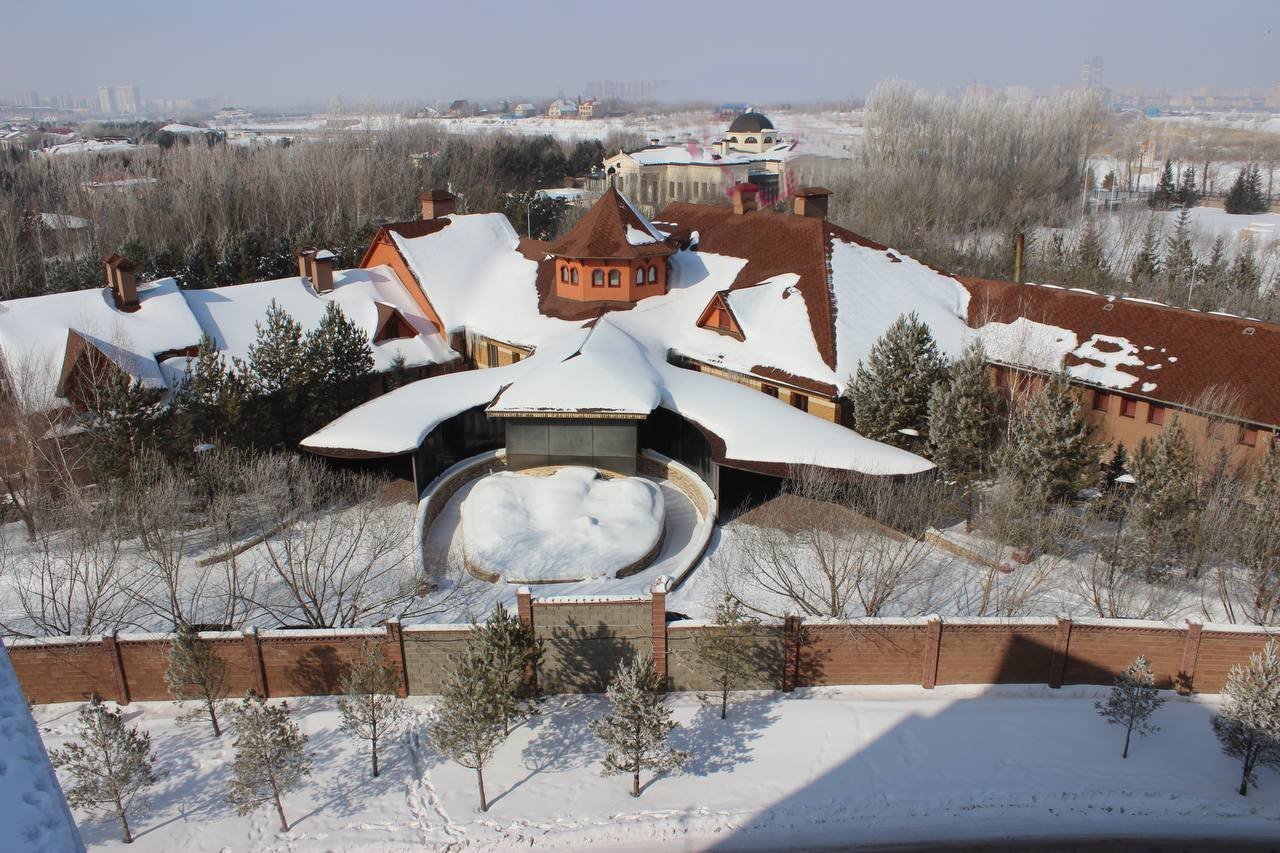
Once an asset, including all its interior inventory, is added to our balance sheet, we prepare it for sale. If it’s an operational facility, we lease it out to generate revenue in the meantime.
Take the business center in Almaty’s Koktem-2 micro district, for example—it was transferred to us along with its tenants. We had to renegotiate lease agreements, take over property management, and handle maintenance and repairs.
Things don’t always run smoothly. When it rains in spring, the roof might leak, pipes need fixing, the sewage system acts up, and we have to manage security and upkeep. All this falls on us.
Why Are Former Owners Kept Anonymous?
Firstly, it can negatively affect the sale. Revealing previous owners—some with criminal ties—could deter buyers from purchasing seized properties.
We should also understand that now the Prosecutor General’s Office is investigating almost all people with a large business listed somewhere on the stock exchanges of England, Dubai, the US, or elsewhere.
The public scrutiny could negatively impact stock prices and international operations. Well, yes, they (businesspeople — Ed.) bought the hotel at once through his connections. Now, they are ready to return it, but why announce their name to the whole country and denigrate them? This can affect their current legitimate business, and they can lose their business reputation.

After all, we still want everything to happen voluntarily so that people can return and live peacefully.
Original Author: Ilya Astakhov
Latest news
- Regional Revenues, Global Instability, And The Referendum: What Tokayev Told Deputies
- Digitalization Of Customs Or New Barriers? What Entrepreneurs Fear In Kazakhstan’s New KEDEN System
- Astana Could Become An International Aviation Leasing Hub
- Kazakhstan’s First Tagged Eurasian Black Vulture Found Dead in India
- Kazakhstan Replaces Russian Turbines With Chinese Equipment for Ekibastuz Power Plant No. 2
- How Kazakhstan, Uzbekistan, And Azerbaijan Will Export Electricity To Europe
- Kazakhstan Explains How Russians Who Fled Mobilization Can Be Deported
- Kazakhstan and Japan discuss hydrogen partnership with export potential
- Russia Thanks Tokayev for Initiative to Support Russian Language
- Almaty Could Restrict Cars Under Beijing-Style Anti-Smog Plan
- Tigers in Kazakhstan Are in No Rush to Breed
- What Changes Are Being Prepared Under the New Tax Code
- Alcohol and Tobacco Prices in Kazakhstan See Sharpest Monthly Rise in 15 Years — Analysts
- Middle East Conflict Will Not Lead to Higher Gasoline Prices in Kazakhstan — Minister
- Five Regions of Kazakhstan Face Higher Flood Risk This Spring
- Kazakhstan Ratifies Turkic States Civil Protection Deal
- Astana Enters Top 100 Safest Cities as Smart City Project Expands
- Almaty Cameras to Record New Driver Violations Starting March 12
- Kazakhstan Suspended 11 Polling Stations Abroad Due to Middle East Escalation
- Kazakhstan’s Foreign Ministry Comments on Disappearance of Citizen After South Korea Factory Fire
