

Fish on Paper, Desert in Reality: The True State of the Aral Sea
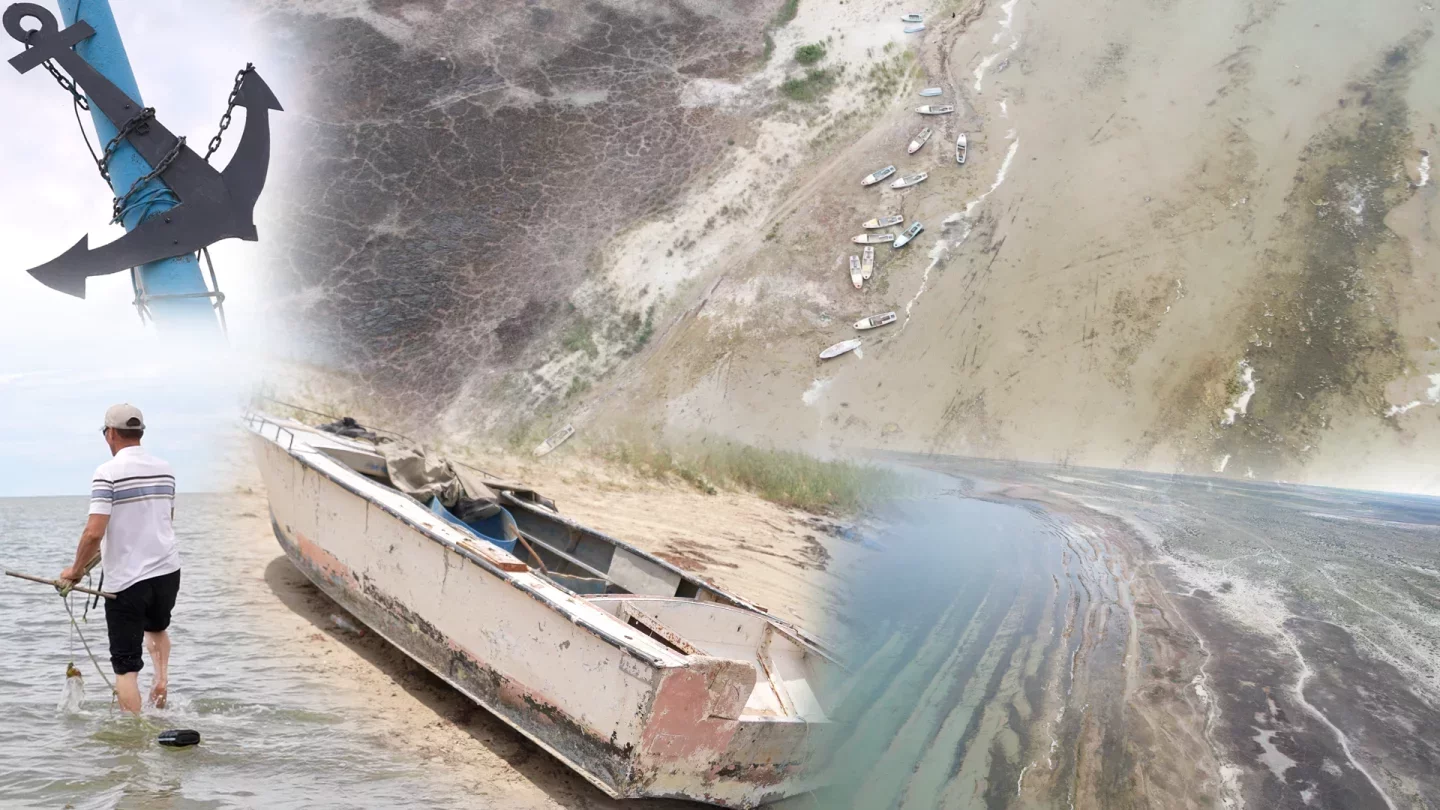 Photo: Orda.kz
Journalists from Orda.kz traveled to the city of Aral and nearby villages to see for themselves how the Aral Sea is faring — a crisis that has long since gone from regional to national. Local officials told us the sea still holds 22 species of fish, including sturgeon, and that nine fish processing plants are up and running.
But on the ground, the reality looked very different.
Where fishing once sustained entire communities, the dried-up sea has left people struggling. Just four years ago, fishers could earn 150,000–200,000 tenge per day. Now, they’re lucky to bring home 5,000–10,000.
Swan, Pike, and Crawfish
Once one of Central Asia’s largest inland bodies of water, the Aral Sea is now mostly desert. Salt-laced dust from the dry seabed fills the air. The disaster has evolved into a deep environmental, economic, and social crisis.
We spoke with local residents to understand how this is unfolding.
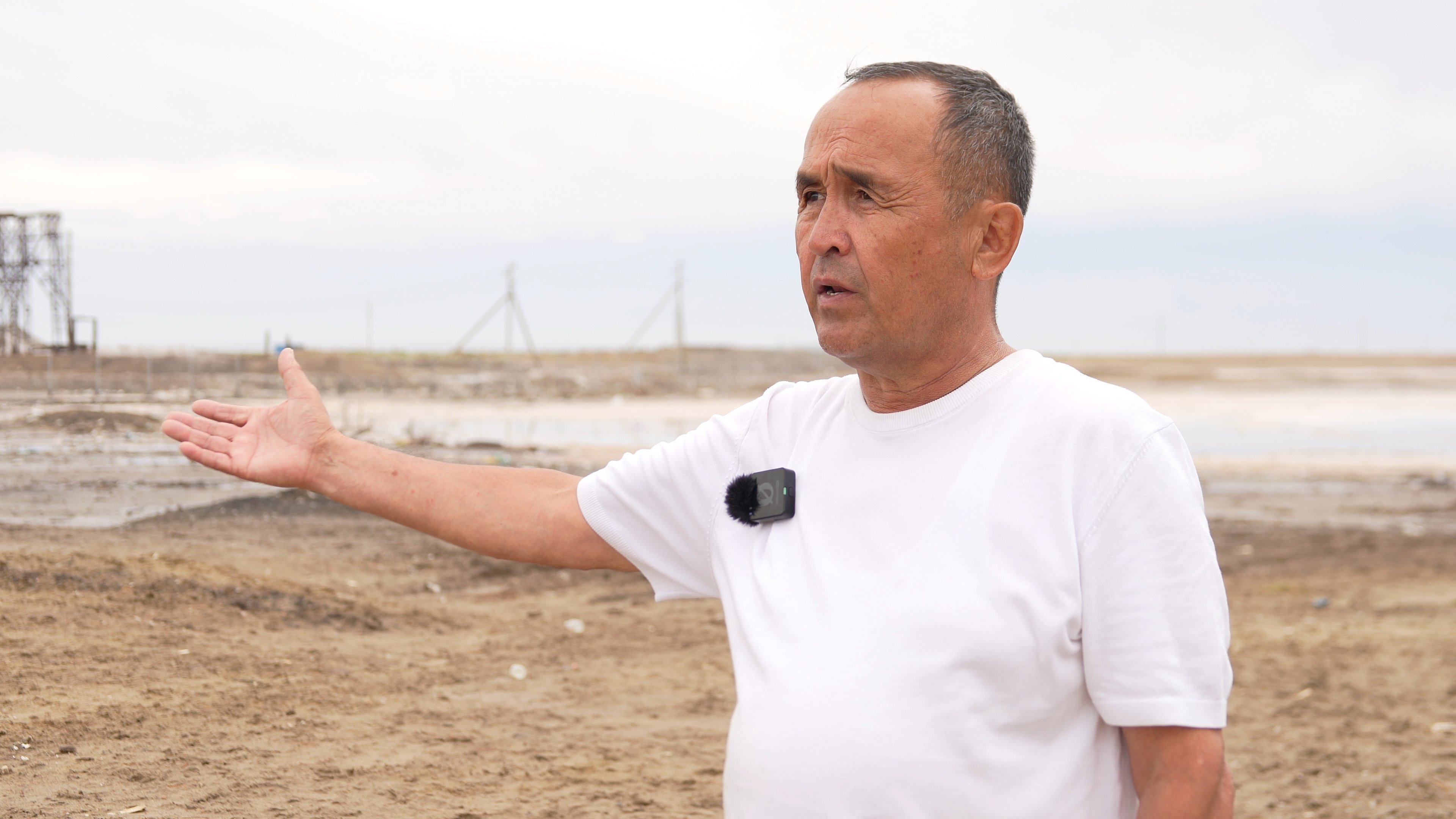
Among those who reached out to us was Zhomart Kartbay, an activist and former resident of Aral who now lives in Aqtobe. Known for his work on issues surrounding the Aral Sea and the Araltuz company, Zhomart says he was forced to leave after facing pressure for speaking out.
But he hasn’t turned his back on his home region. Having grown up on the shores of the sea, he’s been fighting to save it for years. He walked us through how the sea has dried up, what state it's in today, and what’s blocking real solutions.
Our people have been fighting to save the Aral Sea since the 1960s, when it started to recede. We were promised it would be restored — and they’re still making the same promises today. They claim the sea is reviving, with 22 fish species, even sturgeon. But it’s all fiction. We’ve appealed to ministers, Deputies, and held hearings in parliament. We’ve written letters, even to the president. But the sea keeps shrinking.
Official data shows fish catch volumes have increased from 400 tons to 8,000 tons. But Zhomart is skeptical.
The Ministry of Water Resources says it’s still getting organized — it was just created, after all. But people are suffering now. The Ministry lacks seasoned experts. You need specialists with 10–20 years of experience in water management, and we just don’t have them. This isn’t a problem for one region — it’s a national crisis, a Central Asian one.
Kazakhstan currently chairs the International Fund for Saving the Aral Sea (2024–2026), which includes five countries: Kazakhstan, Kyrgyzstan, Uzbekistan, Tajikistan, and Turkmenistan. The fund operates under the UN and UNESCO. Local residents and activists hope this rare window of leadership will at least help preserve the Small Aral.
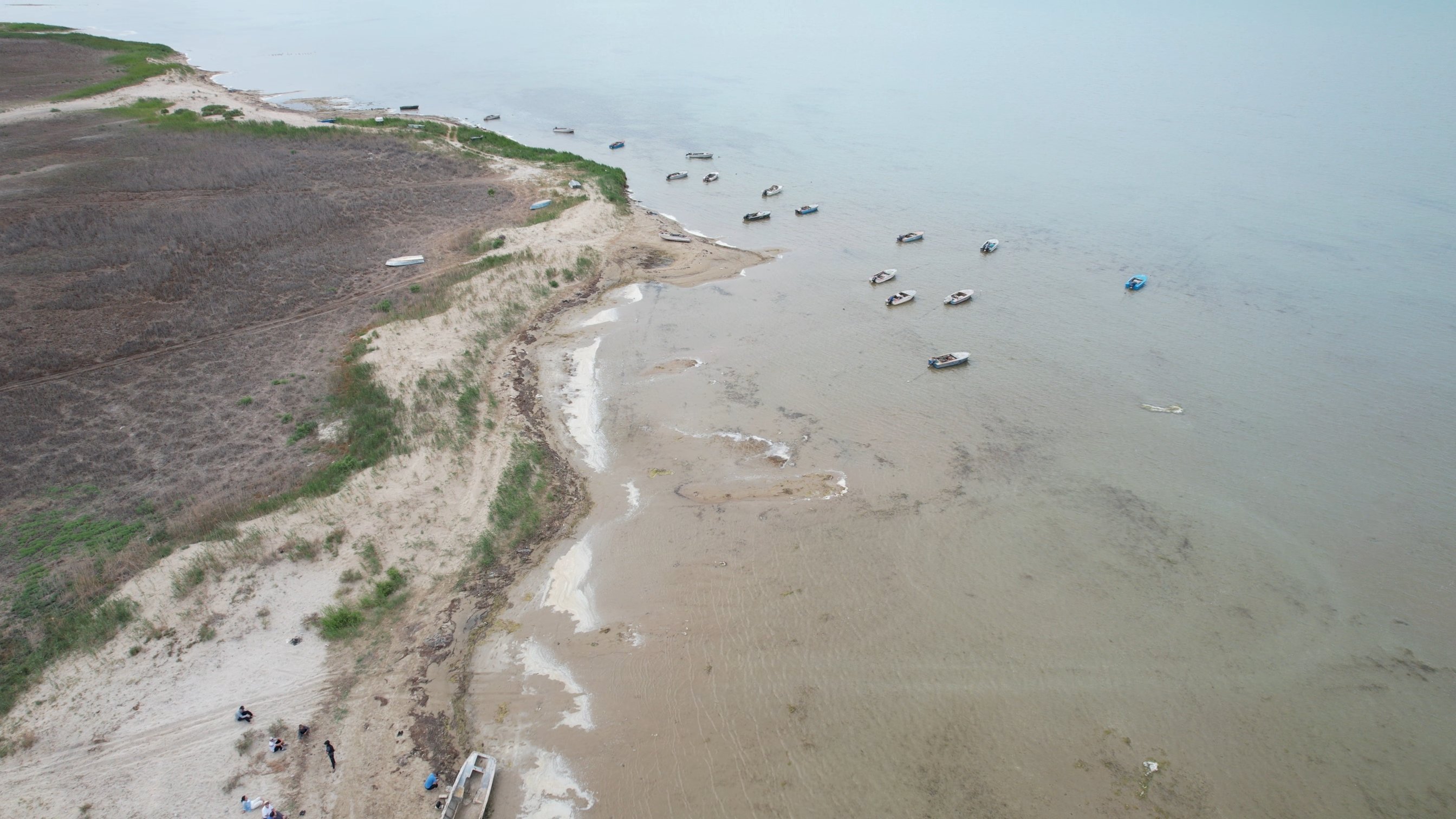
The sea started to smell. Fish are dying. It’s the next sad chapter in the Aral’s history. The official data that we studied before the trip indicated that the sea is government property. But locals tell us it’s now carved up into private plots—and it’s true. Some people bought sections of the sea and now manage them. It’s absurd. Fine, let’s say they’re the owners. But if they’re profiting from fishing, they should also invest in the sea, in the ecosystem. They should be held accountable. And the ecosystem is not being restored. They say the Syr Darya feeds the Aral. But honestly, it’s a drop in the bucket.


The Syr Darya river — vital for replenishing the Aral — is itself at record low levels. Most fish processing plants in the region are effectively shut down.
The International Fund for Saving the Aral Sea is based in Almaty. How do you save a sea from Almaty? They come here two or three times a year, file their reports, and leave. Meanwhile, we’re in Astana every month, raising this issue with MPs and Ministers. On paper, everything looks fine. But on the ground, it’s a disaster. I can’t help but recall Krylov’s fable 'Swan, Pike and Crayfish.' The Ministry of Water Resources is stuck. They don’t know what to do or how to do it. They keep pointing out that the Ministry is only a year old and hasn’t found its footing yet. The administration protects the interests of water resource users. And the residents of the Aral Sea suffer, watching their lands being destroyed before their eyes. This is a large-scale infrastructure. It needs real experts — water specialists, for example. And the current structure, which claims that it can solve a catastrophe like the Aral Sea, is absurd. Even the Ministry admits it doesn’t have the specialists. Everyone says the system is still being built. It’s like letting a one-year-old manage a serious farm.
Saving the Small Aral
Minazhat Bimanov, a veteran engineer at the fish plant in Karateren village, has spent his entire life in the fishing industry. He shared his memories — and frustrations — with Orda.kz:
I’ve lived here since the 1960s. Back then, the Aral Sea was full. The fish were abundant, and people lived off the sea. But by the mid-60s, the water began to recede, and fish became scarce. It became harder to survive, and people started leaving. When the water disappeared, environmental problems started. Winds carried salt and dust into the villages, hurting our health. There are more respiratory diseases, thyroid issues, and heart conditions. There’s no work for the young. No harvests, no feed for livestock. Now there are efforts to bring the sea back—but it’s happening too slowly. This isn’t just our problem. It’s a national one. And if we don’t solve it now, it may be too late.


After the Aral Sea dried up, it split into the Big and Small Aral. Attempts to restore the Big Aral have failed, so now people are fighting to save at least the Small Aral.
Orda.kz journalists also spoke with Abylkazy Ata, a long-time resident who began working as a doctor in the region in 1962.
There used to be a disease called panaritium among the fishermen, caused by fish spines piercing their fingers and becoming infected. Gloves eventually became mandatory. Now that the sea’s dried up and fish are scarce, that disease is gone. But others have taken its place. Young people have high blood pressure, heart problems, and stomach disorders. Children are suffering from mental health issues,he says.

Zhetkergen Zhalgasbayev has been in the fishing industry for 35 years. He says the fish in the Aral Sea aren’t what they used to be — a direct result of worsening water quality and environmental degradation.
Back in the day, boats would head to Karakalpakstan full of fish, including sturgeon. The fish used to migrate upstream naturally to spawn. Now, if we don’t breed them artificially, they’ll disappear entirely. Some species are already on the Red Book. Cheap Chinese nets destroy everything — fry, eggs, everything. If we want to restore fish populations, we need high-quality gear and order, he says.
A Vanishing Sea
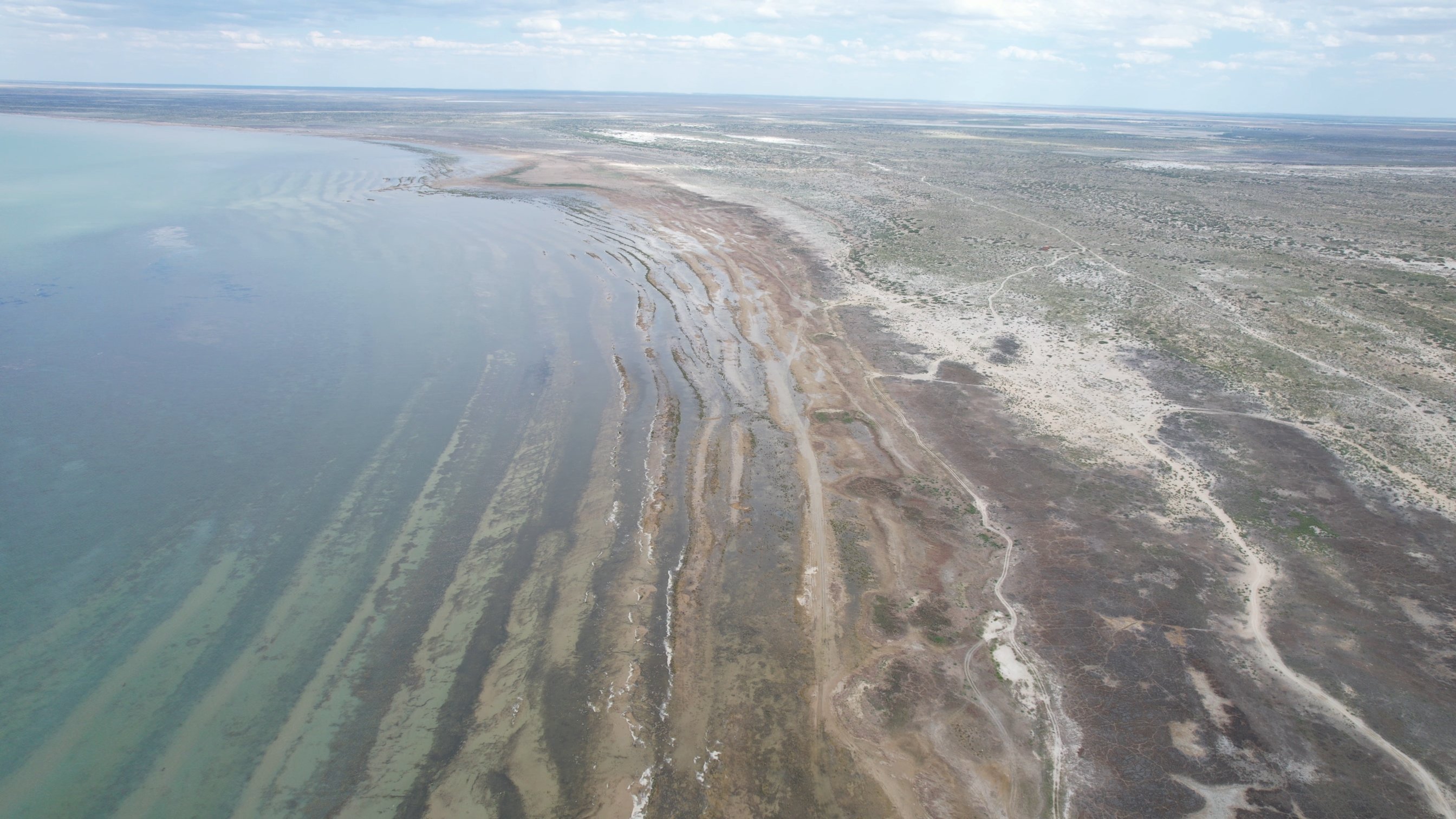
According to Zhalgasbayev, poorly made fishing nets from China are devastating fish stocks. These nets often break during use, sink to the sea floor, and trap fish that die out of reach.
They should be banned by law and destroyed. If we don’t stop the flow of water being cut off, it’s over. We used to haul in 500 kilos to a ton. Now if you catch 20–30 kilos, you’re lucky.
We also spoke with Talgat aga, a local veteran with over 25 years in fishing. He stressed that saving the sea isn’t just the government’s responsibility — locals need to do their part too:
This is our sea, our livelihood. As kids, we watched motorboats come and go. Since 1973, the sea has been splitting off from the lake. Every fall, we could channel water back into the sea. Now, the channel is buried under debris. Construction materials are scattered everywhere, and there is no security. We’re afraid that because of this collapsed system, we’ll lose even the lake.
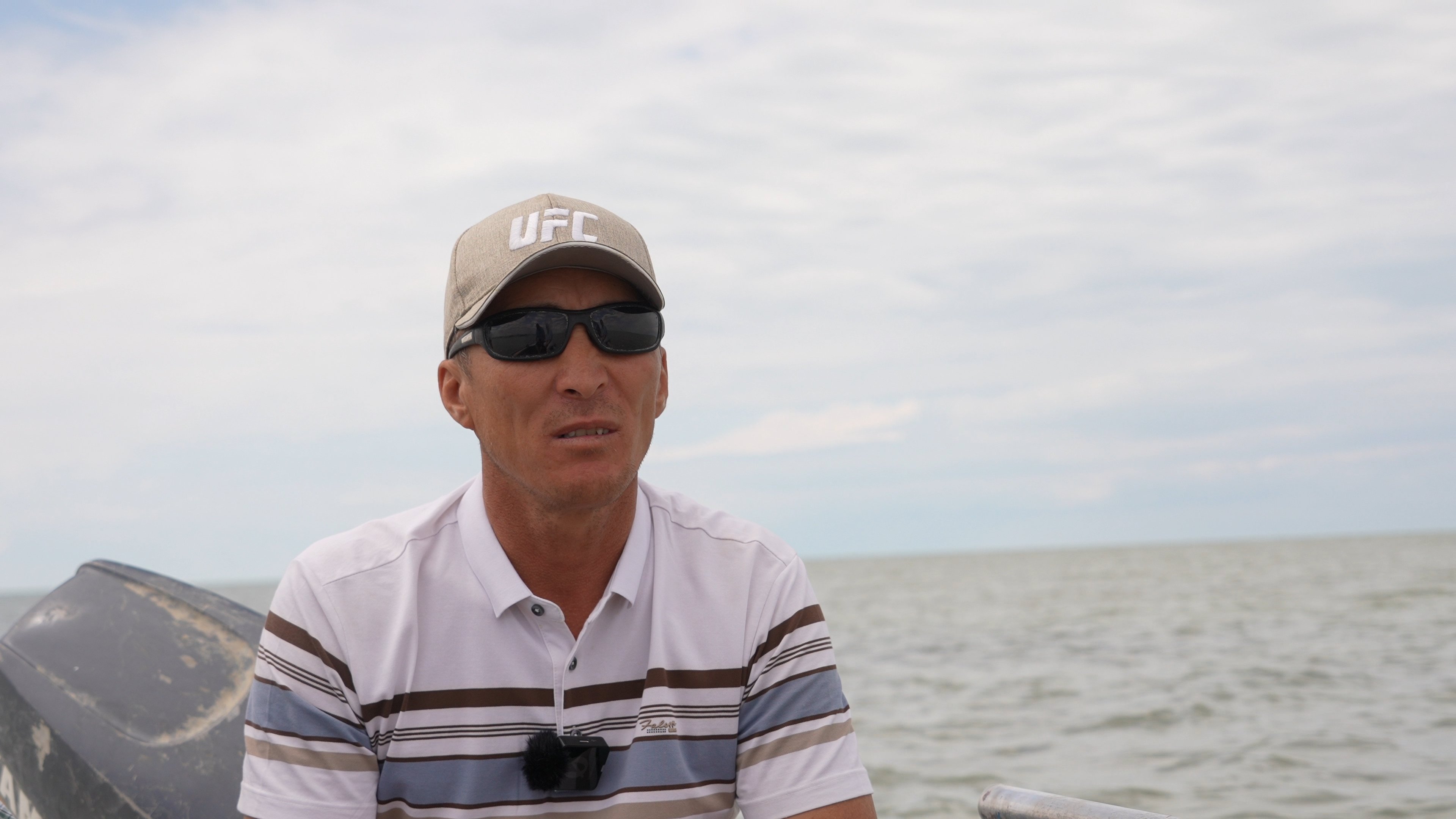
Plastic bottles, nets, and glass now litter the former seabed. Wind scatters trash far and wide, further worsening the already fragile environment.
Activist Orazbay Ospanov points to another problem: privatization. Today, 18 sections of the Aral Sea are controlled by private entrepreneurs.
'Young people work for them,' he says. 'But there are no pension contributions, and the paperwork isn’t handled properly. I’ve asked them: ‘Do you do pension contributions? Do you have fishing licenses?’ And they tell me: ‘The boss handles that.’
Fish Factories
When Orda.kz reporters interviewed officials from the Aral Akimat, they were told that nine fish processing plants are currently operating in the region. However, when journalists visited one site and asked local elders what the building was, they said:
“That’s a fish factory.”
But when we approached, a man emerged from the building and told us the factory hadn’t operated in six months.


Despite the dire conditions, Akim of the Aral region, Amanzhol Ongarbayev, insists that the government is taking steps to restore the sea:
The Aral Sea problem is being solved. The history of water shortages began in 1965. But after independence, significant steps were taken to restore the sea. A 42-meter dam was built, which helped collect 27 billion cubic meters of water, and nearby villages came back to life. People started fishing again. Now we’re planning a new dam — 44 meters high — to be completed by 2026. This will help increase the volume of water flowing into the sea.
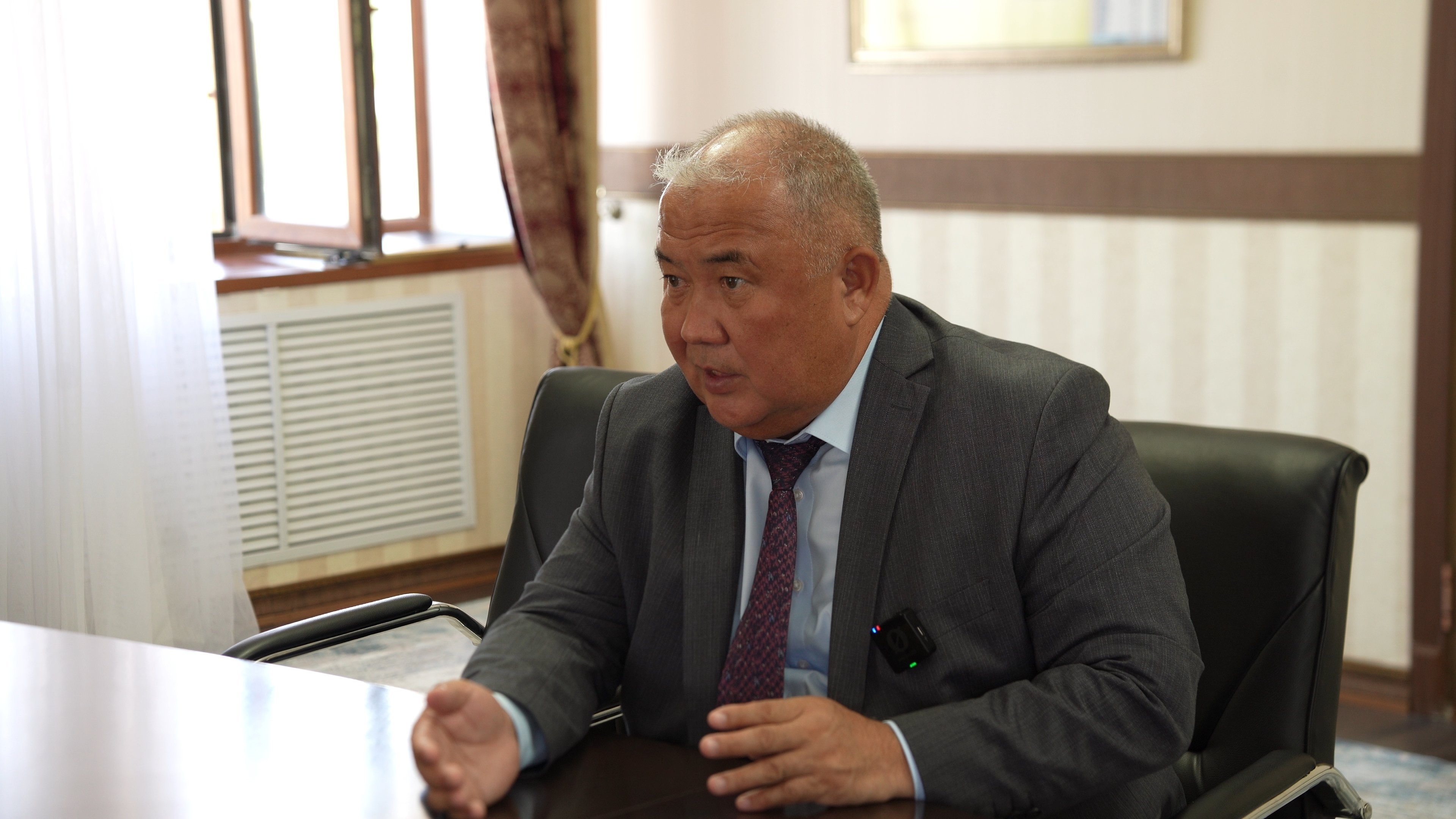
According to Ongarbayev, the water flowing into the Aral is also becoming cleaner.
“Before, only one or two fish species could survive in the brackish water. Now there are more,” he claims.
When our journalist asked how often he visits the Aral Sea, the Akim said he goes there three or four times a month. However, village elders told us they see him only once or twice a year.
One of the most pressing issues in the region is the lack of qualified personnel, especially in remote areas. There’s a shortage of doctors and other professionals. When asked how this is being addressed, Ongarbayev said they’re working to attract young talent.
We offer free housing or help them buy it. We’re also looking into lump-sum payments. We want young people to come back home and work in their own villages.
He added that while youth used to leave in search of work, some are now returning.
Our region isn’t just about fishing. We also raise livestock — over 37,000 camels, cows, and horses. So there will be jobs for all kinds of specialists.
People living in the Aral region are calling on the state to move from promises to concrete action. The Orda.kz editorial team is publishing a list of specific measures proposed by residents to help restore the Small Aral:
- Rational distribution of Syr Darya water
- Legislative ban on low-quality Chinese fishing nets
- Legalization of fishing practices
- Dredging and widening of the Syr Darya channel to improve flow
- Construction of new reservoirs and artificial ponds
- Implementation of modern irrigation systems (e.g. polyethylene pipes, drip irrigation)
- Upgrading water infrastructure to support livestock farming
- Development of local infrastructure, including funds and resource centers based directly in the Aral region
- Establishment of processing plants for glass, salt, and lithium production
Original Author: Assem Zhuken
Latest news
- Croatia Will Finance Oil Exploration In Aktobe Region
- Half of Kazakhstanis Earn Less Than $1,000 a Month
- Is The Era Of Easy Extraction Over? Resource Development Is Being Rebuilt In Kazakhstan
- How a Kazakhstani Tried to Change His Ethnicity Through the Courts — and What Came of It
- Economist Names Kazakhstan Regions Lagging in Investment Transparency
- 14-Year-Old In Tesla Tries To Flee Police In Astana
- When a Michelin-Recognized Restaurant Will Open in Almaty, Akimat Says
- Transfers To China From Kazakhstan Fall To Six-Year Low
- Chinese Company To Build $1.2 Billion Steel Plant In Kazakhstan
- Moldova Finally Leaves The CIS And Bets On The EU
- Kazakhstani Scientists Develop Feed From Meat Processing Waste
- Why Large Families Face the Highest Poverty Risk in Kazakhstan
- Kazakhstan Schoolboy First in Central Asia to Receive Google Grant
- Kazakhstan Prosecutor General’s Office Checks Possible Ties Between Officials and Epstein Case
- After Farmers' Complaints, Kazakhstan Changes Potato Trading Rules
- Officials Accused Of Legalizing Thousands Of Migrants For Bribes In Astana
- Almaty Zoo Names Triplet Tiger Cubs
- Only One Loss-Making Bank Remains In Kazakhstan
- Cormorants To Be Shot In Pavlodar Region
- Kazakhstan And Ukraine Uncover Network Of Fraudulent Call Centers
