

Experts Comment on the Future of Local Production in Kazakhstan
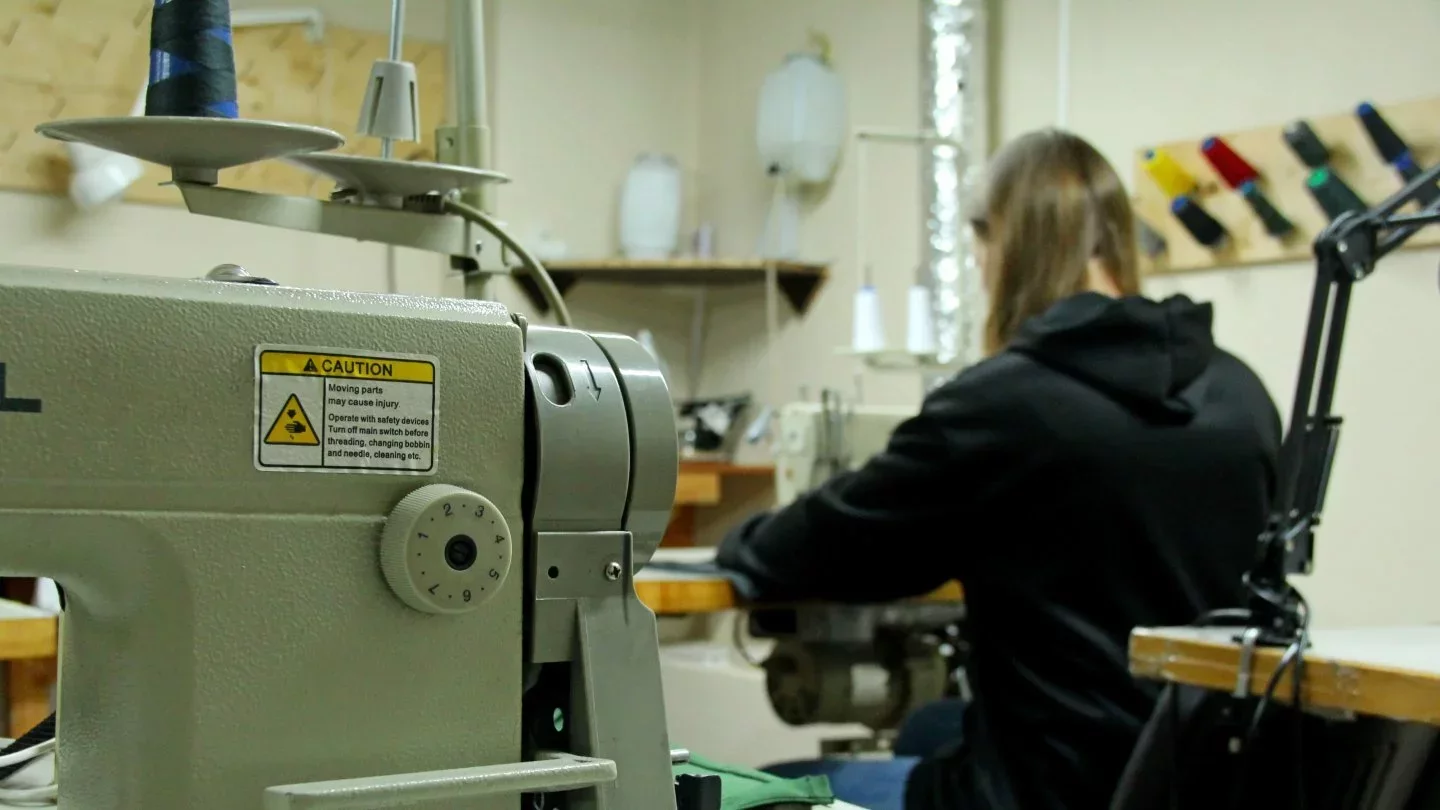 Photo: Orda.kz / Igor Ulitin
The Institute of Current Policy recently hosted a closed-door expert roundtable as part of a broader study into Kazakhstan’s economy. This session focused on the state and prospects of domestic production.
Most participants came from real-world industry — “from the shop floor,” as the saying goes. While the study’s terms prevent naming participants, several agreed to share key insights with Orda.kz.
One major point raised was the low level of state support for local manufacturers. Multiple participants noted that Kazakhstani producers receive little to no preferential treatment over foreign goods. In many sectors, this has led not just to reduced output, but to entire businesses shutting down.
The food industry was cited as a prime example. A decade ago, Kazakhstan was one of the top exporters of flour. Today, Uzbekistan — thanks to its continued support of domestic flour milling — has overtaken it.
This was pointed out as an example of effective protectionism, which many countries, not just neighbors like Uzbekistan, use to support local industries. The U.S., for instance, is now increasing tariffs on foreign goods to protect its own.
According to some participants, Kazakhstan lacks a comparable protectionist policy. As a result, small and medium-sized local producers struggle to break into foreign markets — or even maintain a foothold in the domestic one.
Kazakhstan’s light industry was another key concern. When you have China nearby, competing with it, they argued, is virtually impossible without state protection. One speaker referenced the recent shutdown of a major textile factory as evidence of how fragile the sector has become under current conditions.
Throughout the meeting, a common refrain was: “We lack an industrial policy.” Beyond just the lack of support, this shortfall was linked to several deeper systemic issues.
Four Key Problems Holding Industry Back
The first is a lack of policy consistency — especially among government officials. When ministers change, new policies are introduced without regard for their predecessors’ work. One participant even described Akims, as “viceroys” who show little interest in promoting local industry.
The second issue is the economy’s overreliance on large, extractive businesses — Kazakhstan’s so-called “Big Eight”: ERG, Kazzinc, Kazakhmys, KAZ Minerals, KazMunayGas, TCO, KPO, and NCOC.
These companies generate 80% of the country’s income and dominate its resource sector, pushing other industries into the shadows.
The third challenge is a lack of strategic focus. As one expert put it: “We want to be the best at everything— but we need to focus on developing just three or four core industries.”
Finally, the fourth issue is bureaucracy. Kazakhstan’s complex regulatory system makes it difficult to launch new businesses — especially in manufacturing.
Experts agreed that Kazakhstan’s GDP could still grow — but warned that this growth might come largely from rising oil prices, not industrial expansion. And oil, they added, isn’t as profitable for the state as people assume.
One example cited was the profit-sharing agreement at the Kashagan field, where Kazakhstan receives just 2% of the oil produced.
Several speakers also questioned whether GDP is even the right benchmark. They argued that Kazakhstan should also be comparing pensions and purchasing power to similar economies, areas where the country falls short.
And, of course, in light of the recently adopted new Tax Code, business representatives couldn’t help but bring it up.
The main concern was the VAT increase — from 12% to 16%. Experts noted that while the tax itself is rising by just four percentage points, the resulting increase in the cost of goods will be significantly higher.
This could disrupt B2B operations and further erode the already fragile climate for local SMEs.
Original Author: Igor Ulitin
Latest news
- 14-Year-Old In Tesla Tries To Flee Police In Astana
- When a Michelin-Recognized Restaurant Will Open in Almaty, Akimat Says
- Transfers To China From Kazakhstan Fall To Six-Year Low
- Chinese Company To Build $1.2 Billion Steel Plant In Kazakhstan
- Moldova Finally Leaves The CIS And Bets On The EU
- Kazakhstani Scientists Develop Feed From Meat Processing Waste
- Why Large Families Face the Highest Poverty Risk in Kazakhstan
- Kazakhstan Schoolboy First in Central Asia to Receive Google Grant
- Kazakhstan Prosecutor General’s Office Checks Possible Ties Between Officials and Epstein Case
- After Farmers' Complaints, Kazakhstan Changes Potato Trading Rules
- Officials Accused Of Legalizing Thousands Of Migrants For Bribes In Astana
- Almaty Zoo Names Triplet Tiger Cubs
- Only One Loss-Making Bank Remains In Kazakhstan
- Cormorants To Be Shot In Pavlodar Region
- Kazakhstan And Ukraine Uncover Network Of Fraudulent Call Centers
- Price Growth In Kazakhstan Slows
- How A Chinese Goose Ended Up In Almaty And Joined A Flock Of Wild Ducks
- How Much Savings Make A Kazakhstani Well-Off In Kazakhstan
- How The War In The Middle East Affected Kazakhstanis’ Pension Savings
- Why Almaty’s Crematorium Is Still Not Operating: Authorities Explain
