

Crisis of Confidence: Government Slammed Over Budget
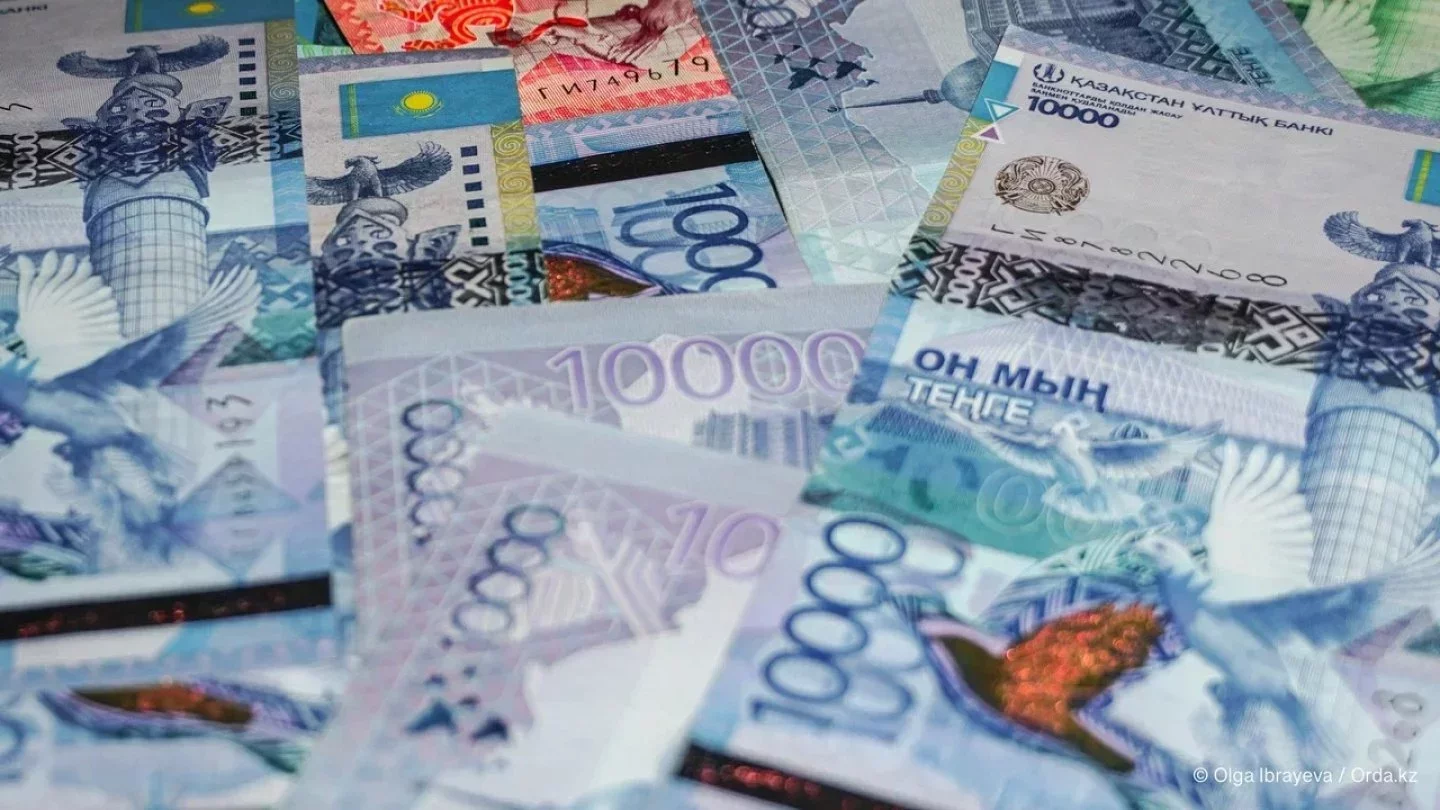 Photo: Orda.kz / Olga Ibrayeva
Numerous financial violations have been uncovered in the execution of Kazakhstan’s 2024 republican budget. At a Majilis session, deputies sharply criticized the government, Orda.kz reports.
Deputy Ulasbek Sadibekov pointed out that although the budget was formally executed, its quality remains questionable. Long-standing issues persist — from planning to implementation and oversight.
Low efficiency, weak control, and poor use of resources are risks we cannot ignore. The number and scale of violations are growing rapidly each year. The total amount identified by the external state audit reached 861.9 billion tenge, up 64.8% from 2023. Of this, 154 billion tenge were financial violations, Sadibekov said.
Finance Minister Madi Takiyev attributed the budget shortfall of over 600 billion tenge to declining global metal prices, lower profits from major enterprises, and a lack of one-time revenues. However, Sadibekov argued that these were not the only causes.
The government still hasn’t used all available reserves to expand the revenue base. The shadow economy remains large, informal employment is widespread, and current measures to boost growth and curb inflation are insufficient. I want to highlight the fiscal and economic imbalance. Over the past five years, revenues from the manufacturing sector have dropped from 13.6% to 10.7%, despite claims of industrial growth. This suggests that production growth is not matched by tax revenue, contradicting the logic of tax policy.
National Fund revenues totaled 3.8 trillion tenge, 15% below target. The initial figure of 5.9 trillion was later cut by more than 1.5 trillion.
As of early 2025, Kazakhstan’s public debt reached 31.8 trillion tenge (23.5% of GDP), with 30.1 trillion attributed to the government.
The rising cost of debt servicing is concerning. In 2024, 5.6 trillion tenge — 41.6% of all budget spending — went to servicing public debt, up from 28.3% in 2023. This is an alarming trend. The more we spend on debt, the less we have for development, infrastructure, or people.
Throughout the year, the budget was revised once and amended 12 times. Still, 526 billion tenge went unused.
A large portion of funds, especially in priority areas, never reached their intended purpose.
Sadibekov cited several examples:
- The Ministry of Culture returned 3.9 billion tenge allocated for the Bozok complex. The project is delayed, and its cost has expanded from 7.2 to 17.4 billion tenge since 2020.
- The Ministry of Finance failed to spend 24 billion tenge on modernizing checkpoints. None of the four planned facilities has been completed, though 6.9 billion has already been spent on loan servicing.
These cases show that even with allocated funds, the outcomes can be zero, while the costs remain high.
The quasi-public sector also came under scrutiny. In 2024, it received 757 billion tenge, with 60 billion remaining idle in accounts.
At the same time, dividends to the budget dropped by nearly 30%. Debt in the sector rose to 23.6 trillion tenge, with funds often going toward operating costs rather than development. Sole-source procurement hasn’t declined, but the grounds for purchases bypassing competitive procedures have increased. This points to ongoing dependence on the state and poor efficiency within quasi-public companies.
Despite his concerns, Sadibekov voted to approve the report and send it to the Senate.
Others were less forgiving. Azat Peruashev, head of the Aq Jol faction, said their deputies voted against the report.
Reviewing these reports again and again only confirms how pointless it is to evaluate the budget without a clear government action plan. There are no priorities — the government tries to do everything at once, and the budget is stretched thin. There’s never enough money for essentials, but billions are easily found for officials’ pet projects — without assessing their actual impact,he said.
The Nationwide Social Democratic Party (JSDP) and People's Party of Kazakhstan factions also rejected the report. JSDP leader Askhat Rakhimzhanov noted that many citizens are forced to take out loans just to buy basic groceries.
This is a real crisis of trust — a crisis between the documents being adopted and the actions being implemented. A crisis between what’s promised and what’s actually delivered,said MP Magerram Magerramov of the NPK.
However, following the vote, the government’s report was approved and forwarded to the Senate.
Original Author: Zhadra Zhulmukhametova
Latest news
- Damaged Baikonur Launch Pad Facility Restored After 2025 Collapse
- A Rare Black Melanist Wolf Was Shot in Eastern Kazakhstan
- Kazakhstan Maintains Neutral Stance on Middle East Escalation
- Kazakh MFA: Citizens Evacuated from the Middle East via Oman and Saudi Arabia
- Kazakhstan to Spend 4.6 Trillion Tenge on Road Projects Through 2029
- Central Asia Competes for the Skies: Why Kazakhstan Risks Falling Behind Uzbekistan on Jet Fuel
- The War in Iran Opens a Window of Opportunity for Kazakhstan’s Oil Sector, Analysts Say
- Iran Conflict Escalates Beyond the Gulf: What Kazakh Experts Say About Risks for Central Asia and Kazakhstan
- Kazakhstan Prepares Possible Evacuation of Its Citizens From Iran
- LRT in Astana Is Reaching the Finish Line: The Launch Is Expected in the Coming Months
- Kazakhstan Ready to Help the UAE Amid Escalation in the Region
- Tokayev Discusses Middle East Escalation With Qatar’s Emir
- Airlines Ready to Bring Kazakhstanis Home From the Middle East
- Tokayev Sends Support Messages to Gulf Leaders Amid Regional Escalation
- Kazakhstan Bans Its Airlines From Flying Over Several Middle East Countries
- Astana Strengthens Security Measures Amid Escalation Around Iran
- Tokayev Meets U.S. Ambassador Stufft, Discusses Board of Peace Cooperation
- Mangystau Launches AI-Assisted School Monitoring to Prevent Teen Suicidal Behavior
- Kazakhstan to Supply UK With Critical Minerals
- AI Faculties for Educators to Open in Kazakhstan: What Other Changes Are Coming to the Education Sector
