

Baikonur Open for Startups from Germany, India, and China
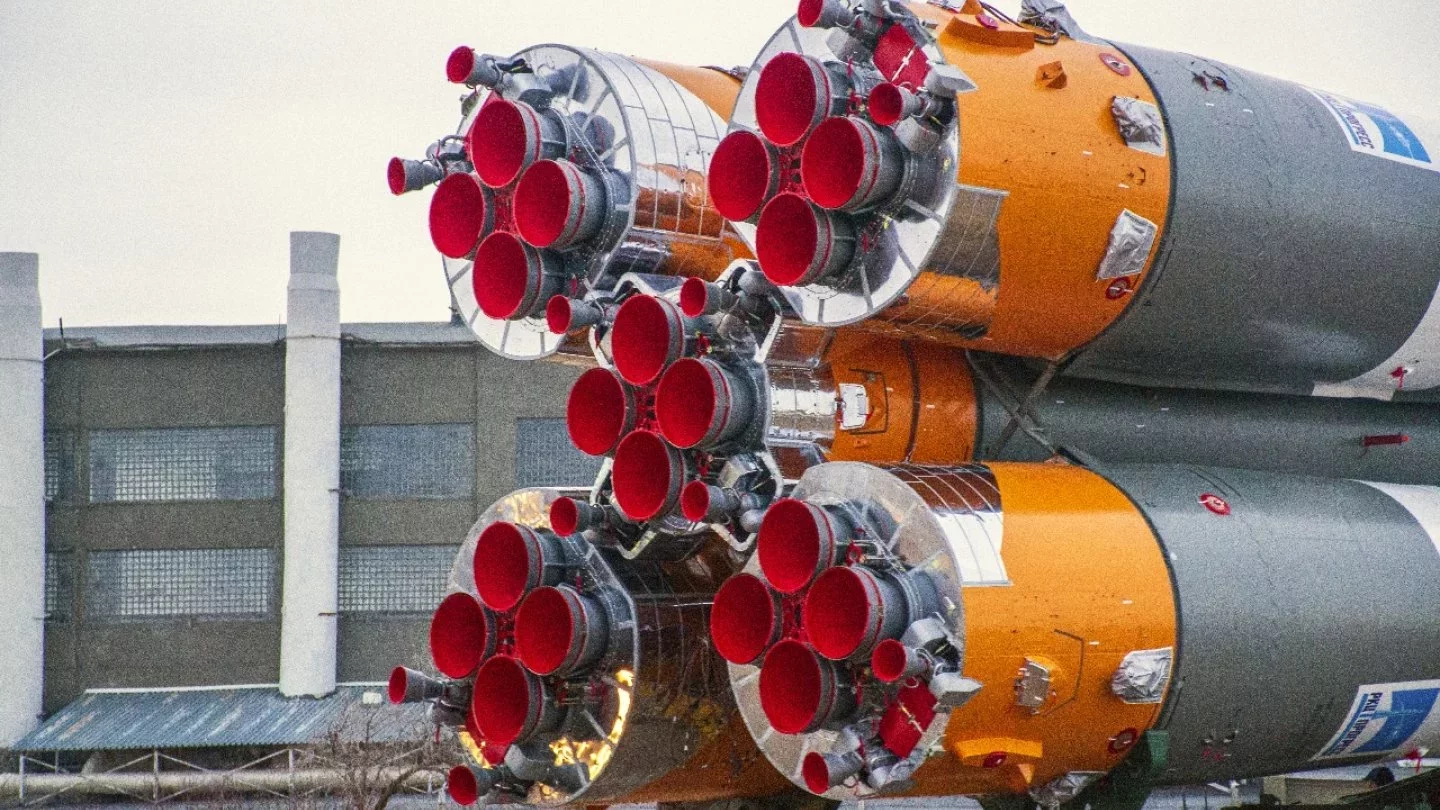 Photo: Orda.kz / Kamila Ermakhanova.
Russia may relocate production of the Soyuz-5 launch vehicle to Kazakhstan’s Baikonur Cosmodrome, according to a government response from Prime Minister Olzhas Bektenov, Orda.kz reports.
The reply came as part of a parliamentary inquiry and also reaffirmed that the first launch from the new Baiterek complex is scheduled for December 2025.
Bektenov confirmed that both the rocket and related infrastructure are “being prepared according to schedule.”
The Prime Minister also reiterated plans to create a special economic zone on parts of Baikonur no longer leased to Russia. Covering 1,747 square kilometers, the zone would support Kazakh and foreign space startups.
The project remains under development but is already being considered as “the first step toward opening Baikonur to international companies” outside the scope of Kazakhstan’s 1994 lease agreement with Russia.
Talks with Germany, India, China
In the first half of 2025, Kazakh authorities met with representatives from Slovenia, Bulgaria, and Germany, as well as EU Commissioner Josef Sikela. In April, officials held talks in Germany with OHB System AG and Rocket Factory Augsburg AG on launch services and rocket technologies.
Kazakhstan’s national space company, JSC NCKIT, which reports to the Ministry of Digital Development, is also in talks with Indian startup Sky Root, China’s Deep Blue Aerospace, and Germany’s Himpulse.
Discussions cover possible tests and launches of ultra-light and light-class rockets, including from new sites outside of Russian lease territory.
Chinese Investment
On June 16, Kazakhstan and China signed a new cooperation agreement for joint projects in the space sector. The deal includes plans to build research facilities, satellite data processing centers, and provide specialist training.
Most of the details remain undisclosed while approval is underway.
Beijing had earlier confirmed it would provide Kazakhstan with a grant of 100 million yuan to support the space industry — a pledge made during President Xi Jinping’s 2024 visit to Astana. The funding will go toward developing infrastructure for computational astronomy and astrophysical modeling.
Original Author: Kamila Ermakhanova
Latest news
- Almaty Drivers Offered Free Emissions Checks Without Penalties
- Croatia Will Finance Oil Exploration In Aktobe Region
- Half of Kazakhstanis Earn Less Than $1,000 a Month
- Is The Era Of Easy Extraction Over? Resource Development Is Being Rebuilt In Kazakhstan
- How a Kazakhstani Tried to Change His Ethnicity Through the Courts — and What Came of It
- Economist Names Kazakhstan Regions Lagging in Investment Transparency
- 14-Year-Old In Tesla Tries To Flee Police In Astana
- When a Michelin-Recognized Restaurant Will Open in Almaty, Akimat Says
- Transfers To China From Kazakhstan Fall To Six-Year Low
- Chinese Company To Build $1.2 Billion Steel Plant In Kazakhstan
- Moldova Finally Leaves The CIS And Bets On The EU
- Kazakhstani Scientists Develop Feed From Meat Processing Waste
- Why Large Families Face the Highest Poverty Risk in Kazakhstan
- Kazakhstan Schoolboy First in Central Asia to Receive Google Grant
- Kazakhstan Prosecutor General’s Office Checks Possible Ties Between Officials and Epstein Case
- After Farmers' Complaints, Kazakhstan Changes Potato Trading Rules
- Officials Accused Of Legalizing Thousands Of Migrants For Bribes In Astana
- Almaty Zoo Names Triplet Tiger Cubs
- Only One Loss-Making Bank Remains In Kazakhstan
- Cormorants To Be Shot In Pavlodar Region
