

How Historians in Kazakhstan and Russia Navigate Shared History
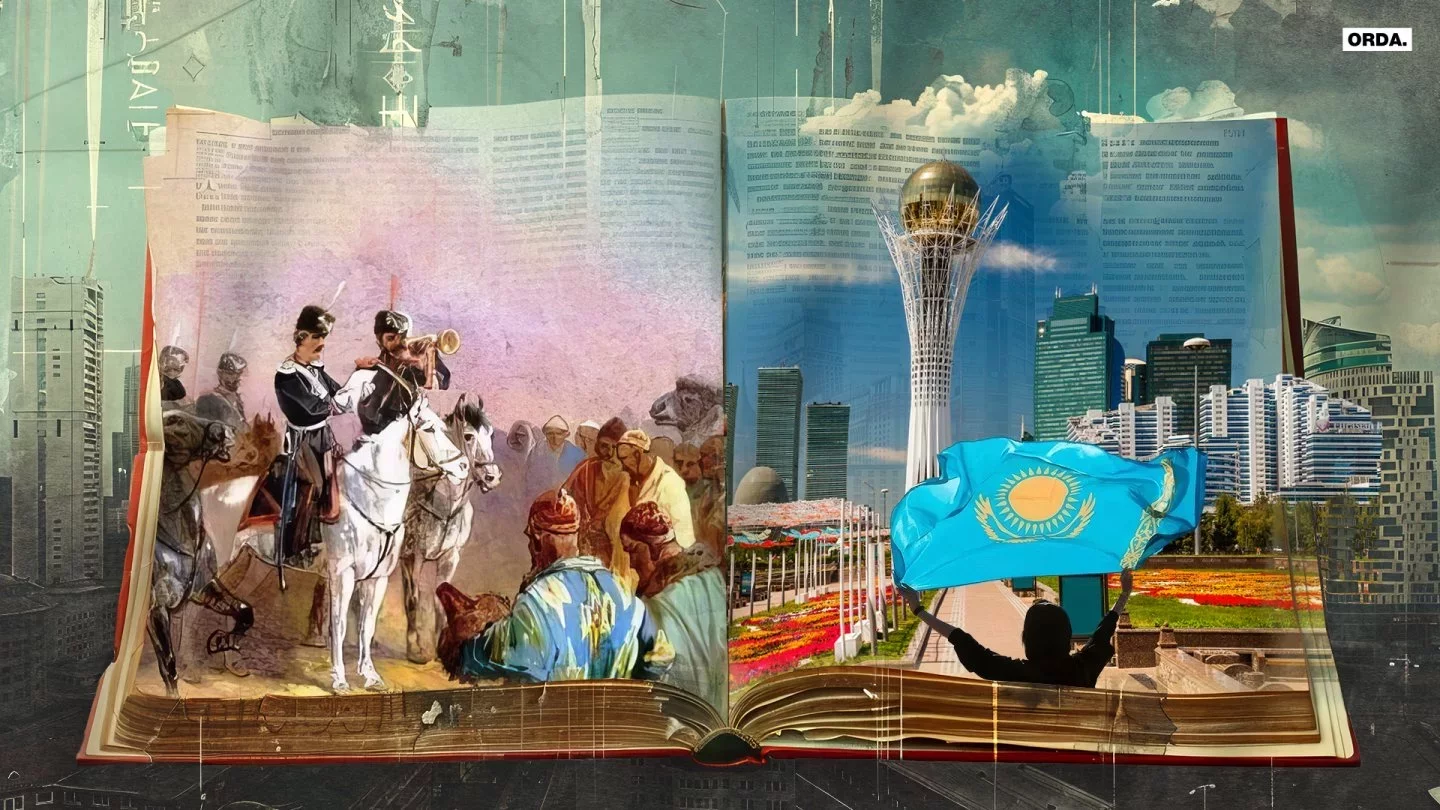 Photo: Orda.kz
As Moscow moves toward closer ties with Washington, it’s worth recalling the historical bond between Moscow and Astana—especially what went unnoticed amid the diplomatic preparations.
Just before Vladimir Putin visited Kazakhstan in November 2024, Russian Foreign Minister Sergey Lavrov arrived in the capital’s Left Bank district. His visit went largely unreported, except in Russian news sources, where it was mentioned in passing: Kazakhstan and Russia had agreed to form a joint team of historians to preserve historical memory and ease tensions that periodically flare up in society.
Orda.kz has investigated.
What’s Causing the Tension?
One likely area of dispute is colonialism and the portrayal of history in textbooks. In October 2024, Orda.kz covered an analysis by Russian scholars on how Russia is depicted in history textbooks across the Middle East, post-Soviet nations, and China.
Their published findings revealed that Kazakhstan and Russia view history differently.
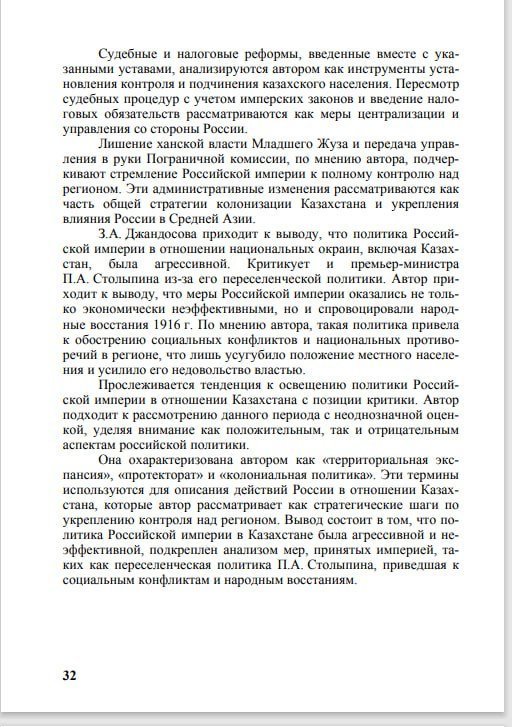
The Russian authors concluded that Central Asian textbooks portray Russia as a colonial power that oppressed the peoples of annexed territories — an assessment they strongly disagree with. They argue that such a perspective fuels xenophobia and Russophobia.
Kazakh textbooks were singled out as particularly problematic:
A 10th-grade history textbook describes the Russian Empire’s policy toward Kazakhstan as ‘territorial expansion,’ ‘protectorate,’ and ‘colonial policy.’ It also labels Russia’s actions as ‘aggressive and ineffective,’ citing the resettlement policy of Prime Minister Pyotr Stolypin, which, according to the authors, triggered social conflicts and uprisings.
Russian analyst Arkady Dubnov, who has long studied Central Asian politics, agrees that colonialism will likely be a contentious issue for historians in both countries.
However, he is skeptical about Lavrov’s claim that tensions could be reduced.
Prominent politicians and ideologists in presidential administrations avoid this topic since they are "bounded by political constructs that tightly link Russia and Kazakhstan."
Dubnov recalled one peculiar case:
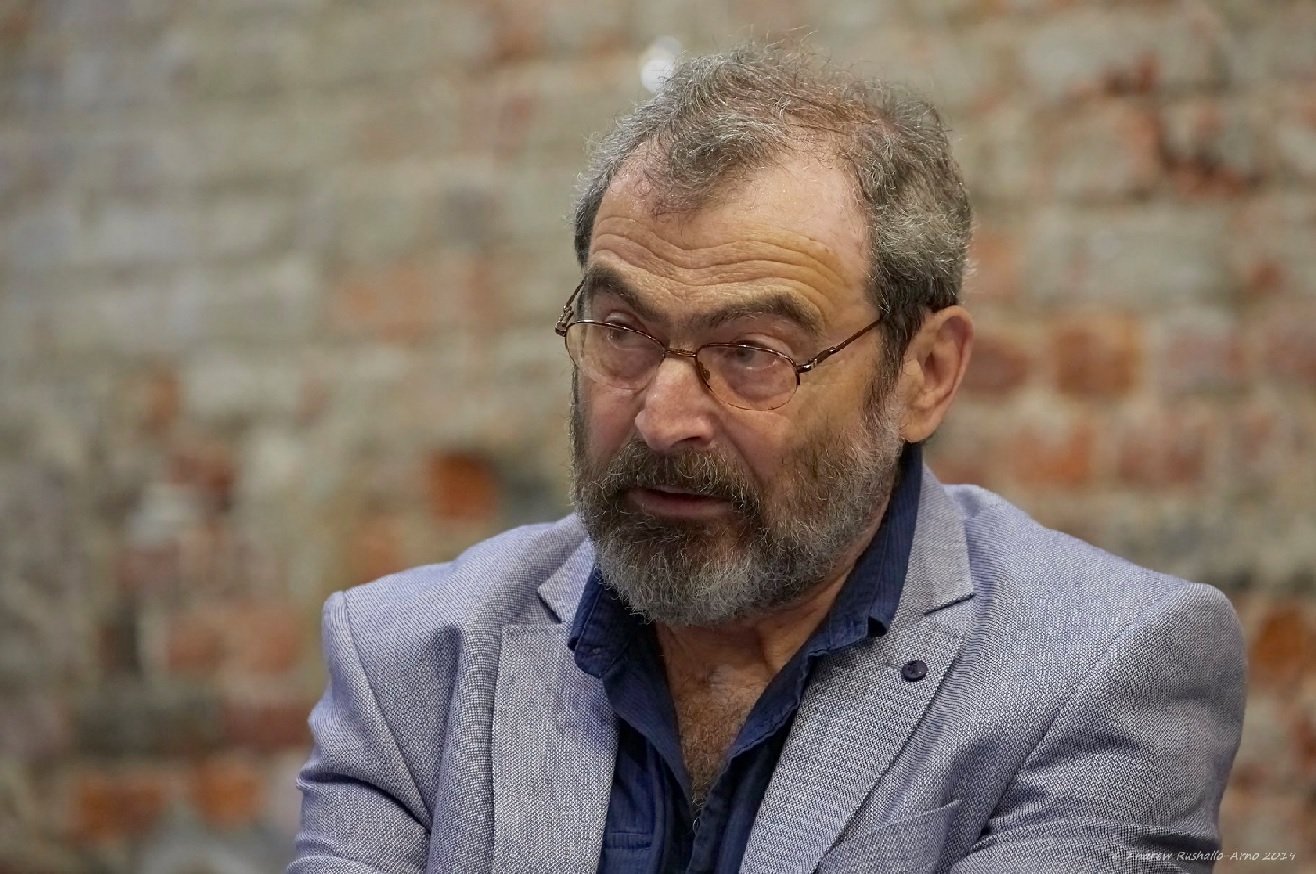
A few years ago, during Nazarbayev’s presidency, Putin made a remark (at a Russian youth forum in late August 2014 – Ed.) suggesting that Kazakhstan had never had its own statehood. While this was likely a slip of the tongue, it sparked a strong backlash in Kazakhstan’s political and social circles. I was offended, too, because it was a provocative move amid growing tensions between public opinion leaders in both countries. To Nazarbayev’s credit, after taking some time — about a month or two — he found an opportunity to respond (At a discussion in Astana in late October 2014, regarding the celebration of the 550th anniversary of the Kazakh Khanate– Ed.). He pointed out that while Kazakhstan’s statehood may not have existed in the modern sense, Kazakh khans had long established governing structures that could rightfully be called a state. It was clearly a response to Putin. Because the Russian president's attack was quite offensive,"the analyst notes.
Kazakh scholar Aidar Amrebayev highlights another potential issue — ideological differences between historians from both countries.
He warns that tensions will arise if scholars prioritize political narratives over objective historical research.
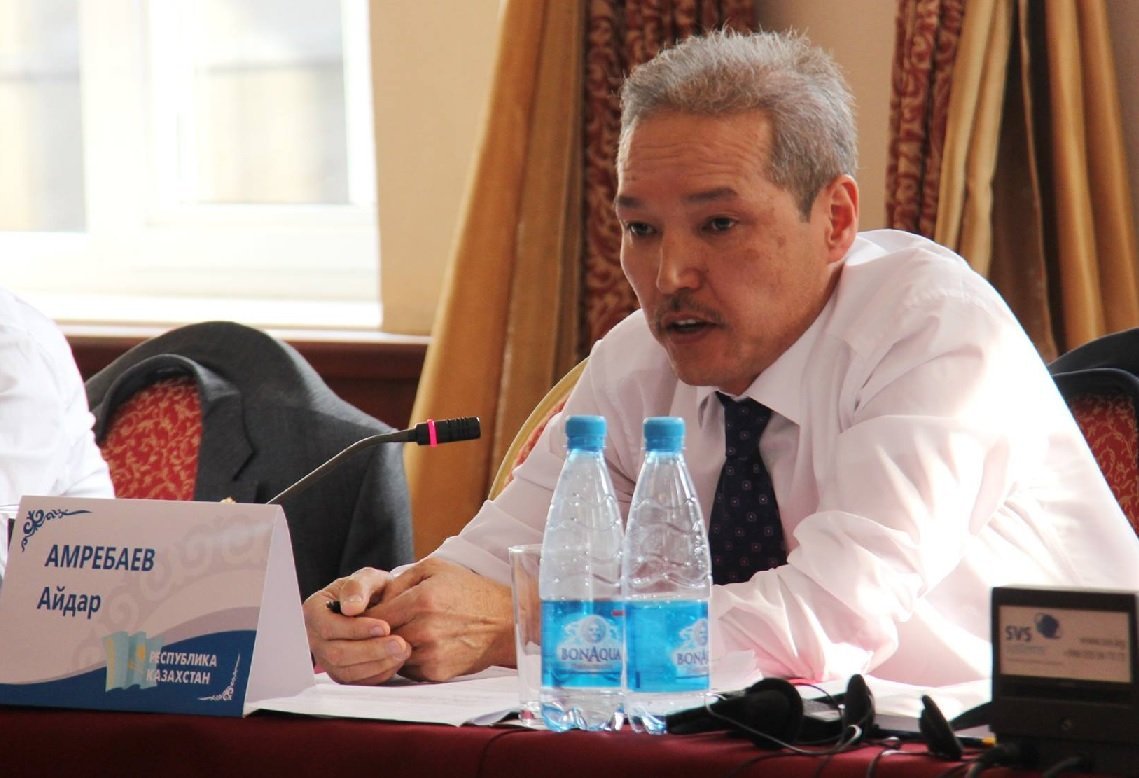
For Lavrov the collapse of the Soviet Union is a geopolitical catastrophe. But for me, as a scientist and a citizen of Kazakhstan, it is Kazakhstan's acquisition of modern sovereignty, not a catastrophe, but a natural historical process. That’s where our ideological interpretations differ — I approach it as a researcher, while he views it through the lens of state policy. This difference in perspective naturally creates tension. If Lavrov believes that Kazakhs never had their own statehood, I can refute that claim, because I can prove that our statehood has at least a 500-600-year history. Is there tension? Absolutely. If someone claims that Kazakhstan’s statehood only began with Nursultan Nazarbayev, echoing Vladimir Putin’s past remarks, I would argue otherwise.
Our statehood has deep historical roots and unique forms. Even the modern concept of statehood, as understood by our Russian counterparts, took shape here long before 1991. For example, we can talk about the sovereign statehood of the period of the Alash, Turkestan and Kokand autonomies.
There is also a very complex period of the Golden Horde rule, etc. Our historians have well-researched perspectives and alternative interpretations on these periods. That’s why we need to be clear from the start — who are we talking to, at what level, and about what? If we’re setting up a conversation between an ideologist and a historian, it quickly turns into a dialogue between the deaf and the mute. If it’s an ideological dispute, then the real question is: should we conform to the ideological stereotypes of Russian officials? If our goal is to objectively analyze the most sensitive parts of our shared history, we need to set aside ideological biases and focus on facts, evidence, and scholarly arguments, Aidar Amrebayev, Director of the Center for Political Studies at the Institute of Philosophy, Political Science, and Religious Studies, told Orda.kz.
Who Are the Historians?
Majilis deputy and Doctor of Historical Sciences, Yerkin Abil, known for his advocacy for a unified time zone in Kazakhstan, leads the Kazakh research group on historical memory.
However, even he was caught off guard by Lavrov’s remarks.
According to Abil, Russian and Kazakh research teams were formed in 2018, and their joint work was only briefly interrupted by the COVID-19 pandemic. Lavrov’s November 2024 announcement about a new initiative may have been an attempt to relaunch the collaboration in a different format.
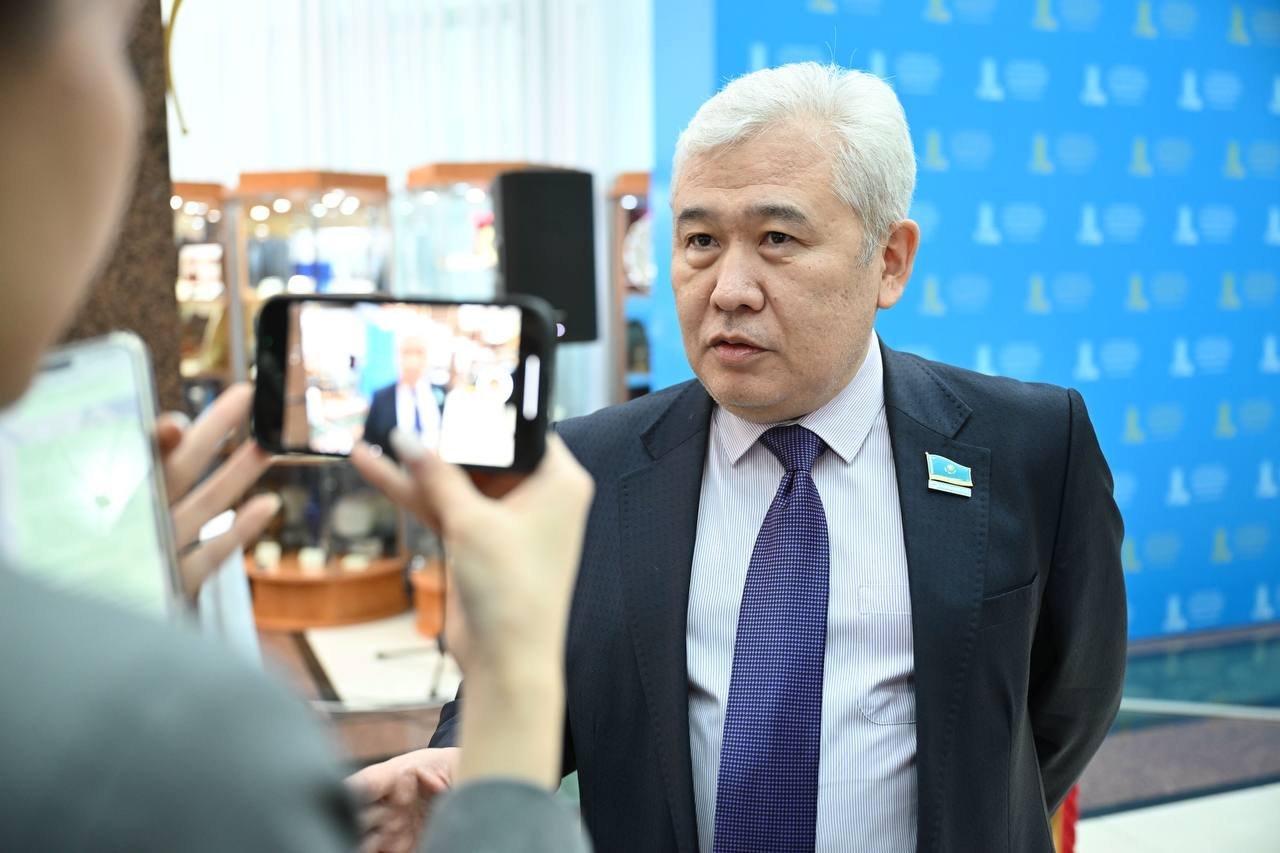
It seems there was a miscommunication in Russia. I don’t know why they’re unaware of these research groups. No new initiative was launched — our group has always been independent. It is not affiliated with the Ministry (The Ministry of Science and Higher Education – Ed.), let alone the presidential administration,” Abil explains.
These research groups do not have legal status or funding accounts.
They were established through a memorandum between the Institute of World History of the Russian Academy of Sciences and Kazakhstan’s Institute of State History.
Abil became the head of the Kazakh team in 2023, while Mikhail Lipkin, director of Russia’s Institute of World History, leads the Russian side. Twelve historians and ethnographers are involved in the project.
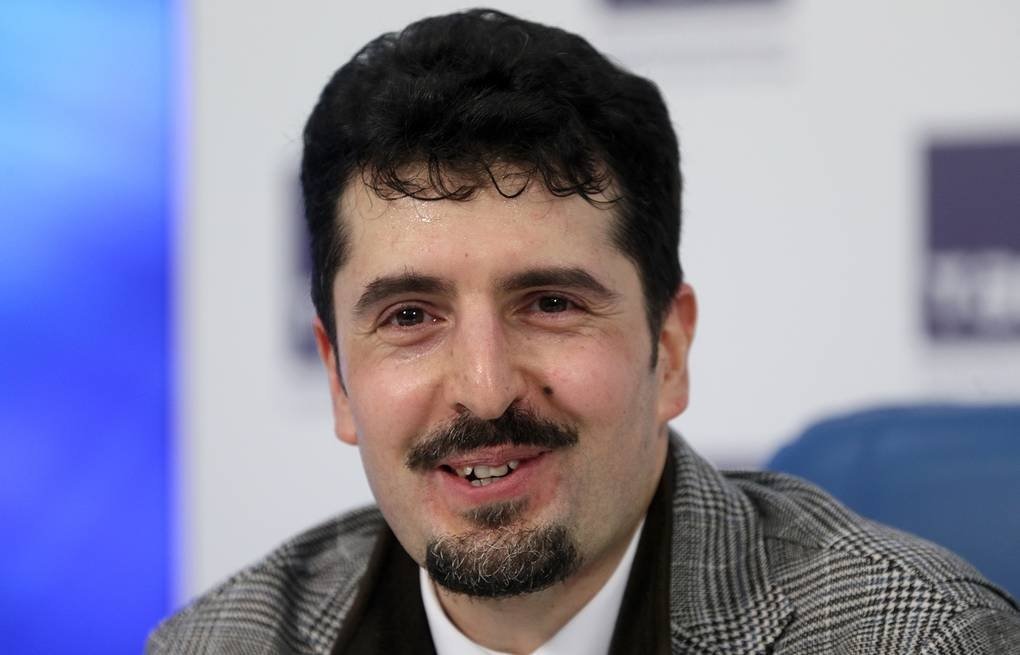
Abil was particularly surprised by Lavrov’s claim that historians were tasked with reducing tensions.
I’m not sure what kind of tensions Lavrov was referring to — that’s a question for him. What’s clear is that there’s a lot of discussion today about preserving a shared historical memory. But our Russian colleagues also recognize that historical memory is deeply tied to national identity. Since Kazakhstan is building an independent state, we naturally have our own approach to shaping historical memory and national consciousness—that’s unavoidable. Of course, where we have common ground, it should be discussed. However, the idea that we could create one unified historical narrative is simply unrealistic. Maybe politicians want that, but historians know it’s impossible. That said, within our working group, we have no disagreements with our Russian colleagues on this issue," Abil explained.
What common history do Kazakh-Russian researchers ultimately talk about?
Here is their plan until autumn:
- Participation in a school competition dedicated to the 80th anniversary of Victory. According to Abil, organizational work has hit a slight delay because "the Russian side wants the award ceremony to take place in Moscow, but no one here wants to take responsibility for ensuring the children's safety."
- Compilation of a monograph based on historical documents on Kazakh statehood preserved in Russian archives.
- Preparation for a working group meeting, which, at the suggestion of Russian scholars, is set to take place this summer in Kazan as part of a scientific forum on the history of the Golden Horde.
Resurfacing Issues in Public Discourse?
Some historical topics regularly spark debate in Russia and Kazakhstan, and it seems they genuinely deserve the attention of scholars from both countries.
However, Abil believes Kazakhstani historians shouldn’t be concerned with what “certain Russian scholars” think about Kazakh history textbooks. According to him, the textbooks will be written to align with Kazakhstan’s goals for educating its younger generations.
When we start reacting to what Russian scholars say about our textbooks, that’s a postcolonial mindset symptom,he noted.
Abil explained that the research group discusses colonialism strictly within academic frameworks — objectively and without emotional bias.
The outcome of these discussions is the publication of joint academic articles. Here’s an idea of the approach they take, as explained by Abil:
The real issue is that we attach emotional weight — either negative or positive — to terms like ‘empire’ and ‘colonialism.’ But in reality, empire, colonialism, etc. are objective phenomena. They’re neither good nor bad — just forms of statehood that have existed throughout history. As scholars, we insist that they must be studied objectively as historical facts. There’s no doubt that Russia was a colonial empire. The Soviet Union, too, was an empire — albeit a unique one. There are plenty of serious, balanced, impartial academic works on this topic, including in Russia. But all this should be discussed objectively, without emotion. In public discourse, we must also say, 'Guys, history isn’t about settling scores.' History can have a didactic role, showing society's mistakes in its development. The role of history is to show mistakes but not to settle scores. Unfortunately, in today’s public discussions, there’s a tendency to project historical grievances onto the present, and settle scores. That’s why politicians are wary of these topics — they prefer to say, ‘Let’s not talk about historical conflicts; let’s focus on victories instead.’ But in doing so, we end up talking about our victories while our neighbors focus on theirs, turning a blind eye to the fact that one side’s victory is another side’s defeat.
Perhaps scholars can help cool these heated debates, especially if they are led by someone who knows how to manage time and history.
Original Author: Dmitry Kim
Latest news
- The Delivery of 51 Stadler Passenger Coaches Has Been Delayed
- Kazakhstan Returns Nearly 1,000 Citizens From the Middle East
- Damaged Baikonur Launch Pad Facility Restored After 2025 Collapse
- A Rare Black Melanist Wolf Was Shot in Eastern Kazakhstan
- Kazakhstan Maintains Neutral Stance on Middle East Escalation
- Kazakh MFA: Citizens Evacuated from the Middle East via Oman and Saudi Arabia
- Kazakhstan to Spend 4.6 Trillion Tenge on Road Projects Through 2029
- Central Asia Competes for the Skies: Why Kazakhstan Risks Falling Behind Uzbekistan on Jet Fuel
- The War in Iran Opens a Window of Opportunity for Kazakhstan’s Oil Sector, Analysts Say
- Iran Conflict Escalates Beyond the Gulf: What Kazakh Experts Say About Risks for Central Asia and Kazakhstan
- Kazakhstan Prepares Possible Evacuation of Its Citizens From Iran
- LRT in Astana Is Reaching the Finish Line: The Launch Is Expected in the Coming Months
- Kazakhstan Ready to Help the UAE Amid Escalation in the Region
- Tokayev Discusses Middle East Escalation With Qatar’s Emir
- Airlines Ready to Bring Kazakhstanis Home From the Middle East
- Tokayev Sends Support Messages to Gulf Leaders Amid Regional Escalation
- Kazakhstan Bans Its Airlines From Flying Over Several Middle East Countries
- Astana Strengthens Security Measures Amid Escalation Around Iran
- Tokayev Meets U.S. Ambassador Stufft, Discusses Board of Peace Cooperation
- Mangystau Launches AI-Assisted School Monitoring to Prevent Teen Suicidal Behavior
